
Game review
Family Office Simulator
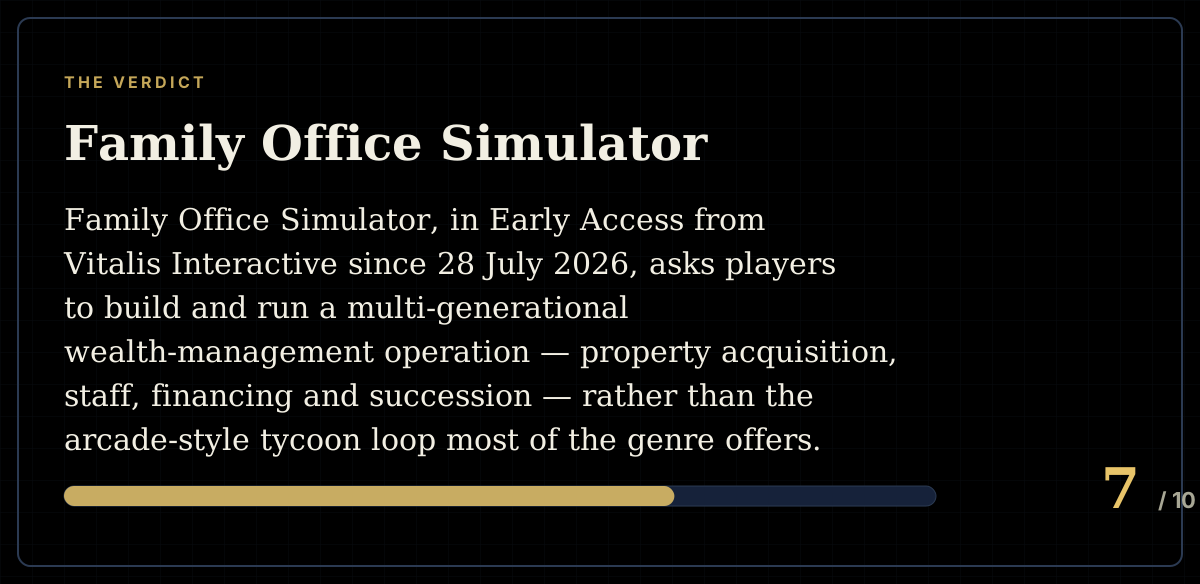
7 / 10
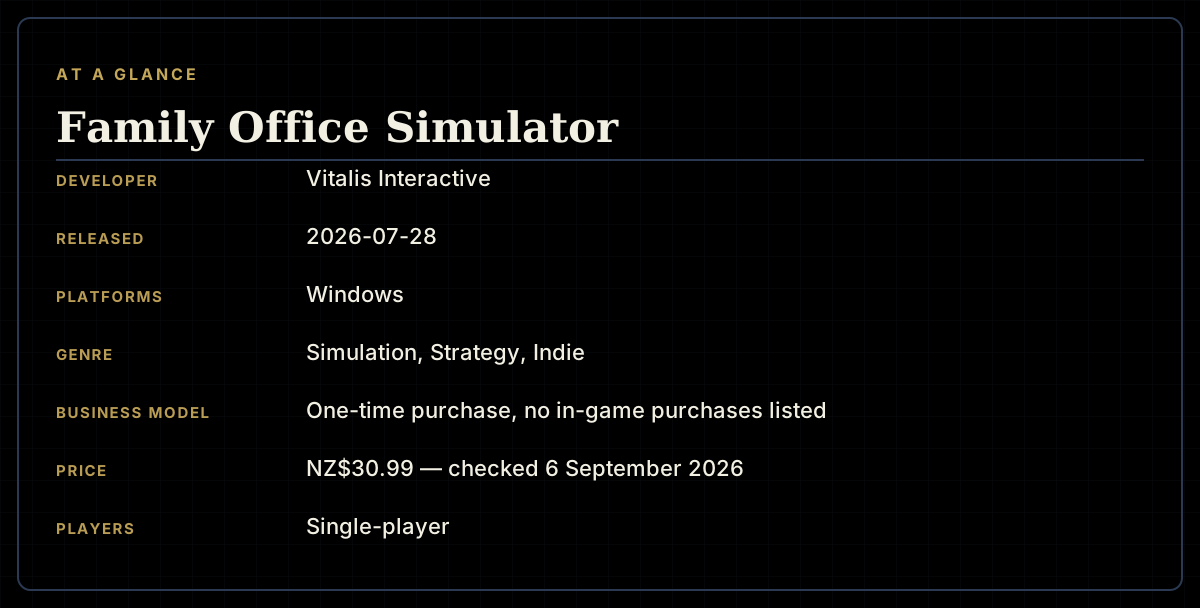
- Developer
- Vitalis Interactive
- Publisher
- Vitalis Interactive
- Released
- 28 July 2026
- Platforms
- Windows
- Genre
- Simulation, Strategy, Indie
- Monetisation
- One-time purchase, no in-game purchases listed
- Players
- Single-player
The short version
Family Office Simulator, in Early Access from Vitalis Interactive since 28 July 2026, asks players to build and run a multi-generational wealth-management operation — property acquisition, staff, financing and succession — rather than the arcade-style tycoon loop most of the genre offers. It sits Positive with English-speaking players, 93.9% across 33 reviews as of this check, and the large majority genuinely praise it as an addictive, unusually educational simulation with a developer reviewers repeatedly credit as responsive during Early Access. The small negative sample is nonetheless worth taking seriously: one detailed review from a reviewer citing accounting and financial-investigation qualifications compares the store page's specific marketing claims against the actual game feature by feature, and documents several — including a philanthropy system and working capital-negotiation logic — that don't yet function as described. A separate reviewer directly disputes the developer's own public statement that no in-game content was AI-generated, an accusation this review has not independently verified.
Biggest strengths
- The core decision-making loop around acquiring and managing properties draws repeated, specific praise as genuinely addictive, with multiple reviewers saying it delivers on what its store page promises rather than the usual EA gap between pitch and product
- Several reviewers independently describe real educational value, comparing the experience to learning actual property-investment fundamentals rather than just watching numbers increase
- The developer is repeatedly and specifically praised across reviews for being responsive to feedback and for a visible patch cadence that has already resolved reported issues for multiple players
Biggest weaknesses
- One detailed review from a reviewer citing finance and financial-investigation qualifications documents specific mismatches between the store page's advertised systems and what currently works in-game, including capital-negotiation logic the reviewer describes as clunky and non-functional, a philanthropy and Donor-Advised Fund system they could not find anywhere in the game, and staff-driven decisions with no real gameplay consequence
- A separate reviewer directly disputes the developer's own stated claim that no in-game content was AI-generated, arguing the game's mechanics and assets read as generative-AI output; this review has not independently verified either the developer's claim or the reviewer's accusation and reports only that the dispute exists
- Multiple reviewers, even among fans, describe the game as feeling complete or repetitive within five to forty hours, and more than one specifically wants deeper long-term systems to keep pace with how quickly the current loop is exhausted
Who it's for: Fans of deep management and business simulations who want something closer to a real finance-education tool than an arcade tycoon, and who are comfortable with Early Access gaps between the marketing and the current build.
Our recommendation: A promising pick if the concept specifically appeals to you and you're comfortable paying an above-average Early Access price for a game its own reviewers say still needs real development time; wait if you want the full "machinery of wealth" experience the store page describes, since several of its more advanced systems aren't fully functional yet.
7 / 10
Introduction
Family Office Simulator, in Early Access from Vitalis Interactive since 28 July 2026, sets out to be something more specific than the usual tycoon game: not a business built to watch numbers climb, but a simulation of the actual machinery behind generational wealth — property acquisition, financing, staff, governance and succession, run through a multi-generational family office rather than a single company. It sits Positive with English-speaking players, 93.9% across 33 reviews, and that sample, while small, is unusually detailed. Most of it consists of genuinely substantive praise for an addictive, educational core loop and an actively responsive developer; the small negative slice is equally substantive, built around two long, specific reviews rather than scattered one-line complaints.
An addictive, unusually educational core loop
The majority of reviewers describe something more specific than generic enjoyment. Several say the game "delivers exactly what it advertises" and call that refreshing for an Early Access title, describing genuine engagement with the decision-making around which properties to acquire, how to finance them, and how to manage the resulting portfolio. More than one reviewer frames this in explicitly educational terms — one describes it as teaching real lessons about property investment and financing, drawing a direct comparison to how real historical wealth-building families operated — and several say they've kept learning the longer they've played, rather than simply repeating a solved strategy. For a genre usually built around arcade abstraction, that's a distinctive and consistently reported strength.
A developer reviewers say is actually listening
A second consistent thread, independent of the core gameplay praise, concerns the developer's visible responsiveness. Multiple reviewers describe reported bugs and rough edges being addressed in successive patches, and more than one specifically credits the small team's evident motivation and communication as a reason to trust the project's trajectory despite its current Early Access rawness. That pattern — genuine engagement with player feedback this early in development — is a meaningfully positive signal for a game whose more ambitious systems, discussed below, aren't yet fully realised.
A finance professional's feature-by-feature audit
The most detailed and most useful critical review in this sample comes from a reviewer who states they hold degrees in accounting, finance and a master's in financial investigation, and who compares the store page's marketing copy directly against the shipped game, feature by feature. The store page promises reviewing "cap rates, NOI, financing needs, debt service, and cash required to close" with negotiation logic against counterparties; the reviewer reports this negotiation flow as clunky and effectively broken, with financing information unavailable at the point it's actually needed and properties disappearing from negotiation before a deal can close. The store page promises managing "philanthropy through a Legacy Foundation and Donor-Advised Fund"; the reviewer reports being unable to find this system anywhere in the game. Staff-driven decisions meant to affect rent, expenses and tenants are described as having little practical consequence, with no eviction mechanic despite the framing suggesting one exists. The reviewer's overall conclusion — that what's currently shipped plays more like a basic real-estate simulator than the deep wealth-management machinery advertised, and needs at least another year of development — is a specific, credible assessment worth weighing alongside the broadly positive majority.
A disputed claim about how the game was made
Separately, one reviewer makes a direct accusation this review cannot verify but should report plainly: they state that the developer has publicly claimed no in-game content was created with AI, and directly dispute that claim, describing the game's mechanics, assets and interface as reading like generative-AI output to someone experienced with that technology. This is a more direct dispute than a vague suspicion — it explicitly contradicts a stated developer position rather than merely speculating — but it remains one reviewer's technical judgement rather than independently confirmed fact. This review has not investigated the game's development process and reports only that this specific, first-person dispute exists in the review section, not that either side of it has been established as true.
Real access-life friction, even among fans
Even reviewers recommending the game flag real friction. Several describe the experience as feeling largely complete after as little as five hours, while one long-term player with nearly 40 hours logged calls the loop repetitive by that point and wants expanded systems to sustain further play. More than one reviewer specifically calls out a recurring staff-management mechanic — frequent salary-increase requests from employees — as tedious enough that simply letting staff quit and rehiring becomes the path of least resistance, undercutting the personnel-management depth the game is meant to offer. Several reviewers also describe the NZ$30.99 asking price as high for its current Early Access state, even when they otherwise recommend the purchase.
Final Verdict
Family Office Simulator has real substance behind its Positive reception: a distinctive, genuinely educational take on the management-sim genre that most reviewers say delivers on its own premise, backed by a developer players consistently describe as responsive during Early Access. What keeps this from a higher score is that its most detailed critical review — from a reviewer with directly relevant professional expertise — documents specific, named systems that don't yet work as advertised, and a separate, unverified but pointed dispute exists over whether the game's content is AI-generated despite the developer's own denial. Worth a look now if the concept specifically appeals to you and you're willing to pay an Early Access price for a game that needs, by its own reviewers' account, real further development; worth waiting on if you want the fuller "machinery of wealth" experience its marketing currently promises.
Pros and cons
Pros
- The core decision-making loop around acquiring and managing properties draws repeated, specific praise as genuinely addictive, with multiple reviewers saying it delivers on what its store page promises rather than the usual EA gap between pitch and product
- Several reviewers independently describe real educational value, comparing the experience to learning actual property-investment fundamentals rather than just watching numbers increase
- The developer is repeatedly and specifically praised across reviews for being responsive to feedback and for a visible patch cadence that has already resolved reported issues for multiple players
- The core concept — a serious, systems-driven wealth-management simulation rather than another arcade-style idle tycoon — is a genuinely distinctive angle reviewers say they haven't seen executed this way elsewhere
Cons
- One detailed review from a reviewer citing finance and financial-investigation qualifications documents specific mismatches between the store page's advertised systems and what currently works in-game, including capital-negotiation logic the reviewer describes as clunky and non-functional, a philanthropy and Donor-Advised Fund system they could not find anywhere in the game, and staff-driven decisions with no real gameplay consequence
- A separate reviewer directly disputes the developer's own stated claim that no in-game content was AI-generated, arguing the game's mechanics and assets read as generative-AI output; this review has not independently verified either the developer's claim or the reviewer's accusation and reports only that the dispute exists
- Multiple reviewers, even among fans, describe the game as feeling complete or repetitive within five to forty hours, and more than one specifically wants deeper long-term systems to keep pace with how quickly the current loop is exhausted
- The price draws specific pushback from several reviewers as high for an Early Access release, even from reviewers who otherwise recommend the game
- A recurring staff-management mechanic — frequent salary-increase requests — is singled out by more than one reviewer as tedious enough that the easiest response is simply letting employees quit and rehiring, undermining the "governance" and personnel-management angle the game advertises
Screenshots
-
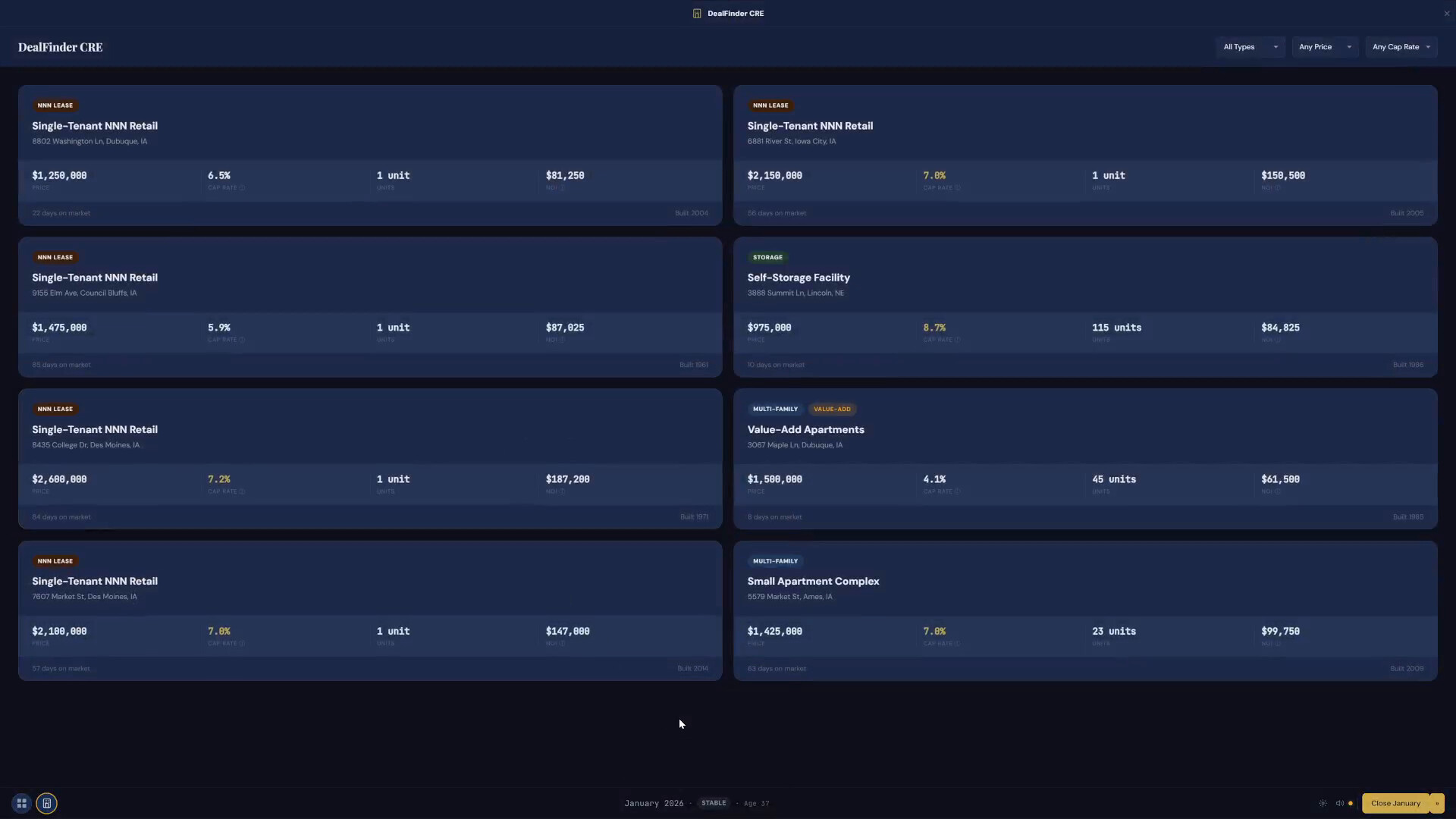
Family Office SimulatorImage: Vitalis Interactive via Steam -
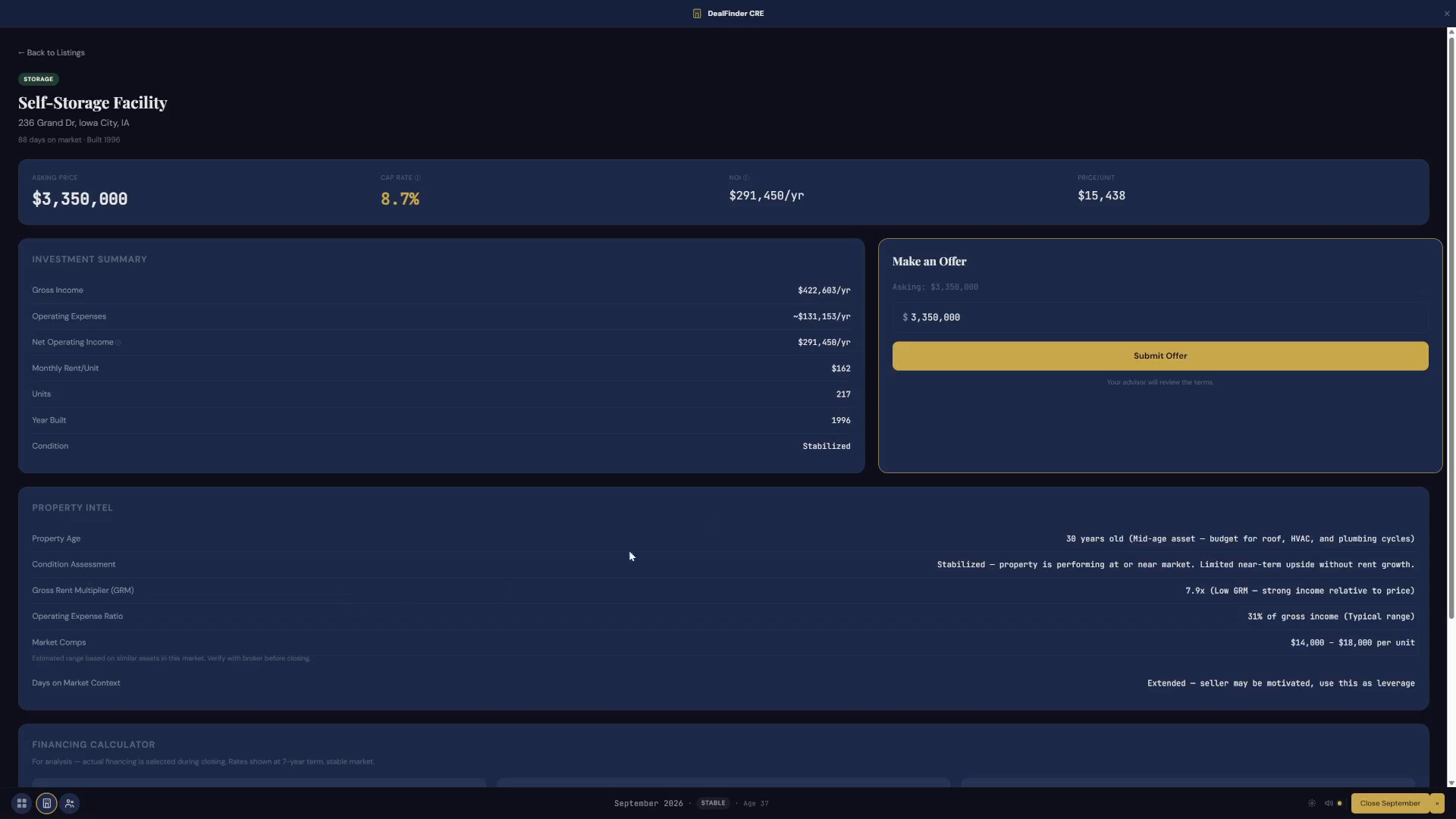
Family Office SimulatorImage: Vitalis Interactive via Steam -
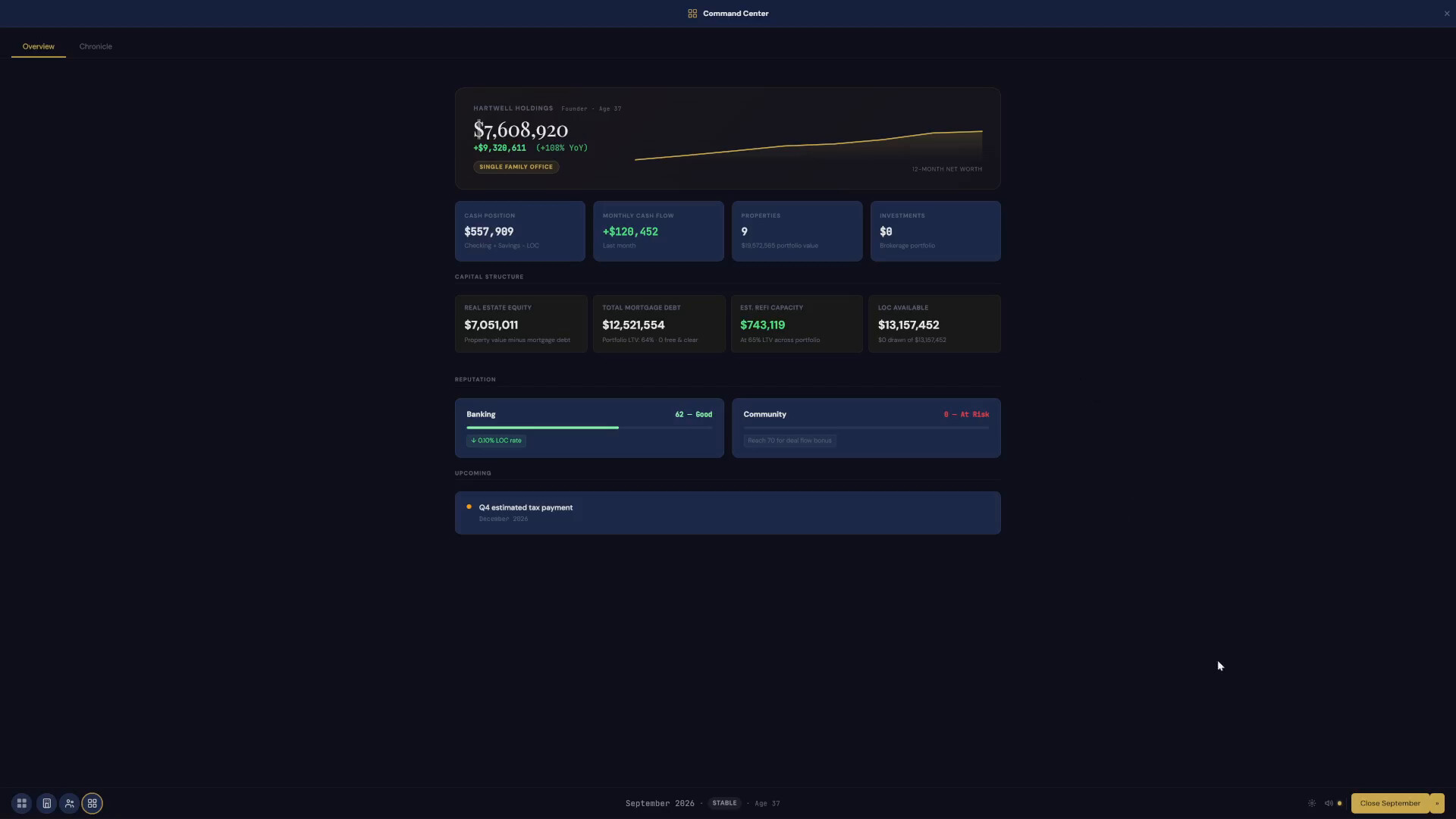
Family Office SimulatorImage: Vitalis Interactive via Steam -
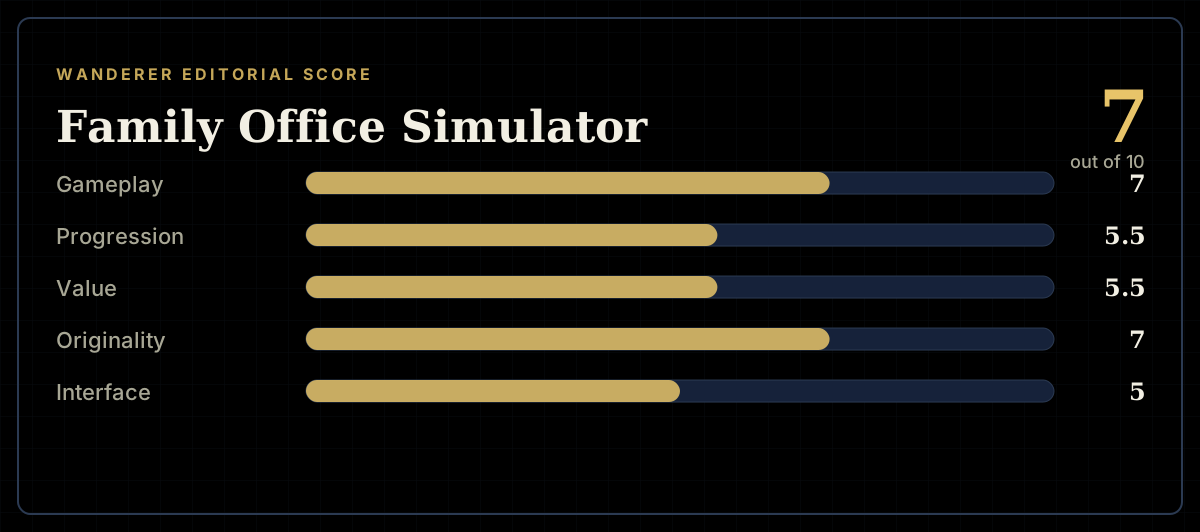
How the review scores each part of the gameWanderer Editorial -
The essentials at a glanceWanderer Editorial -
The short versionWanderer Editorial