Game review
CS Manager
7 / 10
- Developer
- Crumana
- Publisher
- Crumana
- Released
- 6 August 2026
- Platforms
- Windows
- Genre
- Esports Management Sim
- Monetisation
- One-time purchase, no in-game store, no IAP, no DLC at launch
- Players
- Listed as Single-player only on Steam
The short version
CS Manager takes the Football Manager template and rebuilds it around Counter-Strike: roster building around roles and map preferences, staff and finances, and a round-by-round match engine whose own patch notes describe retake timing, bomb-carrier decision-making and rotational AI in real detail. What it doesn't have is any real team or player licensing — every one of its 140+ organizations is fictional — and it arrived a month after a rival that does license the real Tier 1 scene, at a higher price. The systems underneath look genuinely thought-through; whether that's enough to win the shelf next to a licensed competitor is a question this review's four-review Steam page can't yet answer.
Biggest strengths
- The match engine's own patch notes describe granular AI behaviour — retake timing on contested bomb sites, bomb-carrier plant-or-hunt decisions under time pressure, defensive rotations and positioning — which is unusually specific evidence for a simulation layer this early in a game's life
- Squad building goes beyond raw stats into map preference, personality and language cohesion, and player resilience over a season, giving roster decisions real texture beyond a highest-rating-wins spreadsheet
- Clean one-time purchase with no DLC, no in-app purchases and no live-service layer, backed by a public roadmap and a Discord community vote (starting 14 August) on upcoming features
Biggest weaknesses
- Every team and player is fictional — there is no real Tier 1 CS2 organization, real player or real caster anywhere in the game, which is a significant gap against a genre built on recognizing your favourite org's name on the scoreboard
- A rival Counter-Strike management sim, Esports Manager 2026, launched a month earlier with real pro-org licensing and real casters on commentary, and sells for five dollars less at full price
- The Steam page carries only four user reviews at time of writing, one of them a refund citing the price against a long-running free browser alternative, which is far too small a sample to confirm balance, stability or how the AI holds up across a full career
Who it's for: Football Manager and management-sim veterans who want a Counter-Strike skin on a familiar loop, and CS fans who don't mind fictional orgs in exchange for a more affordable entry point than the licensed alternative.
Our recommendation: Worth considering for management-sim regulars who want deep, granular systems over recognizable branding — the roster, cohesion and match-engine design read as serious work. Anyone who specifically wants to manage real CS2 organizations and watch real casters call their games should look at the cheaper, licensed competitor first; anyone burned by early system depth without a tutorial should wait for a patch or two.
7 / 10
Football Manager has spent three decades proving that a genre built entirely on menus, attributes and a results screen can be as gripping as anything with a control stick. CS Manager is Crumana's attempt to pour that same formula into Counter-Strike, and the ambition is obvious from the moment you start a career: pick from over 140 organizations, from the top of a fictional professional circuit down to scrappy amateur outfits, and build outward from there — roster, tactics, finances, staff, sponsors. The idea is sound. The question this review has to sit with honestly is that it arrives on day one, into a niche that already has a licensed occupant, and its own Steam page currently has four reviews to judge it by.
What "CS" actually means here
Worth stating plainly, because the title alone doesn't make it obvious: this is not a customer service sim, and it's not connected to the Java build tool of the same initials. CS Manager is an esports management game built specifically around Counter-Strike's competitive structure — rosters, maps, tactical calls, transfer windows, the whole apparatus of running a pro or semi-pro CS org. The genre has a long tail behind it too. CS-Manager.com, a free browser game built around exactly this idea, has been running in one form or another since the CS 1.6 era, and one of this release's own Steam reviewers name-checks it directly while explaining a refund. That history matters for how this specific release should be read: Crumana isn't inventing the concept, it's trying to give a community that has managed Counter-Strike teams in a browser for free for twenty-odd years a reason to pay for it on Steam instead.
Building the org
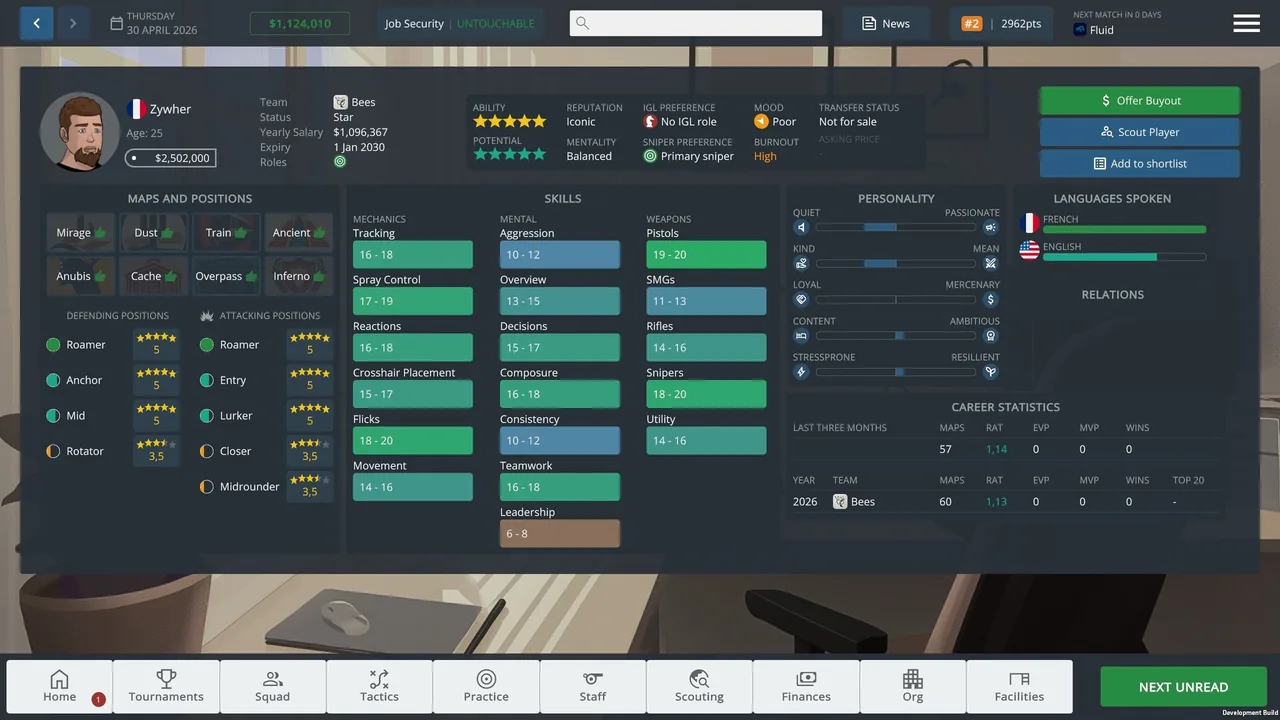
The roster layer goes past a single overall rating per player. Squad building factors in map preference and role suitability, personality and language compatibility between teammates (cohesion, in other words, rather than five separate stat blocks that happen to share a server), and player resilience across a season — burnout, in effect, for a scene notorious for it in real life. Layered on top is the business side any Football Manager veteran will recognize instantly: staff hiring, owner expectations, finances and sponsor relationships, all feeding into whether a struggling amateur org can climb toward the top of the fictional circuit or a stacked pro roster can hold onto it. None of that is unusual for the genre in the abstract, but the specific combination — cohesion mechanics plus resilience plus a business layer, all wrapped around eight distinct maps with their own tactical identities — is a genuinely full-featured take rather than a stripped-down one.
The match engine is the part with receipts
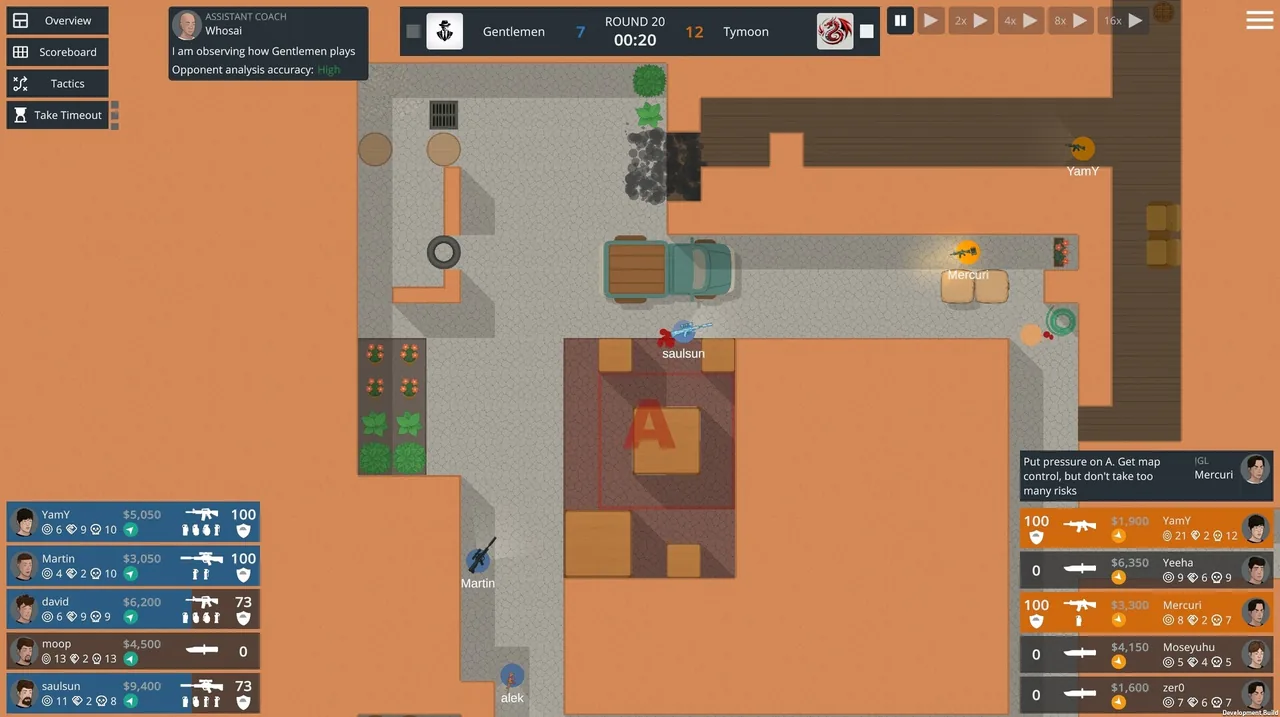
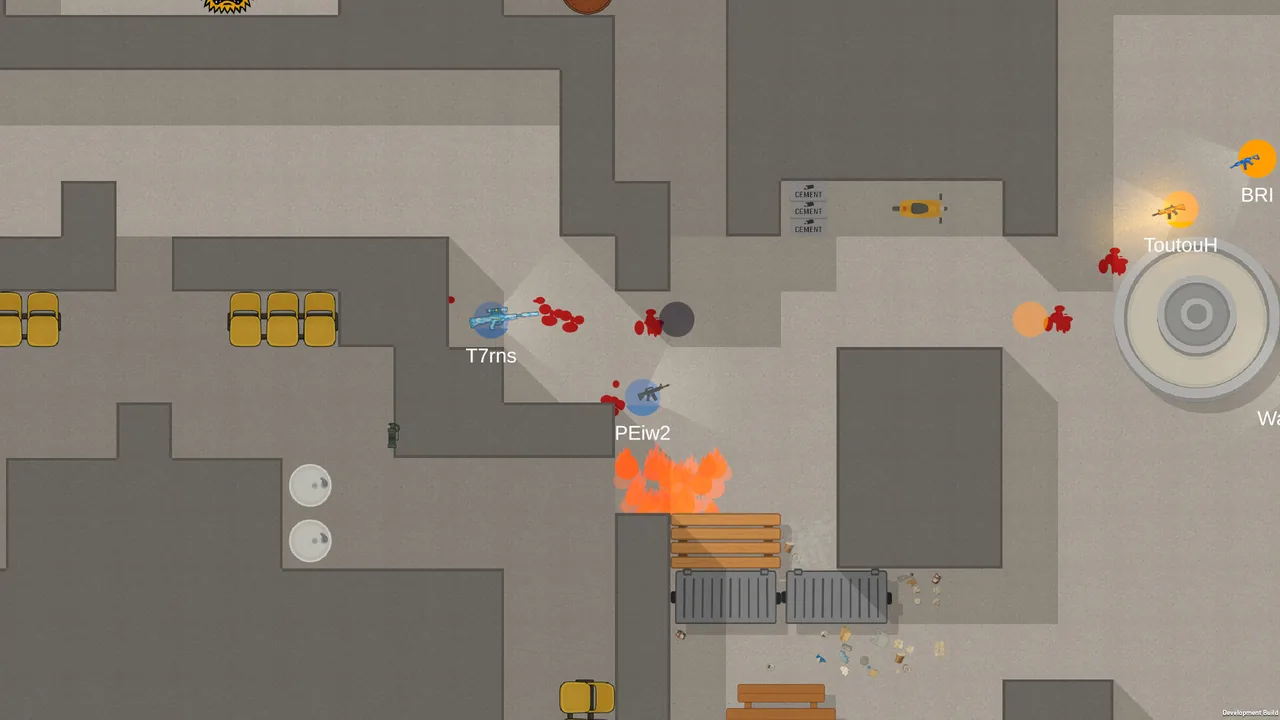
The riskiest part of any manager game is the bit you can't fully see: the simulation that turns your roster and tactics into a result. This is also the part CS Manager can be judged on with unusually specific evidence, because the developer's own patch notes describe it in granular detail rather than marketing language. The day-before-release demo patch talks about improving "AI individual positioning logic," "defenders rotational logic" and "AI time management," while the release-day patch describes fixes to "defensive AI decision making on retaking lost/contested sites before the bomb is planted" and "attacking bomb carrier decision making when low on time and needing to decide whether to plant the bomb or hunt for enemies." That's the vocabulary of people who actually modeled round-level Counter-Strike decision-making, not a black box labelled "sim match" with a random number generator behind it. It doesn't prove the engine plays well — that needs a real review corpus this release doesn't have yet — but it's a more concrete signal of design intent than most management sims offer this early.
The demo itself ran for roughly two months before launch, through numbered patches from 0.5 to 1.02, each one touching AI logic, database corrections or UI bugs. A release that iterated in public that long, on the exact system reviewers will judge it by, is a meaningfully different proposition from one that skipped straight to a 1.0 tag.
The gap a Counter-Strike fan will notice first
Here's the part that has to be the centre of this review rather than a footnote: every team, player and staff member in CS Manager is fictional. There's no real Tier 1 organization to build a career around, no recognizable pro to sign or develop, no licensed identity anywhere in the 140-plus rosters on offer. For a genre whose entire emotional hook in Football Manager is "my club, run properly," that's a real absence, and it's not one this release can fix after the fact without a licensing deal Crumana hasn't announced.
It's a sharper problem because of timing. A different Counter-Strike management sim, Esports Manager 2026, launched exactly a month earlier, on 6 July, from developer Neurona Games and publisher indie.io. Trade coverage at launch specifically praised its licensing — real Tier 1 organizations, and real casters (reportedly Affinity, Boggs and Trav) calling matches — while comparing its scope favourably to Football Manager, with the caveat that some team artwork looked dated. It currently sits at 652 Steam reviews and a Mixed rating, and it sells for US$19.99 with no launch discount, five dollars less than CS Manager's full US$24.99. A buyer choosing between the two on release week is choosing between a cheaper, licensed, larger-sample game with visible flaws of its own, and a pricier, fictional-teams game whose deeper systems are documented but not yet reviewed at any scale. That's a genuinely close call, and this review isn't going to pretend otherwise.
What the first reviews actually say
Four reviews, three positive, is not a sample this review is going to lean on for a verdict — it's too small to say anything about balance or long-term stability. It's still worth reporting exactly what's there, because two of the four raise specific, useful points rather than generic praise. One reviewer, at 19 minutes played, called the game "alright" with "good sound track" but flagged it as "a little daunting and overwhelming to new players" and asked for a tutorial — a real risk for a genre that front-loads a lot of systems before a player has any career context to hang them on. The refund review, in German, said the game didn't come close to the old free CS-Manager.com browser game and that the price was too high, and returned it. A third, at over 360 hours logged (plausible only if that reviewer had extended demo access before release), called it the best game in the genre right now and expects it to keep improving with updates. None of that adds up to a verdict. It adds up to exactly what a one-day-old release with a real, patch-documented feature set and an unproven onboarding path should look like from the outside.
Value and what comes next
The clean side of the ledger: no DLC, no in-app purchases, no energy systems or timers, a single upfront price for the whole game. That's the right shape for a management sim, and it means whatever verdict eventually lands on the systems themselves won't be complicated by a monetisation layer sitting on top of them. Crumana has also published a public roadmap and announced a Discord community vote starting 14 August to help decide upcoming features — a credible signal of ongoing support, though it's a promise rather than a delivered track record on day one.
At NZ$38.49, and NZ$34.64 during the launch discount, CS Manager is asking a real premium over a free 20-year-old browser alternative and a five-dollar premium over a newer, licensed Steam rival that already has a real review sample behind it. The systems underneath justify that price better than the store page alone communicates — the cohesion mechanics, the season-long resilience modelling and the specificity of the match-engine patch notes are the strongest case CS Manager has for itself. Whether that's worth paying more than the licensed competitor for fictional teams is a genuinely personal call, not something this review can settle for every reader.
Final verdict
CS Manager reads as a serious, well-built management sim underneath — its match engine has more documented granularity than most competitors ship at launch, and its roster systems go further than raw stats into cohesion and resilience. What holds it back from a stronger recommendation on day one is entirely about position and evidence: it launched fictional-teams-only into a niche a licensed rival already occupies at a lower price, its onboarding drew an immediate "overwhelming" complaint, and its own review corpus is currently four reviews deep, nowhere near enough to confirm how the simulation holds up over a full career. Recommended for management-sim regulars who prioritize system depth over recognizable branding. Everyone weighing it against Esports Manager 2026 specifically for the Counter-Strike license should know exactly what they're trading away, and everyone else should give it a patch or two to build a real track record first.
Pros and cons
Pros
- The match engine's own patch notes describe granular AI behaviour — retake timing on contested bomb sites, bomb-carrier plant-or-hunt decisions under time pressure, defensive rotations and positioning — which is unusually specific evidence for a simulation layer this early in a game's life
- Squad building goes beyond raw stats into map preference, personality and language cohesion, and player resilience over a season, giving roster decisions real texture beyond a highest-rating-wins spreadsheet
- Clean one-time purchase with no DLC, no in-app purchases and no live-service layer, backed by a public roadmap and a Discord community vote (starting 14 August) on upcoming features
- Low system requirements and eight months of visible demo iteration (patches 0.5 through 1.03 between roughly June and August 2026) before this release, suggesting a genuinely tested launch rather than a rushed one
- 140+ selectable organizations and full custom-org creation, from elite pro-level rosters down to unorganized amateur leagues, gives a wide difficulty and role range to start a career from
Cons
- Every team and player is fictional — there is no real Tier 1 CS2 organization, real player or real caster anywhere in the game, which is a significant gap against a genre built on recognizing your favourite org's name on the scoreboard
- A rival Counter-Strike management sim, Esports Manager 2026, launched a month earlier with real pro-org licensing and real casters on commentary, and sells for five dollars less at full price
- The Steam page carries only four user reviews at time of writing, one of them a refund citing the price against a long-running free browser alternative, which is far too small a sample to confirm balance, stability or how the AI holds up across a full career
- At least one early reviewer found the systems "daunting and overwhelming" without an in-game tutorial, a real risk for a genre that already asks a lot of new players
- The developer discloses that some 2D artwork was AI generated or partially AI generated, worth knowing going in even though it isn't inherently disqualifying for a UI-heavy sim
Screenshots
-
CS ManagerImage: Crumana via Steam -
CS ManagerImage: Crumana via Steam -
CS ManagerImage: Crumana via Steam -
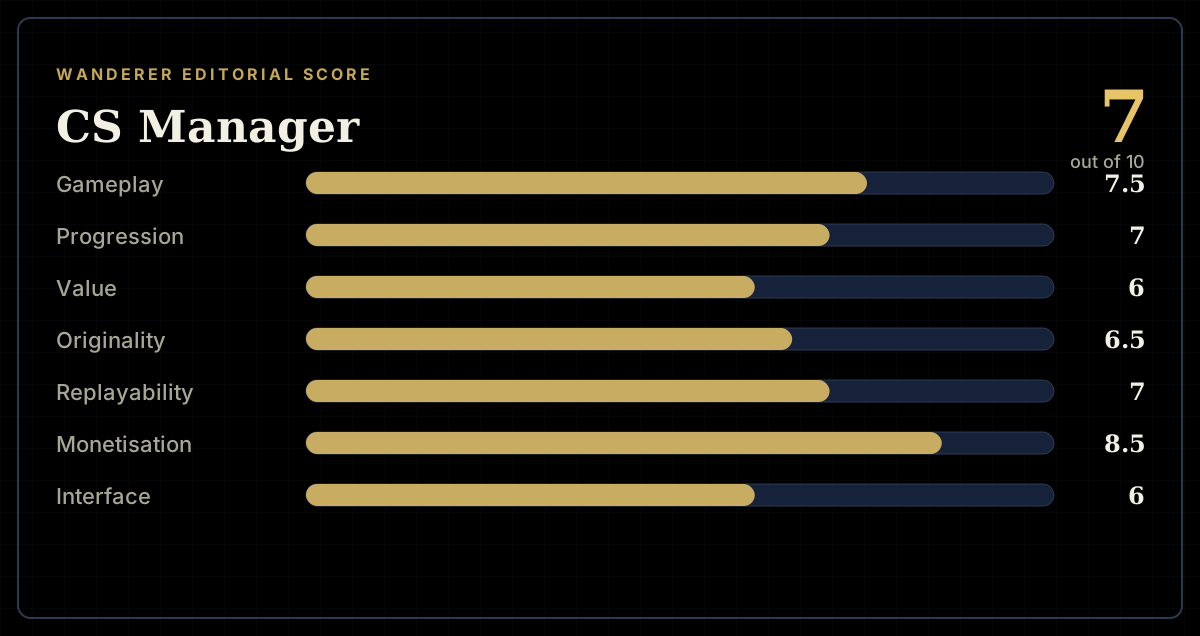
How the review scores each part of the gameWanderer Editorial -
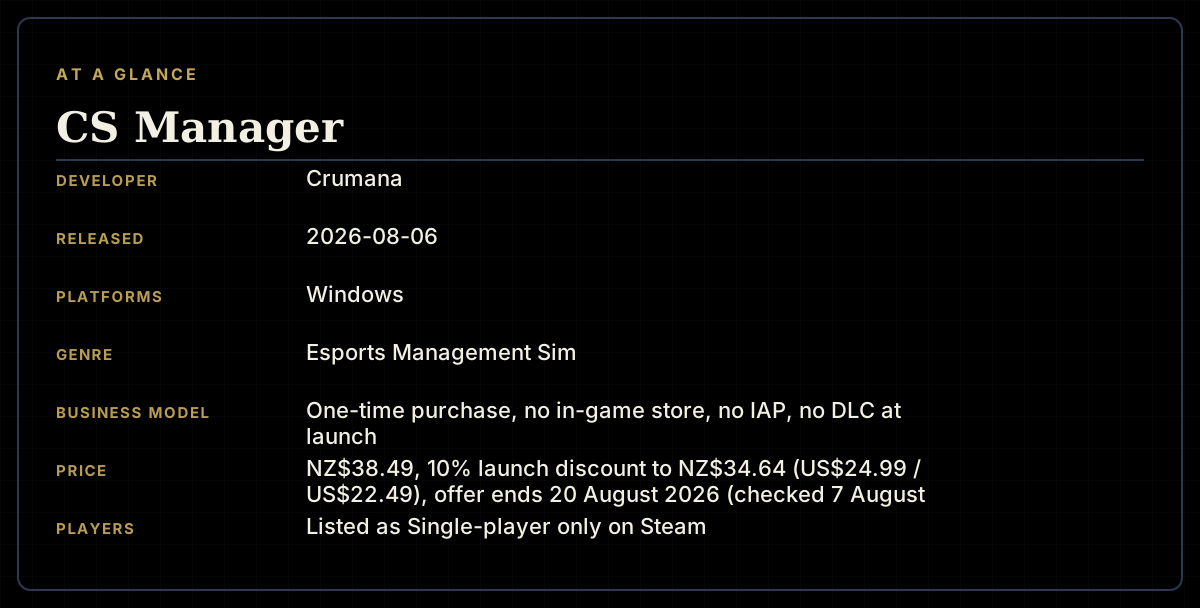
The game at a glanceWanderer Editorial -
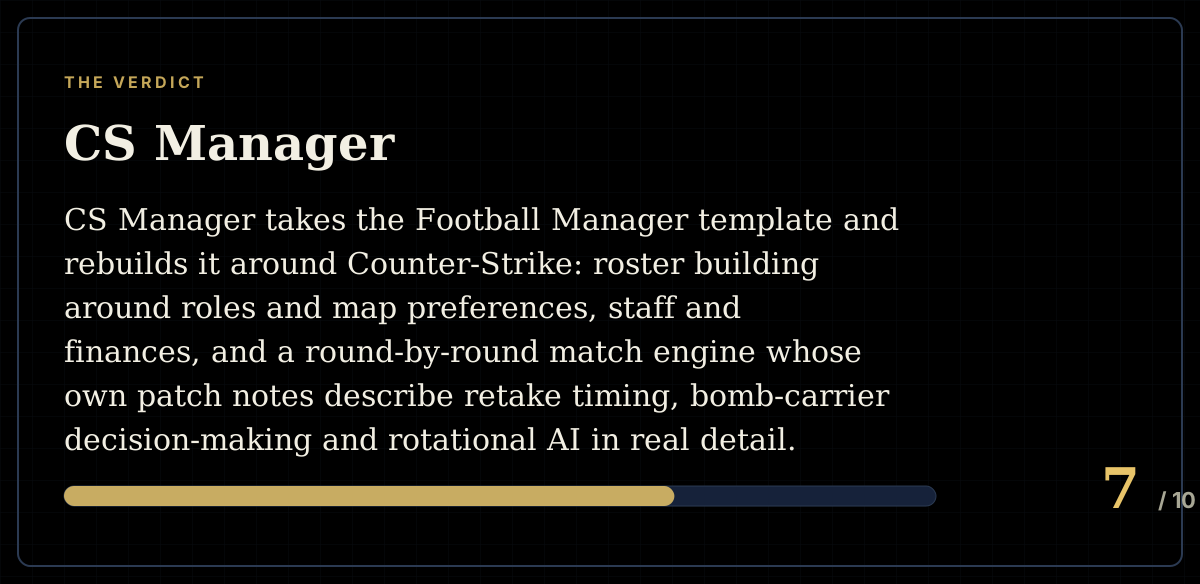
The short versionWanderer Editorial