
Game review
Escape from Ever After
7.5 / 10
- Developer
- Sleepy Castle Studio
- Publisher
- HypeTrain Digital
- Released
- 23 January 2026
- Platforms
- Windows
- Genre
- Adventure, Indie, RPG
- Monetisation
- One-time purchase
- Players
- Single-player
The short version
Escape from Ever After, released 23 January 2026 from Sleepy Castle Studio and Wing-It! Creative, casts a fairytale hero and a growing cast of storybook partners against Ever After Inc, a real-world megacorporation that has colonised the imaginary plane for cheap labour. Its review sample is Overwhelmingly Positive and consistently favourable toward the writing, the partner-swapping badge-based combat, and the sheer amount of content on offer, drawing constant, largely earned comparisons to Paper Mario: The Thousand-Year Door and Bug Fables. The same sample is far more divided on the combat's demanding action-command timing, on a mid-game balance patch that provoked a substantial backlash, and on a small number of specific late-game design choices, an unretryable 100-floor optional gauntlet and an anticlimactic framing of the final battle, that recur across otherwise glowing reviews.
Biggest strengths
- A large, consistently well-written cast of storybook partners, each with genuinely useful and distinct combat abilities and their own personality arcs, draws constant favourable comparison to Paper Mario and Bug Fables, with several reviewers calling individual partners the best part of the game
- The satirical premise, fairytale characters fighting back against a corporate takeover of their own stories, lands well for most of the sample, giving the writing a sharper, more topical edge than most genre entries while still finding room for genuine emotional moments
- A substantial amount of content for the price, four to five chapters, an optional hundred-floor challenge gauntlet, extensive collectibles, adjustable difficulty, and strong Steam Deck performance are repeatedly cited as excellent value, with many reviewers reporting 20-plus hour completionist playthroughs
Biggest weaknesses
- The action-command timing for blocks and attacks is the single most contested element in the sample, many reviewers call it unforgivingly tight and inconsistently telegraphed, and a post-launch balance patch that nerfed popular "crutch" strategies provoked enough backlash that the developers partially reverted it, with some reviewers reporting the trust damage lingered
- A recurring structural complaint concerns the optional hundred-floor "Stairs of Success" challenge, which locks major permanent progression rewards behind a no-save, no-retry gauntlet that several reviewers found disproportionately punishing relative to its rewards
- A meaningful minority describe the middle chapters, particularly an extended boat-based sequence, as repetitive padding, and a specific late-game puzzle in a "Forbidden Library" is singled out repeatedly as poorly designed regardless of playstyle
Who it's for: Fans of Paper Mario: The Thousand-Year Door and Bug Fables looking for another turn-based, partner-swapping RPG with sharp writing, plus players who enjoy satirical, workplace-set storytelling layered over classic JRPG structure.
Our recommendation: One of the strongest Paper Mario-likes its own reviewers have played, recommended especially to genre fans willing to accept a demanding, occasionally punishing action-command timing system, with an accessibility toggle available for players who'd rather skip that challenge entirely and focus on the story and combat variety.
7.5 / 10
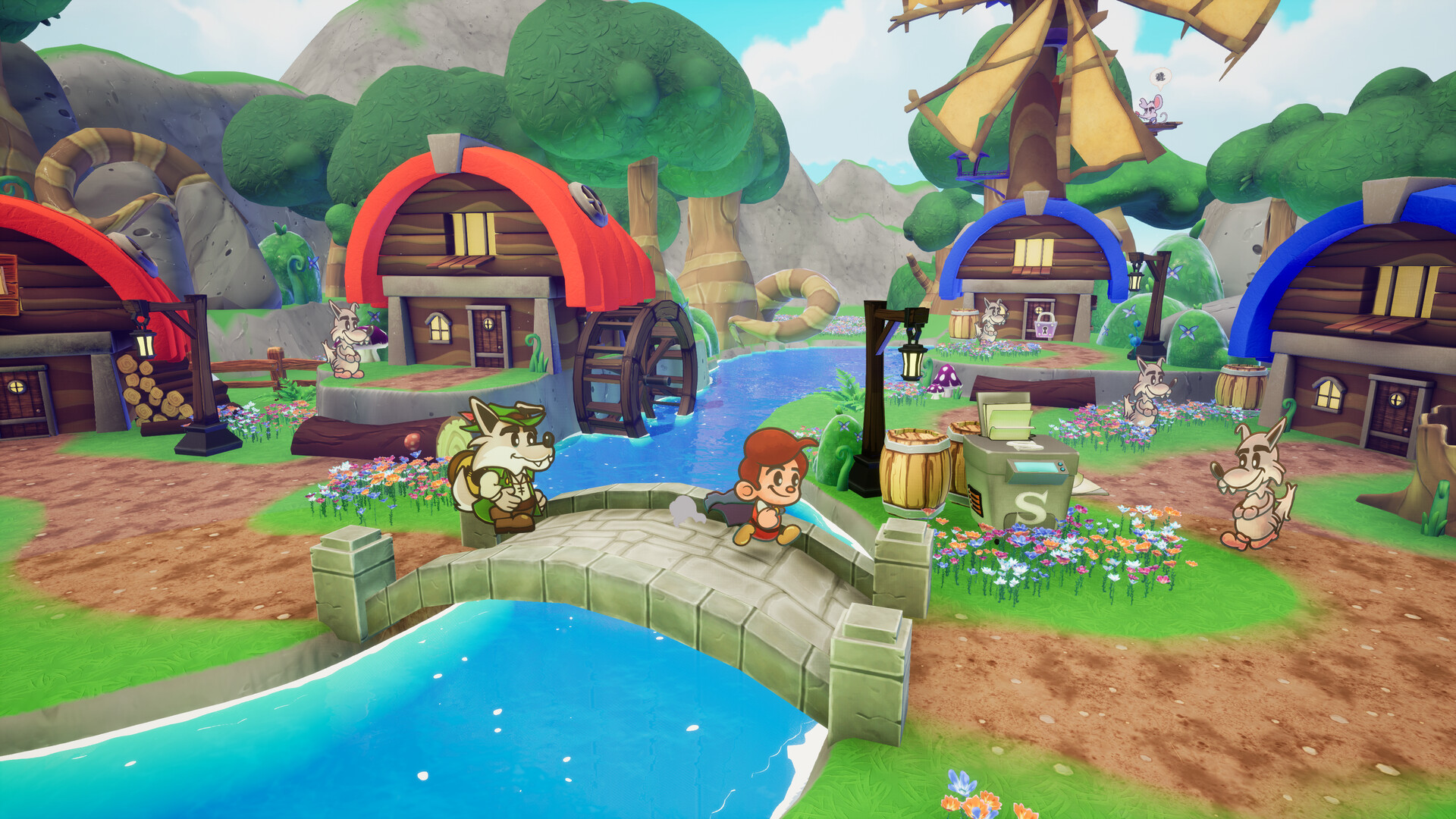
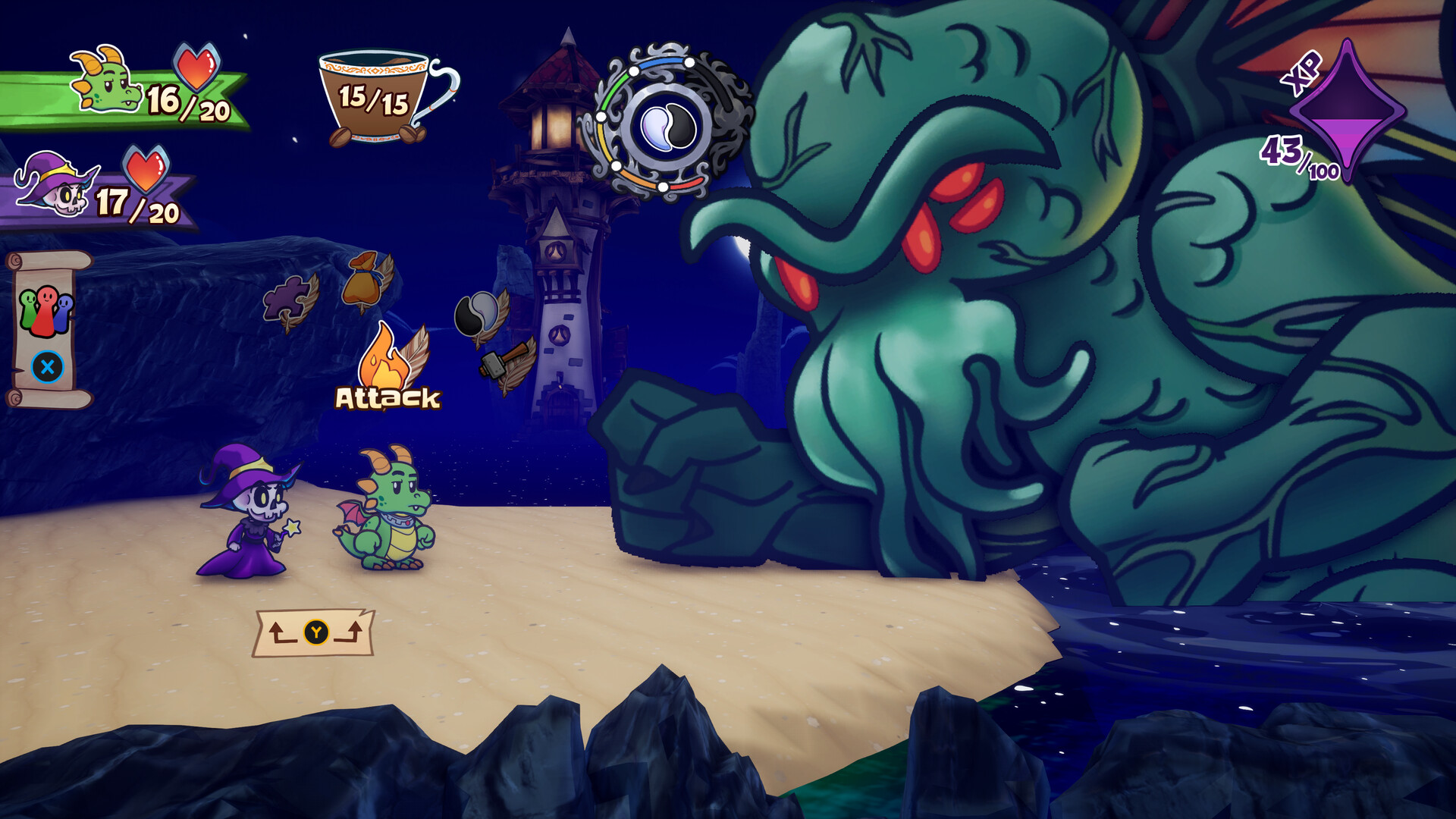
Escape from Ever After sends a freshly-hired fairytale hero climbing the corporate ladder of Ever After Inc, a real-world megacorporation that has colonised the imaginary plane and is quietly extracting storybook worlds for cheap labour. Released 23 January 2026 from Sleepy Castle Studio and Wing-It! Creative, and published by HypeTrain Digital, it wears its Paper Mario: The Thousand-Year Door inspiration openly, turn-based combat built around timed button presses, a badge system, a rotating cast of partners with unique field abilities, and its Overwhelmingly Positive review sample largely agrees the game earns the comparison rather than just borrowing it. That said, the sample is anything but uniformly glowing on the specifics, and a handful of recurring, detailed complaints are worth weighing carefully before buying in.
A cast that carries the game
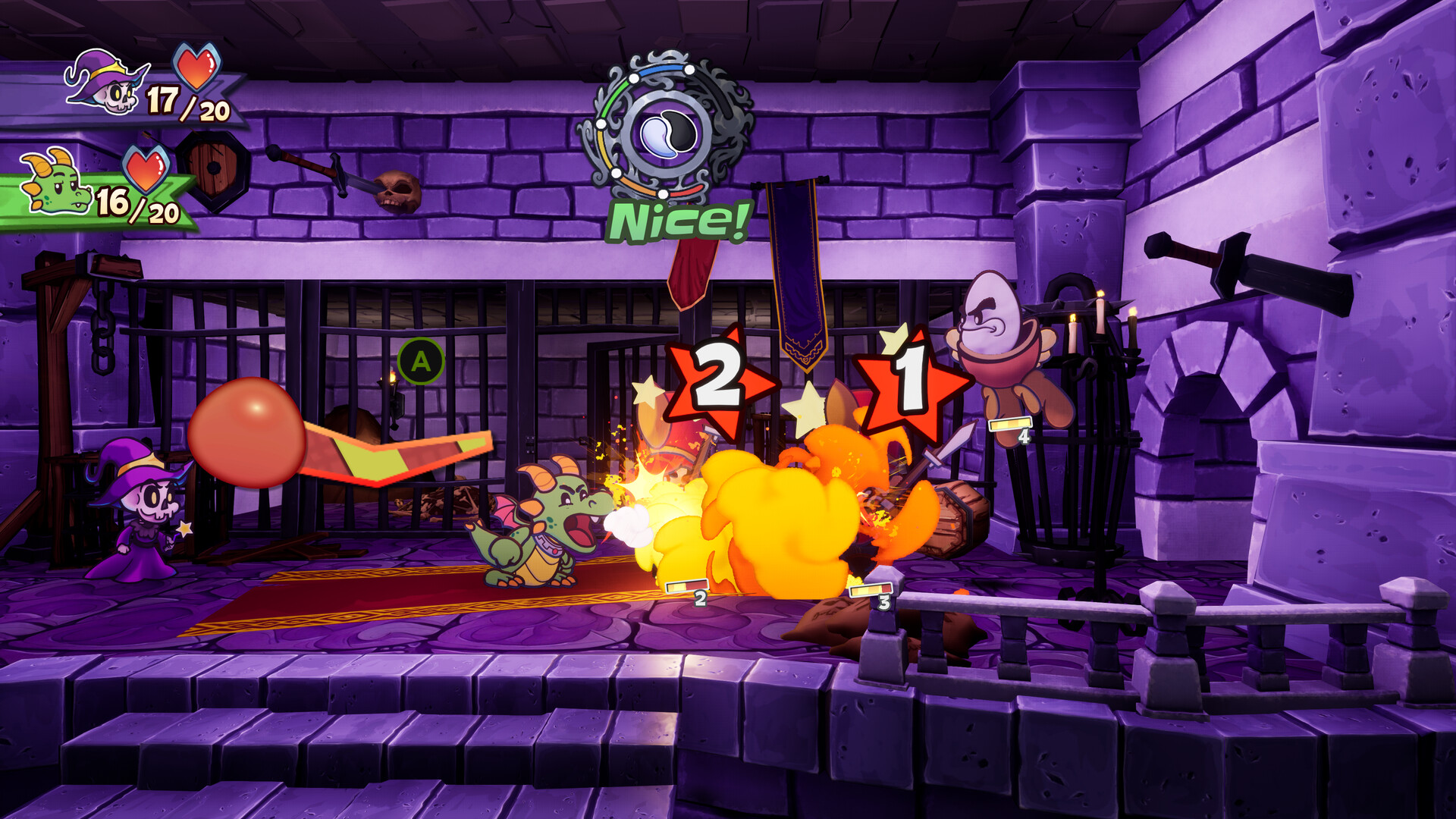
The single most consistently praised element across the review sample is the writing, and specifically the partner cast. Storybook characters like the sarcastic dragon Tinder, the cheerful bard Wolfgang, and several others each get genuine arcs, distinct personalities, and abilities that reviewers describe as consistently useful in combat rather than front-loaded and forgotten. Multiple detailed reviews single out the game's ability to make every party member feel necessary, with unique attack types for piercing shields, hitting flying enemies, or breaking stacked formations, encouraging the kind of constant swapping between characters that reviewers say Paper Mario itself never quite pulled off as well. The satirical corporate premise, fighting back against a company that treats fairytale characters as disposable labour, gives the writing a topical edge that lands for the large majority of the sample, several reviewers specifically praise a surprisingly sympathetic corporate antagonist and moments of genuine emotional weight amid the comedy.
Combat that divides as much as it delights
Where the sample splits hardest is on the action-command timing that underpins nearly every attack and block. A large contingent of reviewers, including many who otherwise loved the game, describe the windows as unforgivingly tight and inconsistently telegraphed, with several noting that turning on the "perfect attack" and "perfect guard" accessibility toggles was the only way they could enjoy the story without constant frustration. This tension escalated into a genuine controversy mid-cycle: a balance patch that nerfed several popular strategies as unintended "crutches" provoked a wave of negative reviews, and while the developers partially reverted the change, multiple reviewers say the trust damage from a single-player game receiving unrequested difficulty nerfs lingered well after the rollback. Other reviewers who play on Hard mode report the opposite experience, calling the timing demanding but fair once mastered, and praising specific boss encounters as genuinely clever strategic tests rather than pure reflex checks.
A gauntlet that costs more than it should
A specific structural complaint recurs often enough to flag on its own: the game's optional hundred-floor "Stairs of Success" challenge, its answer to Paper Mario's Pit of 100 Trials, locks a meaningful amount of permanent progression behind a run that offers no saving and no retrying from a checkpoint, forcing players back to floor one after any loss. Several reviewers describe reaching floor 40, 60, or higher only to lose everything to one bad fight, and specifically criticise tying core progression rewards to a punishing, distinctly separate mode rather than spreading them through the main story via smaller dungeons or quests. It's presented consistently as the game's single most avoidable design misstep, since the underlying challenge itself draws less criticism than the all-or-nothing structure wrapped around it.
Padding in the middle, a puzzle everyone hates
A smaller but consistent thread of complaints concerns specific stretches of the game rather than its systems as a whole. An extended boat-based sequence partway through is repeatedly called out as repetitive padding, a simple loop of travel, fight, travel, fight that several reviewers say drains momentum right when the story should be picking up. A particular puzzle in a late-game "Forbidden Library" section draws unusually unanimous criticism, with multiple reviewers independently describing it as confusing and poorly clued regardless of prior puzzle-solving skill in the rest of the game, several note that watching community walkthroughs revealed everyone hit the exact same wall. Against that, the puzzle design elsewhere in the game, and specifically its use of partner abilities to solve Zelda-style environmental puzzles, draws real praise from the same reviewers, suggesting the Forbidden Library is a genuine outlier rather than representative of the whole.
An ending that undercuts its own momentum
Several detailed, otherwise strongly positive reviews single out the game's ending structure as a genuine letdown: rather than a clean conclusion, players are dropped back into the game world immediately after the final boss with minimal epilogue, a structural choice reviewers compare unfavourably to similar missteps in other franchises. It's a specific and recurring enough complaint, showing up even in five-star-equivalent reviews, that it's worth setting expectations around rather than treating it as an isolated nitpick.
Final Verdict
Escape from Ever After earns its Overwhelmingly Positive standing through genuinely excellent writing, a well-balanced and creatively deep partner-swapping combat system, and a satirical premise with real bite, and its own review sample makes clear it stands among the best Paper Mario-likes currently available, several reviewers rank it alongside or even above Bug Fables. But it's not a frictionless experience: the demanding action-command timing, a progression-gating challenge gauntlet with punishing stakes, a draggy mid-game stretch, and an anticlimactic ending structure are flagged often enough, by reviewers who otherwise loved the game, that they deserve real weight in the buying decision. For fans of the genre willing to lean on the accessibility toggles when needed, it's an easy recommendation; for players allergic to tight timing windows, it's worth going in with eyes open.
Pros and cons
Pros
- A large, consistently well-written cast of storybook partners, each with genuinely useful and distinct combat abilities and their own personality arcs, draws constant favourable comparison to Paper Mario and Bug Fables, with several reviewers calling individual partners the best part of the game
- The satirical premise, fairytale characters fighting back against a corporate takeover of their own stories, lands well for most of the sample, giving the writing a sharper, more topical edge than most genre entries while still finding room for genuine emotional moments
- A substantial amount of content for the price, four to five chapters, an optional hundred-floor challenge gauntlet, extensive collectibles, adjustable difficulty, and strong Steam Deck performance are repeatedly cited as excellent value, with many reviewers reporting 20-plus hour completionist playthroughs
Cons
- The action-command timing for blocks and attacks is the single most contested element in the sample, many reviewers call it unforgivingly tight and inconsistently telegraphed, and a post-launch balance patch that nerfed popular "crutch" strategies provoked enough backlash that the developers partially reverted it, with some reviewers reporting the trust damage lingered
- A recurring structural complaint concerns the optional hundred-floor "Stairs of Success" challenge, which locks major permanent progression rewards behind a no-save, no-retry gauntlet that several reviewers found disproportionately punishing relative to its rewards
- A meaningful minority describe the middle chapters, particularly an extended boat-based sequence, as repetitive padding, and a specific late-game puzzle in a "Forbidden Library" is singled out repeatedly as poorly designed regardless of playstyle
- Several reviewers who otherwise recommend the game flag a deflating ending structure, being dropped back into the game world immediately after the final boss with little epilogue or closure, as the single biggest disappointment in an otherwise strong experience
Screenshots
-
Escape from Ever AfterImage: HypeTrain Digital via Steam -
Escape from Ever AfterImage: HypeTrain Digital via Steam -
Escape from Ever AfterImage: HypeTrain Digital via Steam