Game review
Driving Rogue Review
8.1 / 10
- Developer
- Gravity Works
- Publisher
- Gravity Works, Cosmic Shift Studios
- Released
- 17 September 2026
- Platforms
- ["Windows"]
- Genre
- Racing
Balatro Meets Need for Speed Underground
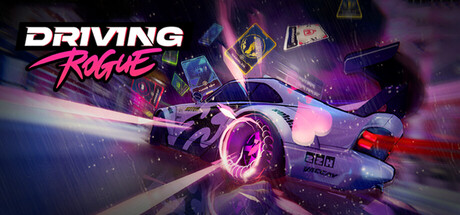
Driving Rogue is a card-driven roguelike arcade racer from developer Gravity Works, built around a loop that reviewers describe again and again with the same comparison: Balatro's deck-building run structure grafted onto a Need for Speed Underground-style arcade driving game. Runs task you with drifting, slipstreaming, and chaining near-misses through procedurally generated streets and traffic to build score combos, spending your earnings between runs on car upgrades, unlockable abilities, and stackable cards that push your build further, all while climbing the game's Redline rankings toward tense scripted boss duels. At $9.99, it launched after a lengthy public demo period stretching back to February 2026, arriving polished and content-complete enough that returning demo players describe the finished game as a clear step up from what they'd already spent hours with.
An Overwhelmingly Positive Launch
Driving Rogue launched to 32 reviews, 30 of them positive, for a 94% "Positive" score. Twenty-four of the thirty-one reviews sampled are in English, a solid majority that gives this review a genuinely representative read on the early audience. The reception here is about as clean as review pools get for a brand-new $9.99 indie release: enthusiastic, detailed, and consistent across a wide range of reviewers, including several who explicitly tracked the game's evolution through its extended demo period and describe the final release as meaningfully improved on nearly every front.
A Deeply Addictive Loop That Rewards Both Casual and Optimized Play
The praise across the review pool centers on how well the roguelike and racing halves of the game reinforce each other. One reviewer who "played the hell out of the demo" writes that the game "more than scratches that classic NFSU itch" and calls it "a seamless blend of roguelike replayability and arcade time/score attack racing," specifically praising how it "rewards thoughtfulness without losing accessibility" — you can relax with a custom playlist or min-max a build that "breaks the game or your car." Multiple reviewers independently reach for the same shorthand, calling it "Balatro but it's a racing game," and one puts it more bluntly still: "Car-latro goes brrr." A reviewer who identifies as a keyboard-only player and not typically a racing-game fan describes watching the handling model improve dramatically between the early demo and the finished release, saying she used to spend "half my time absolutely murdering the car against walls" but found the release version dramatically more approachable without losing depth. Reviewers consistently highlight the car customization, the boss-duel encounters as a tense change of pace from regular runs, strong Steam Deck performance, and the ability to load personal music playlists alongside the game's built-in "Simulator Radio" system. One reviewer summarizes the overall value proposition simply: "One of the best value-for-money indie racing games of 2026 without a shadow of a doubt... the overall quality is of a game 3x this price."
A Rough Interface, Thin Solo Co-Op Population, and Divisive Presentation
The criticism in this small pool is narrow but worth flagging directly, since it clusters on the same points from multiple independent voices. Several reviewers, including ones who otherwise recommend the game, call out the UI specifically as needing work — one writes "the UI could do with some tweaks, and the audio of some of the cars could be improved" while still describing those as "nitpicks" against an otherwise excellent package. The one detailed negative review in the English pool goes further on presentation, describing "the hideous UI, weird aesthetic choice for the cars, and the very very bad music" as dealbreakers despite conceding "the core game felt pretty good," a useful reminder that the game's stylized, retro-leaning visual identity won't land with everyone even among players who enjoy the underlying driving and card systems. On the multiplayer side, one reviewer flags that online co-op is functionally "dead right now unless you have friends" to bring along, an expected growing pain for a launch-week population but worth setting expectations around if public co-op matchmaking specifically is your draw. A Russian-language reviewer separately notes that the in-game radio doesn't work for them and finds the music underwhelming, echoing the audio concerns raised elsewhere in English. A second, more measured critical review describes the roguelike structure itself as a mixed bag rather than a straightforward win, likening the loop to "Drift City made a baby with Hades" but questioning whether repeated runs chasing the same best-time format do enough to justify themselves compared to other roguelikes, even while acknowledging the customization and co-op on offer and predicting the game could still "turn into a mega meta" once its systems are fully theory-crafted by dedicated players.
Verdict
Driving Rogue is a confident, extremely well-received debut that fuses roguelike deck-building with arcade racing in a way its early audience finds genuinely fresh rather than gimmicky, backed by a lengthy public demo period that clearly paid off in a more polished, better-handling final release. Its problems are real but contained: an interface multiple reviewers want refined, a car-audio and music package that splits opinion sharply, and an online co-op population that's thin without a group of friends to bring along at launch. At $9.99, with 94% of its early reviewers recommending it and repeated comparisons to genre favorites like Balatro and Need for Speed Underground, this is an easy recommendation for arcade racing and roguelike fans alike — just go in expecting a UI that needs a patch or two before it matches the quality of everything else around it.
Screenshots
-
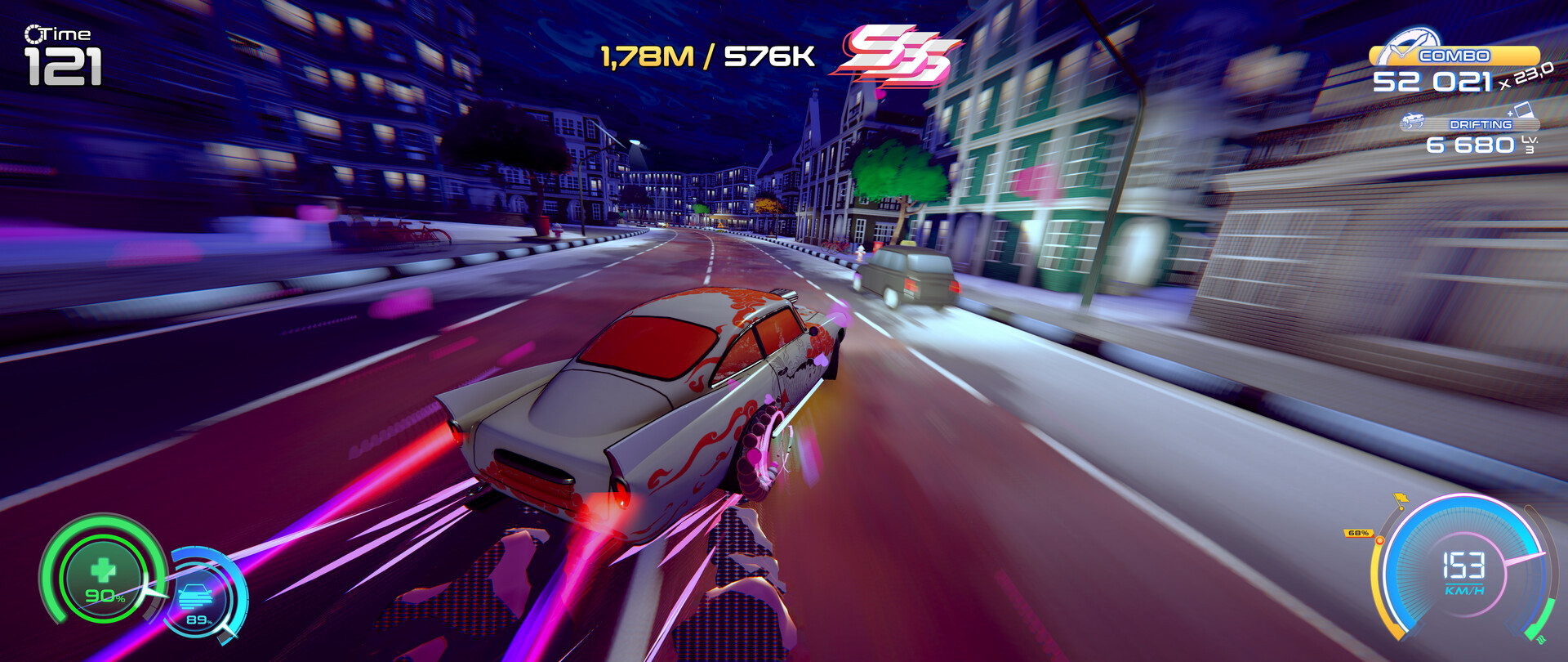
Chaining a drift combo through a nighttime street, with the run's score and speed readouts filling the HUDImage: Gravity Works via Steam -
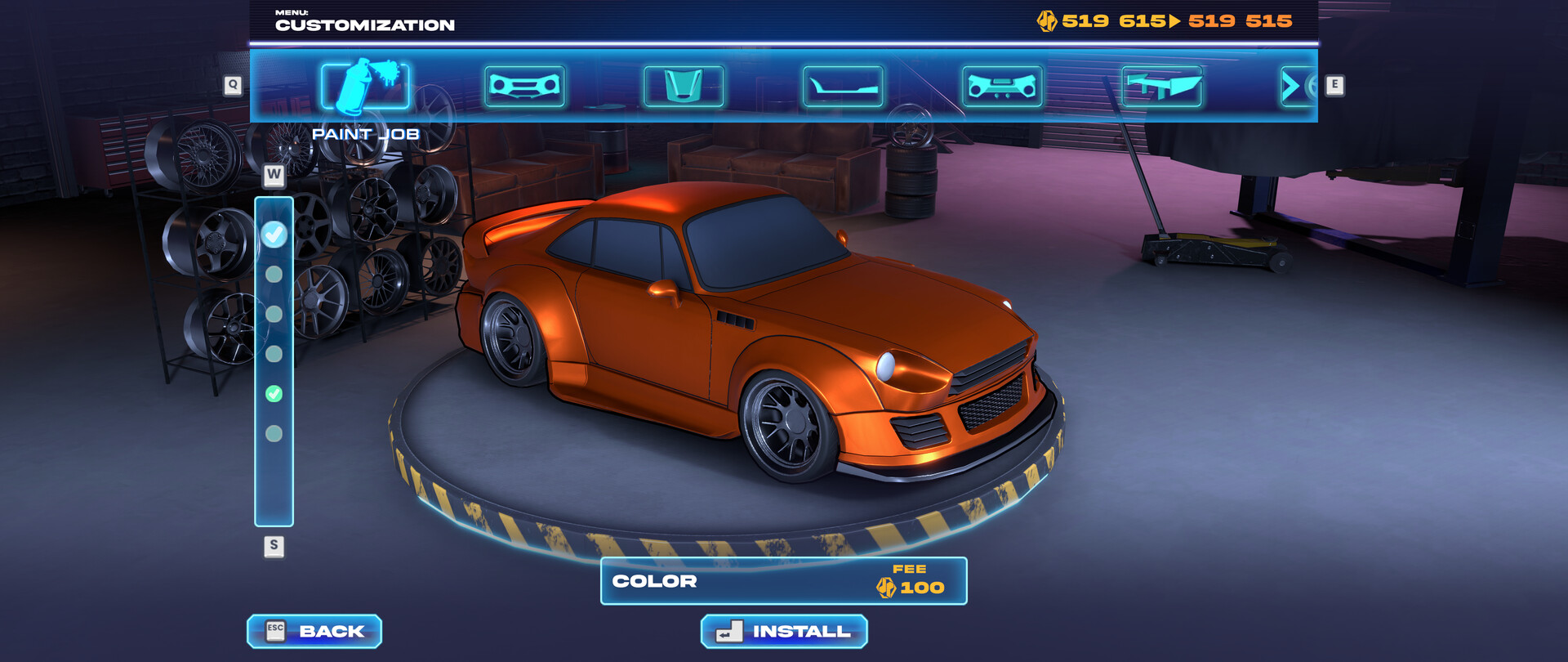
The garage customization screen, where earnings from runs get spent on paint jobs, wheels, and body upgradesImage: Gravity Works via Steam -
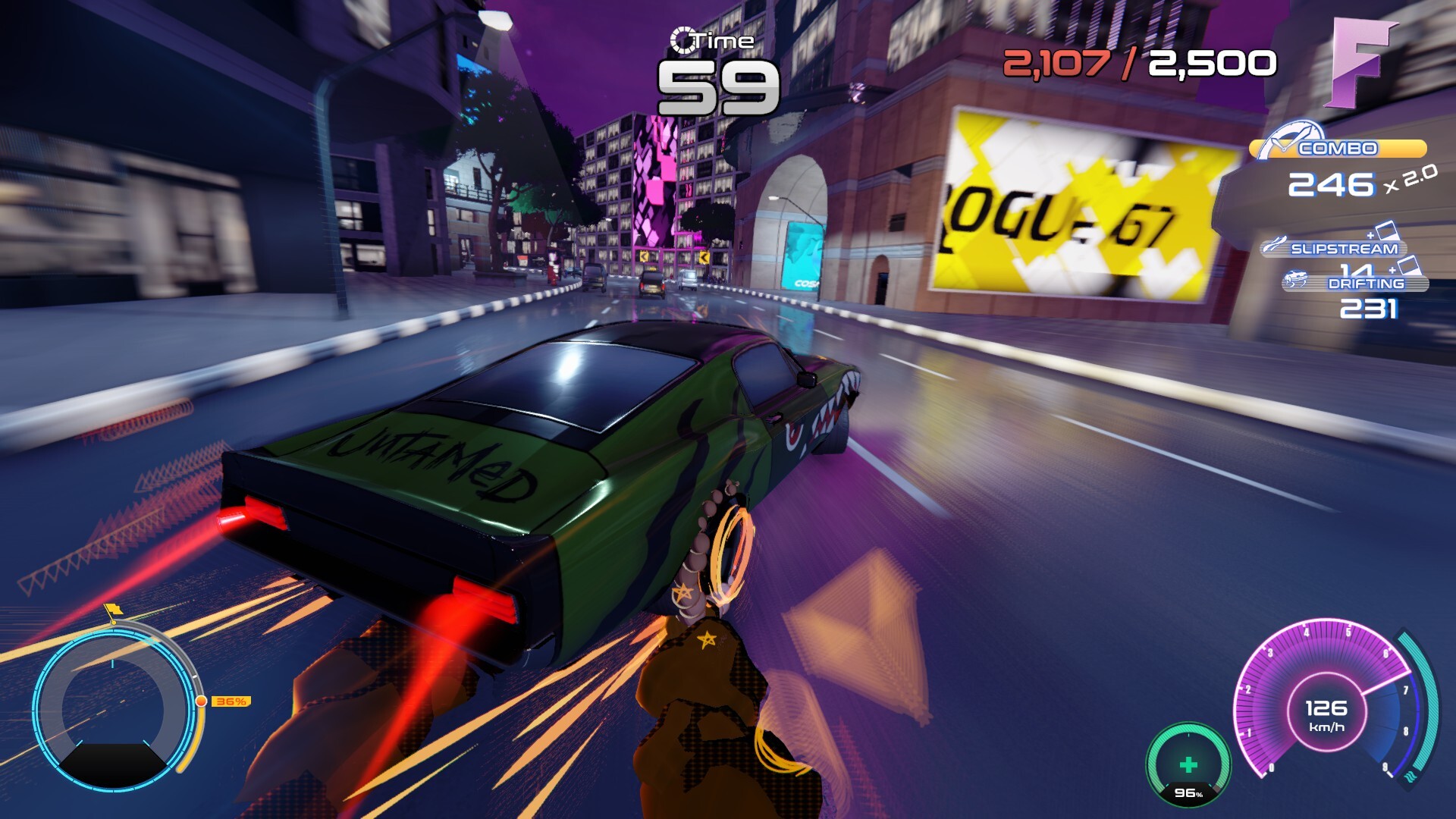
Racing a customized muscle car through the city at night while stacking slipstream and drift bonusesImage: Gravity Works via Steam