
Game review
Dread Trials
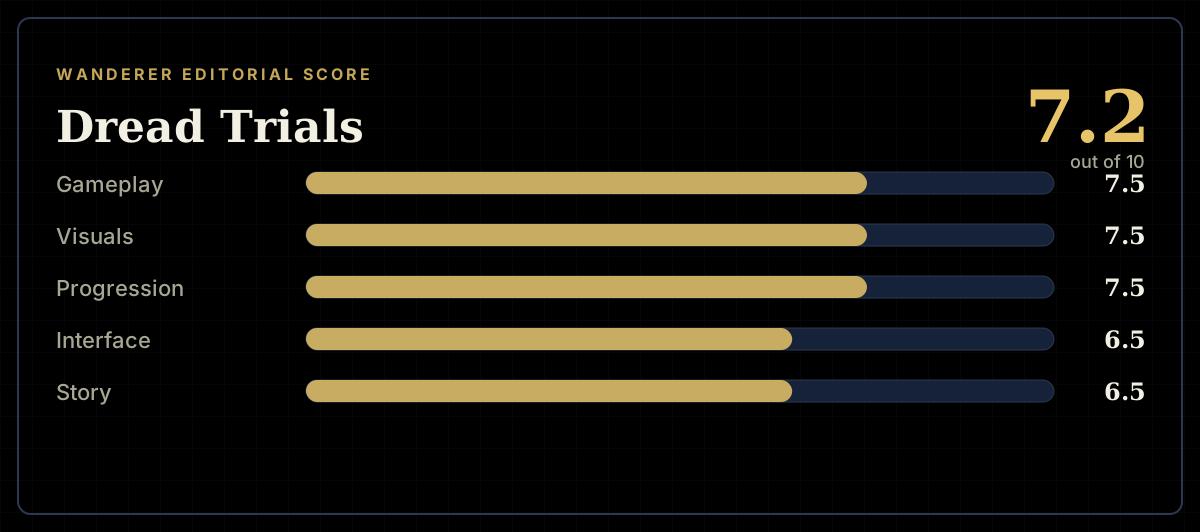
7.2 / 10
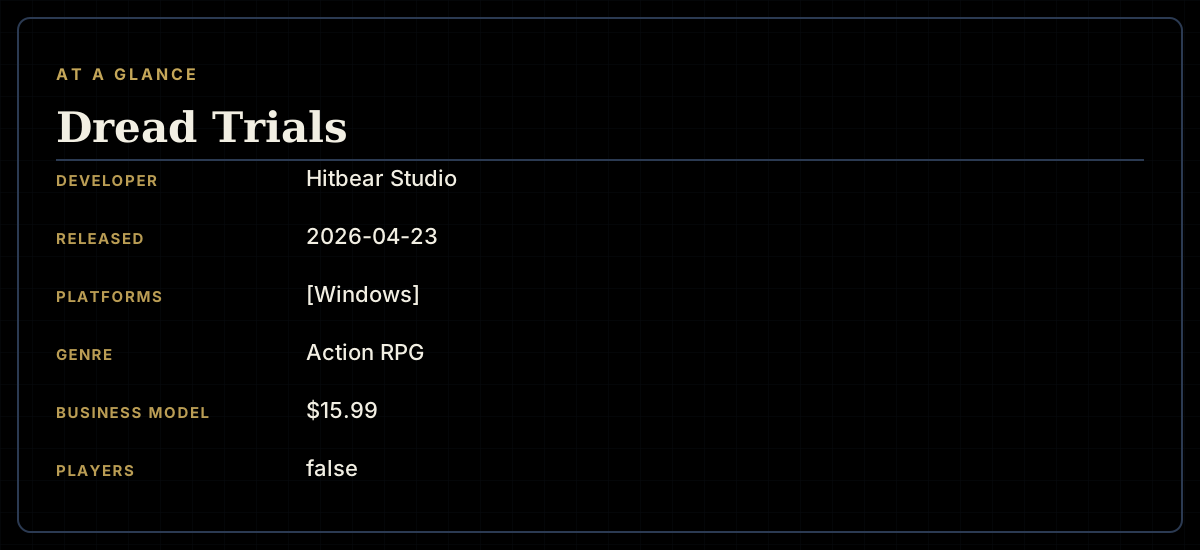
- Developer
- Hitbear Studio
- Publisher
- Hitbear Studio
- Released
- 23 April 2026
- Platforms
- [Windows]
- Genre
- Action RPG
- Monetisation
- $15.99
- Players
- false
The short version
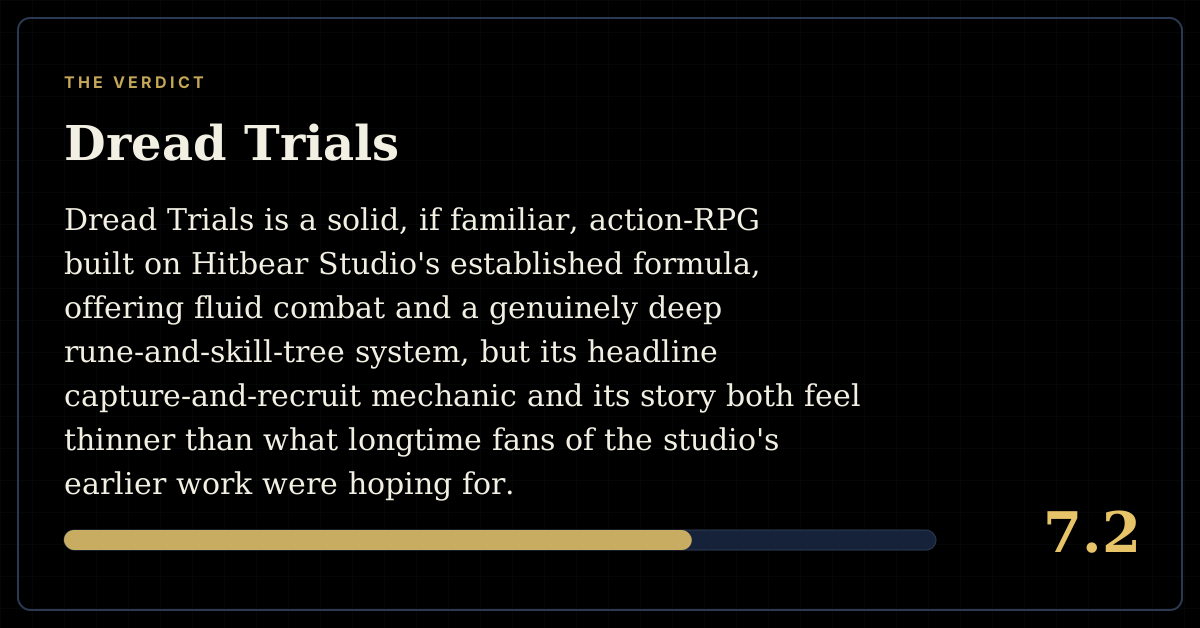
Dread Trials is a solid, if familiar, action-RPG built on Hitbear Studio's established formula, offering fluid combat and a genuinely deep rune-and-skill-tree system, but its headline capture-and-recruit mechanic and its story both feel thinner than what longtime fans of the studio's earlier work were hoping for.
Biggest strengths
- Fluid, responsive hack-and-slash combat with air combos and a rune-and-signet system that reviewers describe as offering real build variety
- A capture mechanic that lets you turn defeated humanoid enemies into loyal party allies, a hook several reviewers say is a genuine draw even in its current limited form
- A new, self-contained story that doesn't require familiarity with the earlier Eternal Dread games, praised by several reviewers as an accessible entry point
Biggest weaknesses
- The capture system only allows one prisoner to be held at a time, and few enemy types are actually humanoid and recruitable, leaving the mechanic feeling underdeveloped relative to its billing
- Longtime series fans report a step back from Eternal Dread 3 in several areas, including fewer unique defeat animations and reduced character customization options
- No free save system, forcing players to travel back to a teleport point or town to save progress
Who it's for: Fans of hack-and-slash action-RPGs with build customization, especially returning players of Hitbear Studio's Eternal Dread series who don't mind a lighter, less grim new story.
Our recommendation: Buy it on sale
7.2 / 10
A century of war, a new story
Dread Trials, released April 23, 2026 by solo Chinese developer and publisher Hitbear Studio, is a standalone action-RPG spin-off of the studio's established Eternal Dread series. Rather than continuing that series' storyline, it drops players into a new, self-contained tale set in a kingdom bled dry of men by a century-long war, where the women left behind must take up arms to defend their homes. Reviewers who came in cold on the series generally describe it as an easy entry point, while longtime fans note explicitly that it doesn't connect to the earlier games' plot. It launched to a Very Positive reception, 184 reviews, roughly 83%.
Combat that lands, builds that go deep
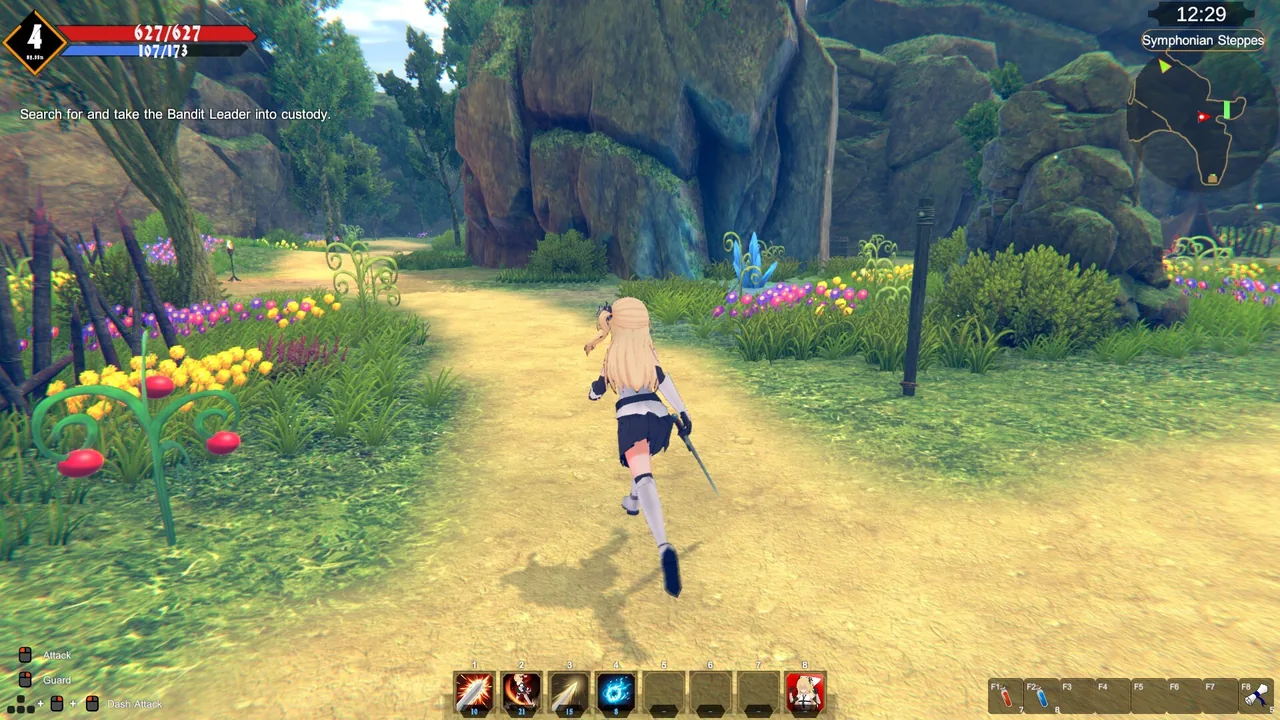
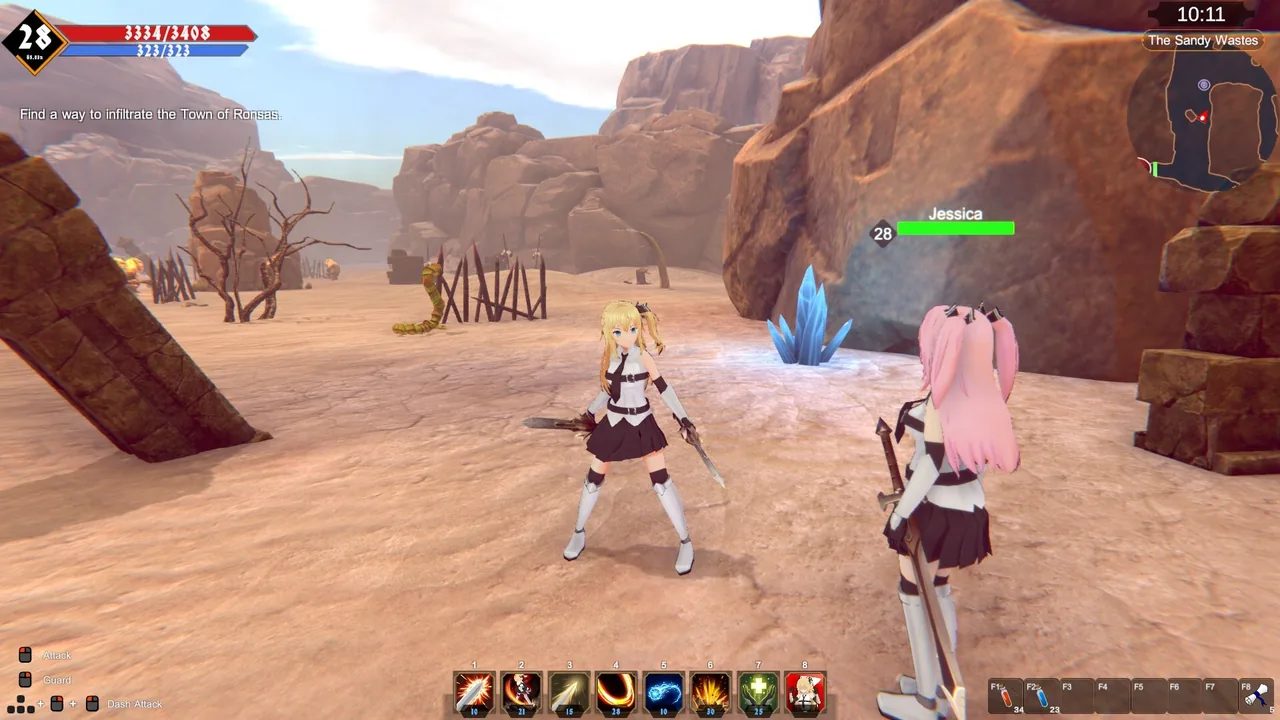
The core hack-and-slash combat is the most consistently praised element of the review sample. Reviewers describe air combos, dash attacks, and a smooth, responsive moveset that holds up across a roughly ten-to-fifteen-hour campaign. Underneath that sits a genuinely deep customization layer: skills drawn from four overlapping combat styles can each be slotted with runes and signets pulled from a shared pool, letting players chase specific builds, from crowd-control mages who chain storms and shields to melee bruisers who stack cooldown reduction. Several reviewers who otherwise have complaints about the game single out this system as reason enough to keep playing through to the end.
A capture hook that doesn't go far enough
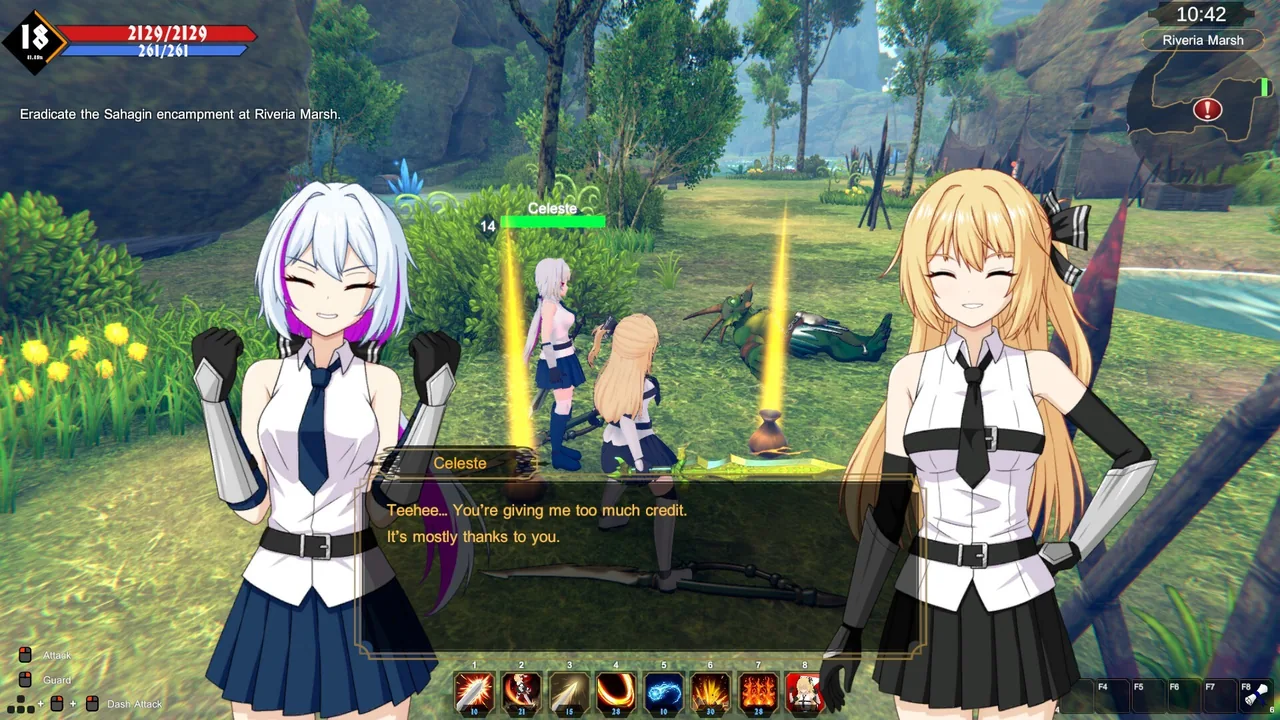
Dread Trials' headline new mechanic lets players subdue defeated enemies in battle rather than killing them, then bring them back to town to either sell, imprison, or win over as a party ally through repeated interaction. It's the feature reviewers mention most often, and also the one that draws the most disappointment. The system only allows a player to hold one prisoner at a time, and the pool of enemies that can actually be captured turns out to be small, since the large majority of the game's roster is non-humanoid and therefore ineligible. Multiple reviewers who bought the game specifically for this mechanic describe it as feeling shallow once the novelty wears off, with little meaningful interaction or dialogue offered once an ally joins the party.
A step back for series veterans
A recurring thread among players who'd previously put dozens of hours into Eternal Dread 3 is that Dread Trials feels like a smaller, more compressed follow-up in several specific ways: fewer unique enemy-defeat animations, reduced character-customization options such as eye color, and a merged class system that some find less flexible than the previous game's separate profession trees. One detailed negative review goes further, arguing the game reuses player models and combat systems closely enough from the "Eternal Dread" games that a blind side-by-side would be hard to tell apart, and suggesting the asset overlap outweighs the new story dressed on top. That view is a minority position in the sample, most reviewers who reference the earlier games call this one an improvement in combat feel even while agreeing some content was trimmed, but it's a consistent enough complaint to be worth flagging for anyone coming from the series' prior entries expecting a straightforward step up.
Save points, not saves anywhere
A practical complaint raised by several reviewers is the lack of a free save option. Progress can only be saved by returning to a town or a discovered teleport point, which means stepping away mid-dungeon risks losing recent progress unless a player backtracks first. It's a small friction point in an otherwise convenience-minded design, but it's mentioned often enough in the negative review sample to be a real one.
Jump scares of the platforming kind
Several reviewers single out specific platforming sections, most notably an icy area with slippery jump timing, as unfair relative to the rest of the game's difficulty curve, with missed jumps sending players back to retry lengthy sequences. It's a narrow complaint scoped to a handful of areas rather than a systemic issue, but it stands out precisely because the combat and traversal are otherwise well-tuned.
Presentation and tone
Reviewers across multiple languages praise the character art and environment design as strong for the price and for a small studio's output, and the soundtrack draws specific compliments for varying meaningfully between locations. Dread Trials leans into a bondage-and-capture aesthetic drawn from the same tradition as its predecessors, without depicting explicit content, a choice some reviewers who came for the earlier games' more explicit tone found disappointing, while others appreciated that the game keeps its content all-ages while still delivering the capture-and-subdue fantasy its marketing promises.
Value at $15.99
Most reviewers treat $15.99 as reasonable for the roughly ten-to-fifteen-hour campaign and the build variety on offer, several specifically framing it as good value next to bigger-budget action-RPGs. A smaller group, mostly longtime series fans, argue the trimmed content relative to Eternal Dread 3 makes the asking price feel steep for what's delivered, and recommend waiting for a discount if you've already played the earlier games and know roughly what to expect.
Who should take up arms
Dread Trials suits players who enjoy hack-and-slash action-RPGs with genuine build depth and don't need every mechanic fully fleshed out to enjoy the ride, particularly newcomers without prior attachment to the Eternal Dread series. Longtime fans of that series should go in with tempered expectations around content scope, and anyone hoping the capture system would be a deep recruitment mechanic in its own right will likely come away wanting more.
The verdict
Dread Trials backs up a fluid combat system and a genuinely rewarding rune-and-skill-tree setup with a capture mechanic that promises more than it delivers and a story that plays it safer than some fans wanted. It's a competent, good-looking action-RPG at a fair price, just not the clear step forward its predecessor's fans may have been hoping for.
Pros and cons
Pros
- Fluid, responsive hack-and-slash combat with air combos and a rune-and-signet system that reviewers describe as offering real build variety
- A capture mechanic that lets you turn defeated humanoid enemies into loyal party allies, a hook several reviewers say is a genuine draw even in its current limited form
- A new, self-contained story that doesn't require familiarity with the earlier Eternal Dread games, praised by several reviewers as an accessible entry point
- Strong presentation for the price, with reviewers repeatedly calling the character art and environment design impressive for a small studio
Cons
- The capture system only allows one prisoner to be held at a time, and few enemy types are actually humanoid and recruitable, leaving the mechanic feeling underdeveloped relative to its billing
- Longtime series fans report a step back from Eternal Dread 3 in several areas, including fewer unique defeat animations and reduced character customization options
- No free save system, forcing players to travel back to a teleport point or town to save progress
- A handful of platforming sections, particularly around icy terrain, that several reviewers single out as unfair and frustrating
Screenshots
-
Dread TrialsImage: Hitbear Studio via Steam -
Dread TrialsImage: Hitbear Studio via Steam -
Dread TrialsImage: Hitbear Studio via Steam -
How the review scores each part of the gameWanderer Editorial -
Key facts at a glanceWanderer Editorial -
The short versionWanderer Editorial