Game review
Disney Dreamlight Valley
7 / 10
- Developer
- Gameloft
- Publisher
- Gameloft
- Released
- 6 September 2022
- Platforms
- Windows, PlayStation 5, PlayStation 4, Xbox Series X|S, Xbox One, Nintendo Switch
- Genre
- Life Sim
- Monetisation
- Buy-to-play base game with a real-money premium currency (Moonstones), an optional seasonal Star Path pass, and multiple paid story/area DLC expansions priced individually up to roughly NZ$44 each.
- Players
- Visiting and playing in a friend's valley is supported, though it is a secondary mode layered on top of what is fundamentally a single-player game.
The short version
Disney Dreamlight Valley is, mechanically, a well-crafted farming-and-friendship life-sim wrapped around a genuinely irresistible hook: wandering a cottagecore valley alongside Mickey, Scrooge McDuck, WALL-E and dozens of other Disney and Pixar characters, each with real writing and side quests built around their own franchise. That hook earns it a Very Positive score and thousands of players logging hundreds of hours. What keeps it from scoring higher is a monetisation story that is impossible to leave out honestly: Gameloft told Early Access buyers the finished game would go free-to-play, then formally announced in 2023 that it would remain a paid game indefinitely — on top of a premium currency shop and DLC expansions that, several buyers point out, can individually cost more than the base game they're attached to.
Biggest strengths
- Genuinely well-written character content — each Disney and Pixar star gets real dialogue and quests rooted in their own franchise, not a reskin
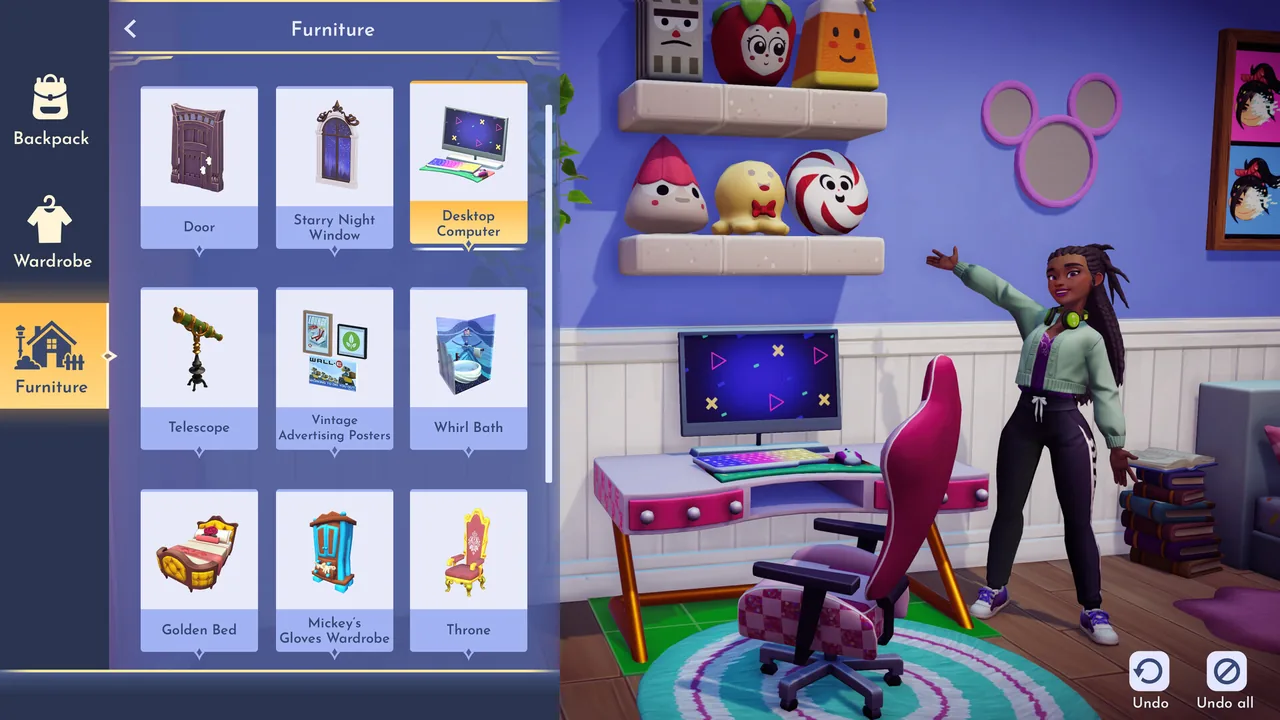
- Character customisation and valley-decorating tools are deep enough that reviewers across very different demographics single them out
- A broad mix of farming, fishing, cooking, crafting and exploration systems that reinforce each other rather than sitting in isolation
Biggest weaknesses
- Gameloft publicly promised a free-to-play release, then formally reversed that decision in 2023 — a well-documented reversal, not a rumor
- A real-money premium currency (Moonstones) and premium shop sit alongside a buy-to-play base price, which several long-time supporters call a double charge
- Individual DLC expansions can cost more than the base game itself, and there are multiple of them
Who it's for: Disney and Pixar fans of any age looking for a cozy, well-written life-sim, and anyone who enjoyed Animal Crossing or Stardew Valley and wants a licensed take with genuine writing behind each character. Go in accepting the full price is the price — it will not become free later.
Our recommendation: A good game with a legitimately soured business story attached. Worth buying if the Disney hook appeals to you and you're comfortable paying full price for what was pitched, for over a year, as an eventually-free release — just budget for the DLC separately if you want the additional realms.
7 / 10
"As a 34-year-old male, this game finally gives me the ability to live out my dream of being a Disney Princess." That review has over 2,300 upvotes, and it captures something true about Disney Dreamlight Valley that no amount of monetisation controversy erases: the core appeal is real, and it lands with people who wouldn't have expected it to. What also has to be said, with equal weight, is that Gameloft told the people who bought into that dream during Early Access a specific thing about where their money was going — and then didn't deliver on it.
The game Gameloft actually built
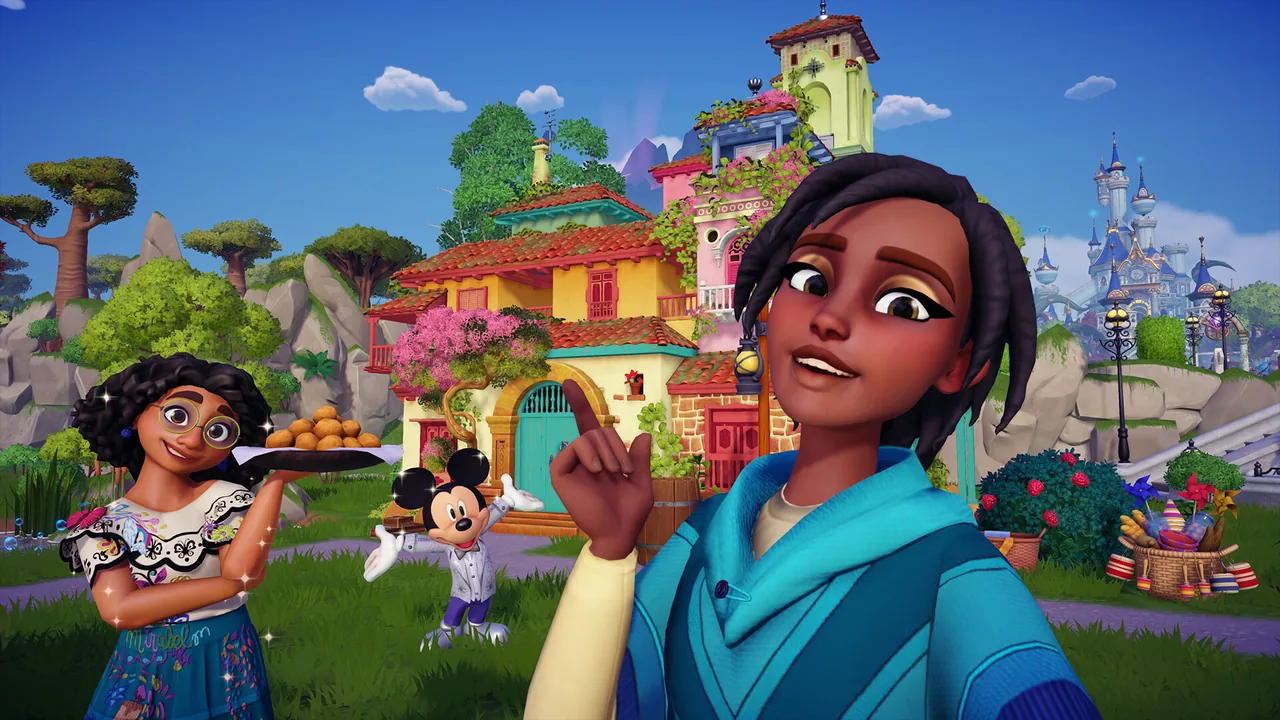
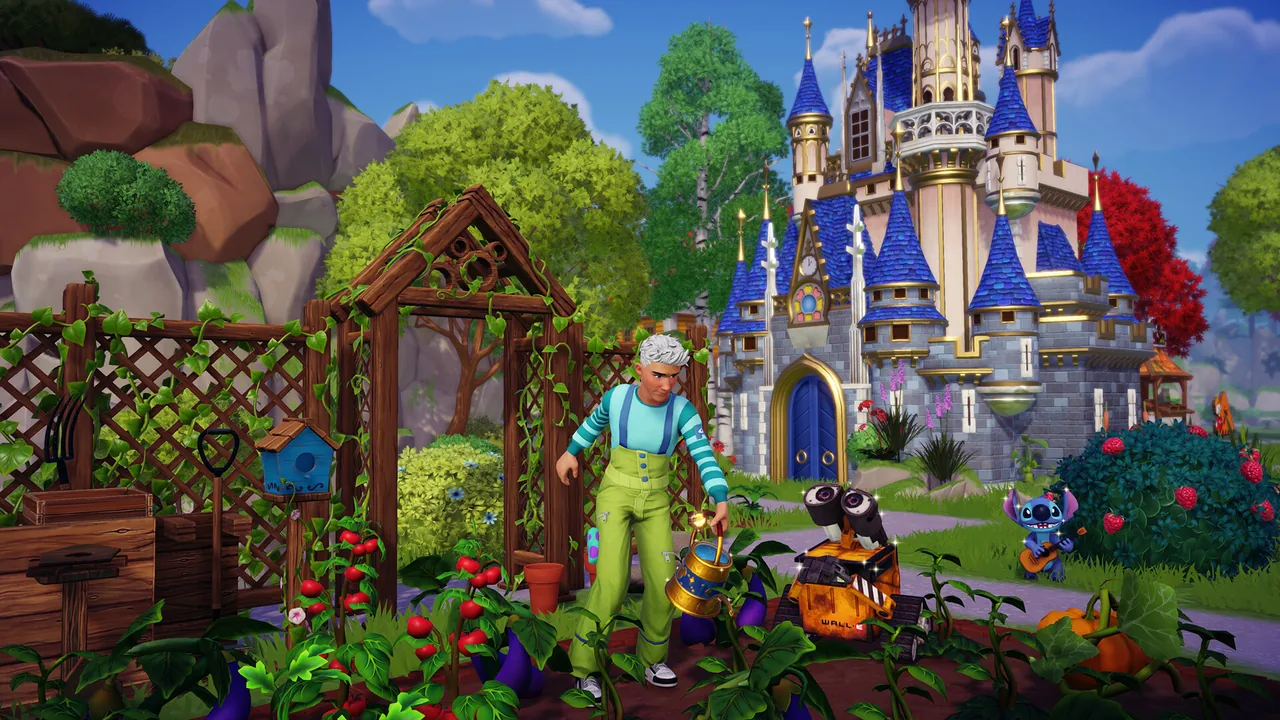
Strip away the Disney branding and Dreamlight Valley runs on the same bones as Animal Crossing or Stardew Valley: clear rubble, plant crops, fish, cook, decorate, befriend your neighbours, unlock more of the map. What makes it distinct is the density and quality of what's layered on top of that structure. Every unlocked Disney or Pixar character — Scrooge McDuck, WALL-E, Mother Gothel, Moana, dozens more — comes with quests genuinely written around their own story rather than generic fetch text with a familiar face attached, and the "realms" you unlock are themed environments pulled directly from each character's film. Reviewers across a striking range of ages and backgrounds single out the same things: the character writing feels earned rather than licensed-in-name-only, the valley-decorating and customisation tools go deeper than the cute art style suggests, and the loop of farming-fishing-cooking-crafting reinforces itself well enough that no single system feels like padding.
The broad appeal shows in who's recommending it. Alongside the expected Disney-adult audience are reviews from self-described 40-year-old men with no kids, reviewers gifting it to spouses who then buy their own copy, and one player logging over 3,600 hours calling it the game that "got me hooked" despite not expecting to be. That's not a niche audience finding what it wanted — that's a well-made cozy game working on people who didn't think the premise was for them.
The promise, and the reversal, in the game's own words
Here's the part that can't honestly be left out of a review of this game: during Early Access, Gameloft told buyers Disney Dreamlight Valley would go free-to-play once it left Early Access. That wasn't a rumor players invented — it was widely reported by outlets including Variety, Shacknews and Video Games Chronicle, and Gameloft confirmed the reversal directly in an update post on the game's own website ahead of the December 2023 launch, stating the team had decided "to remain a paid game for the foreseeable future" to "continue delivering on a premium game experience for all players."
That statement is the difference between a rumor and a documented fact, and it's why the resulting backlash carries real weight rather than reading as entitled griping. The most-upvoted negative review of the game, at 938 votes, asks plainly why "the DLC costs MORE than the base game." Another, at 866 votes, is blunter: "you lot swore it would be FREE TO PLAY eventually, buy this version to 'support the devs / get cool stuff' — I paid seventy USD." A third, from a player with over 2,150 hours logged, frames the cost differently but arrives at the same place: "This game cost me $100 to support it," written with clear affection for the game itself sitting right next to genuine buyer's remorse about how much of that affection got monetised.
What the shop actually costs
The numbers back up the complaints rather than just gesturing at them. The base game runs NZ$58.40 on Steam. On top of that sit individually-priced DLC expansions — A Rift in Time and Wishblossom Ranch each list at roughly NZ$44, with others in the NZ$27-44 range — plus a real-money Moonstone currency feeding a rotating premium cosmetic shop that one widely-quoted 2023 review, at 608 votes, calls out specifically for charging "upwards of $20 for 3-4" cosmetic items in a single shop rotation. A player who wants the base game and every expansion currently available is realistically looking at well over NZ$150 total, on a game whose Early Access pitch explicitly promised most of that would eventually be free.
None of this makes the underlying systems predatory in the way a gacha or energy-timer mobile game is — there's no pay-to-progress mechanic gating core content, and the premium shop sells cosmetics, not power. But "not predatory" and "delivered on what was promised" are different bars, and Dreamlight Valley clears the first while missing the second, which is exactly the distinction the highest-voted reviews are making.
Recent sentiment has moved past the reversal, mostly
The controversy peaked hard in December 2023 and through 2024, which is when most of the highest-vote negative reviews cluster. Pulling the 100 most recent English reviews — all from 2026 — shows sentiment sitting at 91% positive, essentially identical to the 91.3% lifetime English figure, and direct mentions of the free-to-play promise appear in barely any of them. The DLC pricing still comes up occasionally, but it no longer dominates the conversation the way it did at launch. Read plainly: the reversal did real, lasting reputational damage that shows up permanently in the most-upvoted reviews anyone will see first, but it hasn't kept new players from generally liking the game they actually bought.
Presentation and who it's built for
Visually, Dreamlight Valley leans into a soft, storybook-cottagecore art style rather than trying to recreate any single Disney film's look, which lets characters from wildly different eras and animation styles — Scrooge McDuck's 1980s design next to WALL-E's 2000s Pixar model — share a valley without looking like a mismatched crossover. It reads as a deliberate, successful choice rather than a budget compromise. The storefront's accessibility categories back up what reviewers describe in practice: full controller support across console and PC, subtitle options, adjustable camera comfort settings, and the ability to play major systems without timed input pressure. That combination shows up directly in who's recommending the game — parents playing alongside young kids, older players who don't consider themselves gamers, and everyone in between describe getting through the core loop without friction, which is a real accessibility win a lot of licensed games don't bother chasing.
Where the ordinary complaints sit
Away from the business-model story, the most common design complaint is that later-game quests lean too heavily on repetitive fetch tasks rather than developing character relationships further, which a handful of long-time players cite as the point where the loop stops feeling fresh. It's a familiar life-sim critique rather than anything specific to this game, and it doesn't undercut the strength of the early-to-mid game content that draws most of the praise.
Verdict
Judge the game Gameloft built and it's genuinely good — thoughtfully written, broadly appealing, and regularly updated with free content since 2022. Judge the business practice around it and there's a documented, company-confirmed reversal of a specific promise that shaped how a lot of its earliest and most invested players now talk about it, years later. A 7 reflects both of those things honestly: buy it for what it actually is today, at the price it actually costs today, and don't buy it expecting the free-to-play release its own Early Access pitch once promised — that offer is closed, officially, in Gameloft's own words.
Pros and cons
Pros
- Genuinely well-written character content — each Disney and Pixar star gets real dialogue and quests rooted in their own franchise, not a reskin
- Character customisation and valley-decorating tools are deep enough that reviewers across very different demographics single them out
- A broad mix of farming, fishing, cooking, crafting and exploration systems that reinforce each other rather than sitting in isolation
- Regular free content updates have kept the base game growing since 2022 without requiring every addition to be purchased
- Approachable difficulty and pacing that reviewers repeatedly describe as suited to a wide range of ages
Cons
- Gameloft publicly promised a free-to-play release, then formally reversed that decision in 2023 — a well-documented reversal, not a rumor
- A real-money premium currency (Moonstones) and premium shop sit alongside a buy-to-play base price, which several long-time supporters call a double charge
- Individual DLC expansions can cost more than the base game itself, and there are multiple of them
- Some quests are criticized as repetitive fetch tasks that pad playtime rather than develop character relationships further
- Multiplayer is a secondary visiting mode rather than genuine shared progression
Screenshots
-
Disney Dreamlight ValleyImage: Gameloft via Steam -
Disney Dreamlight ValleyImage: Gameloft via Steam -
Disney Dreamlight ValleyImage: Gameloft via Steam -
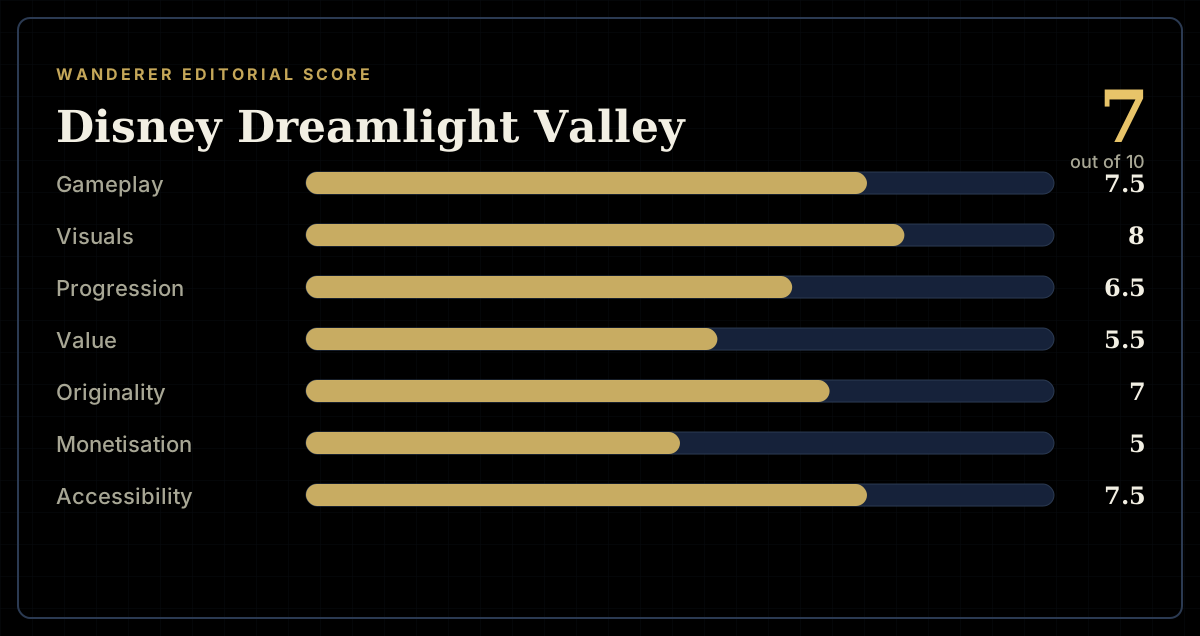
How the review scores each part of the gameWanderer Editorial -
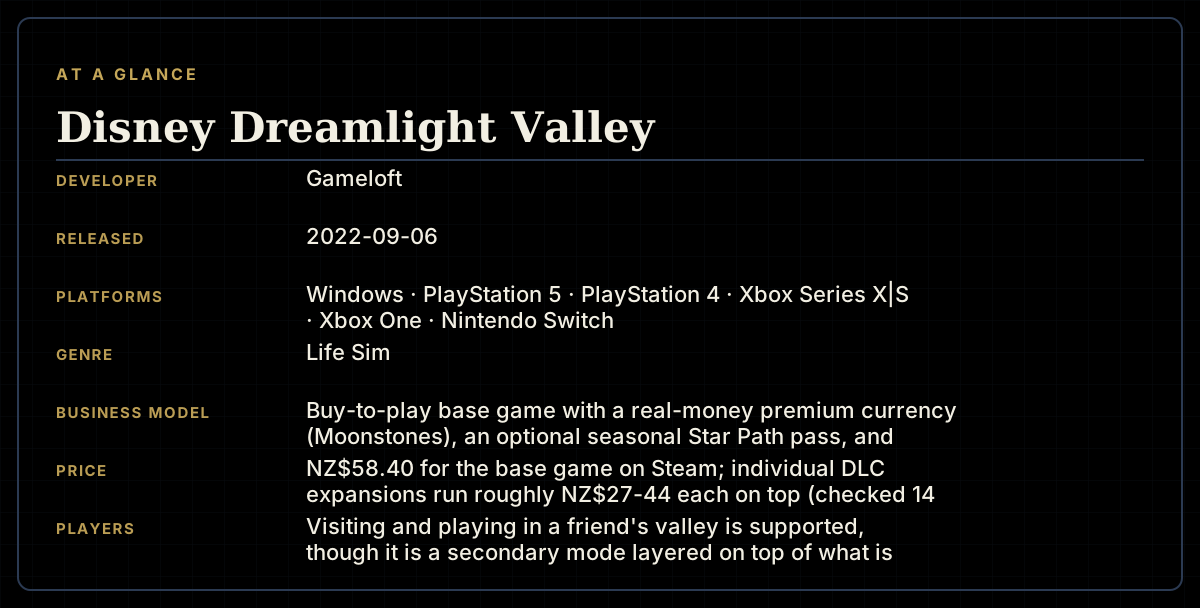
The specsWanderer Editorial -
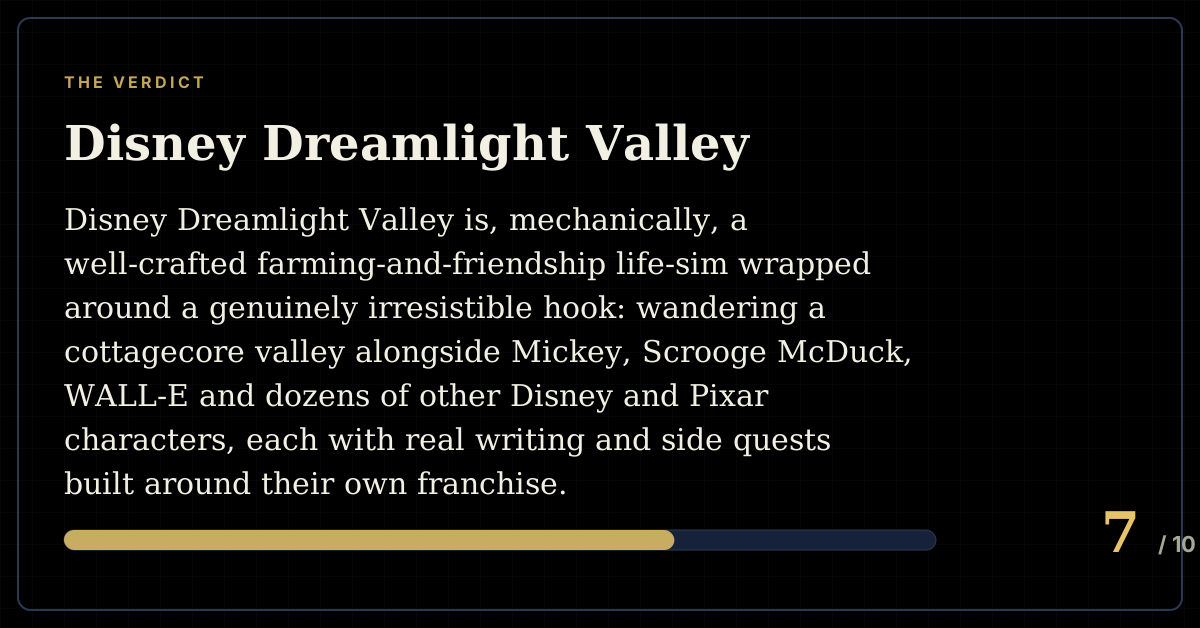
The short versionWanderer Editorial