
Game review
Dicement Review
7 / 10
- Developer
- Voidtick
- Publisher
- Voidtick
- Released
- 10 March 2026
- Platforms
- ["Windows", "macOS"]
- Genre
- Puzzle
A Cheap, Small Sokoban Variant Built Around Pushing Dice Instead Of Boxes
Dicement, developed and published by solo studio Voidtick, released on Steam on March 10, 2026, at $2.99. It takes the classic Sokoban formula of pushing objects around a grid and replaces the boxes with dice, whose faces and values matter, and whose numbers must line up correctly with special slots that carry their own conditions. Across all 10 English reviews read in full here, meeting this review's minimum sample for a title this small, every single one of them positive, out of an all-language pool of 19 reviews sitting at 100% positive, "Positive" on Steam's own scale, the reaction is uniformly warm, if often expressed in just a sentence or two rather than a detailed breakdown, which is itself a fair reflection of how modest and unpretentious this release is.
Reviewers Consistently Describe A Real, Satisfying Challenge Underneath The Cute Presentation
Despite its low price and minimalist look, this small pool agrees the puzzles themselves bite harder than the presentation suggests. "Enjoyed this puzzle game. Don't expect something super easy - this game is quite challenging (3rd level be like: 🤯). Strongly recommended if you'd like to test your logic and problem-solving skills," wrote one reviewer. Another called it "a stylish and enjoyable puzzle game that gives your brain a nice workout. Don't expect easy solutions - it requires careful thinking. A great way to reset your mind between work tasks." A third, evidently a returning Sokoban fan, put the appeal simply: "I love sokoban. This adds new twists to that. Great fun that had me scratching my head a few times!" None of these reviewers describe the difficulty as unfair or poorly telegraphed, the way some puzzle games draw complaints for obtuse logic; instead, the pool's shared framing is that Dicement earns its difficulty honestly, through the interaction of its dice-value and slot-condition mechanics rather than through any kind of trick or unclear signaling.
The Dice-Based Twist On A Familiar Formula Reads As Genuinely Additive, Not Just A Skin
Reviewers who identify as existing fans of the Sokoban genre specifically credit the dice mechanic with making the format feel fresh rather than recycled. One reviewer playing with their two children, ages 6 and 10, described the appeal in practical terms: "My kids are both having fun with this game, though naturally the 10yo is making faster progress. It's fun and gets them thinking about numbers and sokoban puzzles." According to the game's own store page, Dicement is built from 50 handcrafted levels split into sections that each introduce new mechanics, magnets, cloning, slot connections, and dice modifiers, layered progressively across an estimated 2 to 3 hours of play, and reviewers who mention the game's structure back this progression up: one called it "an interesting way of introducing new mechanics without obvious onboarding," describing the game's implicit, learn-by-doing teaching style as a strength rather than a gap. Combined with instant, limitless undo, the format reads as a considered, if compact, riff on a decades-old genre rather than a superficial reskin of it.
A Small, Practical Complaint: No Way To Track Separate Progress For Multiple Players
The one specific, actionable critique in this review pool comes from the same reviewer playing with their kids, who flagged a real gap for anyone using the game the way they were: "My only (minor) complaint is that it doesn't let you track progress separately for multiple players, so I have to keep track on a piece of paper. Still, definitely recommended." It's a narrow complaint, relevant mainly to households sharing one save file across multiple people, but it's a concrete, specific gap rather than a vague gripe, and worth naming for exactly the audience it affects. No other reviewer in this pool raised a comparable structural complaint, which, for a $2.99 puzzle game from a solo developer, is a modest list of rough edges to end up with.
Reviewers Are Candid That This Won't Compete With Bigger, Pricier Puzzle Games, And Are Fine With That
A recurring, almost self-aware thread among this pool is a willingness to grade Dicement against its price rather than against genre giants. "Good game! Doesn't stand with the big leagues in terms of quality or difficulty, but well worth the 3 dollar," wrote one reviewer, a framing echoed by the overall tone of the pool: nobody claims this is an essential, must-own puzzle game, but nobody treats that as a real knock against it either. Presentation gets a handful of specific compliments too, "nice artwork and animations," "stylish," and "minimalistic visuals" per the developer's own feature list, suggesting the small scope extends to a deliberately pared-down aesthetic rather than a lack of polish.
A Short, Modest Package That Delivers Exactly What It Promises
Taken together, this is a small game that neither over-promises nor under-delivers: 50 handcrafted levels, 2 to 3 hours long, built around a single well-executed twist on a familiar genre, sold at a price that matches its scope. Several reviewers logged playtimes well beyond the game's own 2-to-3-hour estimate (up to 13 hours in one case), suggesting the difficulty curve genuinely holds attention rather than being padded filler, and the complete absence of negative reviews across both the English and all-language pools, thin as some individual reviews are, still adds up to a consistent signal that this is a competently made, honestly priced puzzle game doing exactly what it sets out to do.
Verdict
Dicement is a small, cheap, and quietly confident Sokoban variant that earns its praise by taking a familiar pushing-puzzle formula and giving it a genuinely additive twist in the form of dice values and slot conditions, layered across 50 handcrafted levels that reviewers describe as legitimately challenging rather than unfairly opaque. Its ambitions are modest and its one concrete complaint, no separate progress tracking for multiple players sharing a save, affects a narrow slice of its audience rather than the whole one. At $2.99 for 2 to 3 hours of real puzzle-solving, reviewers are unanimous that it delivers comfortably more than its price tag asks for, and this review agrees: a small, easy recommendation for Sokoban fans and casual puzzle players alike.
Screenshots
-
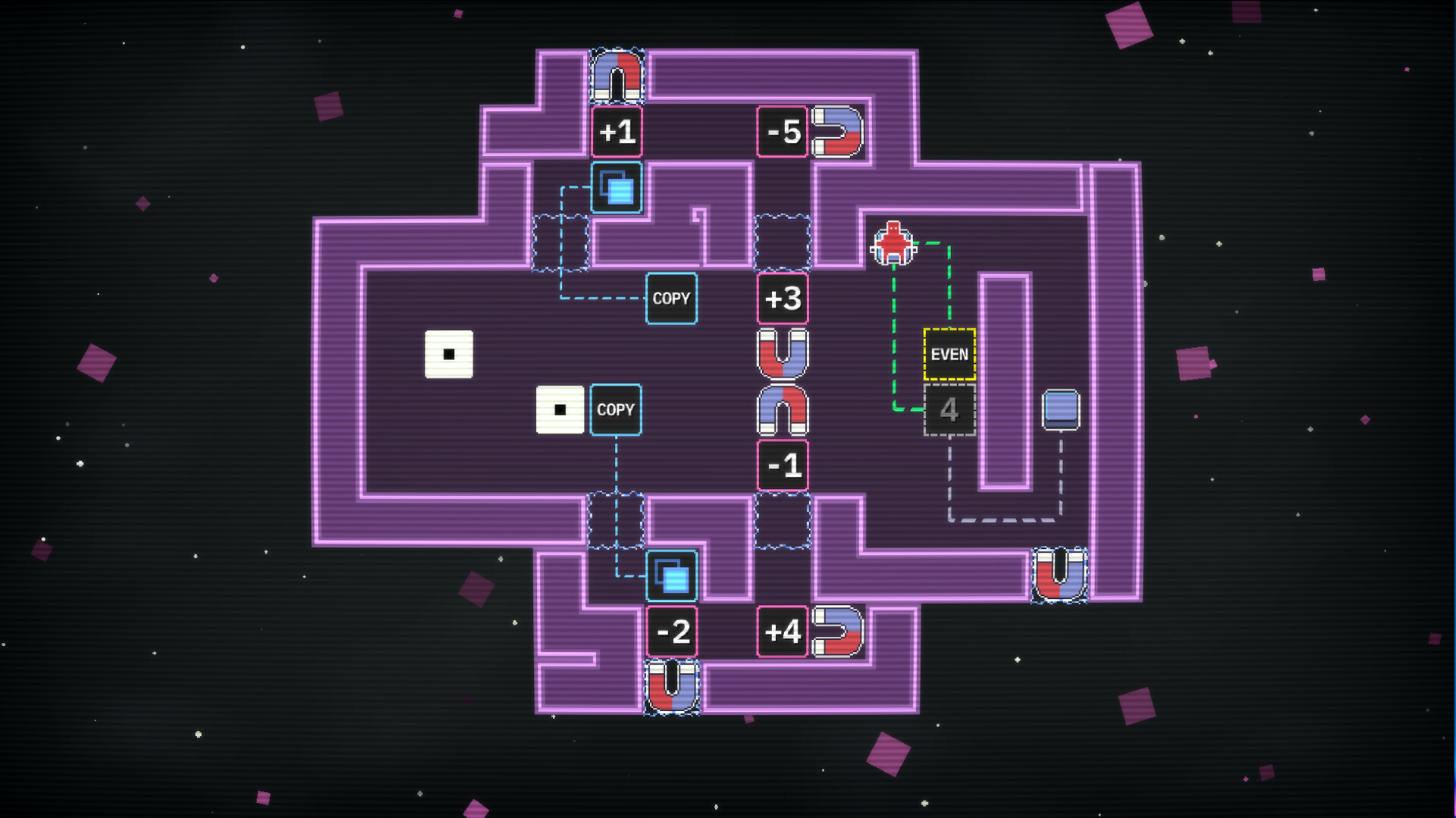
A mid-game puzzle level, dice-value modifiers, magnets, and copy tiles all layered into one maze, the kind of combined mechanic reviewers said adds real bite.Image: Voidtick via Steam -
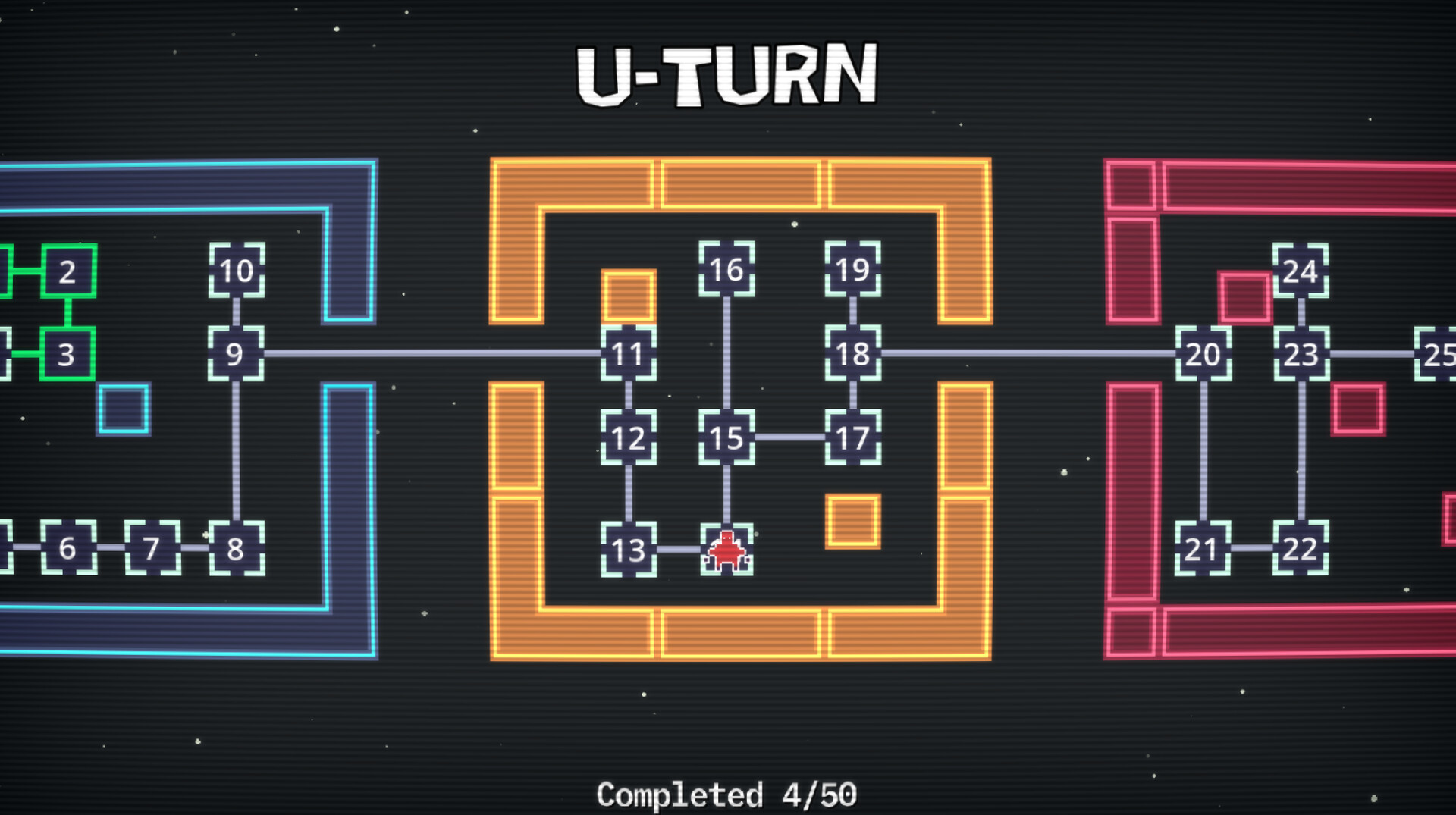
The level-select map, one of several worlds guiding players through the game's 50 handcrafted puzzles in progressively themed sections.Image: Voidtick via Steam -
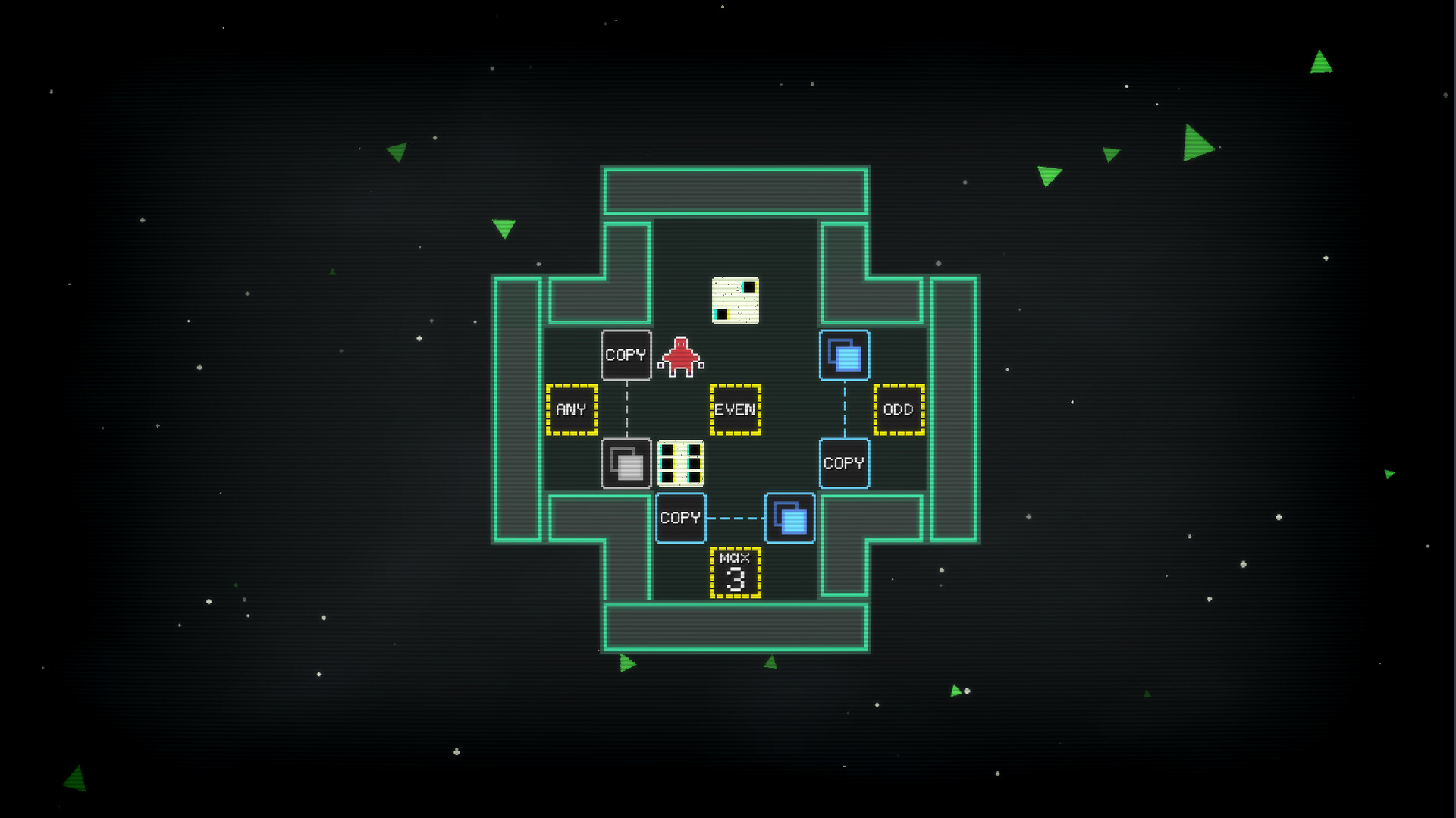
A puzzle built around slot conditions like ANY, EVEN, ODD, and a numeric cap, the specific condition-matching logic reviewers pointed to as genuinely challenging.Image: Voidtick via Steam