Game review
Deliria
4.5 / 10
- Developer
- Linesway
- Publisher
- Linesway
- Released
- 2 September 2026
- Platforms
- Windows
- Genre
- Action, Adventure, Indie
- Monetisation
- One-time purchase, no in-game purchases listed
- Players
- Online multiplayer, infinite sandbox
The short version
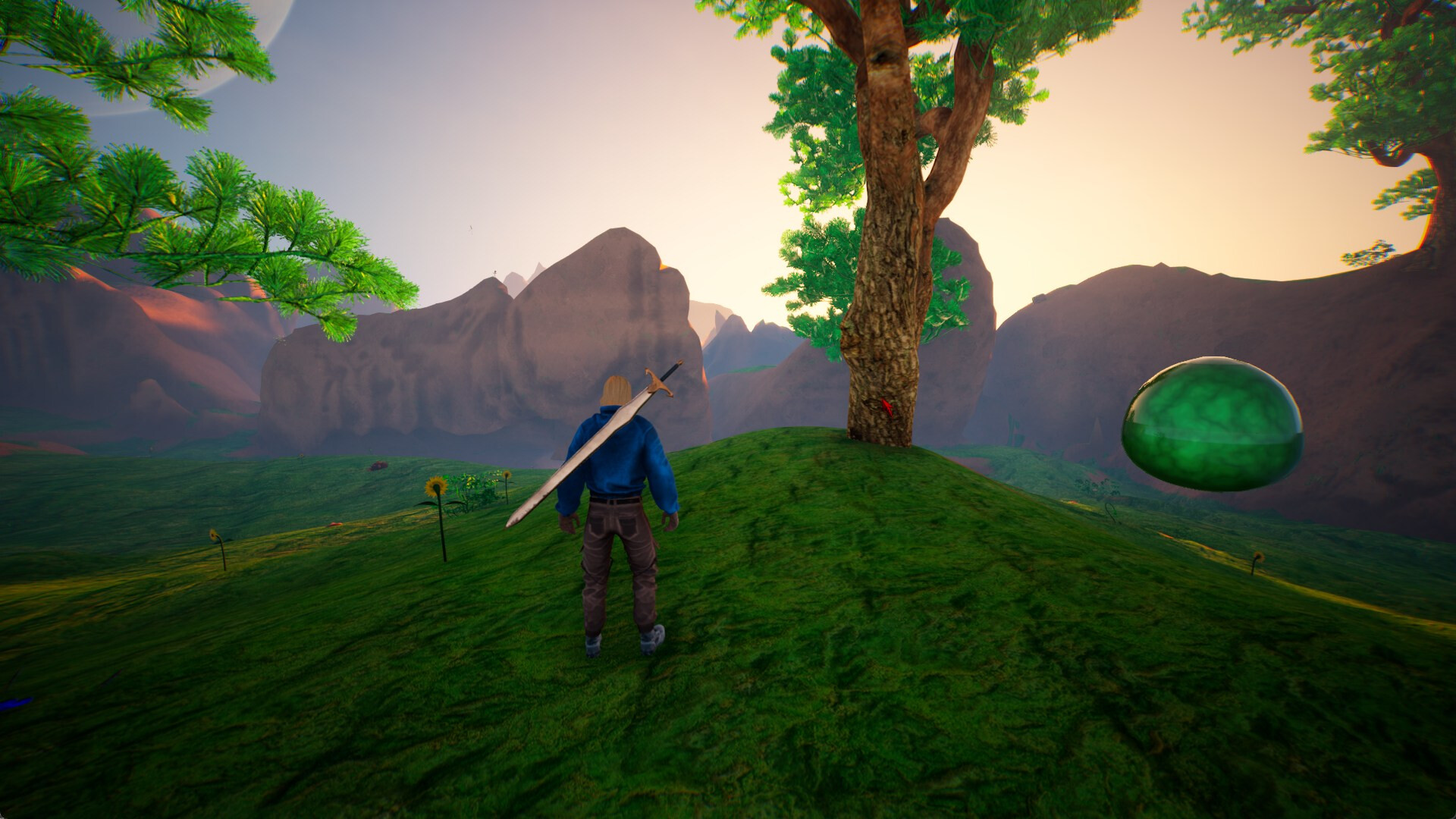
Deliria, released 2 September 2026 by solo developer Linesway, is an infinite multiplayer sandbox built without cubes or a grid, letting players carve a smooth voxel world, build a town that attracts inhabitants, and defend it against blood moons, invasions and nine Lovecraftian gods. It sits Mixed with a sample of 74 reviews, and reading widely through it reveals an unusually consistent, specific pattern this lane's research has seen before but rarely at this intensity: a large share of reviewers, including many who ultimately recommend the game, state directly and repeatedly that it should have launched in Early Access rather than as a full 1.0 release. Reviewers document a genuinely severe list of launch bugs, including sleeping during the day causing a softlock, players respawning inside walls and dying repeatedly, placed blocks silently reverting to dirt, and a reported crash triggered by throwing an explosive near the world's coordinate limit. Multiple reviewers describe punishing early-game balance, with weak starting characters swarmed endlessly by aggressive enemies and no meaningful respite at night or in caves as replacements continuously spawn. This review also found specific anger over a roughly 50% price cut implemented within a day of launch, after many early buyers had already passed their refund window. Set against all of this, a genuine, substantial number of reviewers explicitly credit the underlying concept with real, distinctive potential, several specifically comparing the ambition favourably to Terraria's own rough early days, and note the solo developer has already begun shipping fixes.
Biggest strengths
- The core smooth, grid-free voxel carving and building mechanic draws genuine, specific praise as a fresh departure from traditional cube-based sandbox survival games, with reviewers describing real excitement about the underlying concept's distinctiveness
- Multiple reviewers specifically credit the game's ambition and scope as remarkable for a solo developer's first release, describing genuine respect for the scale of what's being attempted even while criticising its current execution
- Movement and traversal draw specific praise once players progress past the difficult early game, with reviewers describing genuinely satisfying, fluid exploration once speed-boosting equipment is acquired
Biggest weaknesses
- A large, unusually consistent share of this review sample states directly that the game should have launched as Early Access rather than a full 1.0 release, citing the severity and volume of bugs and unfinished systems present at launch
- This review found reports of severe, specific bugs, including sleeping during the day causing a complete softlock, players respawning inside walls and dying repeatedly as a result, placed blocks silently reverting to dirt, and a crash triggered by throwing an explosive near the world's coordinate limit
- Multiple reviewers describe punishing early-game balance, with weak starting characters swarmed endlessly by aggressive enemies and no meaningful respite at night or in caves as replacement enemies continuously spawn faster than they can be cleared
Who it's for: Adventurous survival-sandbox fans specifically willing to tolerate a severely rough, effectively Early-Access-quality launch in exchange for genuinely fresh smooth-voxel building mechanics and Lovecraftian atmosphere, with real patience for ongoing fixes.
Our recommendation: Wait for significant patches before buying; the underlying idea has real promise reviewers across the spectrum acknowledge, but the current launch state is too rough to recommend at full price today.
4.5 / 10
Introduction
Deliria, released 2 September 2026 by solo developer Linesway, is an infinite multiplayer sandbox built without cubes or a grid, letting players carve a smooth voxel world by hand, build a town that attracts inhabitants, and defend it against blood moons, invasions and nine Lovecraftian gods. It sits Mixed with a sample of 74 reviews, and reading widely through it reveals an unusually consistent, specific pattern: a large share of reviewers, including many who still ultimately recommend the game, state directly and repeatedly that it should have launched in Early Access rather than as a full 1.0 release.
A near-chorus of "this should have been Early Access"
The single most consistent theme running through this entire sample is a specific, repeated verdict on the release itself rather than the underlying design. Reviewer after reviewer, independently and in strikingly similar language, states the game should have been released in Early Access given its current state, with several directly asking why the developer chose a full 1.0 launch instead. This isn't a scattered handful of complaints — it recurs across positive and negative reviews alike, with even reviewers who ultimately recommend the game explicitly flagging this as their central caveat.
Severe, specific launch bugs
This review found a genuinely severe list of concrete, reproducible bugs documented across this sample. Multiple reviewers report sleeping during the day causes a complete softlock, and separate reviewers describe respawning inside walls and dying repeatedly as a direct result. Reviewers report placed blocks silently reverting to dirt, undermining the core building mechanic the game is built around, and at least one detailed reviewer reports a crash triggered by throwing an explosive near the world's coordinate boundary. This isn't a list of minor cosmetic issues — several of these bugs directly block basic play or destroy player progress.
Punishing early-game balance
Beyond the bugs, this review found consistent, specific complaints about early-game difficulty tuning. Multiple reviewers describe weak starting characters being swarmed endlessly by aggressive enemies, with one detailed reviewer reporting ten unbroken minutes fighting off slimes alone within the opening hour. Separate reviewers report no meaningful respite at night or in caves, since replacement enemies spawn continuously, faster than players can realistically clear them, leaving newer players with little room to learn the game's other systems before being overwhelmed.
A cluttered interface
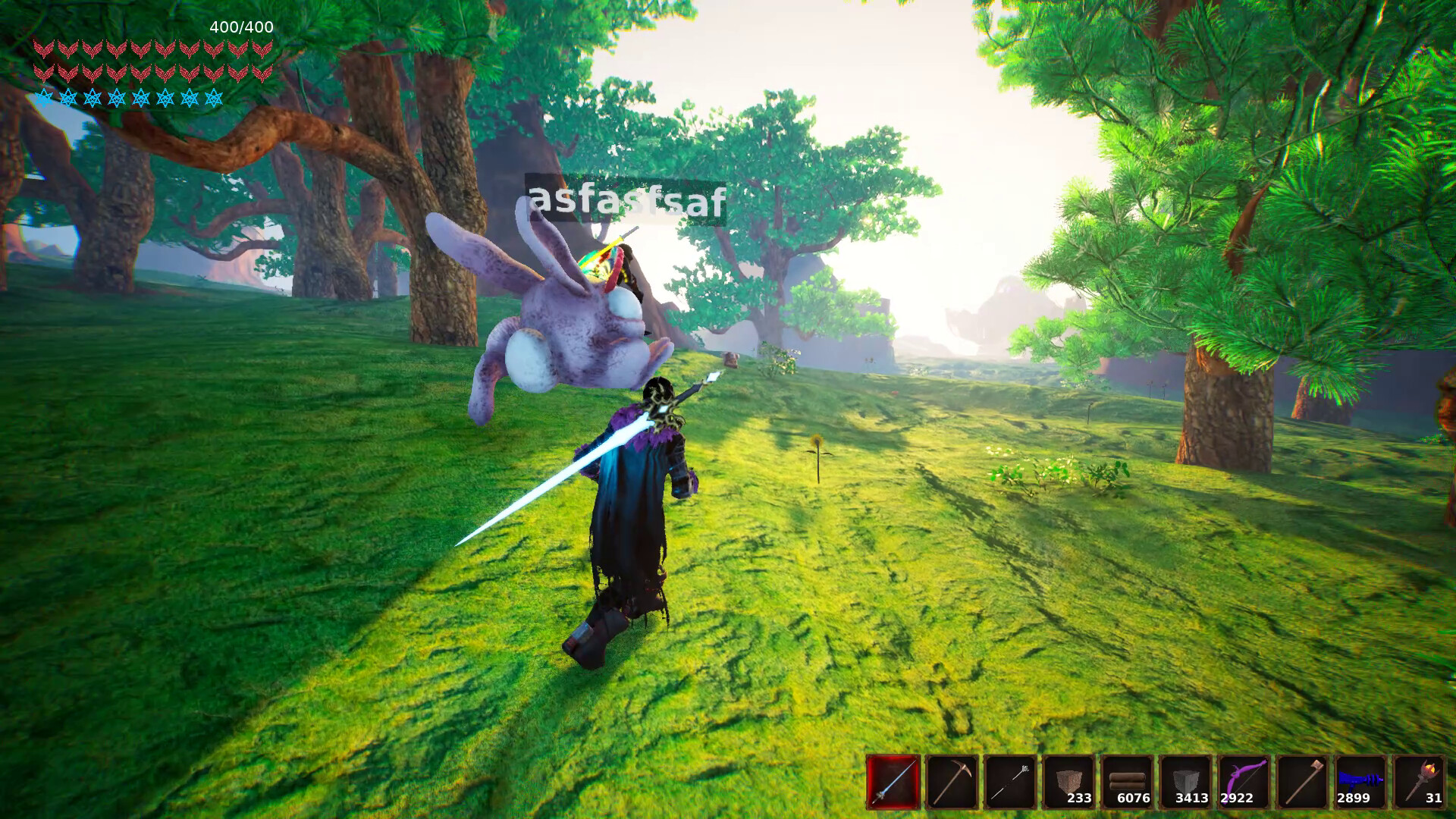
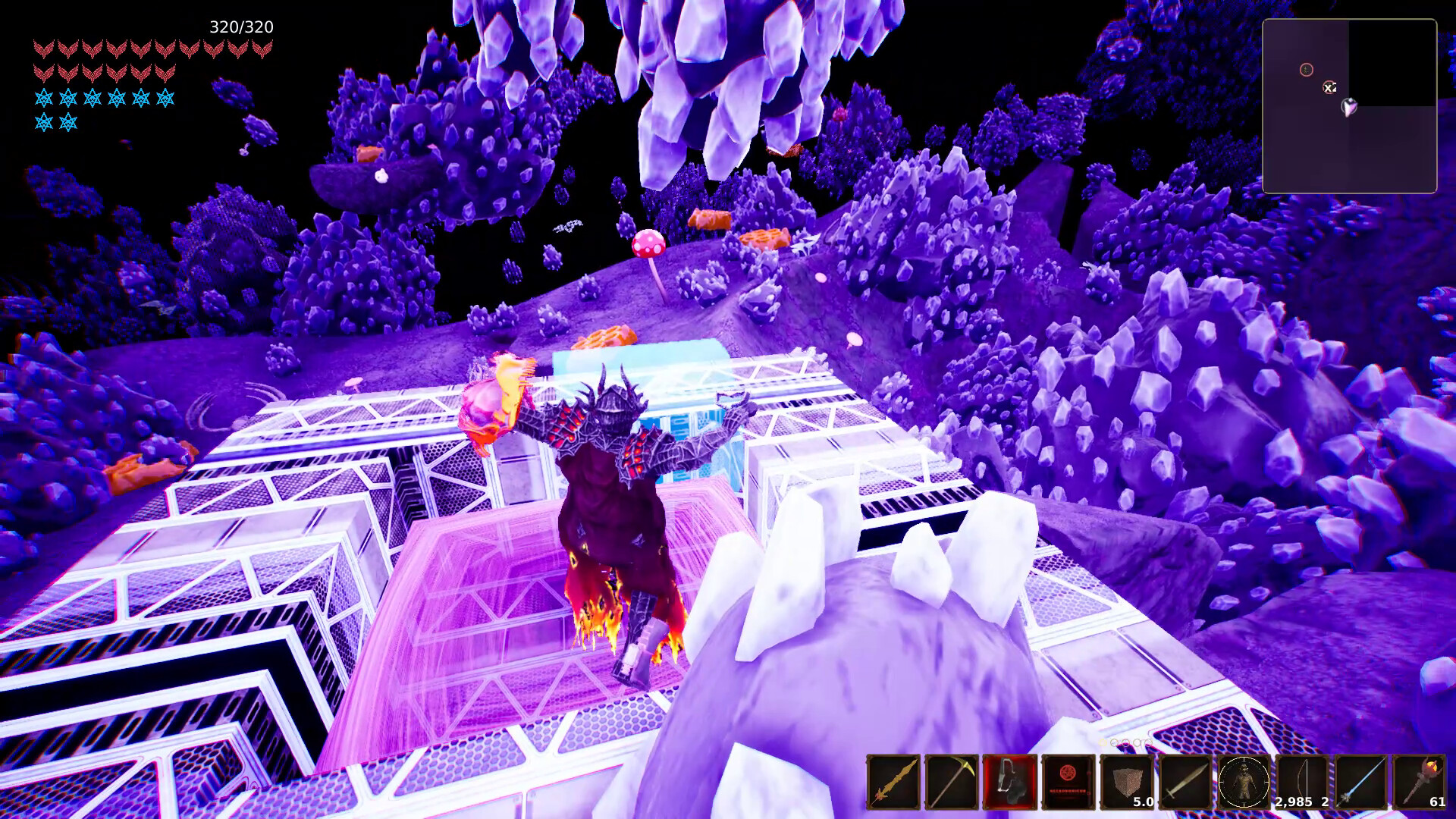
A separate, more structural complaint concerns the user interface. Multiple reviewers describe the UI as cluttered and difficult to read, with at least one detailed reviewer specifically noting the crafting menu overlaps the inventory screen, making it difficult to use both simultaneously. Another reviewer reports being unable to fully see their own character on the main menu due to interface clutter — a small but telling detail about how much interface polish still appears to be missing.
A price cut that angered early buyers
This review found a specific, well-corroborated complaint concerning the game's pricing history: multiple reviewers report the price was cut by roughly 50% within approximately a day of launch, after many early buyers had already passed Steam's standard two-hour refund window. Reviewers describe this specifically as insulting to people who supported the release on day one, distinct from the broader bug and balance complaints, since it's a business decision rather than a technical shortcoming.
Genuine, substantial acknowledged potential
It's worth reporting directly that a real, substantial share of this sample explicitly credits the underlying concept with genuine potential, even among reviewers leaving negative reviews. Multiple reviewers specifically compare the game's rough, difficult opening hours to Terraria's own famously unforgiving early game, framing current frustration as consistent with genre expectations rather than a fundamental flaw. The core smooth, grid-free voxel carving mechanic draws specific, enthusiastic praise as a genuinely fresh departure from cube-based sandbox survival design, and multiple reviewers credit the developer with already shipping fixes for some of the most severe launch bugs, expressing real willingness to return once the game stabilises further.
Reading solo-developer ambition against a rushed release
Taken as a whole, this review reads Deliria as a case where a single developer's genuinely ambitious creative vision was pushed out the door before it was ready, rather than a fundamentally flawed concept. That distinction matters directly for how prospective buyers should weigh this review: the complaints documented here are largely about launch-state execution — bugs, balance, interface clutter, pricing decisions — rather than the underlying design being uninteresting or poorly conceived, which is precisely why so many critical reviewers pair their complaints with genuine hope for the game's future.
A smaller but specific complaint worth naming directly
Beyond the major, widely-shared complaints above, this review found one smaller but specific localisation gap worth a direct mention: at least one reviewer notes the game currently ships without Arabic language support, framing this as a notable omission for a 2026 release regardless of the game's other technical problems. It's a narrower concern than the bugs and balance issues dominating this sample, but worth flagging directly for players who'd specifically rely on that localisation option.
What the developer would most need to prioritise
Reading across this sample as a whole, this review can identify the specific, most urgent priorities a patch cycle would need to address to meaningfully shift this reception. Fixing the sleep-triggered softlock and the wall-respawn death loop would resolve the two most severe, progress-blocking bugs documented here. Rebalancing early-game enemy density and respawn rates, so new players get genuine breathing room to learn building and crafting systems before being overwhelmed, would directly answer the single most common gameplay complaint in this sample. Neither fix is trivial, but both are concrete and specific rather than requiring a fundamental redesign, which is consistent with how much genuine goodwill this sample extends toward the underlying concept even amid its harshest criticism.
Final Verdict
Deliria offers a genuinely fresh, ambitious take on voxel sandbox survival, building a smooth, grid-free world that reviewers across the spectrum credit with real creative potential, especially once players push past a punishing opening stretch. What holds this score down is an unusually consistent, specific and severe chorus of launch problems: bugs serious enough that a large share of this review's own sample says the release should have been Early Access, punishing early balance, a cluttered interface, and a price cut that left early buyers feeling shortchanged. Wait for significant patches before buying; the underlying idea has earned real goodwill, but the current launch state doesn't yet match it.
Pros and cons
Pros
- The core smooth, grid-free voxel carving and building mechanic draws genuine, specific praise as a fresh departure from traditional cube-based sandbox survival games, with reviewers describing real excitement about the underlying concept's distinctiveness
- Multiple reviewers specifically credit the game's ambition and scope as remarkable for a solo developer's first release, describing genuine respect for the scale of what's being attempted even while criticising its current execution
- Movement and traversal draw specific praise once players progress past the difficult early game, with reviewers describing genuinely satisfying, fluid exploration once speed-boosting equipment is acquired
- Multiple reviewers credit the developer with actively working on fixes since launch, describing specific bugs already resolved and expressing continued goodwill and willingness to return once the game stabilises further
Cons
- A large, unusually consistent share of this review sample states directly that the game should have launched as Early Access rather than a full 1.0 release, citing the severity and volume of bugs and unfinished systems present at launch
- This review found reports of severe, specific bugs, including sleeping during the day causing a complete softlock, players respawning inside walls and dying repeatedly as a result, placed blocks silently reverting to dirt, and a crash triggered by throwing an explosive near the world's coordinate limit
- Multiple reviewers describe punishing early-game balance, with weak starting characters swarmed endlessly by aggressive enemies and no meaningful respite at night or in caves as replacement enemies continuously spawn faster than they can be cleared
- Multiple reviewers report the user interface is cluttered and difficult to read, with at least one detailed reviewer noting the crafting menu overlaps the inventory screen, making both difficult to use simultaneously
- This review found specific, well-corroborated anger over a roughly 50% price cut implemented within roughly a day of launch, with multiple reviewers reporting they had already passed their refund window before the reduction, alongside separate reports of poor optimisation, including heavy lag when travelling between biomes
Screenshots
-
DeliriaImage: Linesway via Steam -
DeliriaImage: Linesway via Steam -
DeliriaImage: Linesway via Steam -
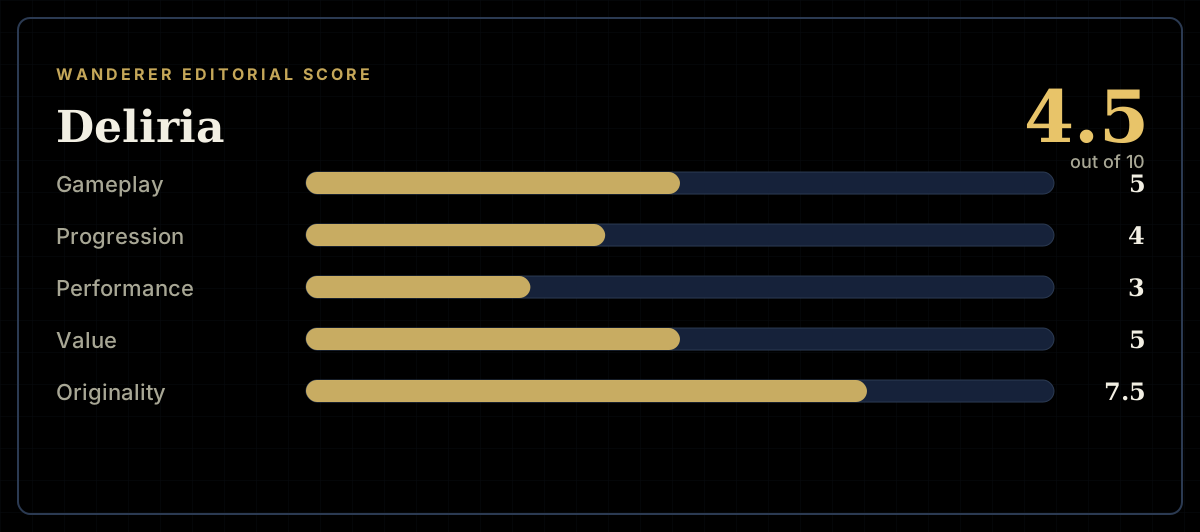
How the review scores each part of the gameWanderer Editorial -
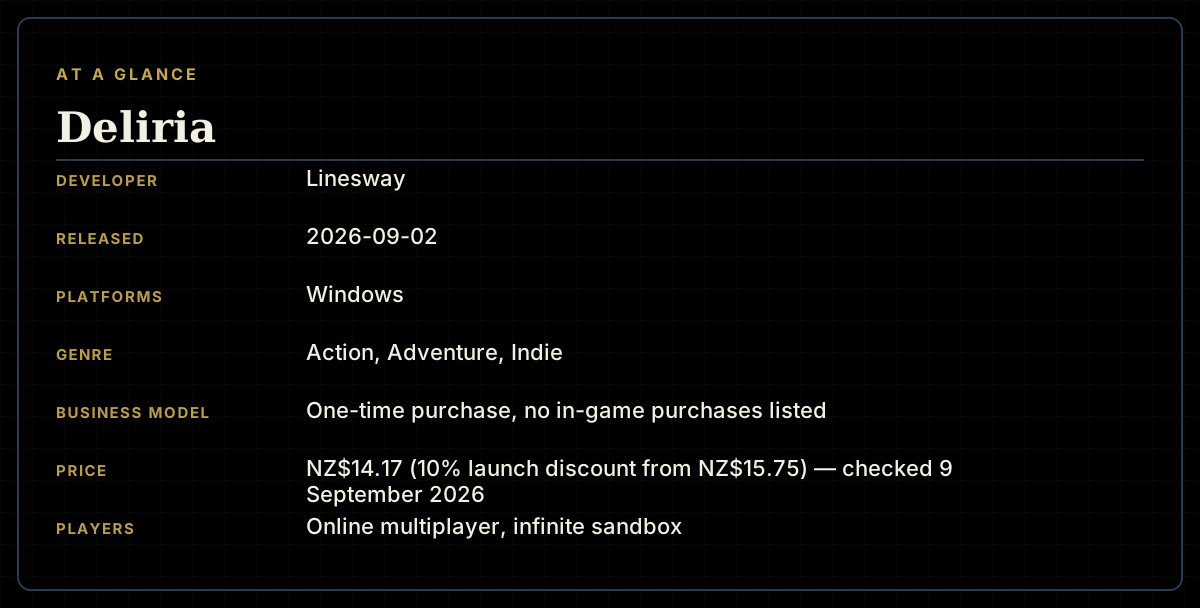
The essentials at a glanceWanderer Editorial -
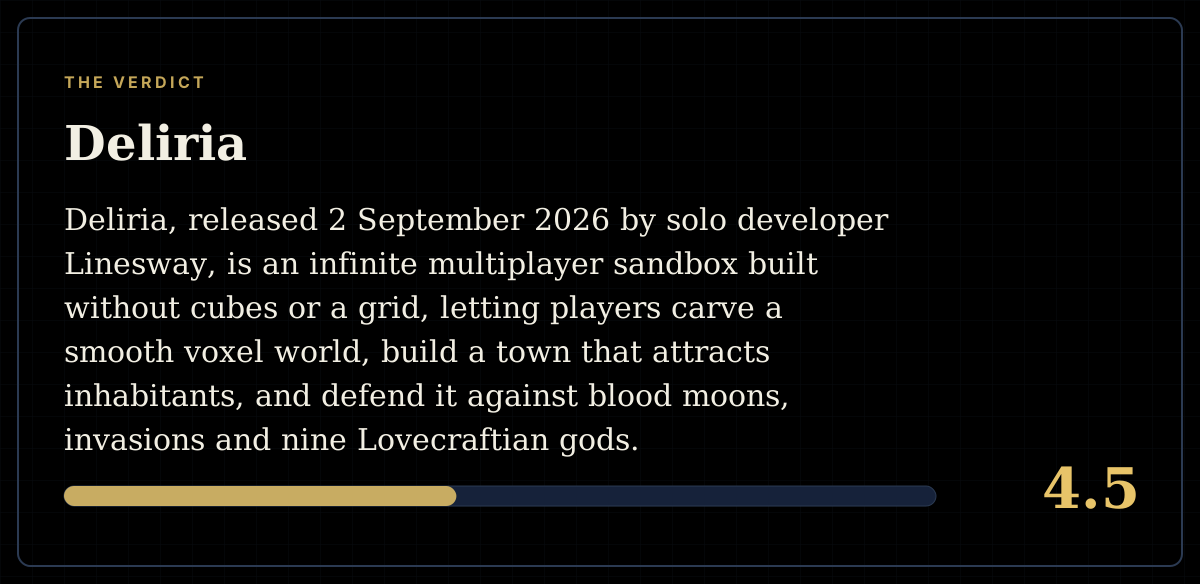
The short versionWanderer Editorial