Game review
Cheat Death Review
6.5 / 10
- Developer
- GG Studio
- Publisher
- Polden Publishing
- Released
- 16 July 2026
- Platforms
- ["Windows"]
- Genre
- Strategy
Sitting Down at Death's Table
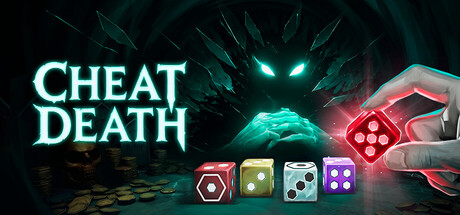
Cheat Death puts you across a felt-covered table from the Grim Reaper himself, wagering your life on hands of dice poker instead of the usual roguelite fare of swords and spellbooks. It's a first-person, single-sitting kind of premise: build a deck of cursed dice, stack modifiers called boons, and — as the title promises — cheat wherever the rules allow, because Death certainly will. Released after nearly a year of public playtests and demo builds, it lands as a small, focused package from GG Studio that reviewers are largely charmed by, even when they can point to exactly where it falls short of its clearest influence.
The Inscryption Shadow Is Everywhere, and the Developers Know It
Almost every review in the sample brings up Inscryption unprompted, and it's easy to see why: the isolated tabletop setting, the first-person view across from an unsettling opponent, and the card-game-as-horror framing are all clearly indebted to it. Reviewers are largely generous about this lineage, treating Cheat Death as a distinct spin on familiar ground rather than an outright copy, thanks mostly to the dice-poker hook replacing card combat. A few are more pointed, with one reviewer calling it close to "a high-effort Inscryption rip-off" before walking that back somewhat, and another wishing for the visual and narrative flourish of "Act I of Inscryption" that this game doesn't quite reach. The comparison sets a high bar, and the consensus is that Cheat Death clears it as an homage while falling short of it as a rival.
A Genuinely Distinctive Hook in Dice Poker
Where the game earns its own identity is in the mechanical premise itself. Building poker hands out of collectible, upgradeable dice, then leaning on boons and relics to bend the odds in your favor, is a fresh enough twist that reviewers consistently single it out as the best reason to play. The cheating mechanic — using items and abilities to manipulate hands mid-game rather than just building a stronger deck beforehand — gets specific praise for turning each encounter into what one detailed 7/10 review calls "a psychological battle rather than a straightforward numbers game." Multiple playable heroes, each with a distinct pool of boons, add build variety that several reviewers say keeps individual runs feeling different from one another, at least for a while.
Too Easy, Reviewers Say, Repeatedly and Specifically
The single most repeated criticism in the sample, showing up in both positive and negative reviews, is that the game simply isn't hard enough. Reviewers report finishing runs with 200-plus gold and health barely dented across dozens of attempts, and more than one explicitly asks for a hard mode or increased-difficulty option because nothing currently threatens a run once a player has a handful of decent upgrades. This isn't framed as a minor gripe — reviewers who otherwise like the game describe it undercutting the tension a Grim-Reaper-themed wager is supposed to create, since losing rarely feels like a real risk.
Depth That Runs Thinner Than Its Comparisons Suggest
A second, closely related complaint is that the build variety doesn't go as deep as the roguelike deckbuilders reviewers keep comparing it to. One detailed negative review argues explicitly against Balatro, pointing out that Cheat Death's boons lack the kind of dynamic, stacking synergies that make each run in games like that feel transformative, and several others note that a handful of overpowered combinations tend to dominate every run rather than there being many equally viable paths. Reviewers who put over ten hours in still describe running out of new things to discover well before that point, with one calling it "fun and good for the first two runs, and then you really saw everything."
Onboarding, Bugs, and a Missing Save Are the Practical Complaints
Beyond the balance concerns, a smaller cluster of practical issues comes up. Several reviewers say the game explains its own systems poorly, leaving them to puzzle out boon interactions and win conditions through trial and error for the first half hour or more. One reviewer reports repeated crashes serious enough to consider a refund despite wanting to keep playing, and another separately notes losing an entire run's progress with no apparent way to save between sessions. None of these are described as universal experiences, but they're specific enough, and repeated often enough across a small sample, to be worth flagging rather than dismissing as isolated hardware issues.
The Presentation and Story Land Well for the Price
On the positive side, reviewers consistently praise the atmosphere, the character design of Death itself — whose expressive "faces" during boss encounters get called out by name — and an unexpected narrative thread that unfolds in cutscenes between runs, revealing more of the story as players succeed. For a $12.99 roguelite, several reviewers say this narrative layer and the overall audiovisual polish exceed what they expected at the price point, even while acknowledging the game could use more voice acting or visual flourish to fully match its influences. The skull-shaped sidekick character draws particular affection, with one reviewer comparing it favorably to Planescape: Torment's floating skull companion.
Verdict
Cheat Death has a genuinely clever hook — dice poker against Death, with cheating built in as a core system rather than an afterthought — and it wraps that hook in atmosphere and a surprising narrative thread that punch above the asking price. What holds it back from matching the roguelike deckbuilders it invites comparison to is a lack of real challenge and build depth: most reviewers who put serious time in report exhausting its variety and its threat level well before they were ready to stop. It's a worthwhile pickup for fans of the genre looking for something with real personality, with the understanding that the difficulty and depth updates it clearly still needs haven't landed yet.
Screenshots
-
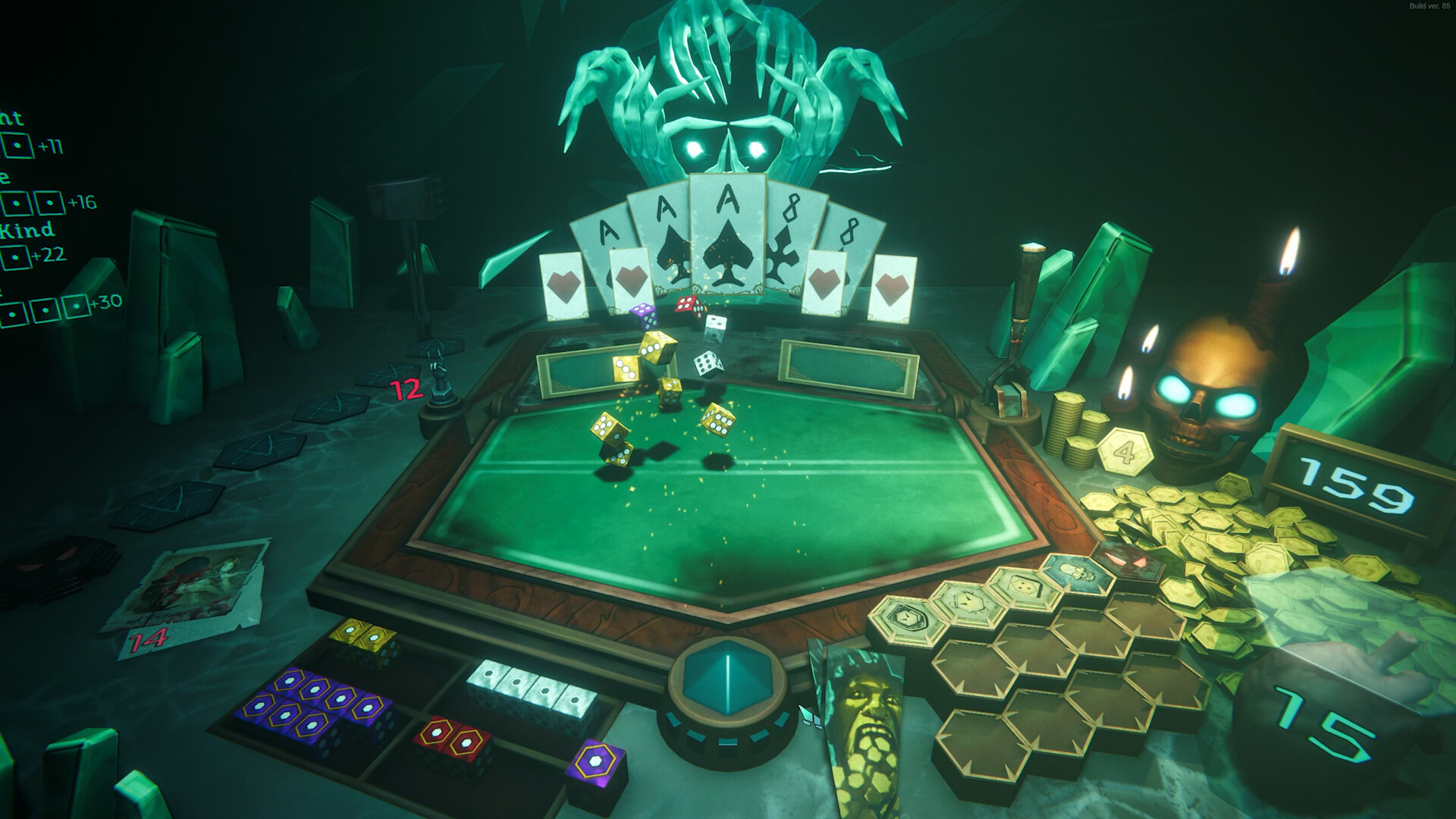
Every hand is played out in first person, across the table from a spectral opponent who looms over a fan of playing cards.Image: Polden Publishing via Steam -
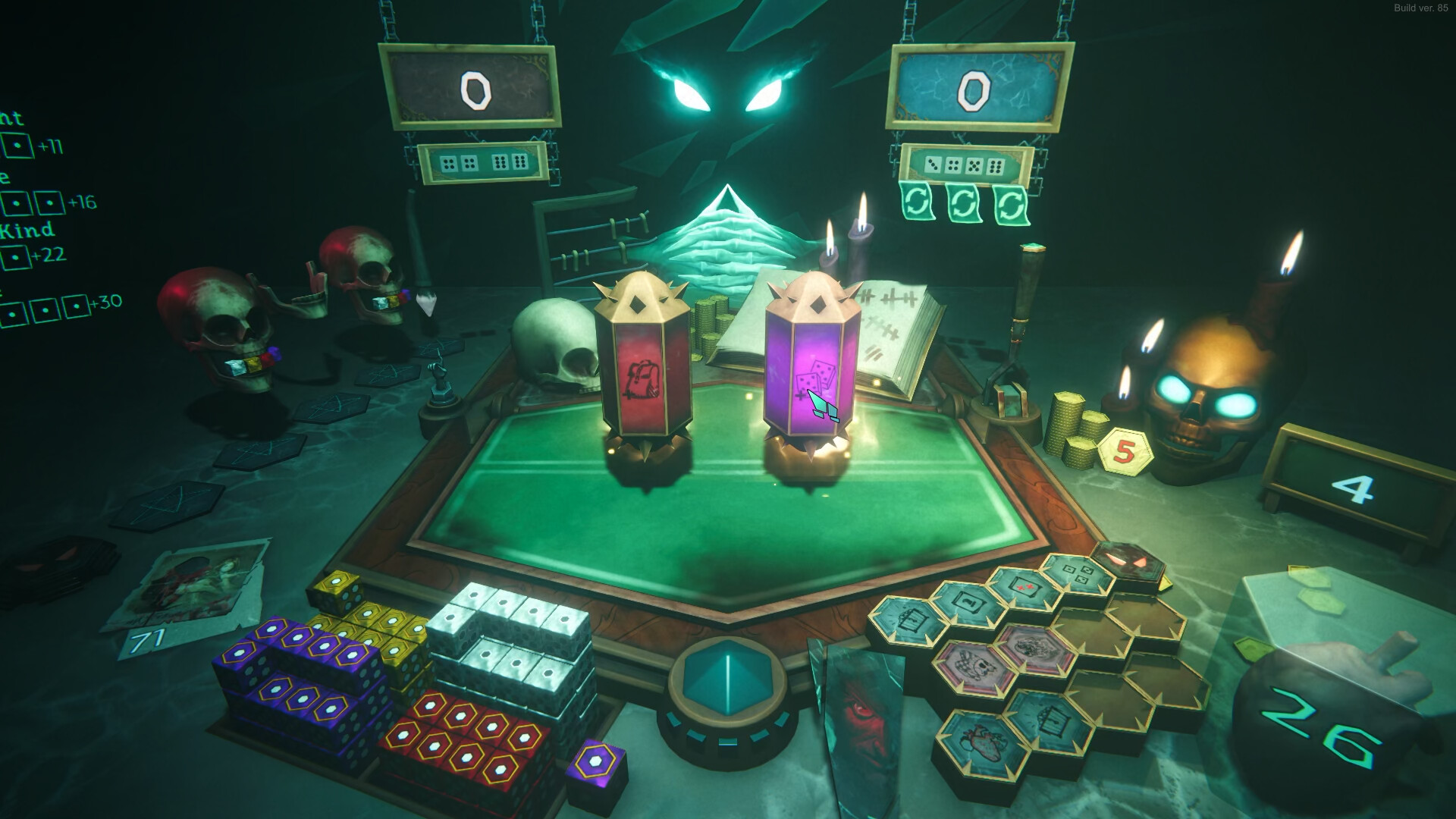
Boons and relics take the form of standing tarot-like cards on the table, framed by candles and a growing pile of skulls.Image: Polden Publishing via Steam -
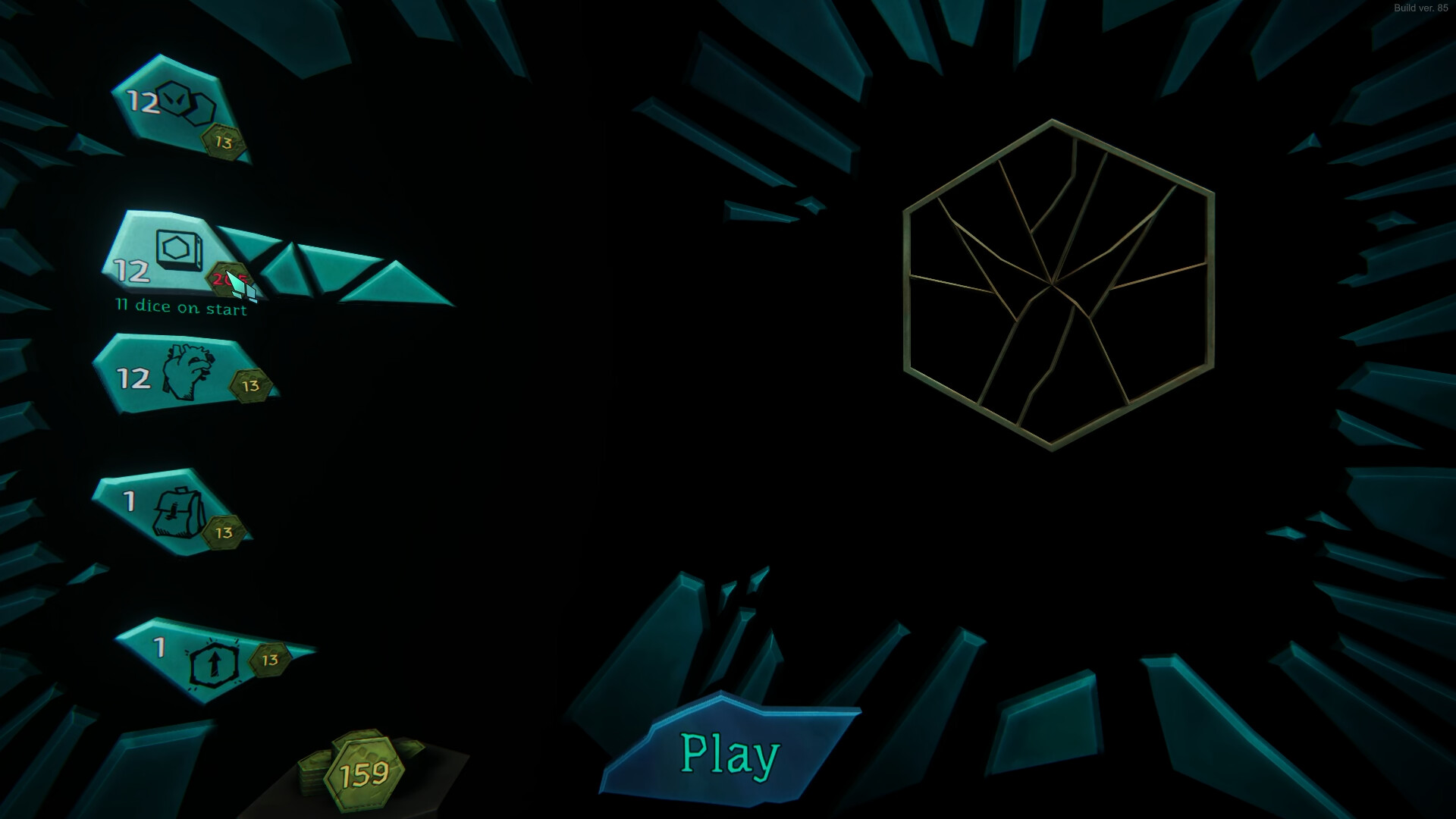
Between runs, players choose from unlockable heroes and dice loadouts before heading back to the table.Image: Polden Publishing via Steam