Game review
CARNEDGE
5.5 / 10
- Developer
- OneShark
- Publisher
- OneShark
- Released
- 19 January 2026
- Platforms
- Windows
- Genre
- Casual, RPG, Strategy
- Monetisation
- One-time purchase
- Players
- Single-player only
The short version
CARNEDGE drags the Eternal Flame across a dying dark-fantasy world, recruiting allies, crafting gear, and building a deck of skills that fight semi-automatically once combat begins, a hybrid of auto-battler, roguelite, and light management sim built by OneShark. Its Steam debut lands Mostly Positive, and the review sample explains why almost unanimously: a confident, distinctive art style and a genuinely appealing core concept that reviewers wanted to love. What holds it back, documented repeatedly and independently across the sample, is a game that still feels unfinished at launch: bosses that spawn endless adds or chain-heal past the point of counterplay, a stash-free inventory that forces discarding promising gear, a gamble-based item-upgrade system that destroys items on a failed roll, and a completion time several reviewers put at four to six hours before post-launch content additions. It's a low-cost game with real presentation strengths, but the sample is candid that the execution underneath hasn't caught up to the concept yet.
Biggest strengths
- A confident, distinctive dark-fantasy art style that draws near-universal praise across the sample, cited repeatedly as the game's single biggest strength
- A genuinely appealing hybrid concept, part auto-battler, part deckbuilder, part light crafting and equipment management, that several reviewers say has real potential
- A low entry price that multiple reviewers explicitly credit for softening complaints about the game's short length and rough edges
Biggest weaknesses
- Multiple independent reviewers report bosses that spawn overwhelming waves of adds or chain-heal indefinitely, effectively removing meaningful counterplay in late-game encounters
- A gamble-based item-upgrade system that destroys the item outright on a failed roll draws specific, repeated frustration, with one reviewer citing over 30 items lost in six hours
- No stash or storage system, forcing players to discard promising gear simply because the inventory has filled up, which several reviewers flag as actively discouraging build experimentation
Who it's for: Genre fans drawn to the auto-battler/deckbuilder hybrid and willing to tolerate real bugs and a short runtime for a low price, rather than players expecting a polished, lengthy roguelite.
Our recommendation: Worth a look on sale for genre fans who can shrug off bugs and a short campaign; everyone else should wait for further patches before paying full price.
5.5 / 10
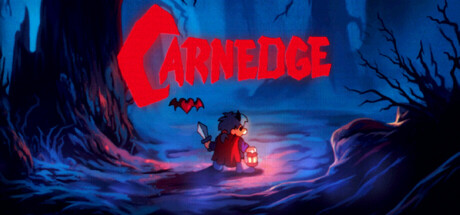
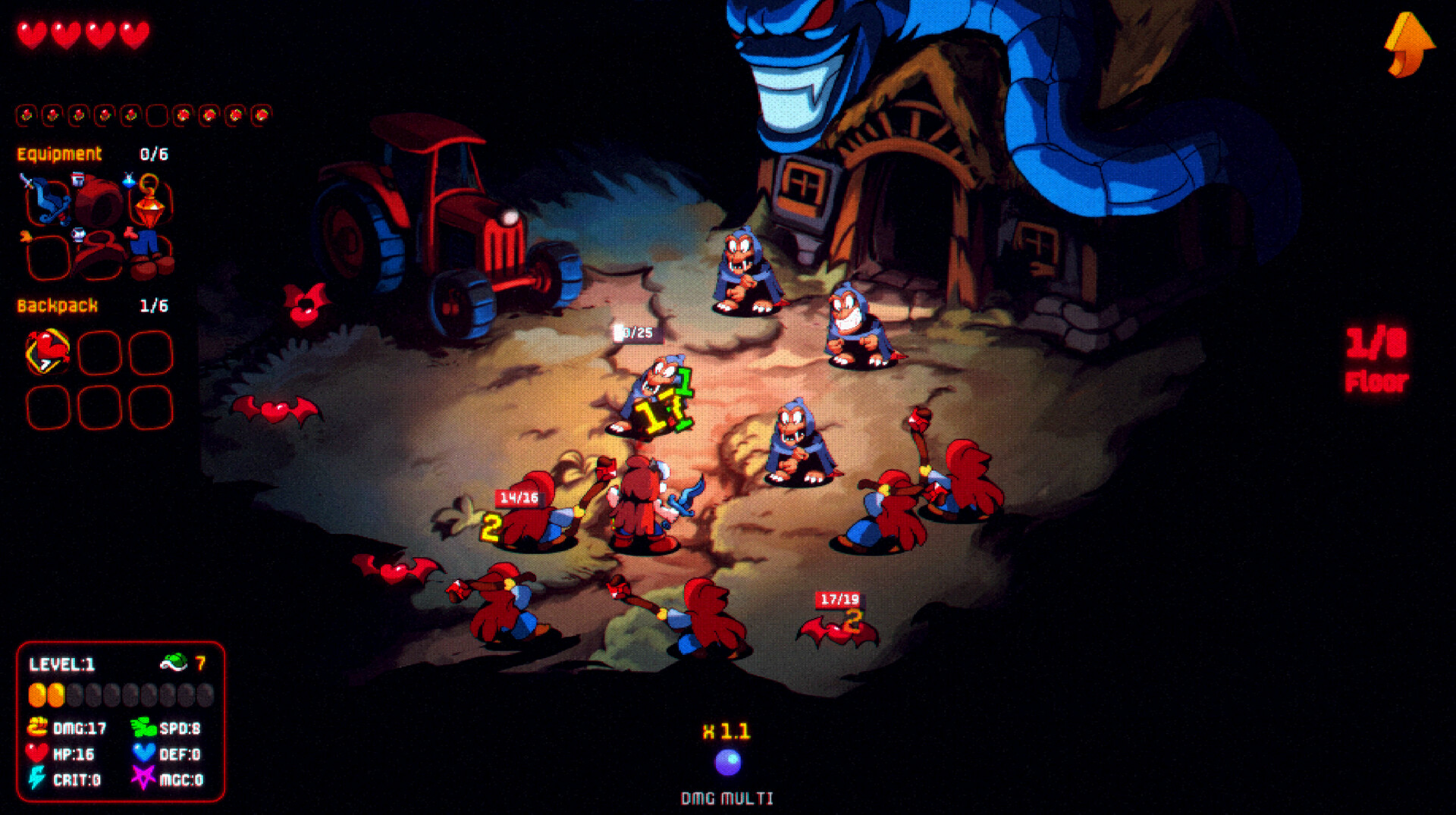
CARNEDGE casts players as the bearer of the Eternal Flame, dragging it across a dying dark-fantasy world while recruiting strange allies, crafting equipment, and building a deck of skills that largely fight themselves once combat begins. Developed and published by OneShark, it's a hybrid that borrows from auto-battlers, roguelites, and light management sims in roughly equal measure, and it landed on Steam having already built a following through its Next Fest demo. The result is Mostly Positive, and the review sample is unusually consistent about why: a genuinely striking art style and a promising core idea, undercut by a launch state the sample describes, again and again and in specific detail, as unfinished.
The concept lands before the execution does
Almost every review in the sample, positive or negative, opens the same way: praise for the presentation. The dark-fantasy art direction is described as confident and distinctive, and the combination of auto-battling, deck-based skills, and item crafting is one several reviewers say they hadn't seen mixed together quite this way before. That's a real strength, and it's clearly what pulled a meaningful chunk of the audience in off the back of the demo. But it's also where the praise tends to run out. Multiple detailed reviews draw an explicit line between the strength of the concept and the state of its execution, describing a game that plays like an extended, paid demo rather than a fully realised release, a comparison one reviewer makes directly and unprompted.
Bosses that remove your ability to respond
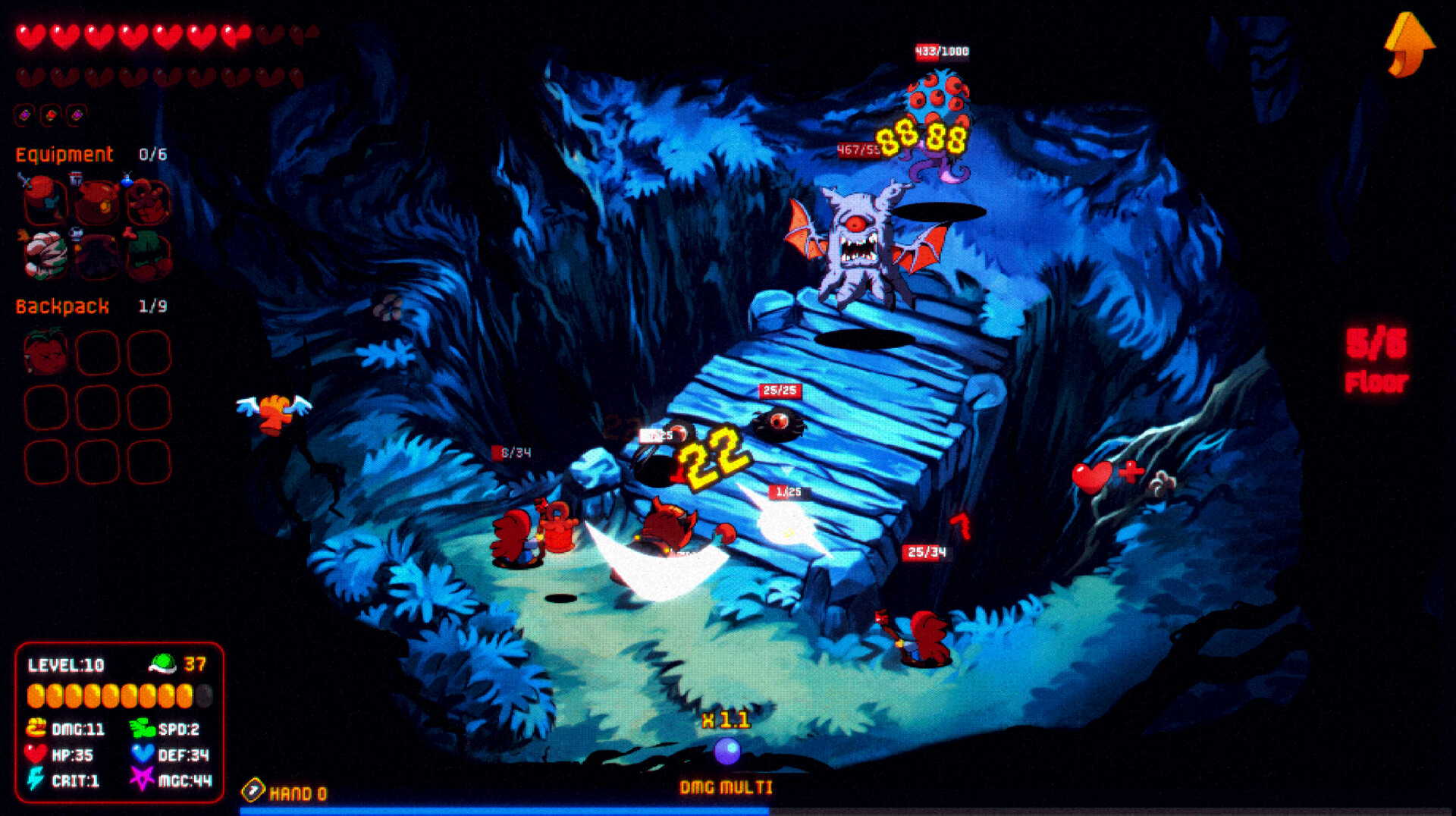
The most serious, most independently corroborated complaint in the sample concerns late-game encounters. More than one reviewer describes bosses that spawn overwhelming waves of additional enemies or chain-heal past any reasonable threshold, effectively taking the fight out of the player's hands regardless of build quality. One long-form review calls this out specifically as feeling "unintentional rather than challenging in a satisfying way," and another, months later, reports the exact same category of problem still present after patches, near-unkillable bosses backed by endless AOE healers. That kind of repeated, specific overlap between reviews posted weeks apart is a stronger signal than any single complaint on its own, and it points to a genuine balance problem rather than a one-off bad run.
A crafting and inventory system working against the player
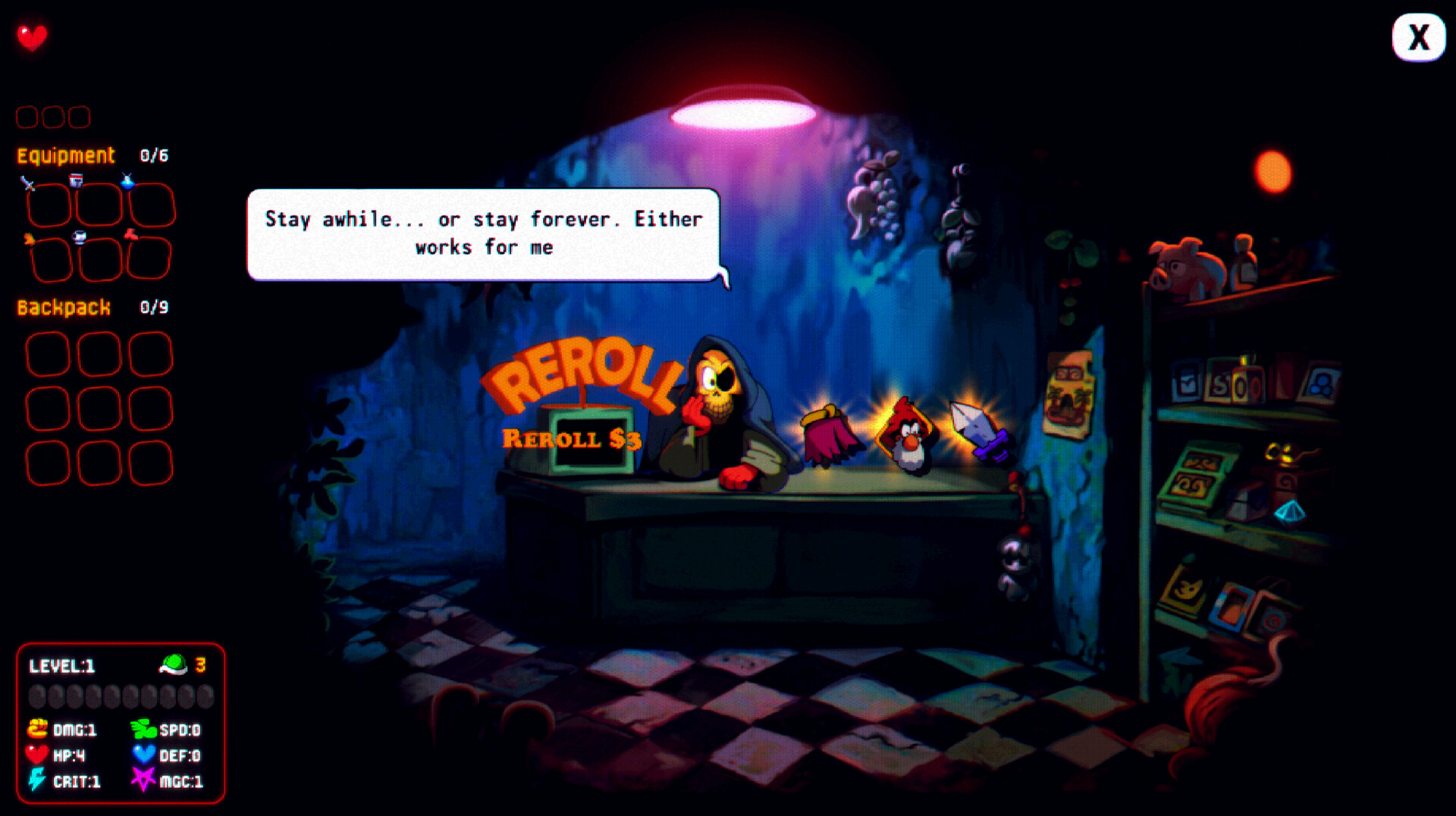
The equipment and crafting systems draw similarly specific, similarly repeated criticism. Several reviewers describe an item-upgrade mechanic built around a gamble, a failed roll destroys the item outright, with one reviewer citing more than 30 items lost to this system in a single six-hour session. Compounding that, the sample repeatedly notes there's no stash or storage system, so a filling inventory forces players to discard gear they might otherwise have wanted for a different build. Multiple reviewers frame this as actively discouraging the exact kind of build experimentation the auto-battler genre usually rewards, turning a potential strength of the hybrid concept into a source of friction instead.
Short, and the sample is split on whether that matters
Completion time comes up constantly, and the reviewers land in two fairly distinct camps. Several clock full or "100%" completion at somewhere between four and six hours at launch and treat that as a real shortfall, particularly alongside the bugs and balance issues. Others push back directly, arguing that not every game needs a hundred-plus hours to justify its low asking price, and that judged purely as a short, focused experience, CARNEDGE offers reasonable value for the cost. Both readings show up from reviewers who otherwise recommend the game, which suggests this is less a dealbreaker than a genuine matter of taste about what a ten-dollar roguelite should deliver.
Developer responsiveness and early post-launch support
To the game's credit, the sample documents real developer engagement: visible in-thread responses to critical reviews, at least one player reporting the developer personally asked them to revisit the game after a patch, and later reviews confirming the arrival of a "rebirth" system and new maps that meaningfully extend what was there at launch. Reviewers who returned after these updates are generally more positive than their initial impressions, describing the additions as things that "should've been there from the start" rather than transformative new content, but an improvement nonetheless. It's a reasonable sign the studio is still actively working the game rather than treating the Steam release as a finish line, even if the sample makes clear there's still meaningful ground to cover on bugs and balance.
Small frictions that add up
Beyond the headline balance and crafting complaints, the sample surfaces a cluster of smaller interface and audio annoyances that reviewers raise almost in passing but that several independently land on anyway. More than one review singles out having to click and drag the map to reach shops and resource nodes as tedious rather than atmospheric, with one reviewer explicitly asking for shortcuts. Combat cards, meanwhile, are described as tucked into a corner of the screen rather than centred, making a core part of the build-crafting loop feel visually secondary to everything surrounding it. On the audio side, a short, looping soundtrack draws specific criticism for becoming repetitive quickly, and one detailed reviewer singles out a repeated mining sound effect as grating enough that they finished the game on mute, an unusual admission for someone who otherwise recommends the game. None of these is disqualifying on its own, but taken together they reinforce the sample's broader theme: a game whose presentation ambitions are ahead of its current polish.
Final Verdict
CARNEDGE has the bones of something genuinely appealing: a distinctive dark-fantasy look, a hybrid concept with real potential, and a developer that's visibly still in the fight post-launch. But the review sample is consistent and specific enough about what's missing, unbalanced late bosses, a punishing and unforgiving crafting system, real bugs affecting combat and navigation, and a short runtime at launch, that it's hard to recommend at full price today. At its low cost, it's a reasonable gamble for genre fans who can tolerate rough edges and want to support a concept with promise; everyone else should watch for further patches before committing.
Pros and cons
Pros
- A confident, distinctive dark-fantasy art style that draws near-universal praise across the sample, cited repeatedly as the game's single biggest strength
- A genuinely appealing hybrid concept, part auto-battler, part deckbuilder, part light crafting and equipment management, that several reviewers say has real potential
- A low entry price that multiple reviewers explicitly credit for softening complaints about the game's short length and rough edges
- An active developer presence, including several visible in-thread responses to critical reviews and at least one player reporting the developer directly asked them to revisit the game after a patch
- Post-launch content additions, including a "rebirth" system and new maps, that reviewers who stuck around describe as a meaningful improvement over the launch state
Cons
- Multiple independent reviewers report bosses that spawn overwhelming waves of adds or chain-heal indefinitely, effectively removing meaningful counterplay in late-game encounters
- A gamble-based item-upgrade system that destroys the item outright on a failed roll draws specific, repeated frustration, with one reviewer citing over 30 items lost in six hours
- No stash or storage system, forcing players to discard promising gear simply because the inventory has filled up, which several reviewers flag as actively discouraging build experimentation
- A short completion time, several reviewers clock full or "100%" completion at four to six hours at launch, with some feeling the price still doesn't fully offset the brevity
- Recurring, specific bug reports across the sample: attack animations that play without dealing damage, characters that stop attacking entirely under certain skill combinations, map navigation that won't scroll fully, and lost progress on previously-unlocked systems after reloading
Screenshots
-
CARNEDGEImage: OneShark via Steam -
CARNEDGEImage: OneShark via Steam -
CARNEDGEImage: OneShark via Steam