
Game review
Butcher's Creek
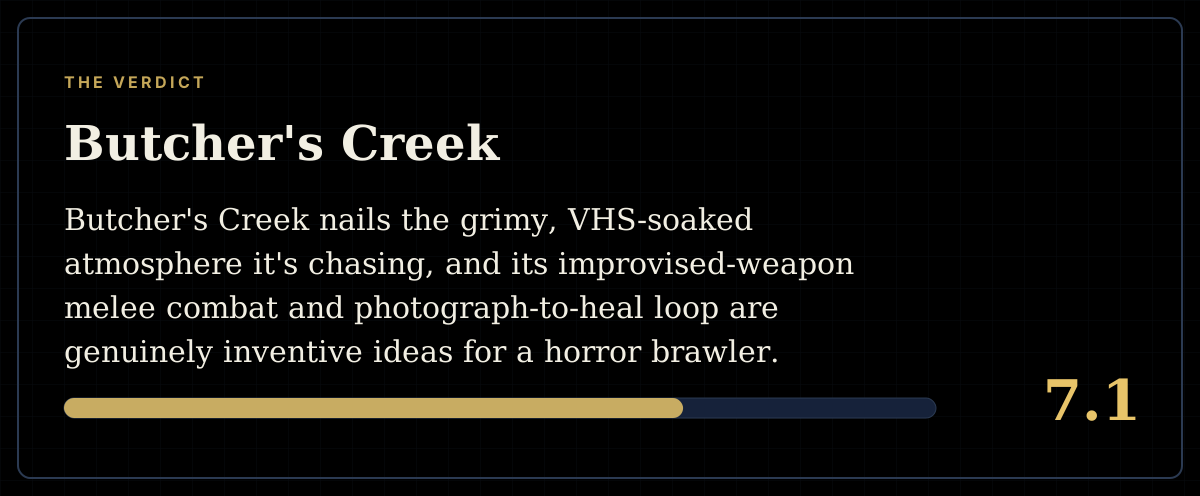
7.1 / 10
- Developer
- David Szymanski
- Publisher
- David Szymanski
- Released
- 23 January 2025
- Platforms
- [Windows]
- Genre
- Action
- Monetisation
- Paid
- Players
- Single-player only
The short version
Butcher's Creek nails the grimy, VHS-soaked atmosphere it's chasing, and its improvised-weapon melee combat and photograph-to-heal loop are genuinely inventive ideas for a horror brawler. It's also very short, gets repetitive in its final stretch, and closes on an ending several longtime fans found abrupt and unsatisfying. A strong two hours wrapped in a slightly thinner whole.
Biggest strengths
- Thick, tense, grungy atmosphere that leans hard into 90s VHS horror aesthetics
- Photographing blood and corpses to heal is a genuinely novel, theme-appropriate mechanic
- Improvised-weapon melee combat feels heavy and satisfying, hit for hit
Biggest weaknesses
- Very short even for its price, with most players finishing in two to three hours
- Combat and enemy variety flatten out noticeably in the last stretch
- The ending is widely described as abrupt, with a jumpscare some longtime fans found repetitive of the developer's past games
Who it's for: Fans of grimy, low-budget horror brawlers like Condemned and Manhunt, and existing admirers of David Szymanski's other games (DUSK, Gloomwood, Iron Lung) curious how his style translates to melee-focused survival horror.
Our recommendation: Recommend
7.1 / 10
A Sadist Hunting Sadists
Butcher's Creek drops you into the shoes of a man searching for a missing person in the titular Creek, a rural stretch of America overrun by a cult obsessed with making snuff films. What follows is a tight, grubby first-person brawler that wears its influences openly — reviewers reach for Condemned: Criminal Origins and Manhunt constantly, and it's easy to see why. You beat down deranged cultists with pipes, hammers, and whatever construction debris is lying around, in fights that are entirely hand-to-hand and built around the same kind of grim, blunt-force satisfaction those older games traded in. One reviewer, describing it as "the perfect ode to Condemned," half-joked that a publisher should just hand the developer money and the Condemned license outright — a sentiment that shows up, in different phrasing, across a large share of the sample.
What sets Butcher's Creek apart from simply imitating that lineage is a handful of mechanical choices that are specific to its own premise. Because your character is, by his own framing, as much a sadist as the people he's hunting, healing works by photographing blood spatter and mutilated corpses — an idea multiple reviewers single out as both novel and thematically dead-on, reinforcing the game's black-comedy framing of "you're not only murdering sadists, you play as a sadist yourself." Max health scales with how many snuff VHS tapes you're currently carrying, and those same tapes double as currency to open bonus doors and save your progress at scattered televisions, which creates a small but real tension: hoard tapes for survivability, or spend them chasing better gear and shortcuts. It's a tidy risk-reward loop for a game this short, even if, as one detailed review notes, the tension mostly evaporates once you're carrying more tapes than you'll ever need.
Combat itself lands well in the moment. Reviewers consistently praise the weight behind every swing — crunching hit sounds, blood, cursing enemies — and the way environmental props, staggering kicks, and camera flashes combine into a small but flexible toolkit. Where the design comes apart is pacing across a full run: several reviewers who otherwise recommend the game flag that the back third leans on repeated waves of the same enemy types, with one describing the game as giving you "it all in the first 20 minutes" and coasting on atmosphere for the rest. It's a common enough complaint in the sample that it reads less like an outlier gripe and more like a real structural weakness in a game built to be finished in a single sitting.
Notes, Atmosphere, and a Shared Universe
The atmosphere is where nearly every reviewer, positive or not, agrees Butcher's Creek is doing something right. The Creek's abandoned tunnels, sewers, and cult-occupied bunkers are described repeatedly as thick with dread — one reviewer wrote that "you can taste the dirt in your mouth" moving through the underground sections — helped along by an optional VHS filter that layers on 90s horror grain for players who want it, and a soundtrack that swings between suffocating ambient dread and bombastic combat cues. Level design gets specific praise too: one reviewer compares the way small, ordinary-looking spaces unfold into interconnected, trap-filled labyrinths to a scaled-down version of what the Souls games do with their environments, which is a strong compliment for a two-to-three-hour indie horror game.
Layered into that atmosphere is a dense scattering of written notes that reward exploration and, for returning fans, connect Butcher's Creek to the wider universe of the developer's other work — Pony Factory, Squirrel Stapler, and by extension Iron Lung all get referenced or implied. Reviewers who've played those earlier games describe piecing together the connections as its own quiet pleasure, even as the notes work as straightforward world-building for newcomers: cult infighting, petty grievances, half-explained rituals, delivered with enough dark humour that even players who dislike reading through in-game text tend to make an exception here. It's a strength that costs the pacing something — progression is tied to finding specific objects and reading through these notes rather than any combat-driven structure — but the writing quality is consistently cited as strong enough to justify the detour.
Short, and Ending on the Wrong Note
The single most common complaint in the review sample, by a wide margin, is length. Most reviewers land in the two-to-four-hour range for a full playthrough, and several note that reading every scattered document on an easier difficulty can shrink that to closer to ninety minutes. That's not automatically a problem for a tightly-priced indie horror game, and plenty of reviewers explicitly say they don't mind — one calls it "not so much a complaint" so much as genuine surprise at how compact the whole experience is. But combined with a near-total lack of replay incentives — no achievements, no secret endings, no extra modes, no New Game Plus beyond a bare chapter-select — it leaves Butcher's Creek feeling more like a long demo for a bigger idea than a fully rounded release, a criticism that shows up openly in multiple reviews even among players who otherwise recommend it.
That impression is sharpened by how the game chooses to end. Several reviewers describe the closing sequence as abrupt, arriving right as the game seems to be building toward something bigger, and at least one longtime fan of the developer's other work flags the ending's jumpscare specifically as a repeat of a trick used in earlier titles, worrying aloud that it's becoming a signature crutch rather than a surprise. Not everyone agrees — one review calls it "one of the coolest and most memorable endings I've seen from a horror game" — but the split is real enough, and consistent enough across dated reviews from launch through the following months, that it's worth flagging as a genuine point of disagreement rather than a one-off complaint.
Worth the Short Trip
None of this stops most of the sample from recommending Butcher's Creek, and the recommendation rate — 94% positive across over 1,500 reviews, holding steady from launch reviews through ones posted well over half a year later — suggests the goodwill has lasted. Early technical complaints, including a bug that prevented picking up weapons after your current one broke and erratic enemy pathing that some players mistook for a glitch rather than the intentional horror-trope reference it apparently was, appear to have been patched down over time; multiple reviewers specifically credit the developer with following up and fixing issues raised right after launch, which is worth noting given how much of a fixed-price indie release's post-launch trust rides on exactly that kind of follow-through. At its current price, buying Butcher's Creek mostly comes down to expectations: treat it as a tight, atmosphere-first horror short rather than a full-length campaign, and the sharp combat, strong writing, and genuinely creepy setting are easy to recommend. Go in expecting a ten-hour game, and the abrupt ending and thin replay value will sting far more than they should.
Verdict
Butcher's Creek delivers a genuinely creepy, well-written couple of hours built around a smart photograph-to-heal hook and satisfying improvised-weapon combat, undercut by a repetitive final stretch, thin replay value, and an ending that splits even its fans. Worth the short trip, especially for anyone already following David Szymanski's other work.
Pros and cons
Pros
- Thick, tense, grungy atmosphere that leans hard into 90s VHS horror aesthetics
- Photographing blood and corpses to heal is a genuinely novel, theme-appropriate mechanic
- Improvised-weapon melee combat feels heavy and satisfying, hit for hit
- Dense, well-written, often darkly funny notes that build out a shared universe with the developer's other games
- Runs great with an optional VHS filter you can toggle off for a cleaner 4K look
Cons
- Very short even for its price, with most players finishing in two to three hours
- Combat and enemy variety flatten out noticeably in the last stretch
- The ending is widely described as abrupt, with a jumpscare some longtime fans found repetitive of the developer's past games
- No achievements, secret endings, extra modes, or New Game Plus to extend replay value
- Some players reported bugs around weapon pickups and erratic enemy pathing shortly after launch
Screenshots
-
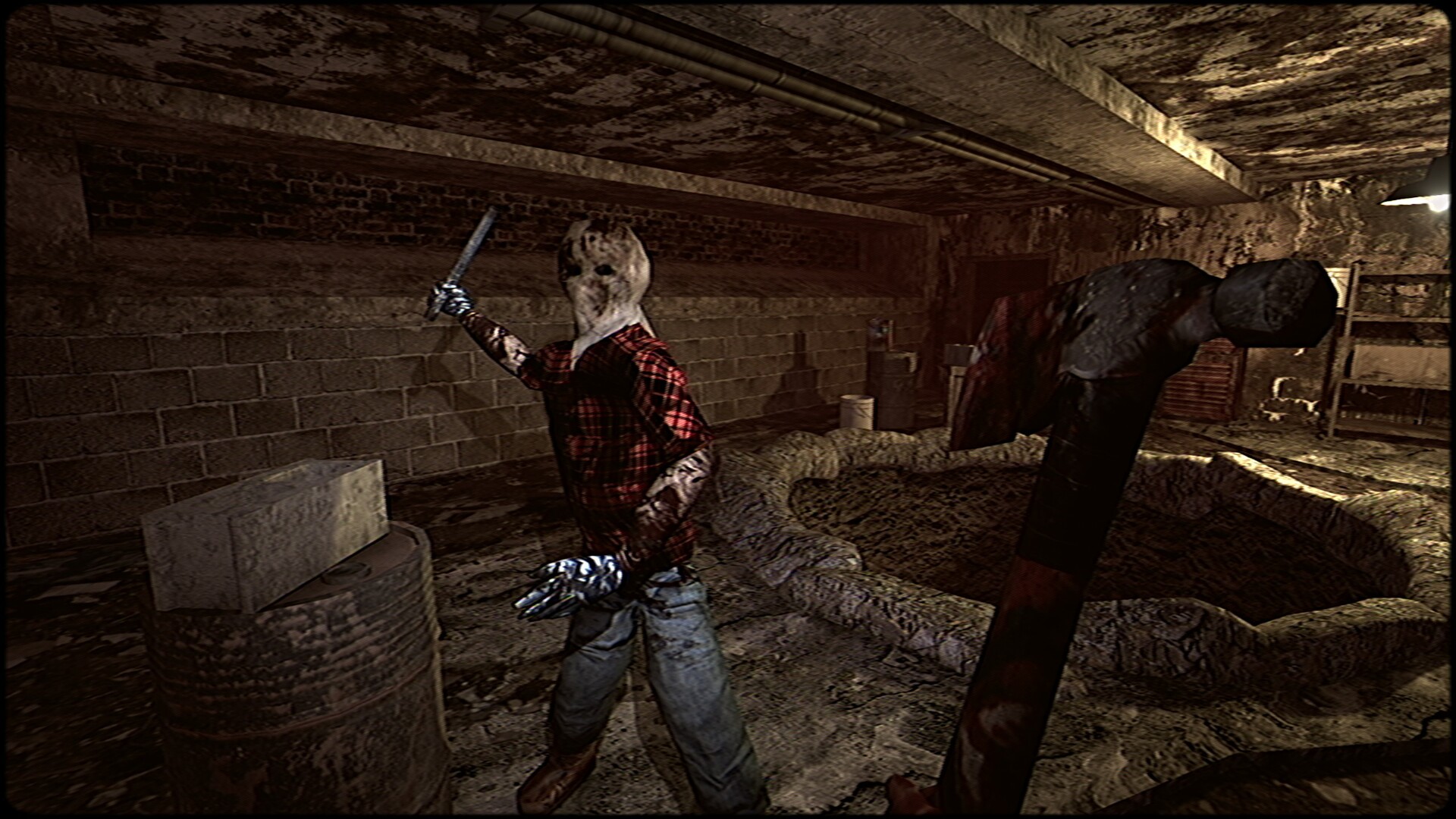
Combat is entirely hand-to-hand, built around improvised weapons like this hammer against the Creek's masked cultistsDavid Szymanski -
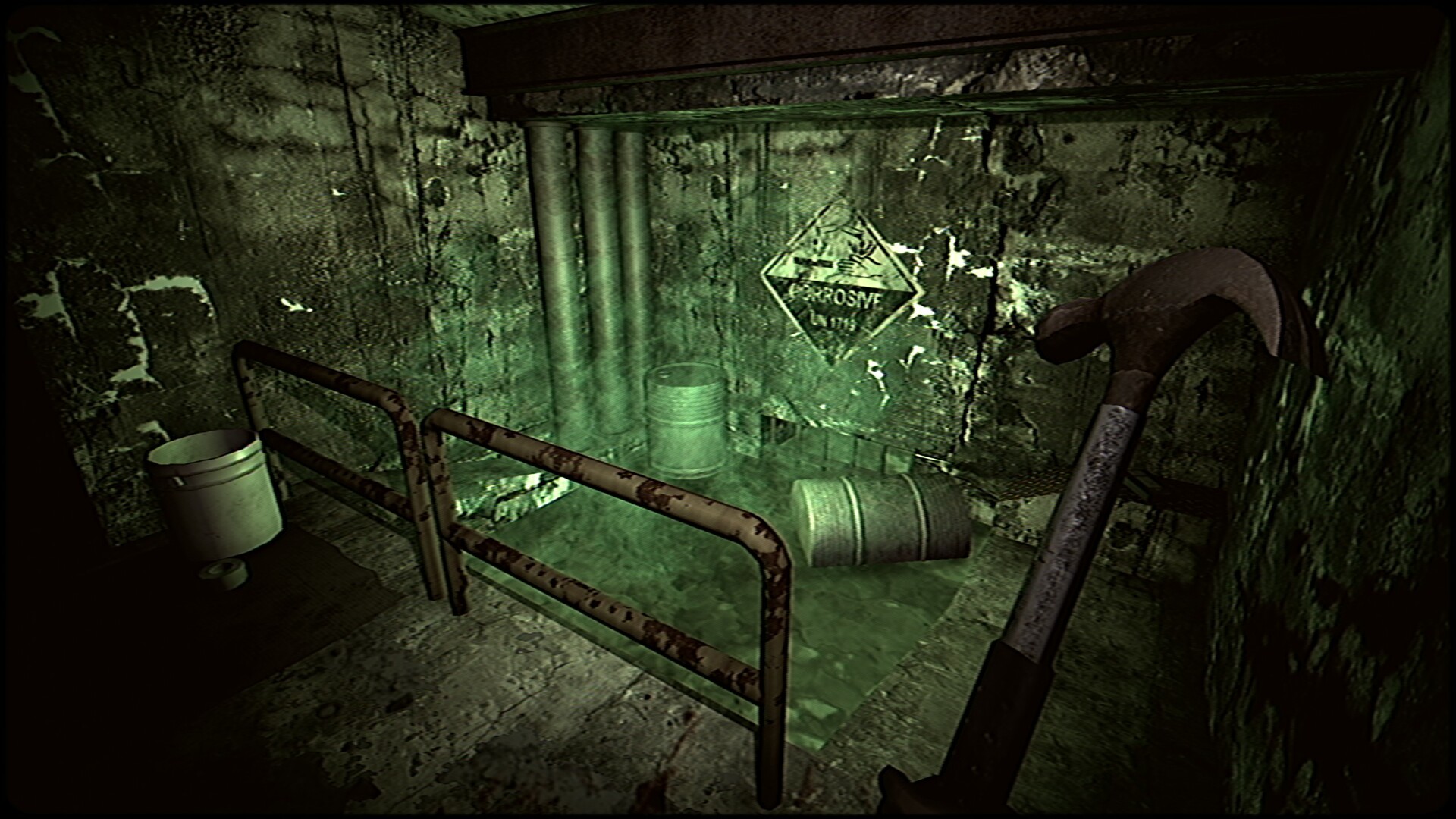
The Creek's tunnels and bunkers lean hard into a grungy, dilapidated atmosphereDavid Szymanski -
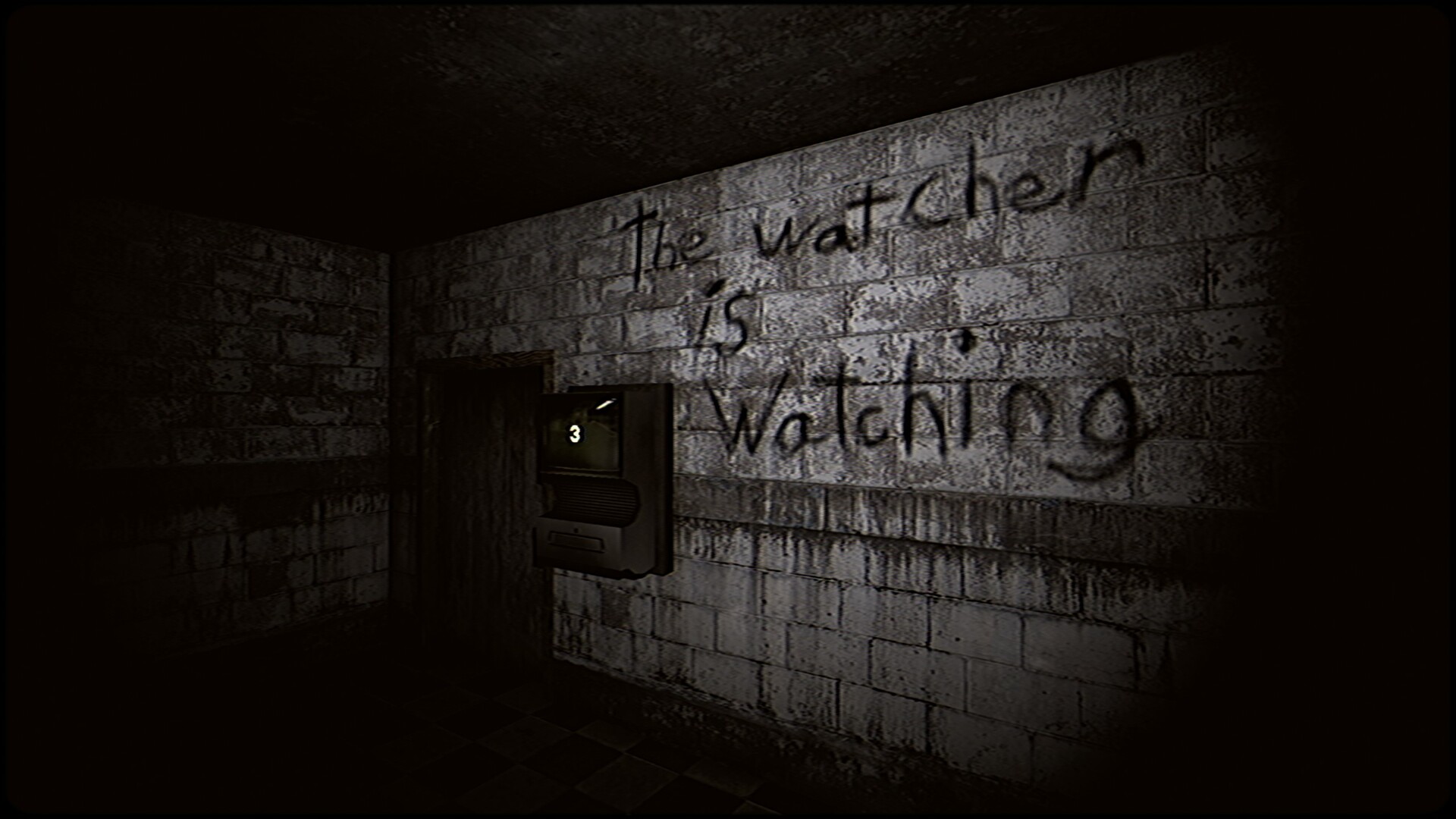
Scattered notes and unsettling set dressing do much of the game's atmospheric heavy liftingDavid Szymanski -
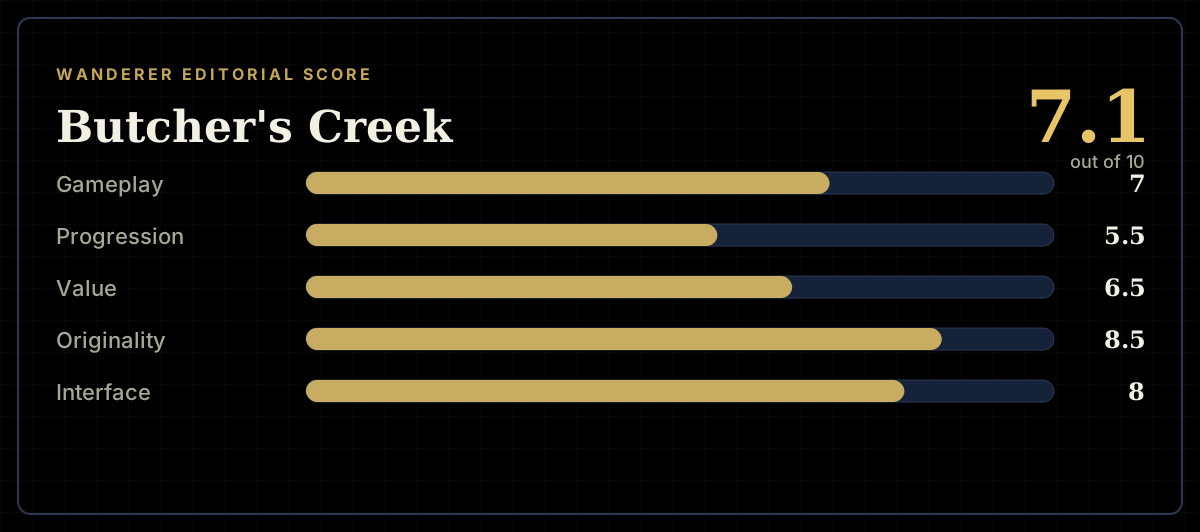
How the review scores each part of the gameWanderer Editorial -
The short versionWanderer Editorial