Game review
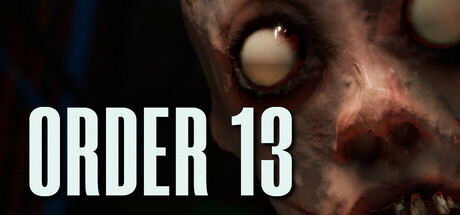
ORDER 13
5.6 / 10
- Developer
- Cybernetic Walrus
- Publisher
- Oro Interactive
- Released
- 10 March 2025
- Platforms
- PC
- Genre
- Horror, Simulation, Indie
- Monetisation
- Premium (one-time purchase)
- Players
- false
The short version
ORDER 13 sells a genuinely clever hook — a warehouse horror job where the real clock is a lonely cat, not a monster — and for the first hour or two it works. The trouble is the hook is also the whole game: one enemy, one loop, and a handful of upgrades that make the job easier without ever making it different. Worth a look at its low asking price, but don't expect the shift to last.
Biggest strengths
- A genuinely original premise — dread-tinged warehouse work shift crossed with a pet-care timer
- Polished presentation; multiple reviewers report zero bugs across long sessions
- Cheap enough that a short, satisfying run feels like fair value
Biggest weaknesses
- Only one enemy type for the entire game, with cosmetic-only changes as you progress
- Hiding spots are so generous the monster stops feeling threatening within the first hour
- Upgrades speed the job up but never change what the job actually is
Who it's for: Horror fans who want something short, atmospheric, and low-commitment, plus anyone who wants a stealth game they can finish in a single sitting.
Our recommendation: Recommended with reservations — a strong idea let down by thin content, best treated as a cheap one-or-two-sitting horror snack rather than a long-term game.
5.6 / 10
A Job You Clock In For, Not a Mansion You Explore
ORDER 13 drops you into a dead-end shift at a warehouse that clearly should not still be operating. You wake up, and rather than the usual haunted-house wandering that most indie horror leans on, you are handed a job: pull tickets, find the matching stock on the racks, scan and pack the orders, and hit a daily profit quota before your shift ends. Somewhere in the same building, something is moving between the shelves, and it is not there to help with inventory.
It is a smart reframing of a genre that has mostly settled into "walk through dark corridor, get scared, repeat." Turning the horror loop into a job — with a quota, a paycheck, and consequences for slacking off — gives ORDER 13 a structural hook that a lot of its competitors don't bother with. One reviewer summed the appeal up plainly: "you ever wonder what it's REALLY like working in an Amazon facility?" It's a joke, but it's also a fair description of what the game is actually asking you to feel: the low-grade dread of repetitive labour under time pressure, with a monster standing in for the usual indignities of minimum-wage work.
The Cat Is Doing More Work Than the Monster
The genuinely distinctive piece of ORDER 13 isn't the enemy stalking the aisles — it's the cat waiting back in your break room. Leave him alone too long and his "boredom meter" creeps toward a meltdown; spend your hard-earned pay on treats and toys and he settles. It sounds like a throwaway gimmick on paper, but reviewer after reviewer singles it out as the thing that actually kept them invested. "I work to provide for my cat. Nothing else matters. Cat is love cat is life. I would die for cat," reads one enthusiastic recommendation, and it's only half a joke — several other reviews describe genuinely budgeting their in-game spending around keeping him comfortable rather than upgrading their own gear.
That framing does double duty. It gives the game's economy a second, more relatable pressure valve beyond just "avoid the monster," and it gives ORDER 13 an emotional throughline that most stealth-horror games don't bother with. The trade-off, as more than one reviewer points out, is that the cat himself is mechanically thin — pet him, glance at his meter, spend money to top it up. He doesn't do anything, doesn't react to anything beyond lounging in a handful of pre-set spots, and functions closer to a UI element with a face than an actual companion. He's the game's best idea and its most under-built one at the same time.
One Monster, and You'll Learn Its Routine Fast
Where ORDER 13 runs into real trouble is in how quickly its central threat stops threatening anything. There is exactly one enemy type in the entire game — cosmetic variants appear as you unlock deeper warehouse areas, but the underlying behaviour never changes. Reviewers converge hard on this point. One detailed critical review lays it out precisely: "hiding spots from the monster are incredibly frequent, you have to actively put yourself in an awful position to ever be at risk of being caught," and once you clock that a waist-high crawlspace is enough to make the monster give up and wander off, the tension the game spent its opening act building evaporates fast. That same reviewer finished the entire game — nine in-game days — in under two hours, dying only once, calling the design "impressively shallow and easily mastered within thirty minutes."
Others are gentler about it but land on the same conclusion. A more positive review still concedes "the monster might not feel threatening after a while," and a mixed "love it but can't recommend it" review describes the enemy as receiving only "minor cosmetic changes the deeper you travel, but everything else stays the same." Even the jump-scares come in for criticism as a crutch: one reviewer describes the game leaning on "horror stingers or environmental noise to generate scare factor" once the one real threat has been fully learned, and a Halloween-week review found the whole thing "not even interesting enough for me to hate." A few players clearly find the low-stakes version of the loop relaxing rather than disappointing — "its alright you can turn off the monsters and just work in a haunted warehouse lol" — which says a lot about how quickly the horror framing becomes optional set dressing rather than a real constraint.
Upgrades That Make the Job Faster, Never Different
The progression system is where ORDER 13's shallowness becomes hardest to ignore. Certificates and upgrades unlock as you hit quota, but they almost entirely fall into two buckets: things that make the existing loop marginally faster (sprint longer, carry more items, scan more tickets at once), and things that manage the cat's happiness meter more efficiently. Nothing changes what you are actually doing — find the ticket, find the rack, scan the item, avoid the one enemy, repeat — and several reviewers note that later warehouse areas increase the walking distance and monster exposure without a matching increase in the payout that's supposed to justify the risk. One long-session review put it bluntly: newer areas the player unlocked "vastly increase the amount of running around you have to do without a matching increase in payout," which inverts the escalating-stakes structure horror games usually rely on to keep tension climbing.
A harsher review pushes further, arguing the difficulty scaling actively works against the player rather than testing them fairly: "the monster somehow knows your location and even tries to camp you," and claims speed upgrades don't meaningfully help because "the monster will always run faster." Whether or not that's a precise mechanical read, it captures a real frustration running through the critical reviews — that ORDER 13's difficulty comes from attrition and repetition rather than from the player getting meaningfully better at reading and avoiding a smarter threat. By the time most reviewers reach the second or third unlocked area, the appeal of "what's around the next corner" has mostly been replaced by "how much longer until quota."
A Short Shift, Priced Like One
What keeps ORDER 13 from tipping into genuine disappointment is how honestly its length and price line up with what it delivers. Most reviewers report finishing everything the game has to offer somewhere between two and eight hours, with the ending itself described by more than one player as a low-key wrap-up rather than a dramatic climax. At its roughly NZ$13.50 asking price, several reviewers explicitly frame that runtime as fair value rather than a shortfall — one positive review calls it "an easy recommendation for fans of light horror... especially for under $10," referring to its price at the time of writing, and even a critical two-hour review concedes "the only thing it has going for it is the relatively low price tag."
That said, the value case has real limits. A handful of reviewers describe unlocking a suspicious number of achievements within their first forty minutes, with one specifically questioning whether the achievement pacing was tuned to make the game look more played-through than it is: "at less than 40 minutes in, I have more achievements related to gameplay progression than over 80% of players." Technically, the game holds up well — multiple reviewers across very different playtimes (under two hours to over thirty) report encountering no bugs, and the atmosphere and warehouse art direction are consistently praised even by players who otherwise came away unimpressed with the horror content. Controller support is one specific, repeated gap — Steam Deck players in particular flag the lack of native controller mapping as a rough edge on an otherwise polished release.
Verdict: A Strong Pitch That Doesn't Have the Content to Back It Up
ORDER 13's premise is the kind of idea that should have spawned a much bigger game — dread-laced warehouse labour, a genuinely affecting pet-care system standing in for the usual survival meters, and a monster you have to learn to read rather than simply outrun. For its opening stretch, that idea lands, and it lands specifically because the cat gives the whole thing emotional stakes that a jump-scare alone never could. The problem is structural rather than a matter of polish: one enemy, one loop, and an upgrade tree that only ever makes the existing job smoother rather than different means the game runs out of things to say well before most players run out of interest in listening.
At its current low price, that's a forgivable trade — a two-to-five-hour horror curiosity with a genuinely sticky hook is a perfectly reasonable way to spend an evening, and the strong Steam approval rating (87% of 1,224 reviews at time of writing) suggests most buyers agree the asking price matches what's delivered. Just go in expecting a short, atmospheric shift rather than a long-term stealth-horror campaign, and don't expect the monster in the shadows to still feel dangerous by the time you clock out for the last time.
Pros and cons
Pros
- A genuinely original premise — dread-tinged warehouse work shift crossed with a pet-care timer
- Polished presentation; multiple reviewers report zero bugs across long sessions
- Cheap enough that a short, satisfying run feels like fair value
- The cat is an effective, low-key emotional hook rather than a gimmick bolted on for marketing
Cons
- Only one enemy type for the entire game, with cosmetic-only changes as you progress
- Hiding spots are so generous the monster stops feeling threatening within the first hour
- Upgrades speed the job up but never change what the job actually is
- Very short — most reviewers report finishing everything within two to five hours
Screenshots
-
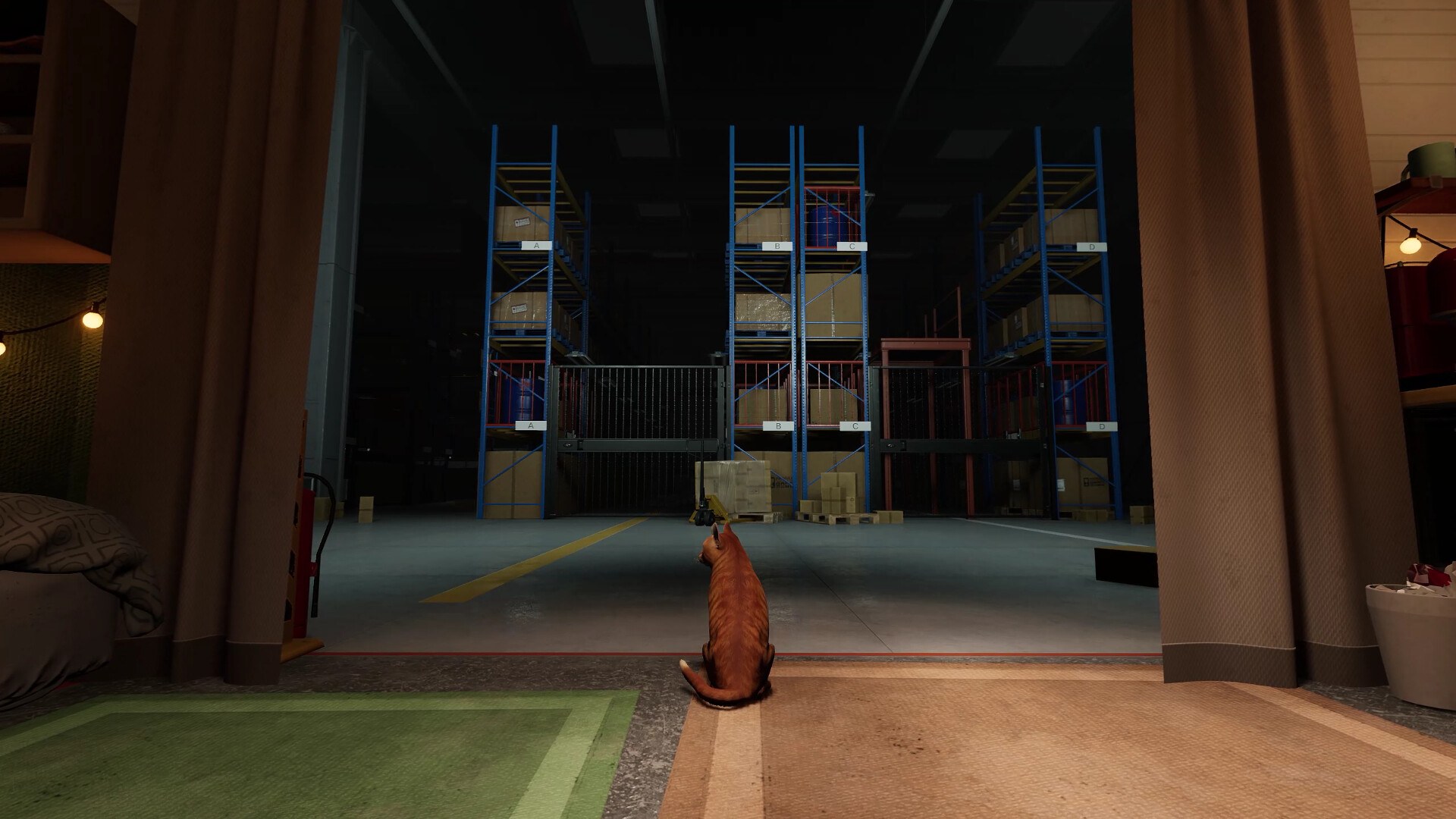
The cat waiting back at base is the game's real motivator, not the monster stalking the aisles.Oro Interactive -
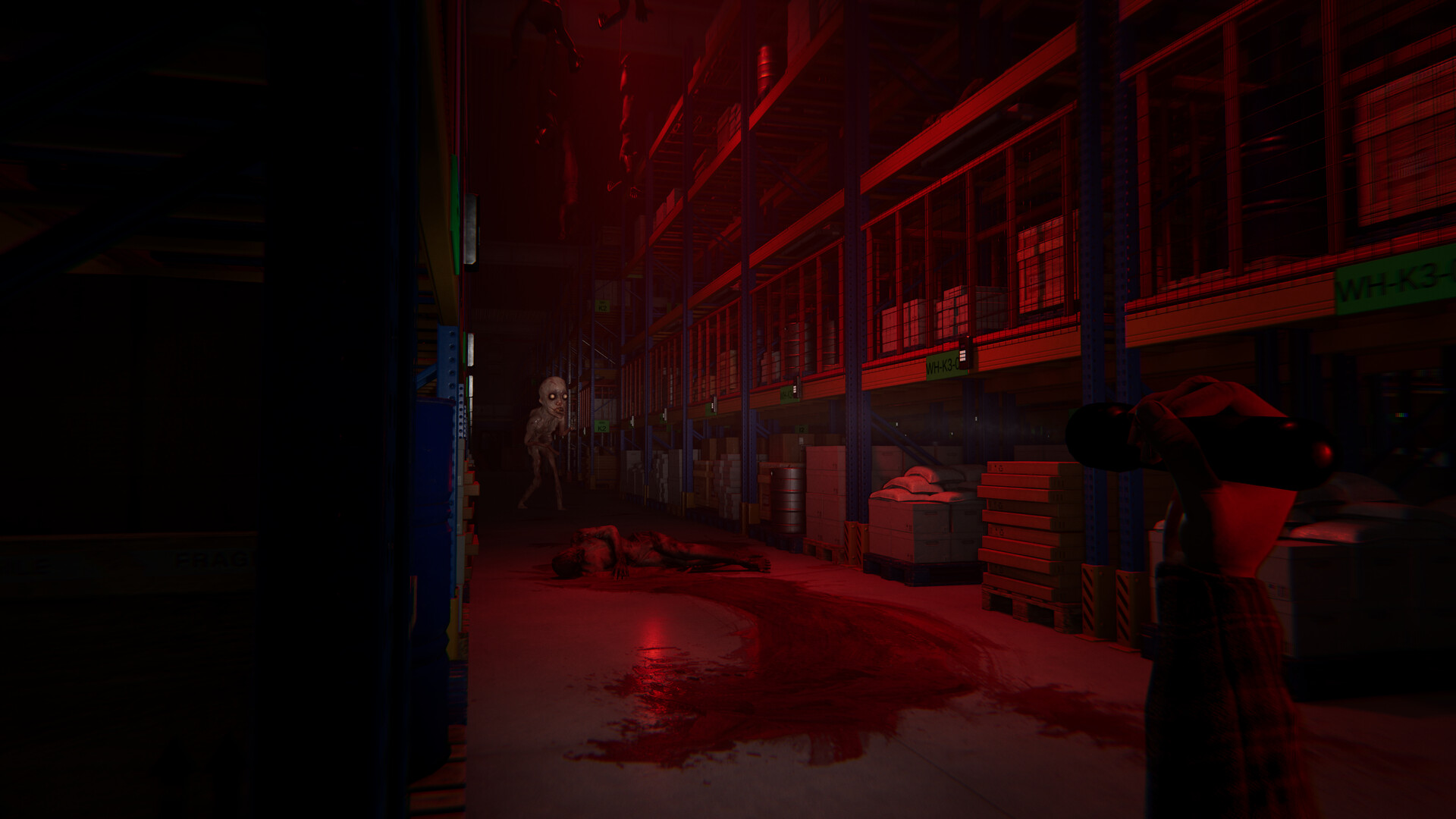
The warehouse's single enemy type stalks the aisles, though reviewers say it stops feeling threatening once its patterns are learned.Oro Interactive -
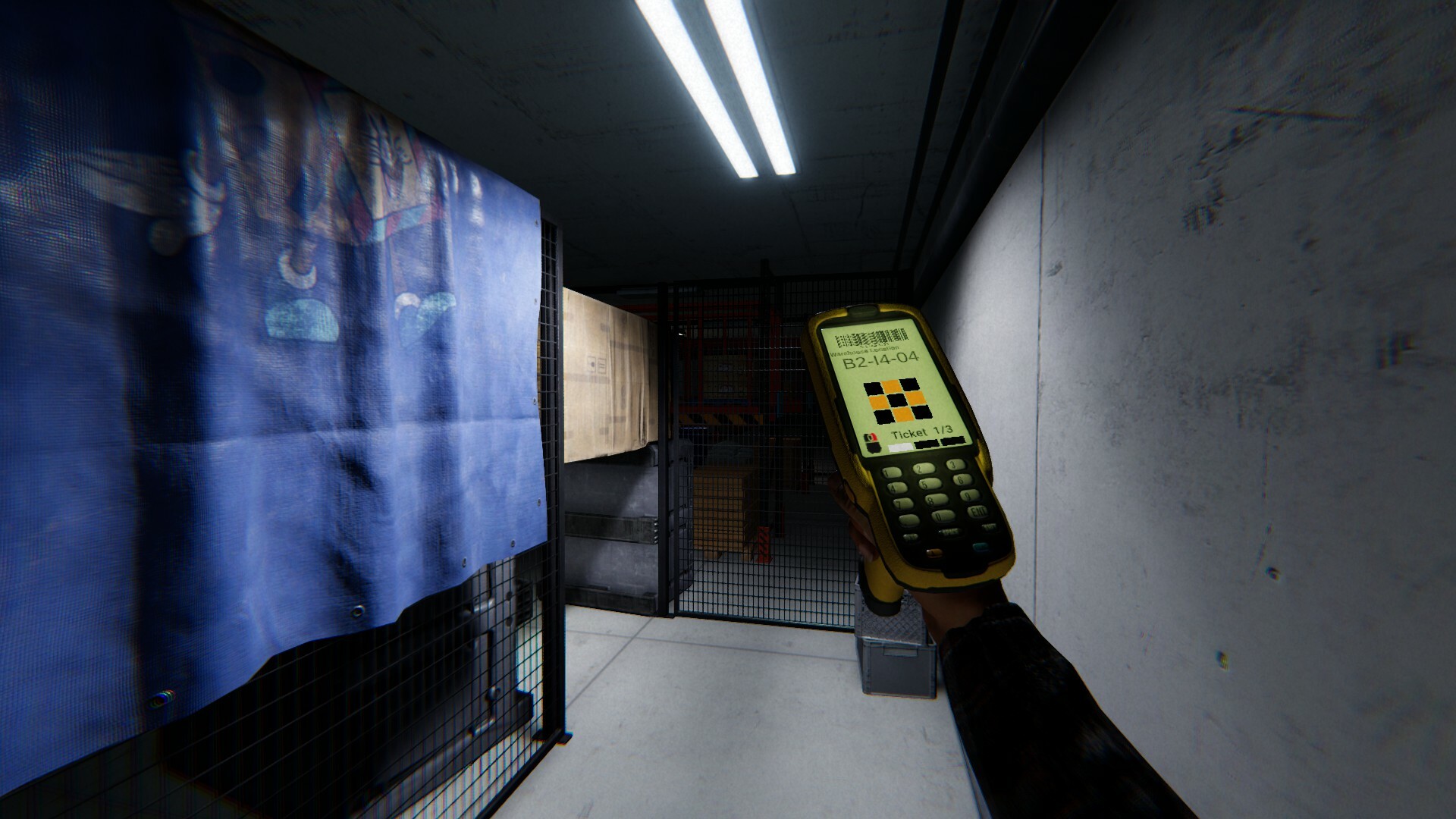
Scanning tickets and finding matching stock is the core of the job loop that repeats with little variation across the game.Oro Interactive -
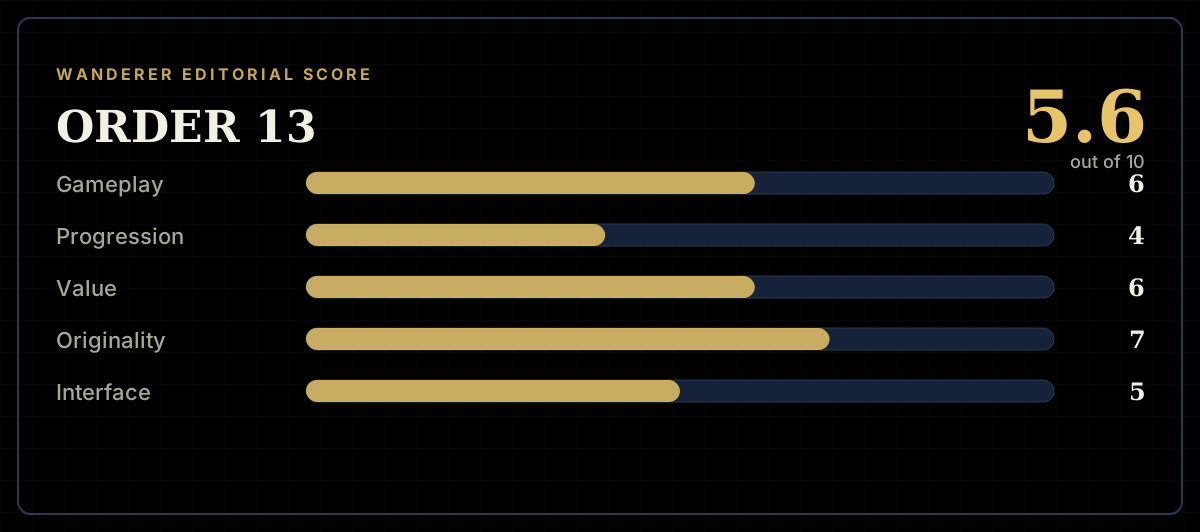
How the review scores each part of the gameWanderer Editorial -
The short versionWanderer Editorial