Game review
Brew
6.3 / 10
- Developer
- Snow Leaf Studios
- Publisher
- Snow Leaf Studios
- Released
- 6 November 2025
- Platforms
- ["Windows"]
- Genre
- Action
- Monetisation
- Paid
- Players
- Single-player
The short version
Brew pairs a genuinely inventive potion-crafting combat system with a Hades-style cast of classmates to befriend, and the charm of both is obvious from the reviews alone. But a small team's ambition has outpaced its polish: softlocks, a thin sound mix, and a stingy resource economy are the price of admission for now.
Biggest strengths
- A genuinely inventive potion system: drink, throw, or load potions as gun ammo, each with different effects
- Charming character designs and a Hades-style hub where relationships with classmates deepen between runs
- Fast, fluid Ratchet & Clank-style movement and combat that reviewers repeatedly single out as satisfying
Biggest weaknesses
- Frequent softlocks: bosses going invulnerable, enemies failing to spawn, and rooms that won't complete
- Thin, quiet sound design with almost no enemy sound effects and no voice acting
- A stingy early-game resource economy that punishes experimenting with potions before bosses
Who it's for: Roguelite fans who don't mind rough edges in exchange for a genuinely creative combat system and a likeable cast.
Our recommendation: Recommended for roguelite fans willing to tolerate bugs; those who want a polished experience out of the box should wait for further patches.
6.3 / 10
A Furry Alchemy Academy Wrapped Around a Roguelite Shooter
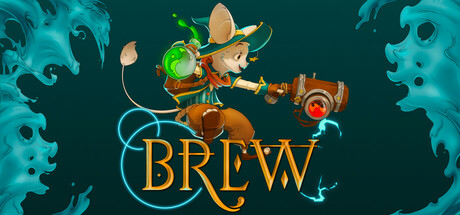
Brew casts you as a rat enrolled at an alchemy academy, repeatedly failing the entrance exam until a mysterious patron offers a shortcut: climb the Tower, brew potions, and prove yourself against increasingly dangerous bosses. Developed and self-published by the six-person team at Snow Leaf Studios after roughly four years of development, it's a third-person action roguelite that spends its runs on fast, Ratchet & Clank-style combat and its downtime on a Hades-style hub, where you build relationships with a cast of anthropomorphic classmates between attempts. The core hook is its potion system: six potion types can be drunk for a buff, thrown as a grenade, or loaded into your alchemy gun as ammunition, each mode behaving differently and each further customisable with nine modifications per potion.
The 133 English-language Steam reviews land at Very Positive, with 111 recommending it against 22 who don't, and reading through the set makes the shape of that split obvious almost immediately. Reviewers are close to unanimous that the art direction, character writing, and core combat idea are excellent; the negative reviews and a large share of the positive ones are just as unanimous that the game shipped with more rough edges than a full release should carry. One reviewer, having followed the project since an earlier prototype and demo, called it "an impressive project" despite "many technical issues," which captures the tone of a large share of the review set better than almost anything else in the sample.
Charming Art, a Clever Potion System, and Real Combat Depth
The single most repeated compliment, appearing in nearly every review regardless of overall verdict, is the character and art design. Reviewers call the cast "adorable," "full of personality," and comparable in polish to a "fairly high budget game" from the screenshots alone, and the hub structure, borrowed directly from Hades' loop of running the gauntlet and then returning to deepen relationships with NPCs through gifts and dialogue, gets consistent praise for making the social layer feel like a real reason to keep playing rather than filler between runs.
The potion system earns just as much respect. Multiple reviewers describe genuinely rethinking their strategy mid-run around whether to drink, throw, or load a given potion, and the nine modifications per potion give enough build variety that several reviewers compare the depth favourably to established genre names like Risk of Rain and Gunfire Reborn. The moment-to-moment combat, praised repeatedly for its fluid dashing and snappy melee-to-ranged transitions, draws constant Ratchet & Clank comparisons, with more than one reviewer saying they wished that older series played more like this. A handful of balance quirks surface even among fans, most notably a lightning-element build that several reviewers agree is significantly overtuned compared to every other element on offer.
Bugs, Softlocks, and a Sound Mix That Needs Work
Set against that praise is a consistent, detailed thread of technical complaints, and it's the single biggest reason the aggregate sits at Very Positive rather than higher. Softlocks come up repeatedly and specifically: bosses going permanently invulnerable mid-fight, enemies failing to spawn in a room and leaving no way to progress, and characters T-posing or clipping out of bounds, all described by multiple independent reviewers rather than one-off reports. Several reviewers note the developers are actively patching, with one specifically praising eight separate patches inside the first month post-launch, but the bugs were still common enough at the point most reviews were written to be the headline complaint in a large share of both positive and negative reviews.
Sound design draws almost as much criticism. Reviewers repeatedly describe enemies with no combat sound effects at all, an overall mix that stays quiet even at maximum volume, and a complete absence of voice acting despite dialogue-heavy hub scenes. One detailed review breaks this down further, noting the surround sound configuration effectively drops to a front-channel-only mix regardless of a player's actual speaker setup. Controller support draws its own smaller but recurring complaint: multiple reviewers report the same face button being mapped to both potion-loading and world interaction, causing potions to be wasted by accident, and camera inversion reportedly doesn't work correctly on gamepad at all.
A Short Climb Up the Tower, With an AI-Icon Accusation Along the Way
Length and resource balance round out the recurring criticisms. Full completion times cluster between four and fourteen hours depending on how thoroughly a reviewer pursued the relationship content, and several note beating the final boss on an early attempt, well before they felt ready for the game to end; a couple of reviewers who otherwise enjoyed their time flag this brevity specifically as the reason for a lukewarm rather than enthusiastic recommendation. The early game's resource economy draws a related complaint: potions and crafting ingredients are scarce enough that several reviewers describe hoarding everything for boss fights rather than experimenting during regular combat, which works against the system's own selling point of encouraging players to try different potion combinations.
One negative review raises a more pointed concern, arguing the game's five main menu icons show signs of being AI-generated or AI-assisted, citing inconsistent lighting angles and a stylistic mismatch between icons that a human illustrator working from the same brief would likely have kept consistent. It's a claim made by a single reviewer rather than a recurring theme across the sample, and it concerns a small set of interface icons rather than the game's character art or environments, which the review set otherwise praises consistently as clearly hand-crafted.
Verdict
Brew is exactly the kind of roguelite that's easy to root for: a small studio's first ambitious project, built around a potion system that's genuinely more inventive than most of what the genre offers, wrapped in character designs and a relationship hub that reviewers keep singling out as the game's emotional core. The problem is that the technical foundation hasn't caught up to the ambition yet, and softlocks, thin sound design, and a stingy early economy are common enough complaints across the review set to be a real barrier rather than launch-week noise. If you're the kind of roguelite fan who can look past bugs for a fresh combat idea and a cast worth getting attached to, there's a lot here already. If you'd rather wait for the jank to be ironed out, keep an eye on the patch notes before buying at full price.
Pros and cons
Pros
- A genuinely inventive potion system: drink, throw, or load potions as gun ammo, each with different effects
- Charming character designs and a Hades-style hub where relationships with classmates deepen between runs
- Fast, fluid Ratchet & Clank-style movement and combat that reviewers repeatedly single out as satisfying
Cons
- Frequent softlocks: bosses going invulnerable, enemies failing to spawn, and rooms that won't complete
- Thin, quiet sound design with almost no enemy sound effects and no voice acting
- A stingy early-game resource economy that punishes experimenting with potions before bosses
Screenshots
-
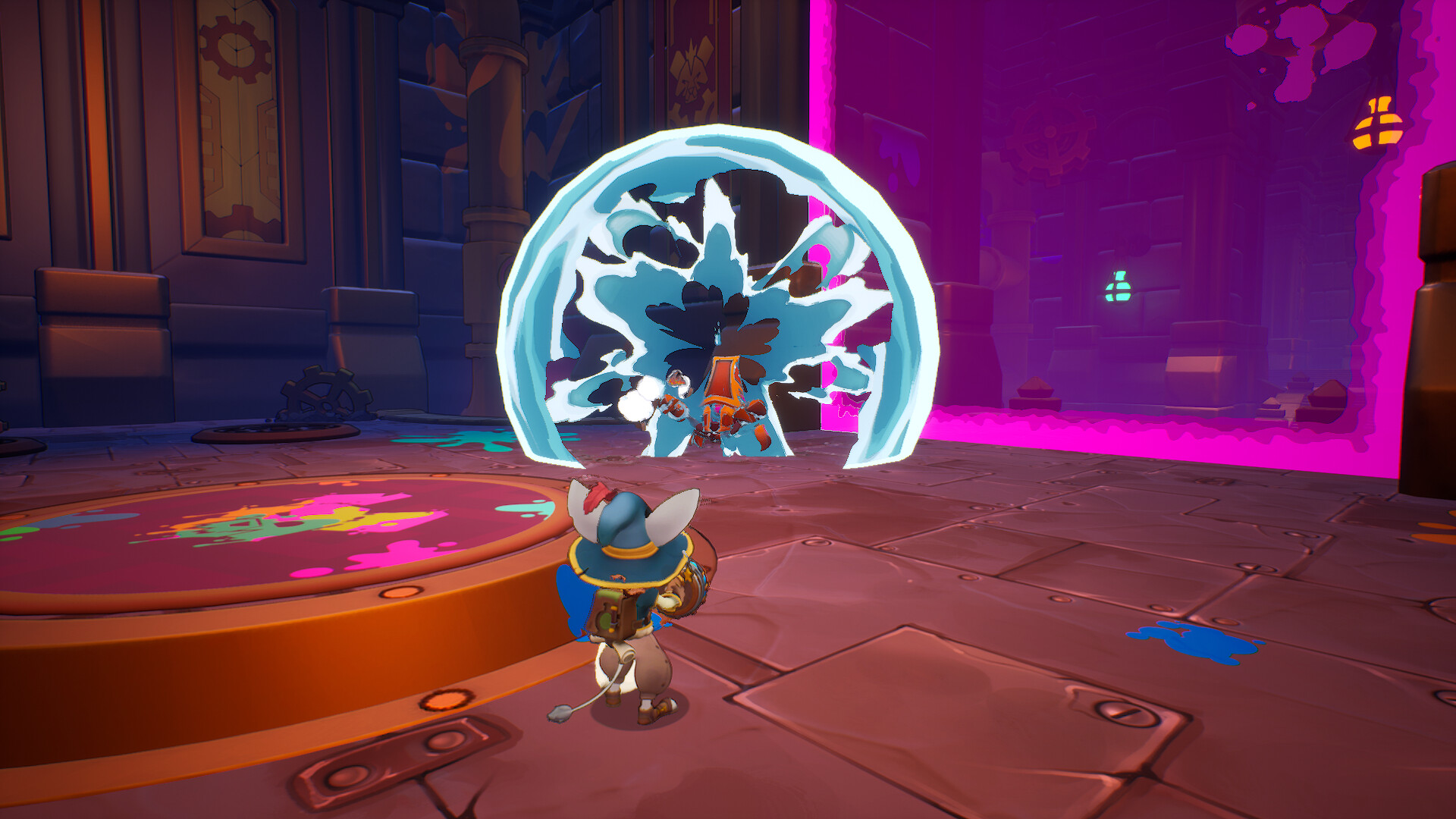
Stepping into the Tower, where each run mixes fast combat with potion-crafting on the flySnow Leaf Studios -
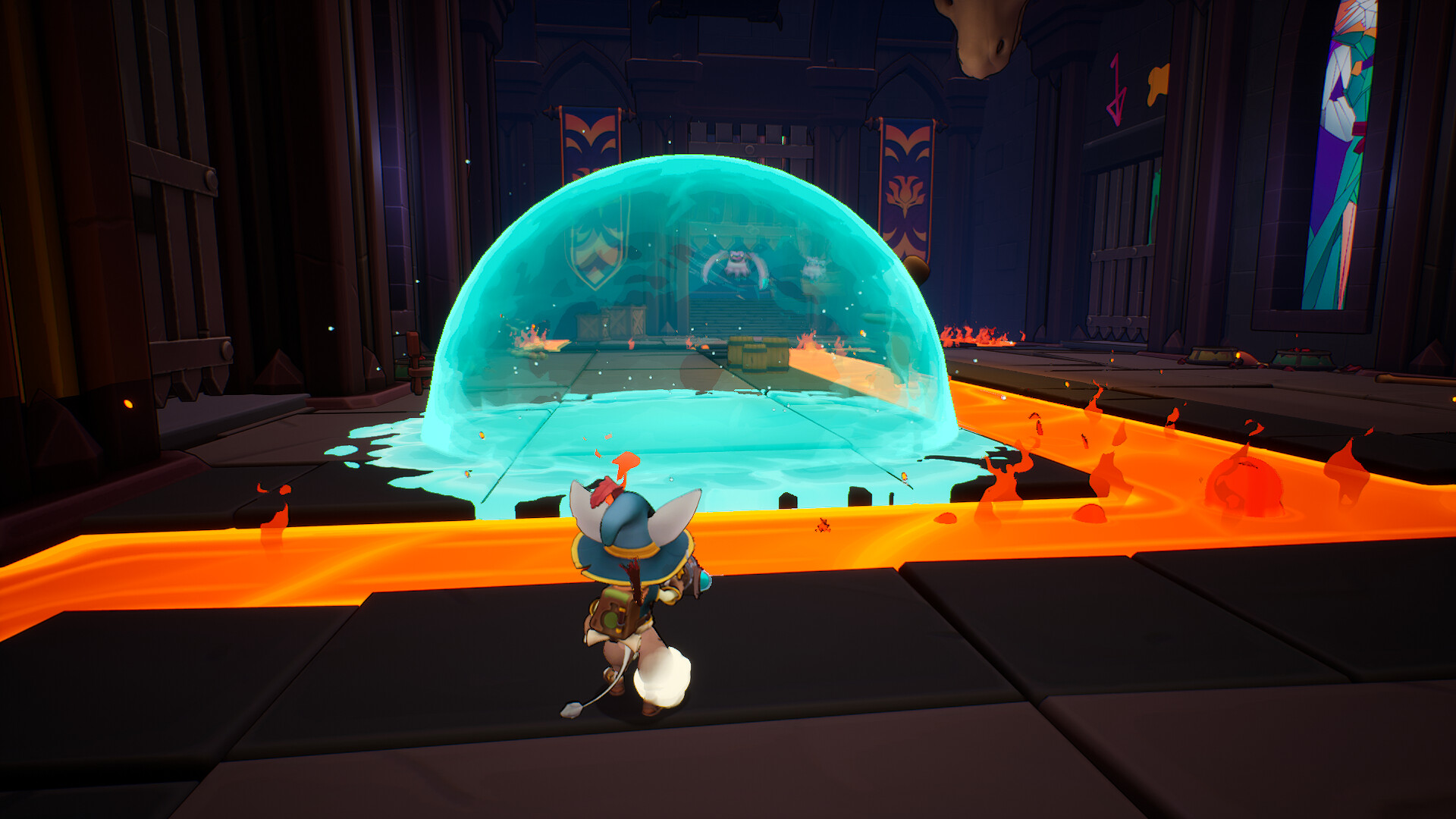
A defensive potion shield in use, one of several ways the potion system reshapes a fightSnow Leaf Studios -
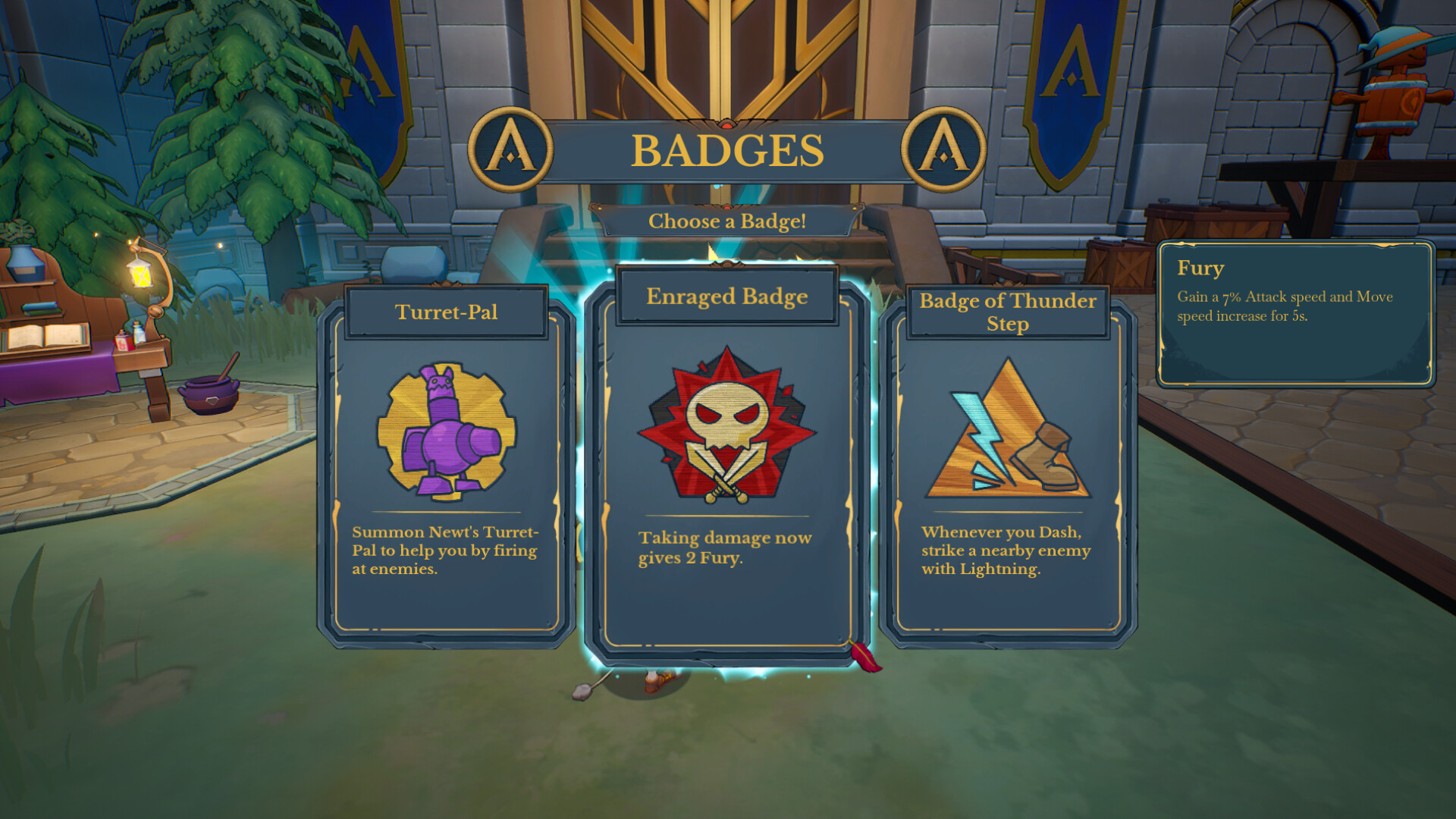
Choosing a badge between runs, part of the meta-progression reviewers praised for its build varietySnow Leaf Studios -
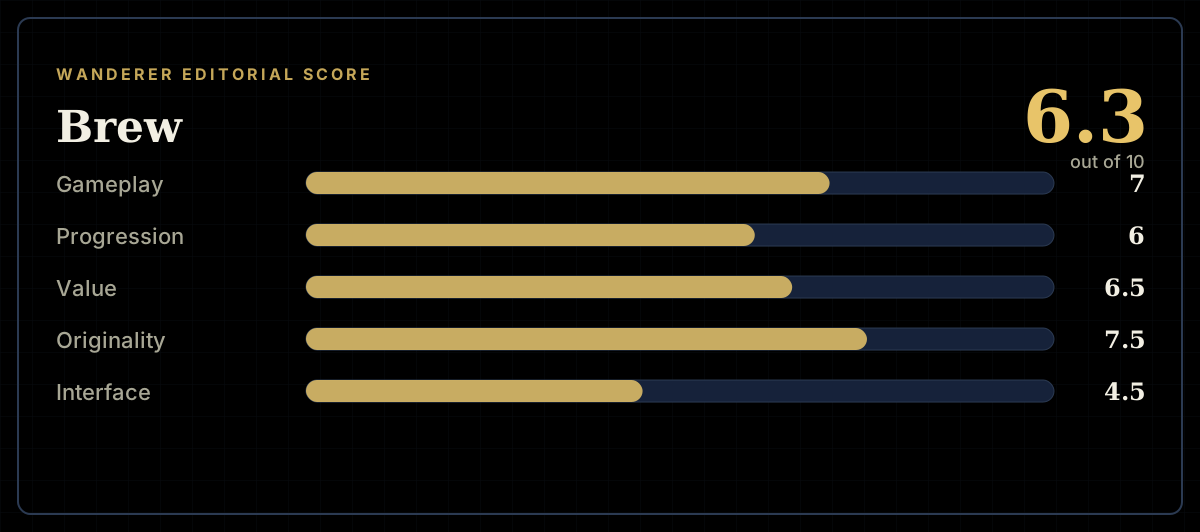
How the review scores each part of the gameWanderer Editorial -
The short versionWanderer Editorial