Game review
Bloomtown: A Different Story
7 / 10
- Developer
- Lazy Bear Games, Different Sense Games
- Publisher
- Twin Sails Interactive
- Released
- 24 September 2024
- Platforms
- Windows
- Genre
- JRPG, Turn-Based Tactics, Party-Based RPG
- Monetisation
- One-time purchase, no in-game store
- Players
- Single-player only
The short version
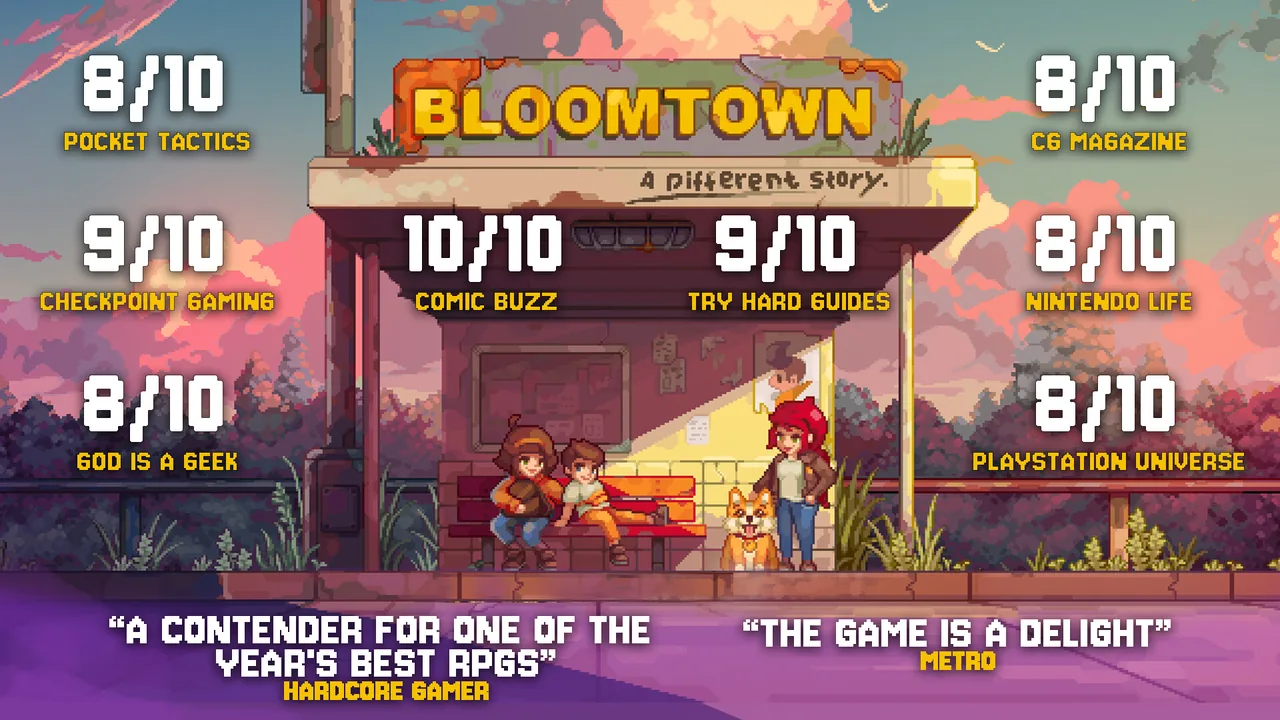
Bloomtown: A Different Story sends two siblings to spend a summer in a picture-perfect 1960s American town that turns out to be hiding demons born from its residents' hearts, blending Persona-style social links and turn-based, weakness-exploiting combat with monster taming. Developed by Lazy Bear Games and Different Sense Games and published by Twin Sails Interactive, it released on 24 September 2024. Its 784 English-language Steam reviews sit at Very Positive, roughly 85.3%, and reading nearly the entire negative sample (100 of 115) alongside the top positives finds a game whose gorgeous pixel art and genre ambition are almost never disputed, paired with specific, repeated complaints about combat accuracy and a save system severe enough that the developers themselves admitted at launch it needed fixing — and then fixed.
Biggest strengths
- Pixel art, animation and music draw wide, unreserved praise across the entire sample as the game's standout strength, frequently singled out even by reviewers who otherwise recommend against buying
- The genre mashup of social-link relationship building, exploration and monster-taming combat is credited as a genuinely ambitious, distinctive combination rather than a simple Persona clone
- The developers responded directly to launch complaints about the lack of a proper manual save option, shipping a fix within two months that added the feature players had specifically asked for
Biggest weaknesses
- A cluster of detailed negative reviews describes combat accuracy as a persistent frustration, with attacks missing at rates several reviewers found excessive even when exploiting enemy weaknesses
- The game's own highest-voted negative review states plainly that several core systems felt unfinished at launch, including social stats mechanics that don't develop as fully as the Persona formula they're modelled on
- Story and pacing draw a real, specific complaint cluster describing the narrative as thinner than the setup promises, with some reviewers feeling the plot doesn't fully deliver on its early atmosphere
Who it's for: Persona and Earthbound fans who want a smaller-scale, pixel-art take on the social-RPG formula with real creature-collecting depth; less suited to anyone who wants tightly-tuned turn-based combat without accuracy frustration.
Our recommendation: A genuinely lovely, ambitious indie JRPG worth playing for its art, world and social systems, with combat rough edges that were worse at launch than they are now.
7 / 10
Introduction
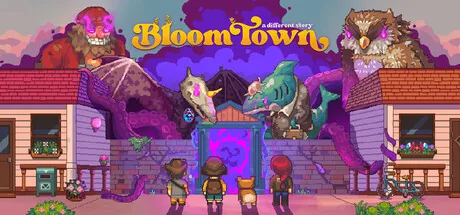
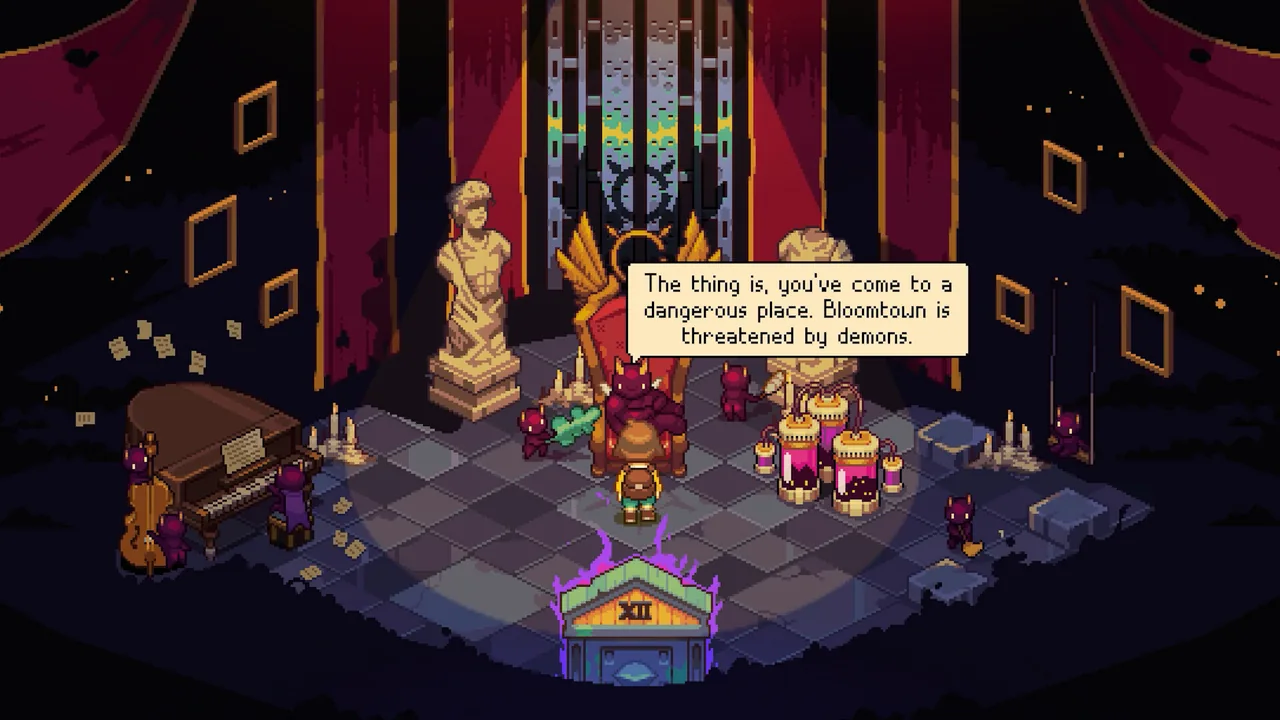
Bloomtown: A Different Story sends Emily and her friends to a summer in a small, seemingly idyllic 1960s American town, one that turns out to be quietly infested with demons manifested from its own residents' hidden anxieties and grudges. It borrows its structure openly from Persona — build relationships during the day, explore a shadow-world dungeon layer at night, recruit demons to fight alongside a turn-based party that exploits elemental weaknesses — filtered through a pixel-art Americana aesthetic that draws as much from Gravity Falls and Stranger Things as it does from Shin Megami Tensei. Lazy Bear Games and Different Sense Games developed it, and Twin Sails Interactive published it on 24 September 2024. Reading 100 of its 115 available English-language negative reviews, plus the 100 most-upvoted positives, out of a Very Positive corpus (roughly 85.3% across 784 reviews) finds a game whose ambition and presentation are rarely in dispute, wrapped around specific, fixable-feeling friction that both hurt it at launch and has partly been addressed since.
Art and world-building that earn near-universal praise
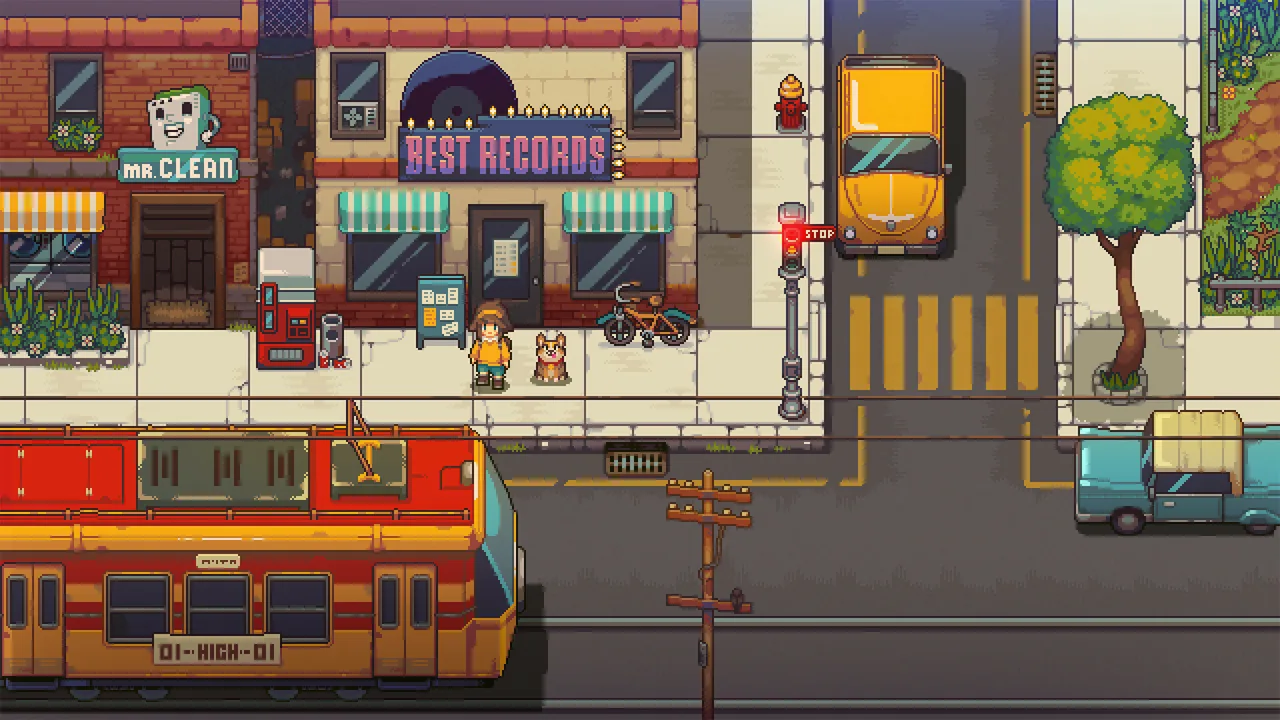
Whatever else a given review says about Bloomtown, its pixel art draws consistent, often unreserved admiration. Reviewers across the negative sample — people actively recommending against the game — still stop to praise "gorgeous" or "incredible" spritework and animation, and the soundtrack draws similarly steady credit, with battle themes singled out repeatedly. The 1960s Americana setting itself earns real, specific praise for feeling lived-in and believable rather than a thin skin over a generic JRPG town, and its blend of tones — cozy small-town charm shading into genuinely dark subject matter including mental illness, alcoholism and abuse — is treated by several reviewers as a deliberate strength rather than tonal whiplash. The game's own community tag votes back the ambition of the mashup: RPG, JRPG, Party-Based RPG, Creature Collector and Story Rich all cluster near the top together, describing a game its audience sees as several genres working in combination rather than any single one dominating.
Combat that undercuts the pitch
The most consistent, specific complaint in the negative sample concerns how combat actually feels to play. Multiple reviewers report attack accuracy rates they found excessive, describing situations where several party members miss consecutively even while targeting known enemy weaknesses — one detailed review said the miss rate turned encounters against enemies that heal into "excruciatingly tedious" wars of attrition rather than the tactical weakness-exploitation the Persona-style formula is meant to reward. That's a specific, mechanical complaint rather than a vague "combat feels off" one, and it recurs often enough across independent reviewers to read as a real balance issue rather than one player's bad luck streak. A related thread argues the social-stat systems that are meant to mirror Persona's social links don't develop with the same depth, leaving that half of the game's core structure feeling thinner than its inspiration.
A save system the developers admitted was a problem
Here's where this review can point to something more unusual than an ongoing dispute: a genuinely resolved complaint, confirmed by the developers' own words. Multiple negative reviews at launch singled out the absence of a proper manual save option — one reviewer described entire late-game acts where saving wasn't possible at all, turning any interruption into a real risk of lost progress. Two months after release, in a November 2024 update post, the developers wrote plainly: "we know you've been wanting to manually save your game and run without holding down that button all the time" and shipped the fix players had been asking for directly. That's about as clean a case as this library sees of a launch complaint being both real and subsequently addressed, rather than simply aging out or being disputed.
Not every post-launch change landed as well. A separate complaint, raised by several reviewers after a later patch, describes newly-added input delay on dialogue with no option to disable it — one reviewer noted pointedly that the pre-release demo handled this better than the shipped, patched game did. It's a reminder that ongoing support cuts both ways: the developers have clearly been listening and iterating, but not every iteration has been a pure improvement.
Final Verdict
Bloomtown: A Different Story is an ambitious, visually striking indie JRPG that wears its Persona influence openly and mostly earns the comparison through genuine craft in its art, music and world. Where it falls short of the games it's chasing is in combat feel — accuracy frustrations that several independent reviewers describe in near-identical terms — and in story and social systems that don't always deliver on the depth their premise promises. The developers have shown real willingness to listen and patch, most concretely in fixing the save system players specifically asked for, which should give a prospective buyer more confidence than the launch-week reviews alone would suggest. Go in for the art, the world and the ambition of the mashup, and expect combat that's good rather than tightly tuned.
Pros and cons
Pros
- Pixel art, animation and music draw wide, unreserved praise across the entire sample as the game's standout strength, frequently singled out even by reviewers who otherwise recommend against buying
- The genre mashup of social-link relationship building, exploration and monster-taming combat is credited as a genuinely ambitious, distinctive combination rather than a simple Persona clone
- The developers responded directly to launch complaints about the lack of a proper manual save option, shipping a fix within two months that added the feature players had specifically asked for
- Continued post-launch support has included balance and reward updates plus a 2025 mobile port, showing sustained investment well past release
Cons
- A cluster of detailed negative reviews describes combat accuracy as a persistent frustration, with attacks missing at rates several reviewers found excessive even when exploiting enemy weaknesses
- The game's own highest-voted negative review states plainly that several core systems felt unfinished at launch, including social stats mechanics that don't develop as fully as the Persona formula they're modelled on
- Story and pacing draw a real, specific complaint cluster describing the narrative as thinner than the setup promises, with some reviewers feeling the plot doesn't fully deliver on its early atmosphere
- At least one post-launch patch introduced a new complaint of its own — added input delay on dialogue with no way to disable it, which several reviewers said made the game feel worse than its own pre-release demo
Screenshots
-
Bloomtown: A Different StoryImage: Twin Sails Interactive via Steam -
Bloomtown: A Different StoryImage: Twin Sails Interactive via Steam -
Bloomtown: A Different StoryImage: Twin Sails Interactive via Steam -
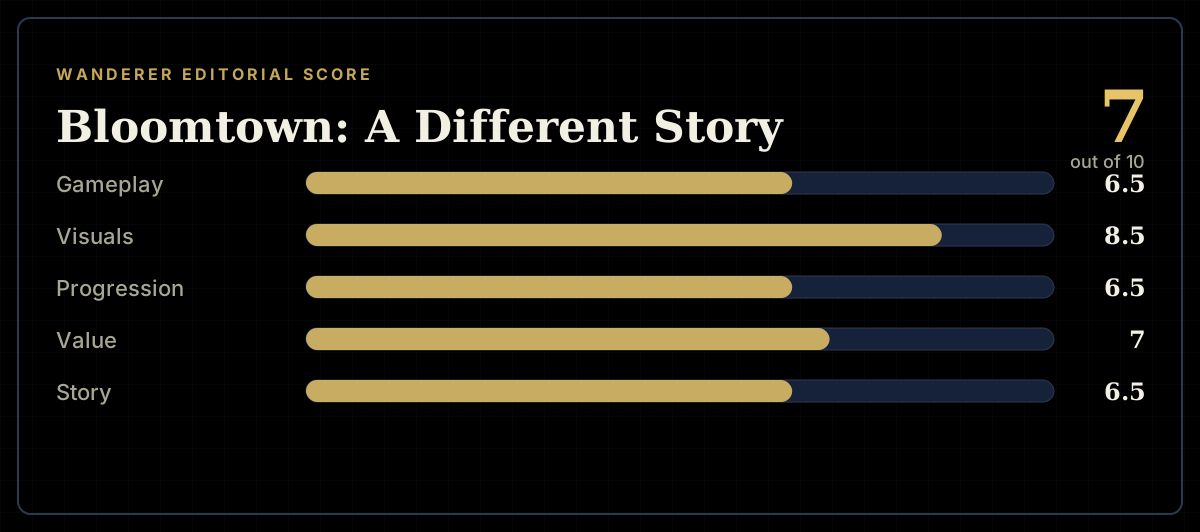
How the review scores each part of the gameWanderer Editorial -
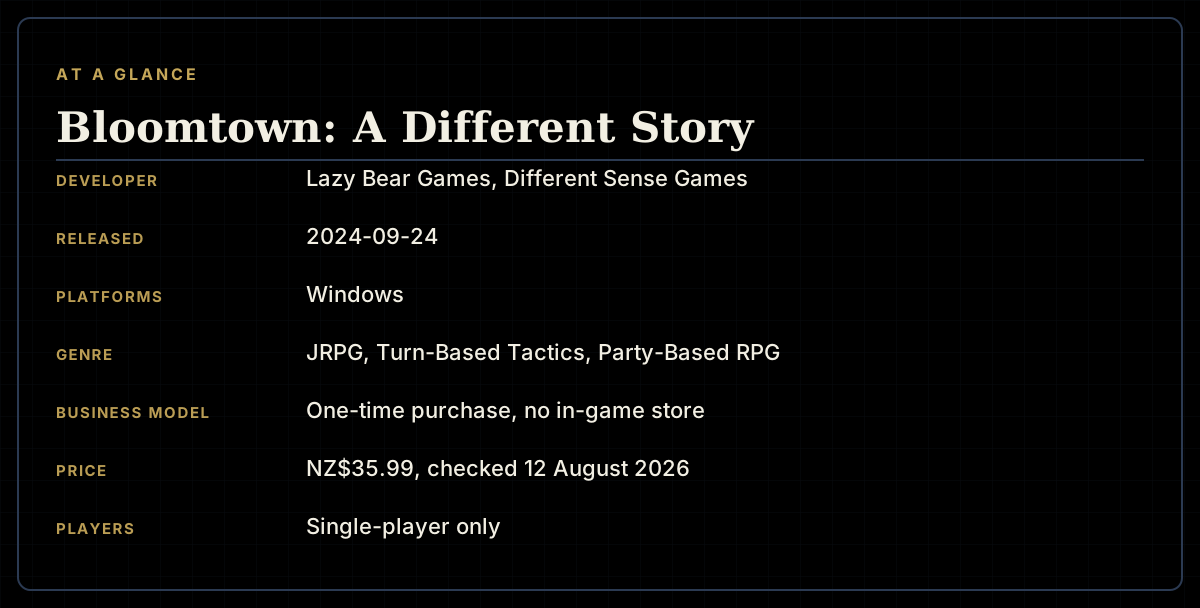
The essentials at a glanceWanderer Editorial -
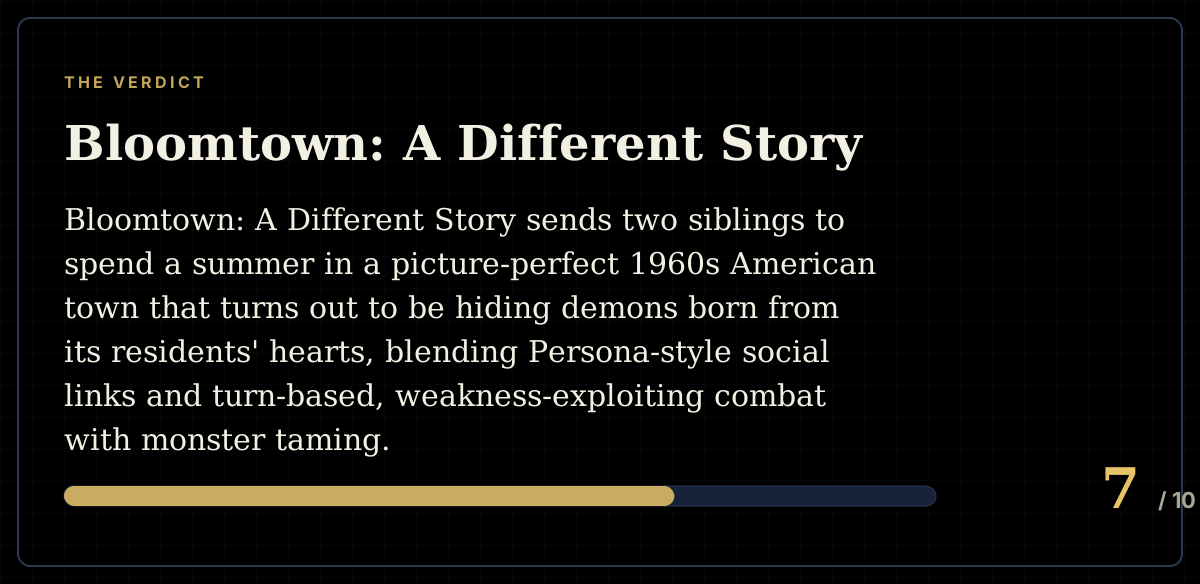
The short versionWanderer Editorial