Game review
Blast Head
6 / 10
- Developer
- Basement Rift
- Publisher
- Proteus Interactive, Vixa Games
- Released
- 10 June 2026
- Platforms
- Windows
- Genre
- Action, Casual, Indie, RPG
- Monetisation
- paid
- Players
- false
The short version
Biggest strengths
- A deep, well-liked meta-progression system with non-linear weapon skill trees that multiple reviewers said made runs easy to get lost in for hours
- A very low price that nearly every reviewer, positive or negative, singled out as excellent value for the amount of content on offer
- Automatic XP collection from kills rather than manual crystal pickups, a genre twist one detailed reviewer called 'kinda cool'
Biggest weaknesses
- Jittery enemy movement animations and hitboxes reviewers said extend well beyond the visible monster model, described by one detailed reviewer as 'unpleasant for the eyes'
- No in-run stats screen, not even while paused, with build information only visible during the brief upgrade-selection prompts between waves
- A soundtrack one detailed reviewer called random and said 'doesn't fit the game at all'
Who it's for: Bullet-heaven/survivors-like fans chasing a deep meta-progression system on a tight budget, who can overlook rougher enemy animation and clarity issues
Our recommendation: mixed
6 / 10
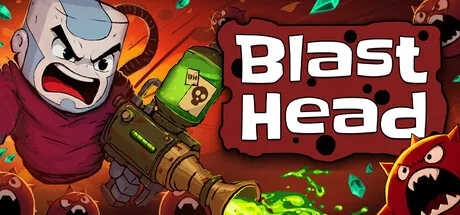
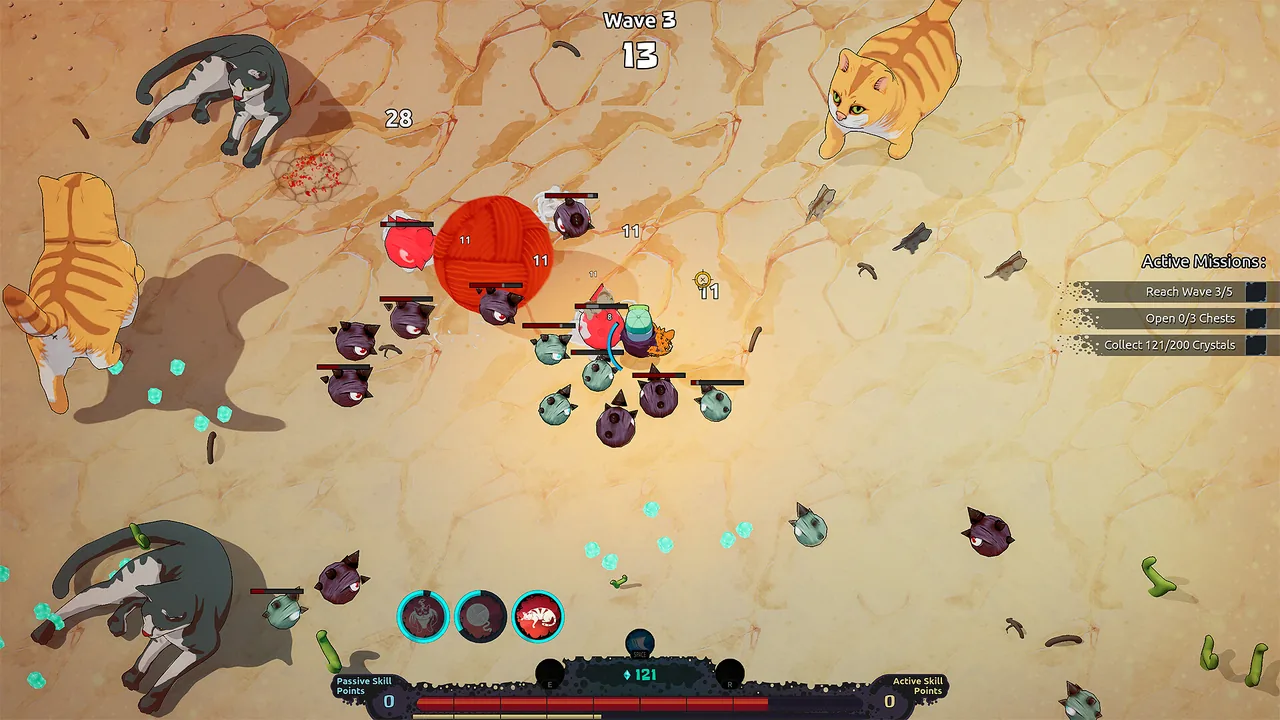
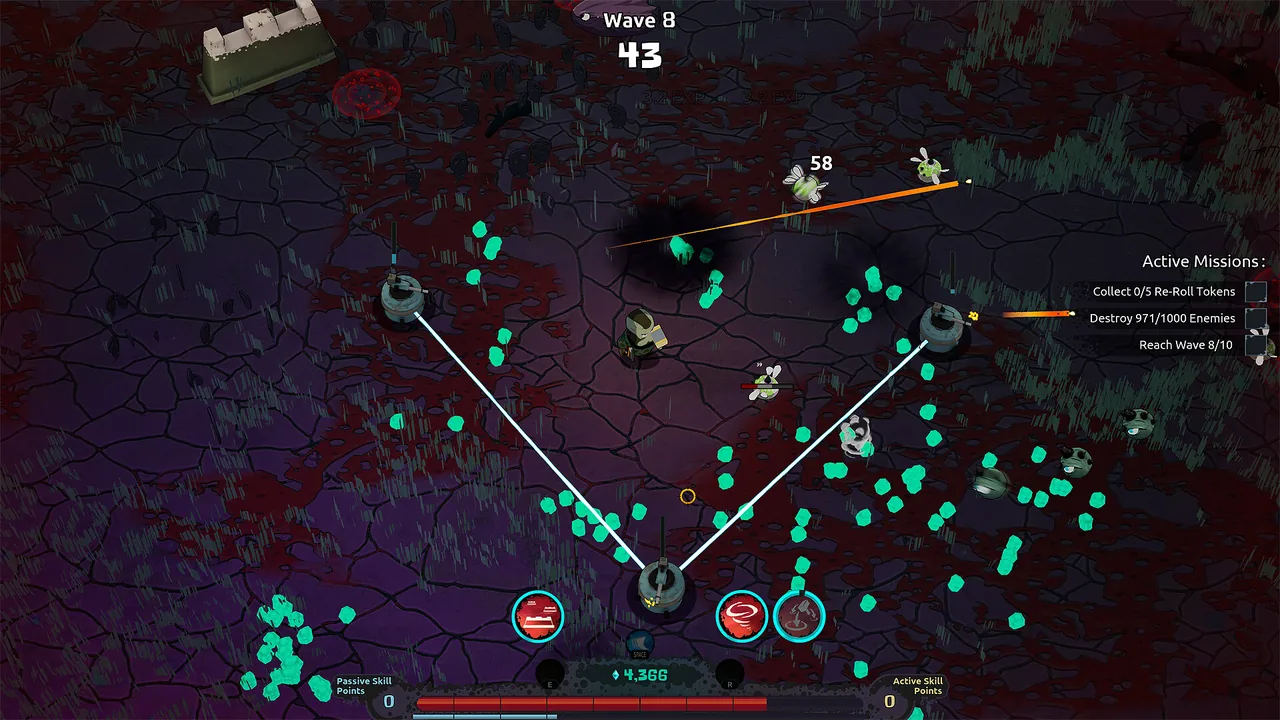
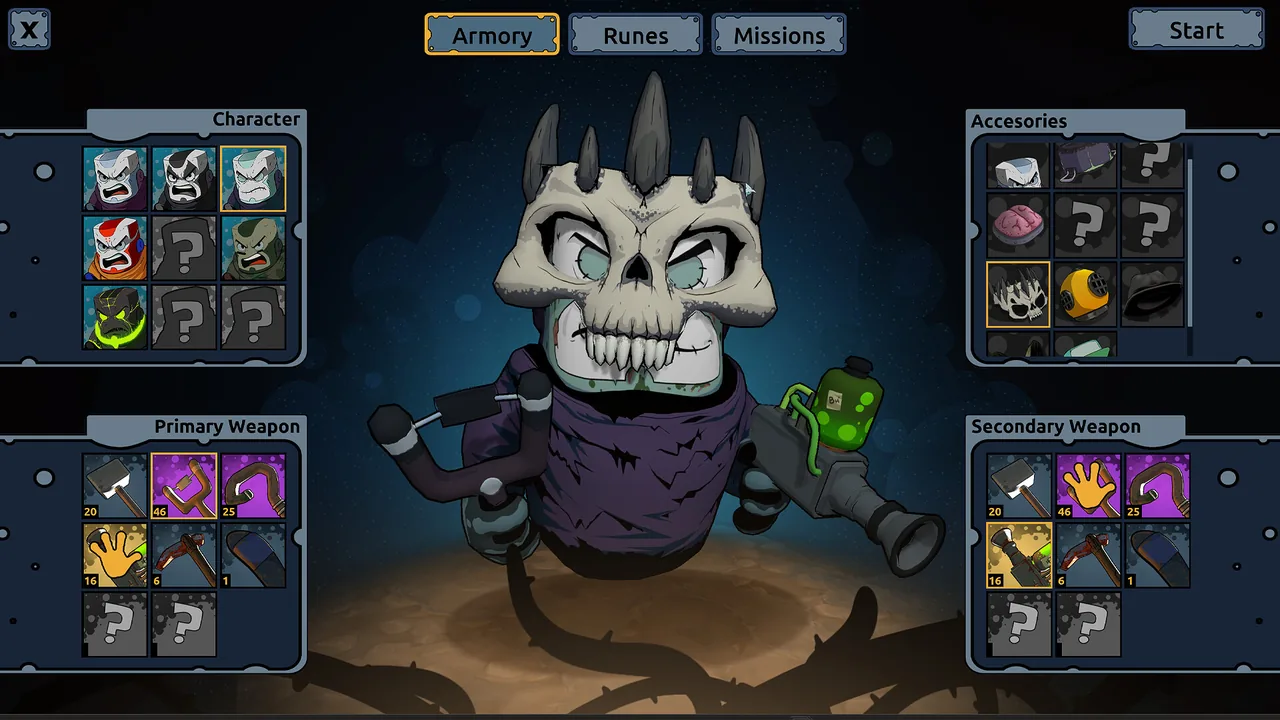
Blast Head released on Steam on June 10, 2026, a $3.99 bullet-heaven roguelite from developer Basement Rift, published by Proteus Interactive and Vixa Games. It offers 10-to-30-minute runs built around absurd weapons, powerful runes, and non-linear weapon skill trees, leaning heavily on meta-progression to keep players coming back between attempts. Its 13-review English pool lands at Mostly Positive (10 up, 3 down, 77%), painting a picture of a game whose depth and price win over most players even as a smaller, more detailed group found real, specific rough edges.
Meta-progression and build variety are the game's clearest strengths across the pool. One reviewer scored it plainly: "Complexity: 10/10. Value for Money: 11/10. I'm just starting out, but it's already clear that Blast Head is a game you can easily get lost in for hours. With tons of unlocks and upgrades to chase, the depth here is fantastic." Another reviewer captured the same pull more bluntly: "help i'm stuck in 'just one more run to see what else I can do' loop and can't get out." A third reviewer, who came in expecting exactly this kind of game, confirmed it delivered: "i was promised a meta progression-heavy game, and that's what i got. after an hour of playing i know i have lots of things to try out and discover."
Value for money is close to unanimous across the pool, including from reviewers who otherwise had complaints. One player who ultimately gave a mixed take on the moment-to-moment gameplay still conceded "this is a good deal for the $," while a more enthusiastic reviewer called it simply "great hellfire fun, with a Great price!" At $3.99, several reviewers explicitly compared the cost favorably to a round of drinks for the amount of playtime on offer, a framing that shows up repeatedly enough to suggest the price point is doing real work in shaping the pool's overall positive lean.
The pool's most detailed review, a negative one, is worth engaging with directly since it raises specific, checkable issues rather than vague dissatisfaction. That reviewer described "enemy movement animations" as "jittery, it's just unpleasant for the eyes," and flagged oversized hitboxes: "enemy hitboxes are too big. You don't even need to touch an enemy to take some damage from it. The invisible radius is bigger than the monster model." The same reviewer pointed out a genuinely unusual interface choice: "you can't see stats during gameplay. Pausing the game does not provide you any stats info. The only way to see the stats [is] when you are choosing the passive/skill/or other upgrades during the run." That's a real usability gap for a build-focused roguelite, where understanding your current stat totals is central to making good upgrade decisions. The same review also criticized the soundtrack directly: "music is so random. Doesn't fit the game at all."
A second critical reviewer raised a different, more structural concern about long-term engagement, writing that they "got bored with it after playing for a couple of hours," and that while "the game has a ton of meta progression variety... that's more interesting than the actual game. The maps and enemies are pretty bland to the point where I didn't want to bother playing anymore." That reviewer still allowed that the low price makes it "a good deal" for players who mainly want something repetitive to grind through for quests and achievements, but was explicit that they personally couldn't recommend it as a satisfying game to actually play through.
It's worth being upfront that this is a small review pool, thirteen English reviews at launch, and several of the shorter positive entries read as quick, enthusiastic first impressions rather than considered evaluations after extended play. That doesn't make the praise for the meta-progression system or the price point any less genuine, multiple reviewers independently landed on the same points, but it does mean the 77% figure should be read with some caution next to the two more detailed, specific critical reviews quoted above, which carry real weight despite being outnumbered.
A few smaller, more constructive suggestions round out the pool, the kind that read less like complaints and more like an engaged fan wishlist. One reviewer wrote "wish there was a magnet, very fun and a steal at its price though," referring to the lack of an automatic pickup-radius tool common in genre peers, and followed up with a specific design pitch aimed at the developers directly: adding "2 rune rows" so players could choose between an easier, reward-light path and a harder, reward-heavy one. That's a notably specific, considered piece of feedback for a three-dollar game, and it lines up with the broader theme running through the positive reviews, that the core systems are good enough that players are already thinking about how to expand them rather than dismissing the game outright. The automatic XP-from-kills system the pool praised as "kinda cool" earlier extends into this same territory, with the same detailed critical reviewer noting the pickup-radius stat interacts oddly with the auto-vacuum effect that triggers on long kill streaks, a small but specific interaction worth the developer's attention.
Taken as a whole, Blast Head is a budget bullet-heaven roguelite whose meta-progression depth and rock-bottom price win over most of its early audience, even as a couple of detailed, specific critiques around animation quality, hitbox fairness, and mid-run stat visibility point to real rough edges the developer would do well to address. For genre fans chasing a build-crafting fix on a tight budget who can tolerate some visual and interface friction, it's a reasonable pickup; for anyone expecting the map variety and moment-to-moment polish of the genre's best-known names, the more critical reviews here are worth taking seriously before buying.
Pros and cons
Pros
- A deep, well-liked meta-progression system with non-linear weapon skill trees that multiple reviewers said made runs easy to get lost in for hours
- A very low price that nearly every reviewer, positive or negative, singled out as excellent value for the amount of content on offer
- Automatic XP collection from kills rather than manual crystal pickups, a genre twist one detailed reviewer called 'kinda cool'
- Strong replayability driven by build variety, with reviewers describing chasing 'your own dream build' across repeated runs
Cons
- Jittery enemy movement animations and hitboxes reviewers said extend well beyond the visible monster model, described by one detailed reviewer as 'unpleasant for the eyes'
- No in-run stats screen, not even while paused, with build information only visible during the brief upgrade-selection prompts between waves
- A soundtrack one detailed reviewer called random and said 'doesn't fit the game at all'
- Maps and enemy variety some reviewers found bland once the initial meta-progression novelty wore off
Screenshots
-
Blast HeadImage: Proteus Interactive via Steam -
Blast HeadImage: Proteus Interactive via Steam -
Blast HeadImage: Proteus Interactive via Steam