Game review
Barnacle
8 / 10
- Developer
- LuN
- Publisher
- LuN
- Released
- 1 June 2026
- Platforms
- Windows
- Genre
- Adventure, Indie
- Monetisation
- paid
- Players
- false
The short version
Biggest strengths
- A genuinely distinctive, eerie concept, exploring an abandoned "dead Minecraft server" rendered as a haunting liminal space
- Consistently praised atmosphere, with sound design and visual identity that reviewers repeatedly said gave each area a unique, unsettling feel
- Rewarding, ARG-style piecing-together-the-mystery structure that fans of Yume Nikki and similar games found deeply satisfying
Biggest weaknesses
- Deliberately obscure navigation and objectives that some reviewers found genuinely disorienting rather than atmospheric
- A few specific parkour-heavy sections reported as extremely punishing, with long backtracks after a single misstep
- Some individual areas leaned too directly on well-known references like the Backrooms, weakening the game's otherwise distinctive identity for a few reviewers
Who it's for: Fans of liminal-space horror and exploration-driven games like Yume Nikki who enjoy patient, ambiguous navigation, rather than players wanting clear objectives and guided progression
Our recommendation: recommended
8 / 10
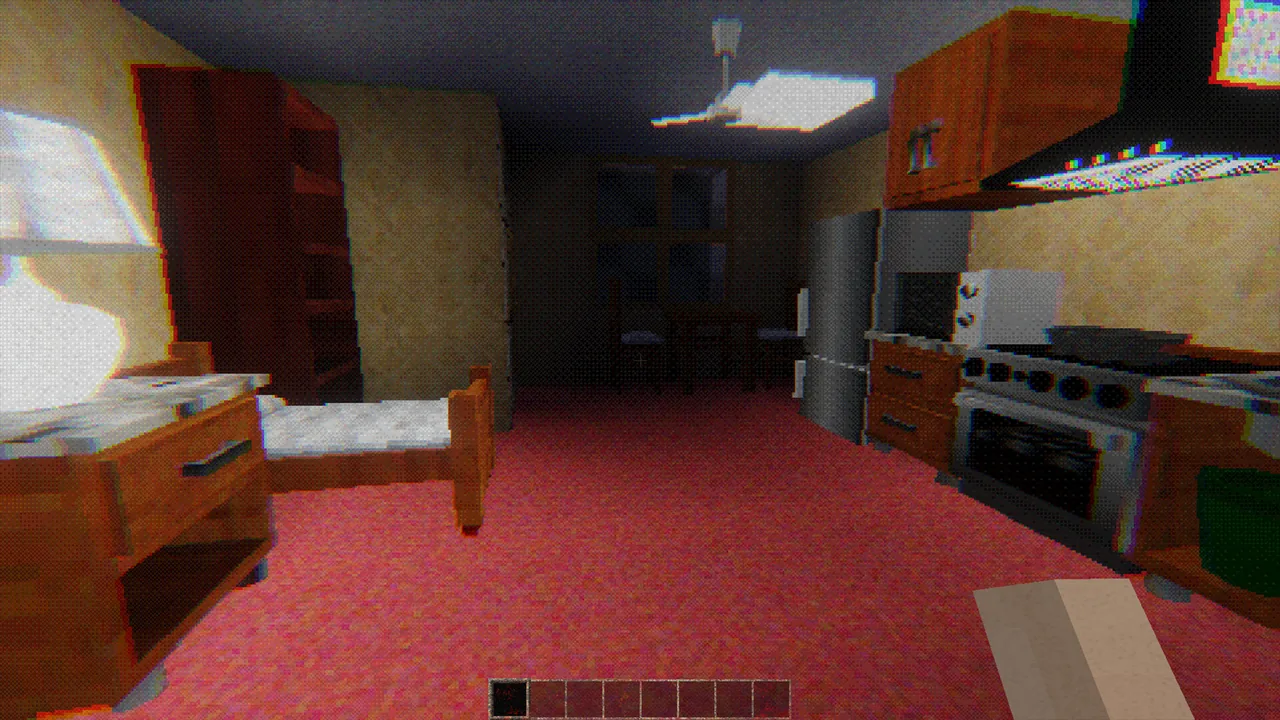
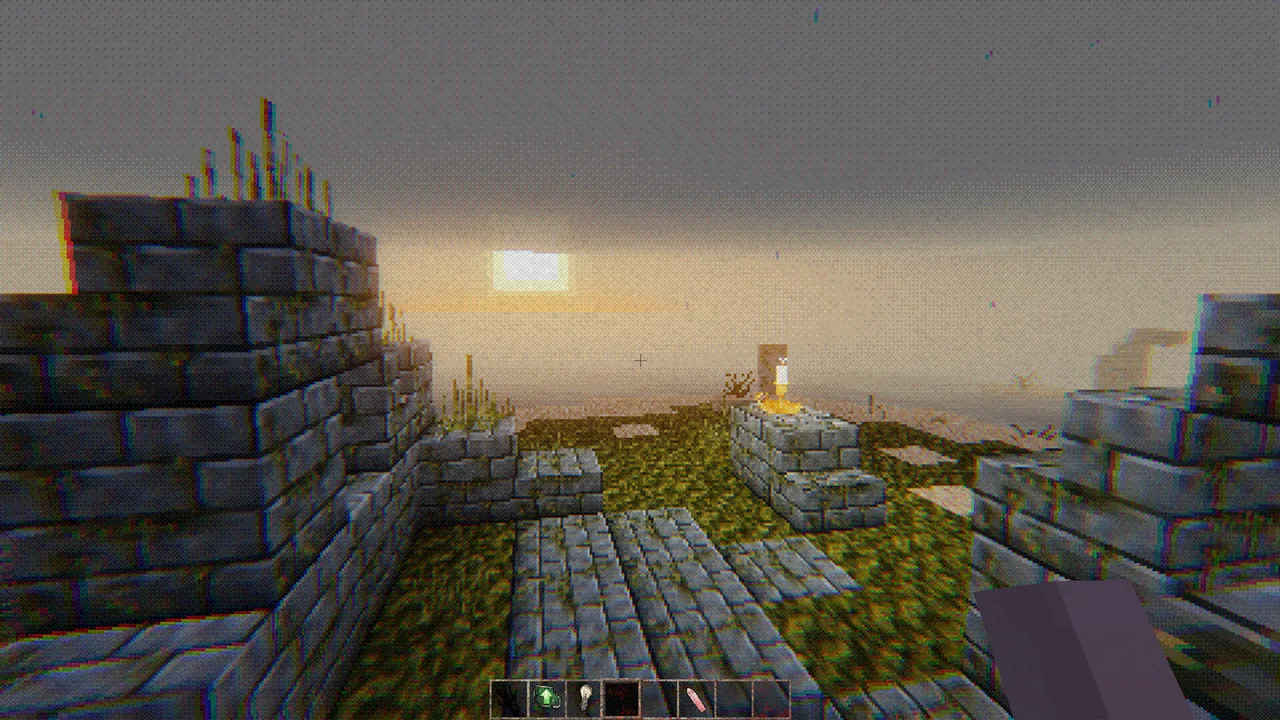
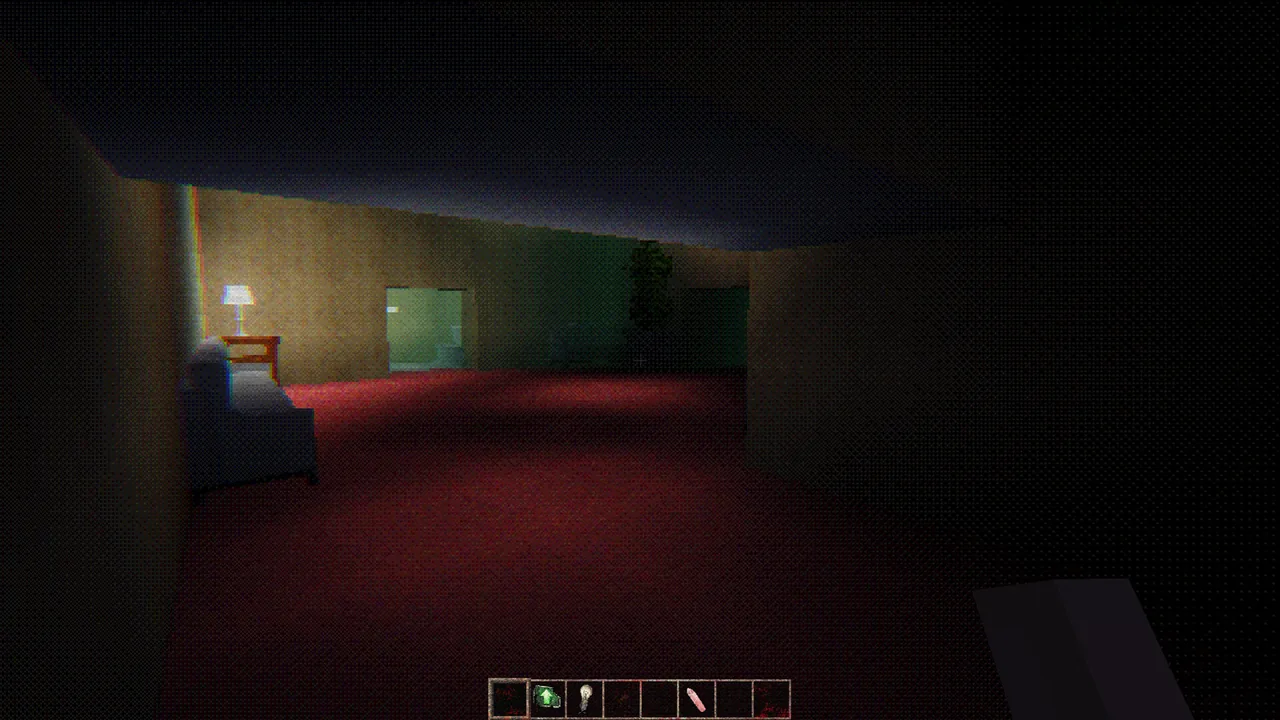
Barnacle released on Steam on June 1, 2026, from developer LuN, a puzzle-exploration horror game that casts players as an investigator picking through an abandoned server frozen in time, exploring liminal, blocky, Minecraft-styled spaces to uncover strange anomalies and piece together what went wrong, with the world itself shifting and reacting the deeper the player goes. Its 36-review English pool lands at a strong Positive (35 up, 1 down, 97%), and the reviews are consistently thoughtful about both what makes the game special and where its deliberately obscure design tests players' patience.
The comparison reviewers reach for most often, independently and repeatedly, is Yume Nikki, and it's clearly meant as high praise. One reviewer called it "a beautiful blend between Yume Nikki, Minecraft, and No Players Online," adding that it "honestly resembles Yume Nikki more than anything, which was a very pleasant surprise." Another described it as "the 'If Minecraft was a haunted house' concept done incredibly well," acknowledging upfront that "you will be confused and lost to start" but insisting that feeling eventually "congeal[s] into something else," concluding it was "1000% worth your time." A third reviewer situated it even more specifically within a niche horror lineage, calling it "terribly underrated" and comparing it to cult favourite B3313, praising how getting lost in "a now-empty world" amplifies rather than undermines the horror.
Atmosphere and sound design draw the pool's most consistent, specific praise, with multiple reviewers independently highlighting how distinct each area feels from the last. One reviewer wrote that "the atmosphere of the entire game is fantastic," crediting "the visual aesthetics to the music and sounds" for giving "each area and sub-area it's own distinct identity with uniquely unsettling vibes." Another specifically singled out the music's adaptive quality, enjoying "the snowy castle track" and noting "the music changes at night to be more creepy," a small but effective detail several other reviewers also mentioned without prompting. A separate reviewer described a specific standout moment, "the church in the forest area when something decided to pop out and run back in," as the game's spookiest encounter, evidence that the game's scares land even for players who found the broader navigation frustrating.
The game's most detailed critical review, while still overall positive, laid out its central tension precisely: "a really really pretty, interesting, and eerie walking sim that almost ruins itself with it's progression." That reviewer specifically flagged certain sections, describing levels "in the chapel thread" as "EXTREMELY frustrating to the point of wanting to just quit the game," where "one wrong step" can cost thirty minutes of progress through punishing parkour, forcing players to redo entire sequences. Their core piece of advice, delivered in all caps for emphasis, was that difficulty spikes are usually a sign players are "missing a key item that will make it infinitely easier," rather than a fair test of skill, and that the game doesn't communicate this clearly enough on its own.
The pool's lone negative review raises a related, broader concern about the game's deliberate ambiguity, worth weighing seriously since it's the clearest dissenting voice in an otherwise overwhelmingly positive pool. That reviewer said the game "starts off strong with it's atmosphere and ambiguity," but found themselves repeatedly "lost and directionless," specifically criticizing how some of its liminal-space areas felt "too on the nose with their inspirations like the backrooms," which undercut the immersion built up earlier. That's a fair, specific critique distinct from simply disliking the genre, and it echoes a smaller thread running through even positive reviews, several of whom noted the game "needs a guide or something eventually" given how small its current community is, leaving stuck players with genuinely limited outside help.
Taken together, the pool's near-unanimous positivity isn't blind enthusiasm; it's built on real, specific praise for atmosphere, sound, and a distinctive concept, tempered by honest acknowledgment that the game demands real patience and occasionally oversteps into genuine frustration rather than intended disorientation. That combination, small but real flaws freely admitted even by the game's biggest fans, is a stronger signal of quality than a flawless-looking score alone would be.
It's also worth flagging how many reviewers, even brief ones, reached independently for the "underrated" framing, since that consistency across such a small pool says something about how the game is currently reaching players. One reviewer wrote outright, "this game is criminally underrated," while another simply said, "hope this game gets to more people, this thing is a hidden gem for sure," and a third added, "hope the dev releases more games like this." That's a notably different pattern than a game receiving lukewarm, resigned praise, it reads as reviewers actively rooting for the game's visibility to catch up with its quality, and it's consistent with the small-community complaint raised elsewhere in the pool: this looks like a genuinely well-made, distinctive release that simply hasn't found its full audience yet, rather than a niche title with a ceiling on its appeal.
For fans of patient, exploration-driven horror in the Yume Nikki mold, Barnacle is an easy recommendation and a genuine hidden gem at its modest price, delivering atmosphere and a distinctive liminal-space concept that reviewers across the pool described as unlike much else on Steam. Players who need clear objectives or low-frustration progression should be aware of the specific punishing sections reviewers flagged, and going in willing to get lost, sometimes on purpose, is essential to getting the most out of what this game is trying to do.
Pros and cons
Pros
- A genuinely distinctive, eerie concept, exploring an abandoned "dead Minecraft server" rendered as a haunting liminal space
- Consistently praised atmosphere, with sound design and visual identity that reviewers repeatedly said gave each area a unique, unsettling feel
- Rewarding, ARG-style piecing-together-the-mystery structure that fans of Yume Nikki and similar games found deeply satisfying
- A small but devoted early community calling it a criminally underrated hidden gem
Cons
- Deliberately obscure navigation and objectives that some reviewers found genuinely disorienting rather than atmospheric
- A few specific parkour-heavy sections reported as extremely punishing, with long backtracks after a single misstep
- Some individual areas leaned too directly on well-known references like the Backrooms, weakening the game's otherwise distinctive identity for a few reviewers
- A small early player community, meaning getting stuck currently offers little in the way of external help
Screenshots
-
BarnacleImage: LuN via Steam -
BarnacleImage: LuN via Steam -
BarnacleImage: LuN via Steam