Game review
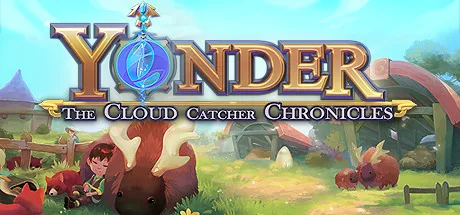
Yonder: The Cloud Catcher Chronicles
6 / 10
- Developer
- Prideful Sloth
- Publisher
- Prideful Sloth
- Released
- 17 July 2017
- Platforms
- Windows, macOS
- Genre
- Open-World Adventure
- Monetisation
- One-time purchase. No DLC, no in-app purchases.
- Players
- Single-player only
The short version
Yonder: The Cloud Catcher Chronicles is a deliberately gentle open-world adventure with no combat, no death and no fail state -- you explore the island of Gemea, restore blighted land, farm, craft and complete fetch-style quests for a large cast of NPCs. Steam calls it Very Positive, 81% of 1,710 English-language reviews, and the praise side is genuine: reviewers reach for the game's beauty, its calm and its total lack of stress constantly, including several who use it as a game they play with young children specifically because nothing in it can hurt or fail them.
The negative sample tells an unusually consistent second story, one that isn't really about the chill pitch itself but about how thin the systems underneath it are compared to the games it gets compared to. Reviewers repeatedly describe farming as shallower than Stardew Valley, exploration as less rewarding than Zelda: Breath of the Wild despite the marketing leaning on both comparisons, and quests as repetitive fetch tasks without meaningful reward. Global achievement data backs the shape of that complaint up directly: 91.6% of players see the game's opening region, but full-completion achievements -- collecting every critter, every fish, every sprite -- sit at 3-6%, one of the steepest drop-offs in this review's coverage.
Biggest strengths
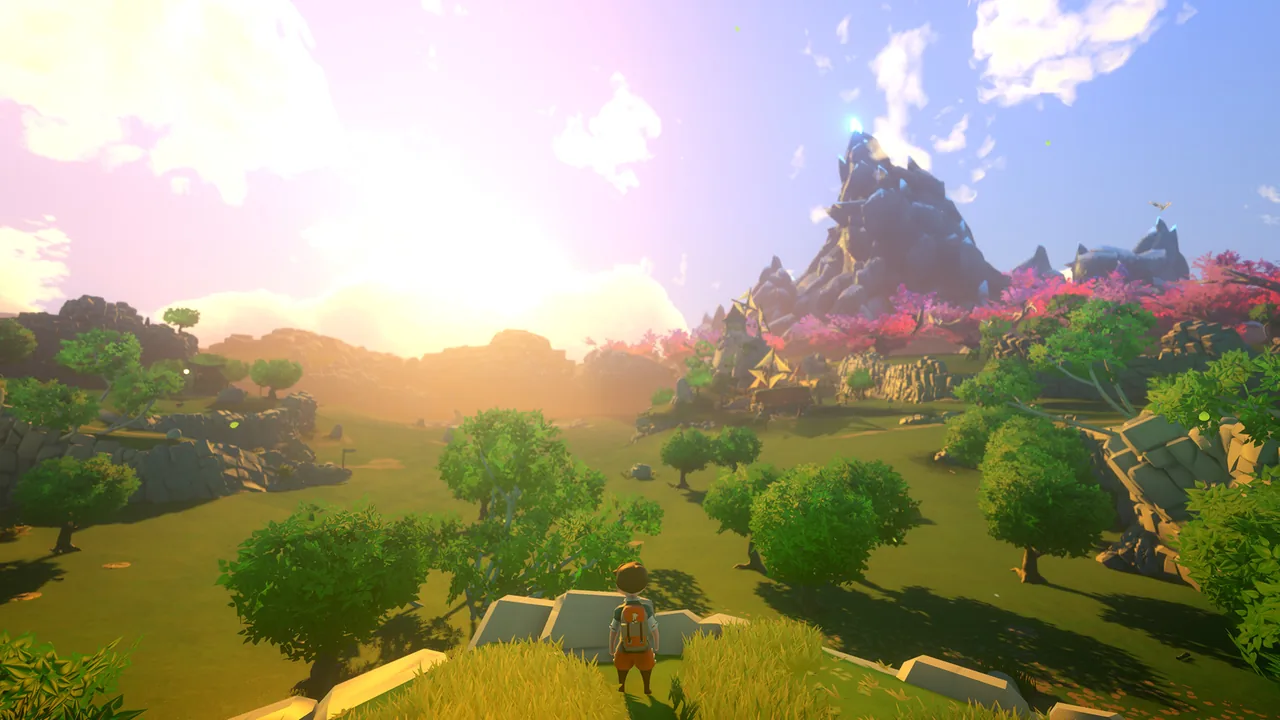
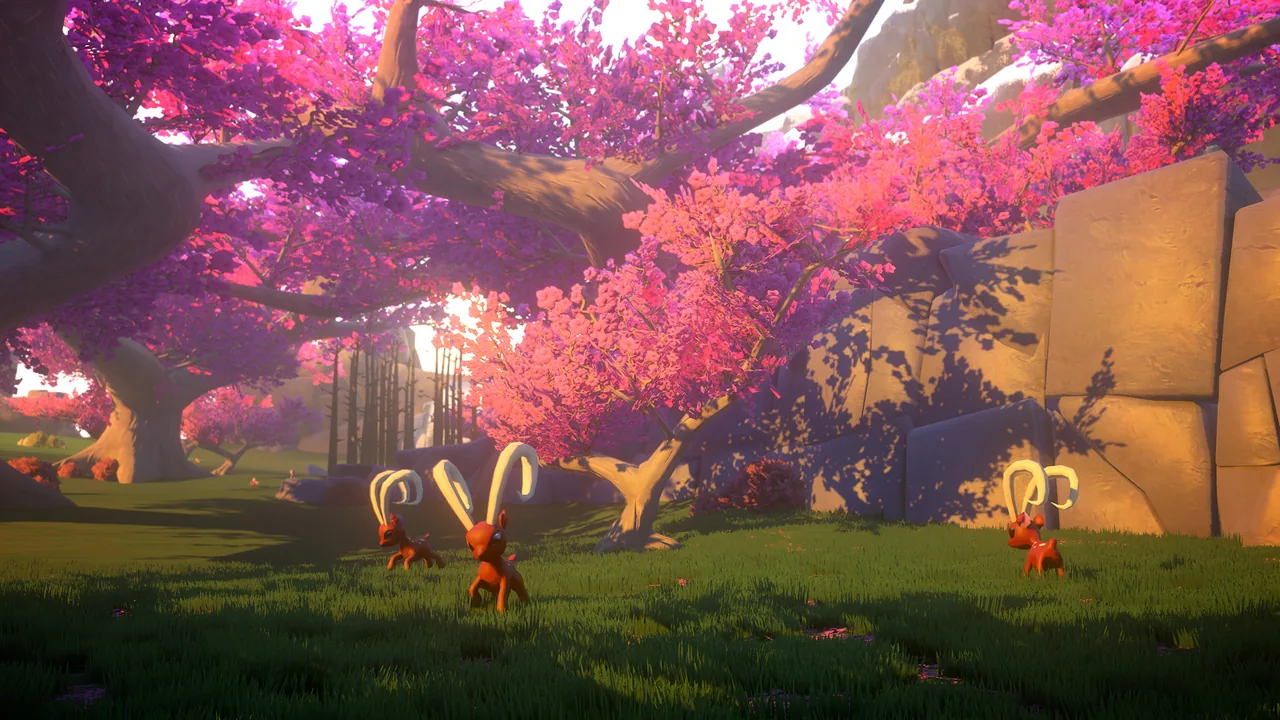
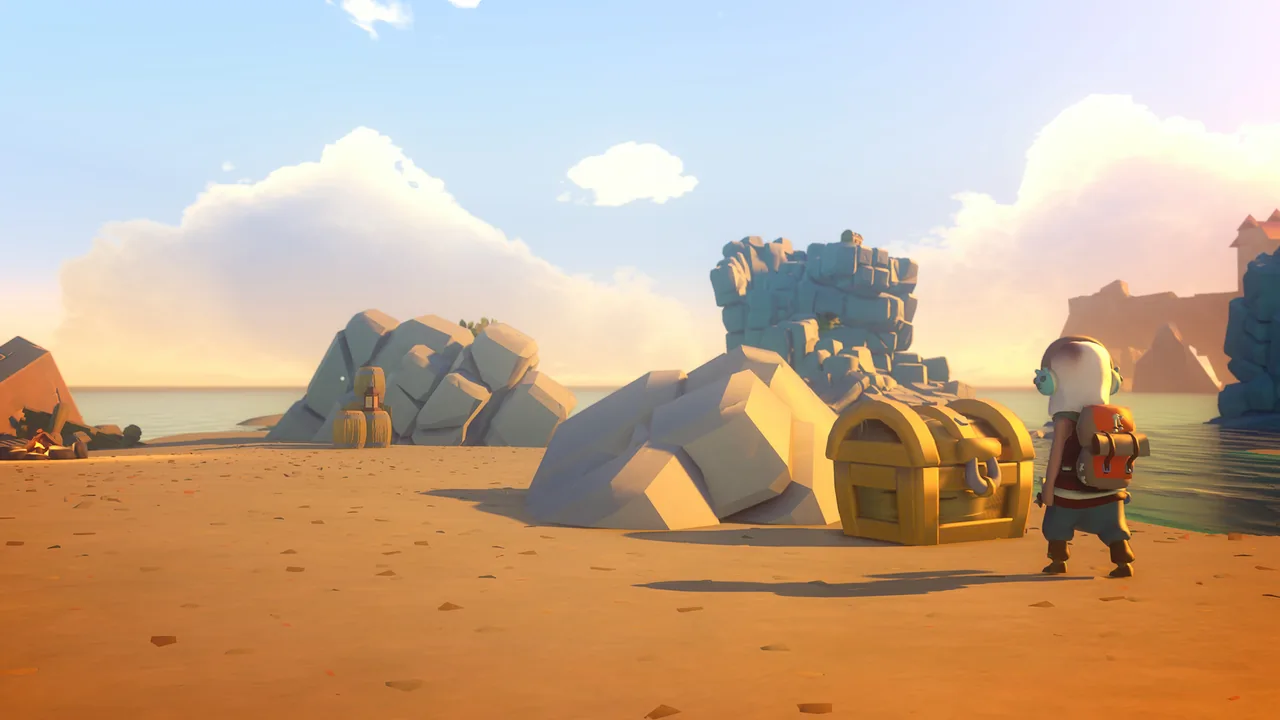
- A genuinely beautiful, colourful open world across eight distinct biomes that draws consistent praise even from critical reviews
- Explicitly stress-free design -- no combat, no death, no fail state -- that multiple reviewers specifically value for playing with young children
- A real sense of restoring a blighted world, driven by clearing a magical corruption called the Murk, that gives exploration a visible, satisfying payoff early on
Biggest weaknesses
- Farming and crafting systems reviewers repeatedly describe as shallow compared to the genre benchmarks (Stardew Valley, Zelda: Breath of the Wild) the game is often compared to, including in its own marketing
- Quests that a large share of the negative sample calls repetitive fetch tasks without a meaningful sense of reward or narrative payoff
- No combat and no real challenge of any kind, which some reviewers -- including several who otherwise like the aesthetic -- say tips over from "relaxing" into "aimless" once the initial novelty wears off
Who it's for: Players -- especially families with young children -- who want a genuinely stress-free, beautiful game to wander through with no risk of failing at anything. Not for anyone expecting Stardew Valley-depth farming or Breath of the Wild-scale exploration reward, despite both comparisons showing up constantly in its own marketing and reviews.
Our recommendation: Worth it specifically for the audience it's built for -- young players, or anyone who wants a beautiful, zero-stress wander rather than a systems-heavy game. Best on a sale if you're coming for depth in the farming or crafting, since the negative sample is remarkably consistent about how quickly that depth runs out.
6 / 10
The pitch
Yonder: The Cloud Catcher Chronicles drops you on Gemea, an island paradise split into eight distinct biomes, with one explicit rule baked into the design from the ground up: there is no combat, no death, and no way to fail. You explore, farm small plots, craft tools and furniture, raise adoptable critters, and clear a spreading magical corruption called the Murk from each region in turn, restoring colour and life to the land as you go. It launched as a full release on 17 July 2017 from the small Australian studio Prideful Sloth, with no Early Access period.
The marketing pitch, repeated constantly across its own review corpus, positions Yonder as something like Zelda: Breath of the Wild's open-world wandering crossed with Stardew Valley's farming and social loop. That comparison is doing a lot of work, and it's also the single biggest source of disappointment in the negative reviews.
The genuine strength: a beautiful, stress-free world
What Yonder gets right, almost without argument across the review corpus, is atmosphere. The world is colourful and varied across its eight biomes, the lack of any fail state genuinely delivers on its promise, and multiple reviewers -- across nearly every year since launch -- describe playing it specifically with young children, precisely because nothing in the game can hurt them or make them feel like they've failed. One reviewer calls it the first game they've truly enjoyed playing with their kids; another describes buying it for a three-year-old daughter who loves simply watching. That's a real, durable niche, and Yonder occupies it more completely than most "cosy" games that still have some light failure state built in.
Where the comparisons fall apart
The negative sample is unusually consistent in its specific complaint, and it isn't "this game is bad" so much as "this game promised two things it doesn't actually deliver." Farming gets repeatedly compared unfavourably to Stardew Valley -- one reviewer states flatly that anyone coming for Stardew Valley or My Time at Portia-style farming depth "is here... but it's also not," going on to describe the actual systems as far shallower than either. Exploration gets measured against Breath of the Wild just as often, and just as unfavourably -- reviewers describe an island that looks vast and rewarding from a distance but has comparatively little to actually discover once you're standing in it.
The quest design draws the most pointed criticism. Multiple reviewers describe an endless stream of fetch quests -- deliver this, collect that -- with little sense of narrative progression or reward attached, and at least one reviewer jokes that the game needed "more fetch quests," sarcastically, as a complaint about how repetitive the existing ones already are. A handful of reviews go further, describing the game as having an "identity crisis" -- trying to be an exploration game, a farming game and a crafting game simultaneously without fully committing to depth in any one of them. None of this is presented as a bug or a balance issue; it reads consistently, across years, as a structural critique of the game's actual content relative to its pitch.
What the achievement data shows
Global achievement completion lines up closely with that pattern. The opening milestones -- revealing the first biome, building a farm, planting a tree, adopting a first critter -- sit comfortably high, 65-92%, which is what you'd expect from a game whose early hours are genuinely well-received even by critics. From there the curve falls steadily and then drops hard: achievements tied to full completion -- collecting every sprite, every fish, adopting every critter, completing every board quest -- sit at 3-6%. That's one of the steeper completion cliffs covered in this review's lane, and it corroborates the negative sample's central claim well: players engage happily with the opening region and then a large share simply stop before the content deepens, whether because there wasn't more depth to find or because the repetition set in first.
Value nine years on
At NZ$29.99 with no discount active at the time of checking, Yonder sits at a mid-range indie price for a game whose main audience -- going by its own review corpus -- gets the most value from it in short, relaxed sessions rather than as a long-term systems game. It has had no significant post-launch content added since release, which for a small studio's single self-contained game is unremarkable, but it does mean the specific complaints about shallow farming and repetitive quests that reviewers raised in 2017 are, by 2026, simply how the game is and always will be. For its intended audience -- particularly families wanting something genuinely safe and calm to play together -- that's a fair trade. For anyone buying it expecting the depth its own marketing and casual comparisons imply, the review record has been remarkably consistent for nine years about where that expectation goes wrong.
Verdict
Yonder: The Cloud Catcher Chronicles succeeds completely at one specific thing -- being a beautiful, genuinely stress-free world with no way to fail, ideal for young players and anyone who wants pure, low-stakes wandering. It succeeds much less completely at the systems-heavy farming-and-exploration hybrid its comparisons to Stardew Valley and Breath of the Wild imply, and nine years of reviews have said so in nearly identical terms the whole way through. Go in knowing which game you're actually getting, and it's a pleasant, undemanding few hours; go in expecting the depth the marketing gestures at, and the achievement data suggests you'll likely be one of the large majority who stop well before the island is fully explored.
Pros and cons
Pros
- A genuinely beautiful, colourful open world across eight distinct biomes that draws consistent praise even from critical reviews
- Explicitly stress-free design -- no combat, no death, no fail state -- that multiple reviewers specifically value for playing with young children
- A real sense of restoring a blighted world, driven by clearing a magical corruption called the Murk, that gives exploration a visible, satisfying payoff early on
- Full controller support and captions, making it broadly accessible to a wide range of players
Cons
- Farming and crafting systems reviewers repeatedly describe as shallow compared to the genre benchmarks (Stardew Valley, Zelda: Breath of the Wild) the game is often compared to, including in its own marketing
- Quests that a large share of the negative sample calls repetitive fetch tasks without a meaningful sense of reward or narrative payoff
- No combat and no real challenge of any kind, which some reviewers -- including several who otherwise like the aesthetic -- say tips over from "relaxing" into "aimless" once the initial novelty wears off
- A steep achievement completion curve: 91.6% of players reach the opening region, but full collection achievements sit at 3-6%, consistent with players drifting away well before the content runs out
Screenshots
-
Yonder: The Cloud Catcher ChroniclesImage: Prideful Sloth via Steam -
Yonder: The Cloud Catcher ChroniclesImage: Prideful Sloth via Steam -
Yonder: The Cloud Catcher ChroniclesImage: Prideful Sloth via Steam -
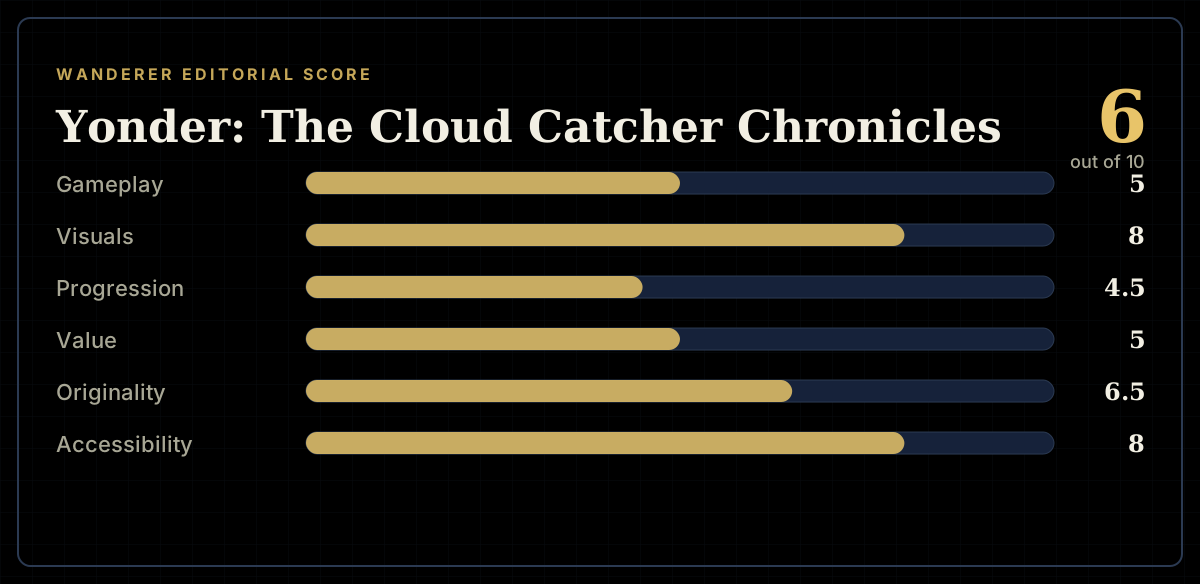
How the review scores each part of the gameWanderer Editorial -
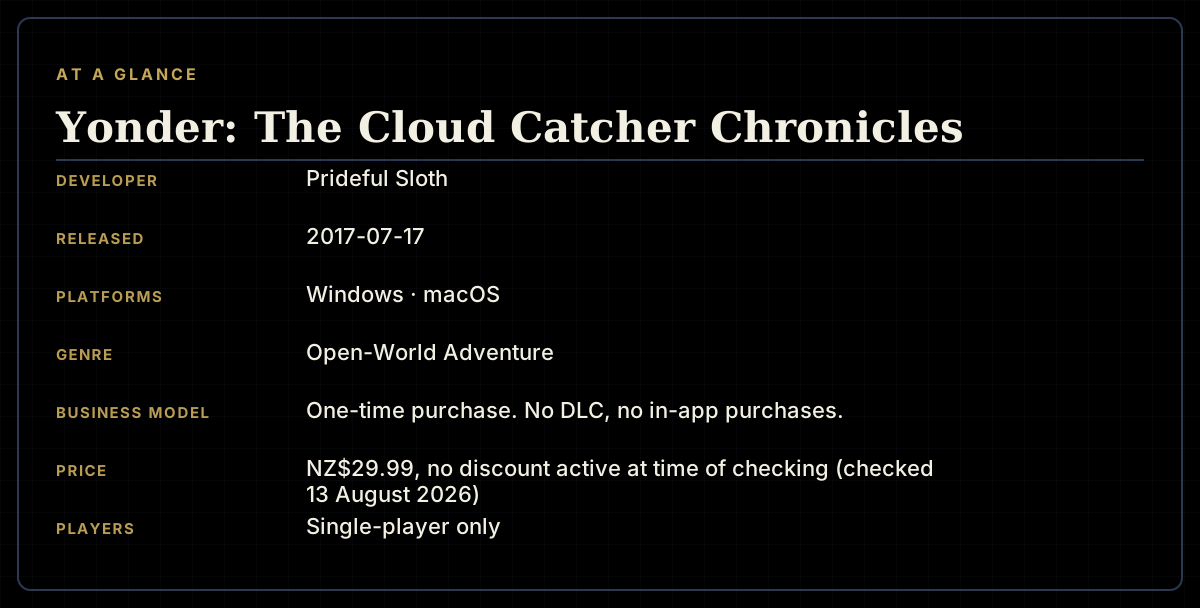
Yonder: The Cloud Catcher Chronicles at a glanceWanderer Editorial -
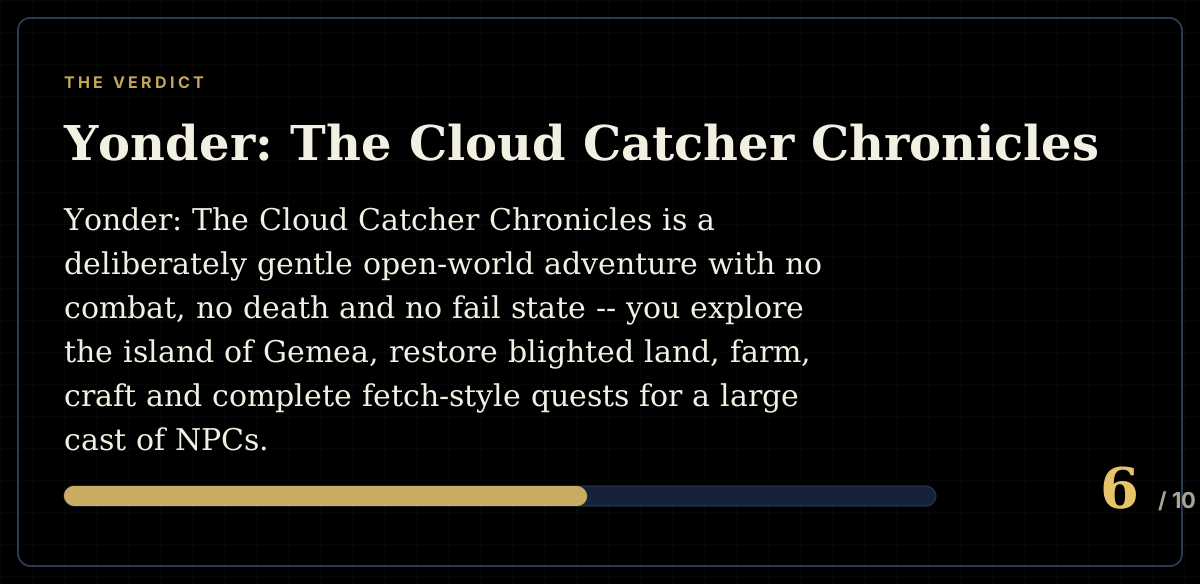
The short versionWanderer Editorial