Game review
Xeno Strike CCG
6 / 10
- Developer
- Rocket Haze Games
- Publisher
- Rocket Haze Games
- Released
- 8 June 2026
- Platforms
- Windows
- Genre
- Strategy
- Monetisation
- free-to-play
- Players
- true
The short version
Biggest strengths
- A genuinely tactical turn-based combat system across four distinct factions that multiple reviewers found rewarding to build decks around
- A free-to-play structure that several reviewers called generous, with no hard paywalls blocking core progression
- A clean, appealing neon sci-fi pixel-art style that reviewers across the board praised without exception
Biggest weaknesses
- In-game and chance-based purchases that even positive reviewers flagged as a source of caution for a competitive card game
- Reported launch-week bugs including a tutorial prompt that failed to appear and rewards that weren't granted after wins
- A thin competitive player base, with one reviewer citing SteamDB data showing a daily peak of only two to four concurrent players and another calling multiplayer effectively unplayable
Who it's for: Free-to-play card game fans who enjoy tactical, faction-based deck-building and don't mind a rough, alpha-grade presentation, not recommended for anyone specifically seeking a lively competitive PvP scene
Our recommendation: recommended
6 / 10
Xeno Strike CCG released in full on Steam on June 8, 2026, from small developer Rocket Haze Games, a free-to-play collectible card battler set in a sci-fi world of aliens, robots, mechs, and military units, spread across four distinct factions. Its 14-review English pool sits at Positive (13 up, 1 down, 93%), and the reviews describe a genuinely tactical, well-liked core card game held back by a rough, alpha-grade presentation and, more seriously, a competitive player base that several reviewers independently described as close to empty.
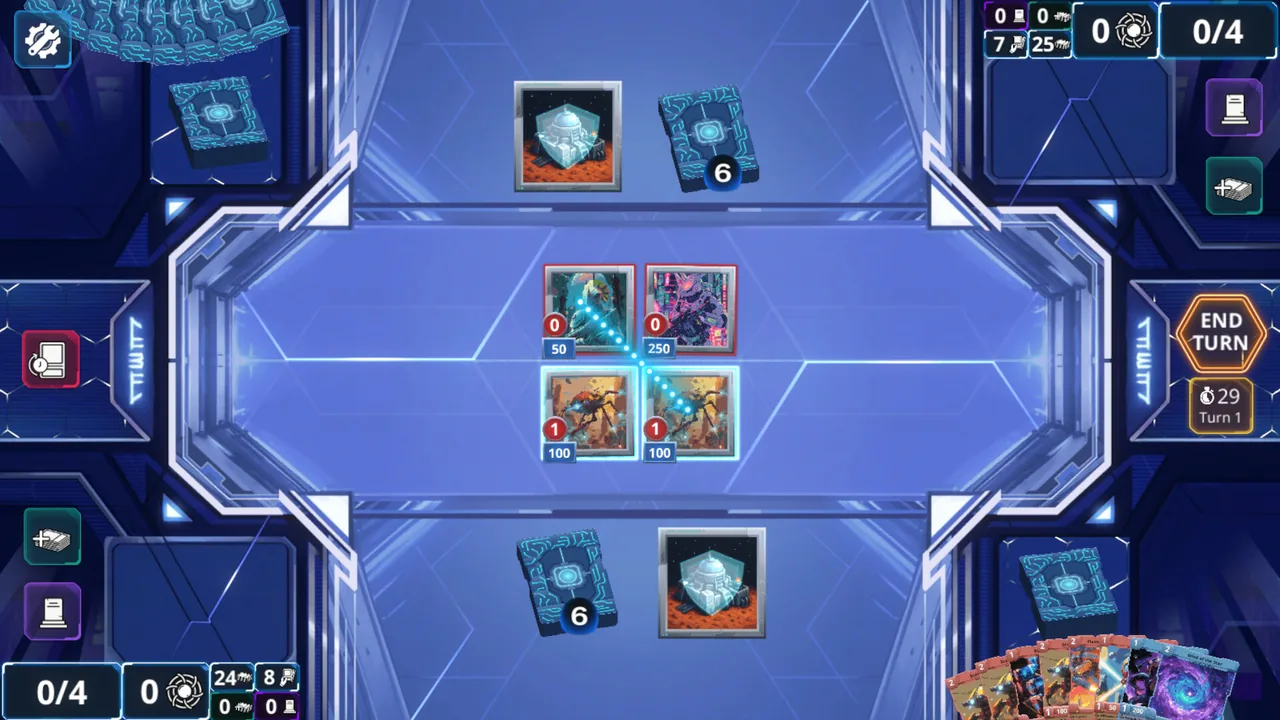
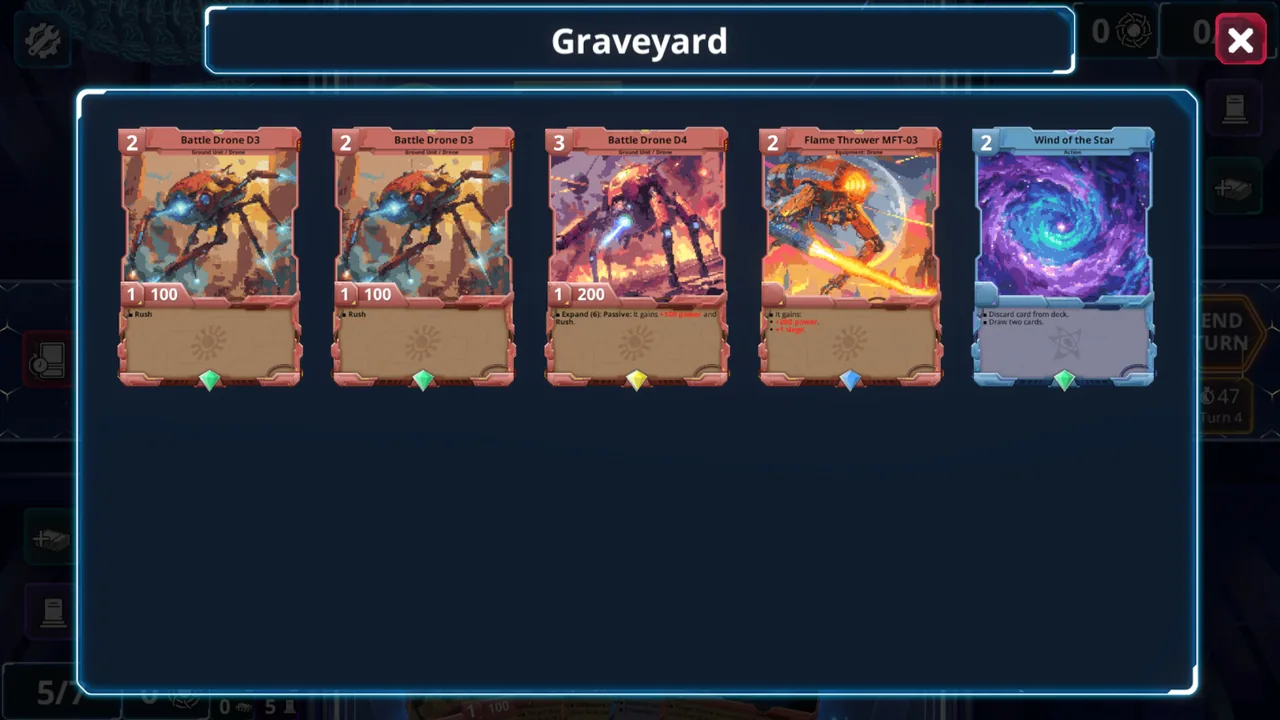
The turn-based combat and deck-building draw the pool's most consistent, substantive praise. One detailed reviewer explained the appeal carefully: "the deck building is probably my favourite part," citing "four different factions and a large collection of cards covering ground units, space units, actions, equipment, traps, garrisons and turrets," and noting that "card effects and synergies can completely change how a turn develops, so having a strong deck is only part of winning." Another reviewer, new to the genre entirely, wrote that they "was surprised by how much I enjoyed this one," praising a tutorial that "made it easy to get started" and calling every match "rewarding." A third reviewer summarized the core loop simply: "the gameplay is good, and the art style is also great, simple and easy to learn," adding that "the balance between factions is important, and Xeno Strike does a good job of it as well."
The free-to-play monetisation is where even the game's fans start hedging their praise. The same detailed reviewer who praised the deck-building called the purchase structure "the biggest problem for me," writing "there are in game purchases and chance based purchases, which is something I always feel slightly cautious about in a collectible card game," and adding that "building a collection can also make the early experience feel more focused on what cards I have available rather than purely on strategy." Set against that, several other reviewers described the free-to-play economy as unusually generous rather than predatory: one wrote "very generous for F2P and no paywalls," and another simply celebrated that "it is completely free to play!!!!" That's a genuine split worth reporting honestly, the core systems clearly don't lock content behind a hard wall, but a card game's gacha-style pack-opening loop will always read differently to a competitive strategist than to a casual collector.
Presentation and polish are where the pool's more critical, detailed reviews focus their specific complaints, and they're worth reporting in full rather than smoothing over. One long, structured review scored the game across categories, rating "ACCESSIBILITY: 2/5, very indie, poor English in some places, UI needs improvement" and "PRESENTATION: 2/5, well, it's AI generated but it's curated in a fun way and reasonable," while still landing on an overall recommendation. A separate, longer critical review reported specific launch-week bugs directly: "my first launch ended up with several bugs, like tutorial prompt did not showed up and rewards for wins weren't given," and added that the "UI sometimes fails at snatching cards to the board, so you have to try few times in different places to actually put something up." That same reviewer noted, tellingly, "I see it is not stated as Early Access, but definitely feels like it," a sentiment echoed by another reviewer who called the game "still in early alpha" with a "learning curve" that's "a bit tough" despite an otherwise "solid" foundation.
The most serious, corroborated concern in the pool is the game's apparent lack of an active competitive population, a real problem for a game built substantially around PvP. The reviewer who reported the bugs above went further, citing hard data: "SteamDB claims daily peak players are 2-4," concluding "I personally don't like PvP due to existence of ropers and long turns (60 seconds), heck this is why playing only offline ccg." A separate, extremely high-playtime reviewer, over 2,400 minutes logged, independently confirmed the same problem from experience rather than data, writing flatly "multiplayer is unplayable for obv reasons" after describing several skirmish matches and deck experiments against AI instead. Two reviewers reaching the same conclusion through different methods, one citing tracker data and one citing lived experience, makes this a credible, specific weakness rather than an isolated complaint, and it matters more for a competitive card game than it would for most other free-to-play genres.
The pool's lone negative review is brief but not baseless: "game mechanism feels very linear and lacks any sort of excitement," a fair if thin summary of the genre-familiarity complaint that shows up in more detail elsewhere, including one reviewer's blunt assessment that they'd "seen such gameplay many hundred of times" with "no proper story or explanation of world, no cutscenes, no 'heroes.'" On the other side, the pool's highest-playtime reviewer by a wide margin, nearly 5,740 minutes logged, called it simply "a well crafted Hearthstone like ccg with some nice original twists," and specifically credited the developer as "quite responsive and actively improving the game," a pattern of active post-launch support that shows up across several reviews regardless of their overall verdict.
Taken together, Xeno Strike CCG is a genuinely tactical, well-designed free card battler wrapped in an unmistakably rough, first-release presentation, with in-game monetisation, launch bugs, and a real deficit of competitive PvP players all worth knowing about before committing time to it. For solo and AI-focused players who enjoy sci-fi deck-building and don't mind alpha-grade rough edges, there's a lot to like here; anyone hoping specifically for a lively online card game scene should wait and see whether that player base grows.
Pros and cons
Pros
- A genuinely tactical turn-based combat system across four distinct factions that multiple reviewers found rewarding to build decks around
- A free-to-play structure that several reviewers called generous, with no hard paywalls blocking core progression
- A clean, appealing neon sci-fi pixel-art style that reviewers across the board praised without exception
- A developer that multiple long-time players independently described as responsive and actively patching the game post-launch
Cons
- In-game and chance-based purchases that even positive reviewers flagged as a source of caution for a competitive card game
- Reported launch-week bugs including a tutorial prompt that failed to appear and rewards that weren't granted after wins
- A thin competitive player base, with one reviewer citing SteamDB data showing a daily peak of only two to four concurrent players and another calling multiplayer effectively unplayable
- A 40-card deck size and simple, familiar ability set that several reviewers found limited synergy potential and made the game feel unoriginal next to established genre rivals
Screenshots
-
Xeno Strike CCGImage: Rocket Haze Games via Steam -
Xeno Strike CCGImage: Rocket Haze Games via Steam -
Xeno Strike CCGImage: Rocket Haze Games via Steam