
Game review
Welcome to the Game III Review
6.5 / 10
- Developer
- Reflect Studios
- Publisher
- Reflect Studios
- Released
- 16 July 2026
- Platforms
- ["Windows"]
- Genre
- Horror
A Long-Awaited Third Chapter in a Cult Horror Series
Reflect Studios built a following on a strange, singular idea: horror games where the scariest thing isn't a monster in a hallway but a browser tab. In Welcome to the Game and its sequel, you sit at a desk, dig through a fictional dark net for clues, and hope nothing sneaks up on you while you're reading. Welcome to the Game III is the long-promised follow-up, arriving after years of teased and cancelled spin-offs, and it expands the formula into something closer to a multiplayer race: you and a handful of AI-controlled rivals are all hunting the same set of keys to clear a debt, and whoever assembles the puzzle first wins. Reviewers who've followed the series for years call it the most ambitious entry yet, and the review sample backs that up almost everywhere except in the details of execution.
The Concept Still Works, and Reviewers Say So
Set in a roadside motel instead of an apartment, the third game keeps the core loop of browsing suspicious websites, buying tools, and juggling real-world chores like keeping the power and internet running while something in the dark tries to find you. Reviewers consistently praise the atmosphere as "tense, seedy, ominous," compare the feeling favorably to FNAF and Ready or Not, and single out the new competitive angle against rival key-hunters as a smart evolution that finally gives the series a reason to add more systems rather than just more killers. Several long-time fans call it their favorite entry in the series specifically because of how much more there is to juggle at once, even while flagging that the added complexity comes at a cost described below.
The Audio Mix Is the Single Loudest Complaint, Literally
If there's one issue that unites nearly every negative review and a good share of the positive ones, it's the sound design. Player after player describes the same problem: enemy audio cues are mixed so quietly that survival requires blasting the volume, but the "hack" sound effect and jumpscare stingers are tuned dramatically louder than everything else, so the moment you get caught, your speakers or headphones deliver what multiple reviewers call ear damage rather than a scare. One reviewer with over 60 hours calls it "a speedrun to permanent hearing loss"; another says the game is "impossible without noise cancelling headphones." This isn't a one-off nitpick — it appears in dozens of reviews on both sides of the recommendation line, several suggesting a simple volume slider for hack sounds specifically, which as of the review sample still hadn't shipped.
A Buggy, Unfinished-Feeling Launch
The second major and equally corroborated complaint is the state the game shipped in. Reviewers describe softlocks from losing Wi-Fi mid-hack, doors that push players into walls, motion sensors that silently stop working, and instances of dying to overlapping threats with no way to react. Multiple reviewers note that only two of five promised endings were available at launch, with the rest arriving later, and several argue the game should have used Steam's Early Access label given how it played in its first days. To Reflect Studios' credit, the same reviewers frequently acknowledge that patches have landed fast and often — several report daily or near-daily hotfixes in the weeks after release, with specific game-breaking bugs fixed within days. The pattern in the sample is less "the game is broken" and more "the game launched rough and is visibly being repaired in public," which softens but doesn't erase the initial impression.
Difficulty That Tips from Punishing into Unfair
Beyond bugs, a large portion of the negative reviews focus on balance rather than bugs specifically: threats that can overlap in ways the player has no tool to counter, an economy where the equipment needed to survive costs far more than the game reliably pays out, and a heavy reliance on RNG — including a literal in-game slot machine — for progress that reviewers feel undercuts a game built around skill and reaction time. Several note that a rebalancing patch aimed at curbing exploitative button-spamming ended up making one particular recurring threat feel closer to unavoidable than challenging. The recurring refrain across this cluster of reviews is not that the series should be easy — longtime fans are explicit that they want it hard — but that this entry crosses from deliberately brutal into inconsistent.
The Developer's Public Conduct Comes Up Again and Again
An unusually large number of independent reviewers, on both the positive and negative side, bring up the same secondary issue unprompted: the developer's public response to criticism. Multiple reviews describe the developer reacting combatively to streamers, reviewers, and community figures who criticize the game, and several say this friction actively factored into their score even when they otherwise liked what they played. A handful of positive reviews push back on this framing, characterizing it as overblown online drama unrelated to the game itself. Because this theme surfaces independently and repeatedly across strangers rather than in a single thread, it's worth flagging as part of the game's reception rather than dismissing as noise — but the review sample doesn't allow verifying the specifics of any individual dispute, so it's reported here only as a recurring point reviewers themselves raise.
Fair Value for a Small Team, Reviewers Largely Agree
Despite everything above, complaints about the $19.99 price are notably rare in the sample. Most reviewers, including several unhappy with the game's technical state, explicitly say the price is fair for a small studio and favorable compared to bigger, buggier AAA releases at three times the cost. The praise for value tends to pair with praise for the game's presentation — new character models, voice acting, and animation work are called clear improvements over the previous two entries, and the motel setting gets consistent compliments for its atmosphere.
Verdict
Welcome to the Game III is a game whose core idea — tense, multitasking dark-net horror — still clearly works, wrapped in a launch that tested the patience of the fans who'd waited years for it. The sound mixing complaints alone are corroborated too widely to write off as a vocal minority, and the bug list at launch was long enough that multiple reviewers reasonably suggest it should have carried an Early Access tag. Reflect Studios' rapid patch cadence is earning back goodwill in real time, and the atmosphere, new mechanics, and price are all pulling in the game's favor. But right now, at full release pricing, this is a game worth recommending only to fans who already know the series' rough edges and are willing to wait out the fixes rather than one to hand a newcomer expecting a polished horror experience out of the box.
Screenshots
-
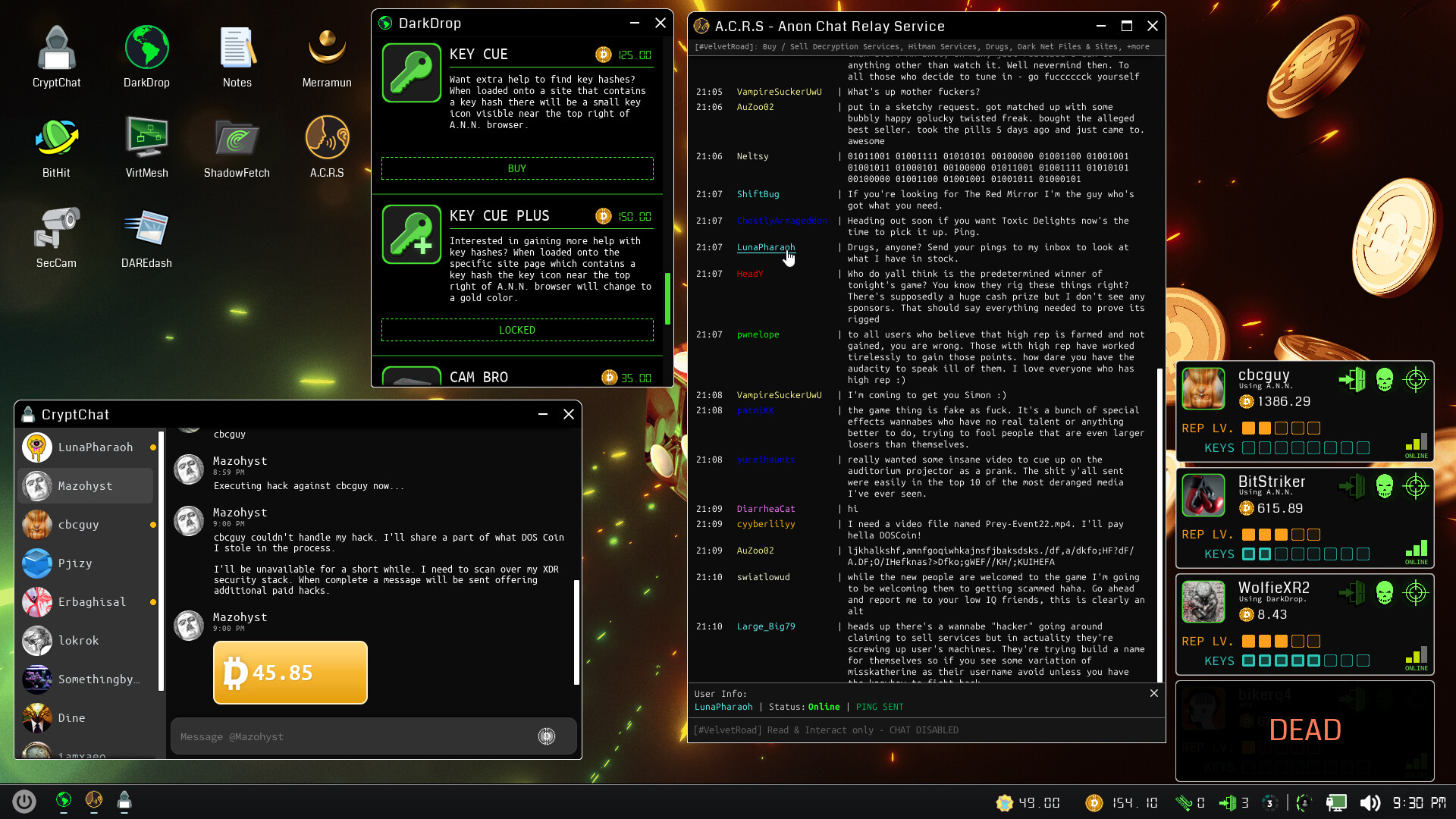
The desktop is command central: buying tools on DarkDrop, trading tips in A.C.R.S., and messaging other players all compete for attention while the clock runs.Image: Reflect Studios via Steam -
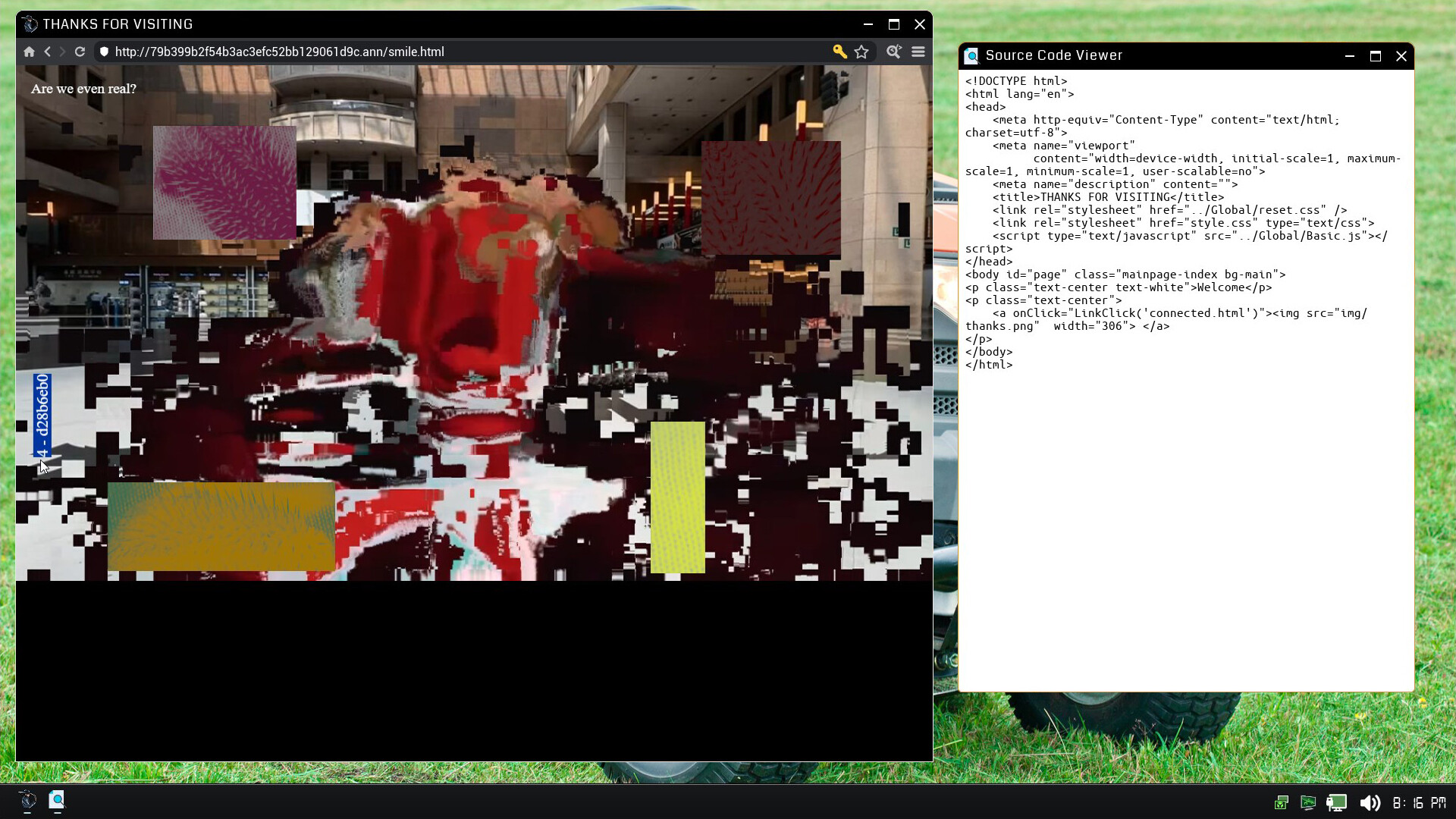
Digging through a site's source code for hidden clues, one of the browsing puzzles reviewers call the series' most distinctive idea.Image: Reflect Studios via Steam -
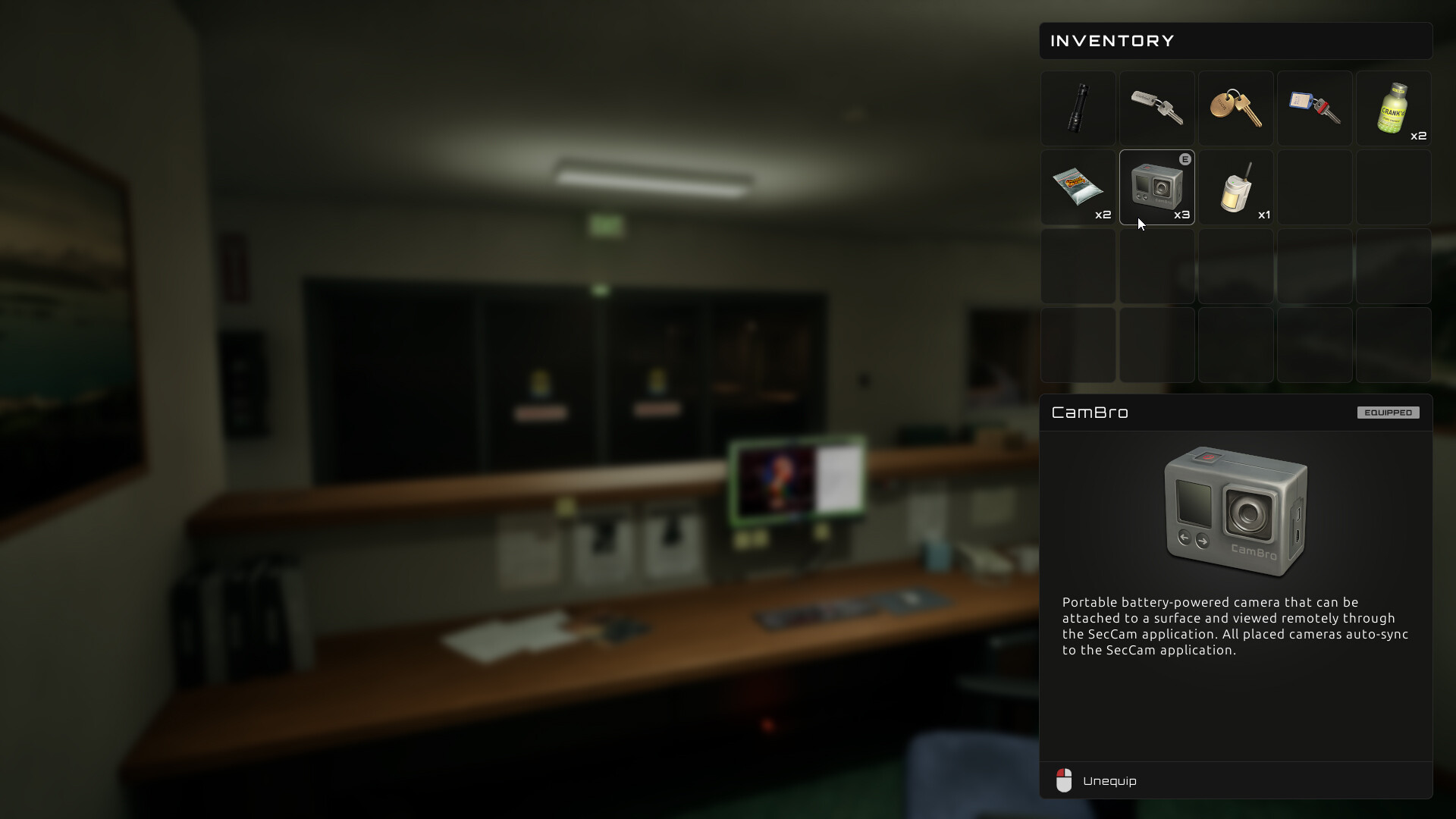
Managing inventory and portable security cameras at the motel desk, the new setting reviewers praise for its atmosphere.Image: Reflect Studios via Steam