Game review
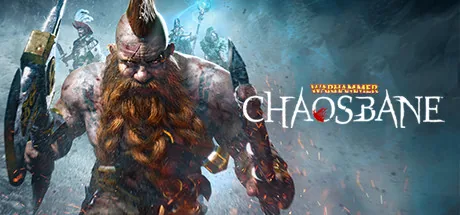
Warhammer: Chaosbane
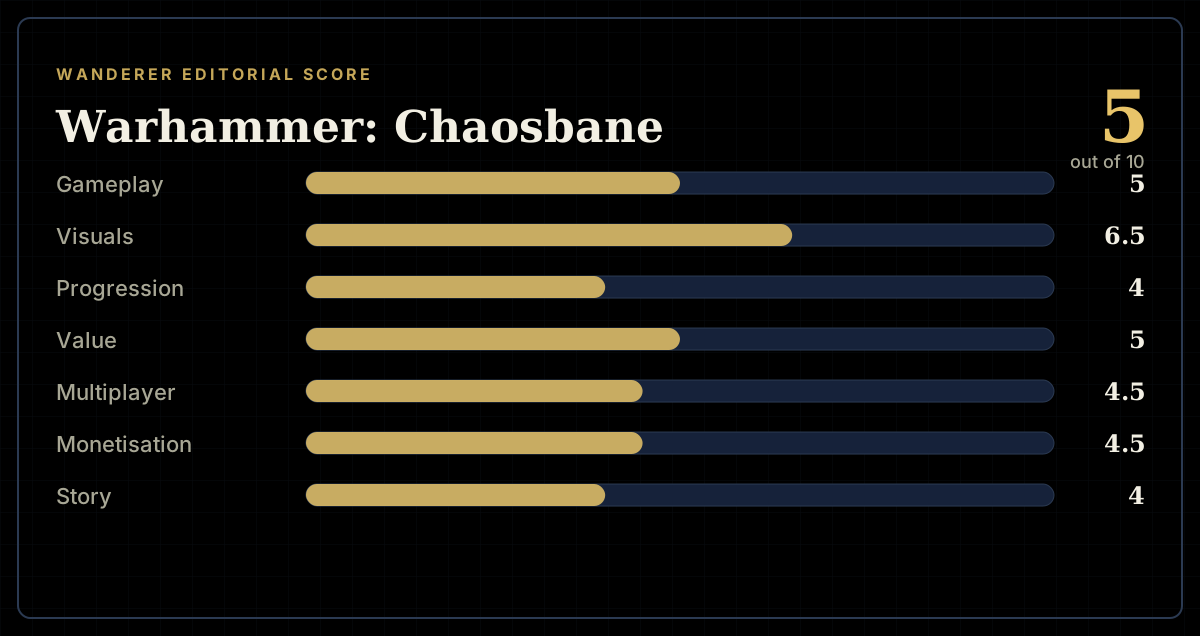
5 / 10
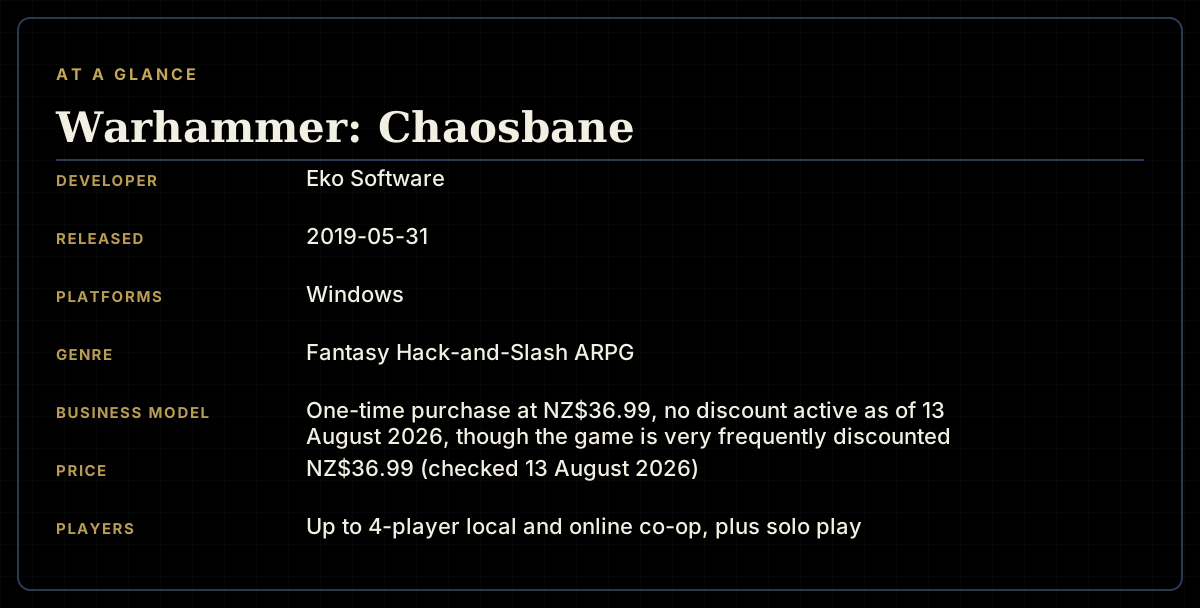
- Developer
- Eko Software
- Publisher
- Nacon
- Released
- 31 May 2019
- Platforms
- Windows
- Genre
- Fantasy Hack-and-Slash ARPG
- Monetisation
- One-time purchase at NZ$36.99, no discount active as of 13 August 2026, though the game is very frequently discounted 90%+ and several reviewers specifically recommend buying only then. A large catalogue of paid DLC includes two additional playable classes, cosmetic packs, and purchasable XP and Gold boosts.
- Players
- Up to 4-player local and online co-op, plus solo play
The short version
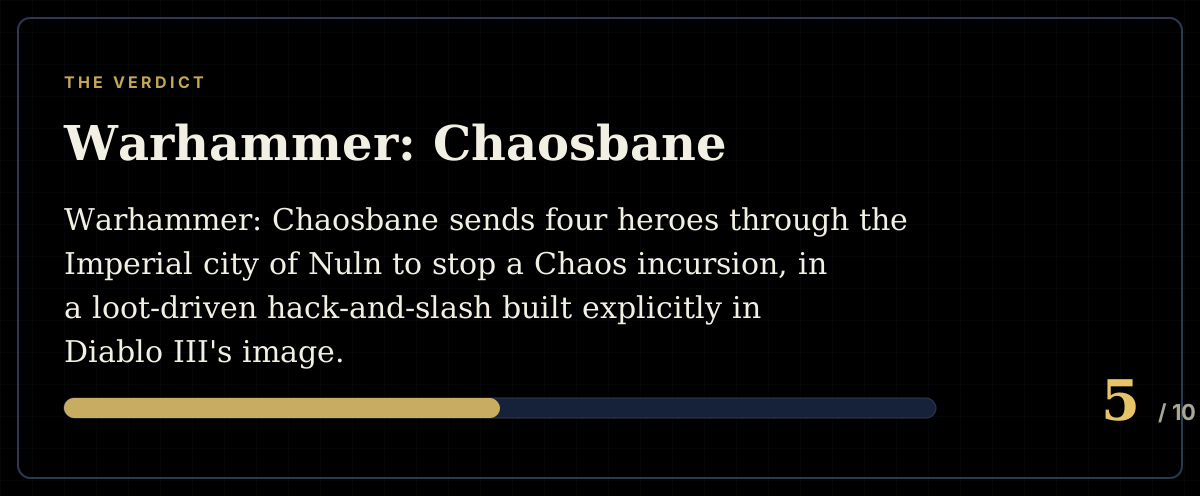
Warhammer: Chaosbane sends four heroes through the Imperial city of Nuln to stop a Chaos incursion, in a loot-driven hack-and-slash built explicitly in Diablo III's image. Launch critics were genuinely split -- Metacritic ranged 63-76 across platforms, with IGN's 8.7/10 praising "fun classes, good boss fights, and a decent loot system" against PC Gamer and Push Square calling the combat dull and repetitive next to the genre leader it so plainly imitates. Steam's audience has landed in almost exactly the same place and stayed there: Mixed, 58.4% of 6,450 reviews, seven years on.
What's remarkable is how little that specific complaint pattern has moved. A 100-review negative sample spanning 2024 through August 2026 raises "Diablo" comparisons in nearly a fifth of reviews, almost always unfavorably, alongside a short roughly-10-hour campaign reused across only four maps, character builds with no skill-point system to speak of, and co-op that several recent reviews describe as still soft-locking at mission end. One reviewer specifically accuses the studio of a pattern of abandoning games after about a year of support -- a claim this review can't independently verify, but the DLC calendar (last major expansion December 2019) doesn't contradict it.
Biggest strengths
- A recognisable, reasonably well-realised Warhammer Fantasy aesthetic and setting that draws real praise from series fans even inside otherwise critical reviews
- Genuinely strong boss fights, credited by both launch critics (IGN specifically) and a share of Steam reviewers as the game's clearest highlight
- Four distinct hero archetypes with real surface-level mechanical variety, expandable to six via DLC classes
Biggest weaknesses
- Draws unfavorable "Diablo clone" comparisons in nearly a fifth of a 100-review negative sample checked for this piece, almost always citing duller combat and shallower systems than the game it's plainly modelled on
- A short campaign -- commonly around 10 hours across just four chapters and maps -- that several reviewers say gets recycled into the game's endgame modes with little added variety
- Character builds lack a traditional skill-point system, with abilities unlocking automatically by level, which a real share of reviewers call a missing core ARPG ingredient
Who it's for: Warhammer Fantasy completionists who want the aesthetic and lore regardless of mechanical depth, and ARPG players specifically looking for a short, cheap co-op session rather than a long-term loot game. A poor fit for anyone expecting Diablo-level build depth or endgame content.
Our recommendation: Only worth buying at the deep discounts it's frequently sold at -- several reviewers say as little as a few dollars is the fair price -- and best approached as a short, forgettable co-op weekend rather than a serious long-term ARPG.
5 / 10
Warhammer: Chaosbane wears its inspiration on its sleeve. Four heroes — an Empire soldier, a High Elf mage, a Dwarf slayer and a Wood Elf scout — fight through the Imperial city of Nuln and beyond against a Chaos incursion, in a structure, camera angle and loot rhythm lifted almost directly from Diablo III. Developed by Eko Software and published by Bigben Interactive (now Nacon), it launched on 31 May 2019 on PC, with console versions following days later. Critics were genuinely split at launch — Metacritic settled anywhere from 63 to 76 depending on platform, with IGN's more generous 8.7/10 praising "fun classes, good boss fights, and a decent loot system" against PC Gamer and Push Square, who found the combat dull and the content repetitive set against the genre leader it so plainly imitates. Seven years later, Steam's audience is still split in almost exactly the same place: Mixed, 58.4% of 6,450 reviews.
A game that never quite escapes its own reference point
What's striking about Chaosbane's review history, checked across a 100-review negative sample spanning June 2024 through August 2026, is how consistently the same specific comparison recurs. "Diablo" appears, usually unfavorably, in close to a fifth of the sample — not as a passing reference but as the explicit yardstick reviewers measure the game against and find it losing to. "Slop warhammer slop... play Diablo 3 instead they plagiarised it," reads one blunt example; "Extreamly reapeatitive gameplay with placeholder story," reads another, a touch more measured but landing at the same conclusion. It's a genuinely unusual pattern to see hold this steady across seven years of independent reviews written by people who, for the most part, have clearly never read each other's — when the same specific reference point keeps surfacing that consistently, it's a strong signal about what the game's defining weakness actually is, rather than a coincidence of phrasing.
The specific complaints underneath that comparison are concrete rather than vague. Character progression lacks a traditional skill-point system — abilities simply unlock automatically as a character levels, removing the meaningful build choices the genre is usually built around. "No build variety," reads one review; "there is a solid foundation for what could have been" a proper ARPG, reads another, more sympathetic one, before concluding the game never builds on that foundation. Content variety draws the same complaint from a different angle: the campaign is commonly finished in around 10 hours across just four chapters and maps, and several reviewers specifically note that the game's endgame modes recycle those same environments and enemies with different difficulty modifiers rather than offering meaningfully new content — a criticism that shows up in nearly identical language from reviews written years apart.
Where the game is genuinely well-liked
It's worth being fair to what does work, because the review sample isn't uniformly negative even within its negative half. The Warhammer Fantasy setting and aesthetic draw real, specific praise — several reviewers who are otherwise critical of the mechanics still credit the game with capturing the tabletop universe's tone and visual identity reasonably well, and boss fights specifically are singled out as a highlight by both launch critics and a share of current Steam reviews, standing apart from the more repetitive standard encounters that draw most of the complaints. And a meaningful number of reviews frame the game specifically as a fair deal at a steep discount — "for 2 dollars, you can't be mad," reads one, a sentiment echoed across several others who bought the game for a few dollars during a sale and came away mildly satisfied rather than disappointed, in sharp contrast to reviewers who paid closer to full price.
Co-op problems and a support pattern worth flagging carefully
Co-op, one of the game's headline features, draws its own specific technical complaint that recurs across the entire review window rather than clustering at launch: a soft-lock bug at the end of certain missions, tied in one detailed report to an NPC character who can't be interacted with to progress, forcing a restart. "Do not buy except on 90% off," reads one review specifically citing this. "Make sure your group host leaves the dungeon first, or you'll get soft-locked" — a workaround, not a fix, still being passed around by players years after release.
One reviewer makes a broader claim worth reporting carefully rather than either repeating as fact or dismissing outright: that the developer has a pattern of supporting a game for roughly a year before moving to the next project, citing this game alongside another unrelated title by name. This review can't independently verify that as a studio-wide pattern, but the specific timeline for Chaosbane itself is consistent with a relatively short support window — its major expansion content, the Tomb Kings DLC, arrived in December 2019, roughly seven months after launch, with character-focused DLC following but no evidence in the review sample of substantial systemic changes to the build-depth or content-variety complaints that were already being raised at launch. The achievement data is consistent with a game whose endgame audience thins out fast: the "complete the game with all characters" achievement sits at just 1.6%, and the toughest boss difficulty and side-activity completionist achievements sit in the 4-6% range, versus 86.6% for finishing the prologue — a steep, if not unusual, drop-off, but one that matches reviewer accounts of a shallow, front-loaded game rather than one that keeps players around.
Verdict
Warhammer: Chaosbane is a functional, reasonably attractive loot ARPG that has never managed to step out from under the shadow of the genre leader it was so obviously built to resemble, and seven years of consistent, specific reviewer complaints — shallow builds, a short and repeated campaign, real co-op bugs — back that assessment up about as thoroughly as review data can. It's not without real strengths: the Warhammer setting is handled with genuine care, and the boss fights are a legitimate highlight. But this is a game best bought at the deep discounts it's constantly sold at, approached as a short, low-commitment co-op weekend rather than a serious long-term loot game, with expectations set by what seven years of its own players have consistently said rather than by the Diablo comparison the marketing invites.
5 out of 10. A reasonably faithful Warhammer Fantasy skin over a shallow, short ARPG that's never escaped the comparison to the genre leader it was so obviously chasing -- fine for a few dollars on sale, hard to recommend at anything close to full price.
Pros and cons
Pros
- A recognisable, reasonably well-realised Warhammer Fantasy aesthetic and setting that draws real praise from series fans even inside otherwise critical reviews
- Genuinely strong boss fights, credited by both launch critics (IGN specifically) and a share of Steam reviewers as the game's clearest highlight
- Four distinct hero archetypes with real surface-level mechanical variety, expandable to six via DLC classes
- Frequently available at very deep discounts, where several reviewers say the game becomes a reasonable, if unambitious, short co-op session
Cons
- Draws unfavorable "Diablo clone" comparisons in nearly a fifth of a 100-review negative sample checked for this piece, almost always citing duller combat and shallower systems than the game it's plainly modelled on
- A short campaign -- commonly around 10 hours across just four chapters and maps -- that several reviewers say gets recycled into the game's endgame modes with little added variety
- Character builds lack a traditional skill-point system, with abilities unlocking automatically by level, which a real share of reviewers call a missing core ARPG ingredient
- Co-op has a specific, still-reported soft-lock bug at the end of missions, alongside general stability complaints that recur across the entire seven-year review history rather than clustering at launch
Screenshots
-
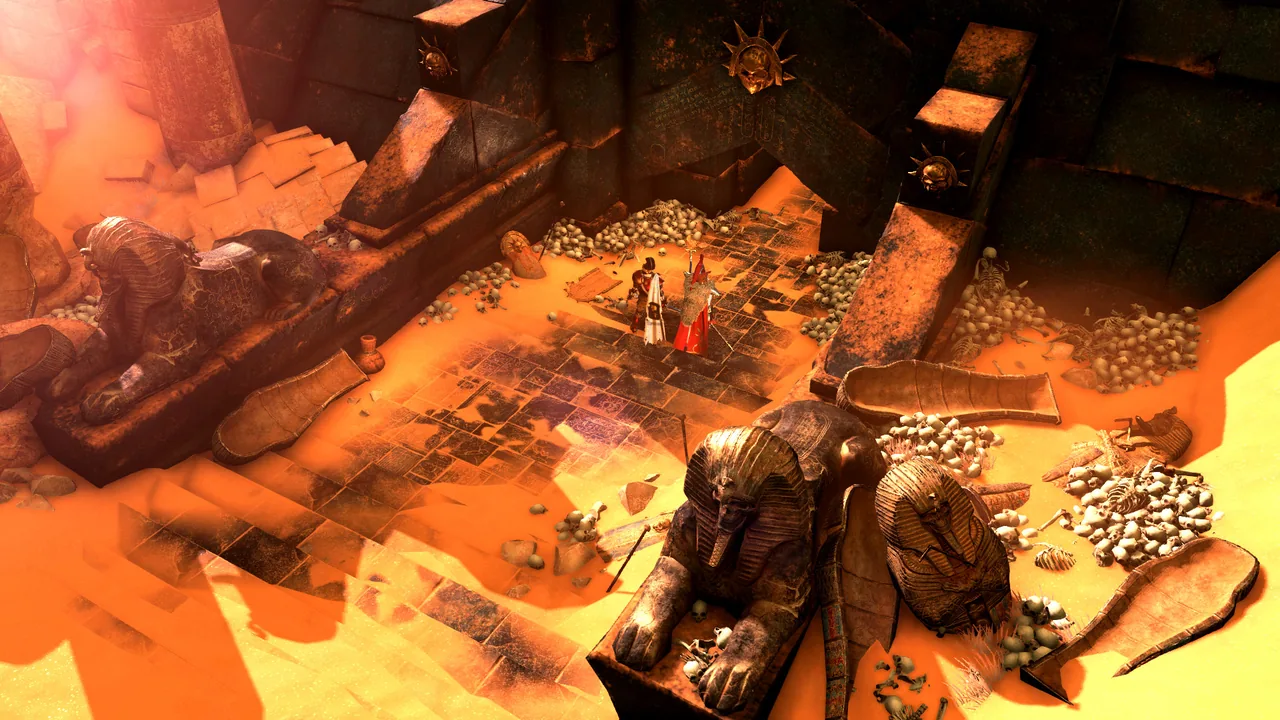
Warhammer: ChaosbaneImage: Nacon via Steam -
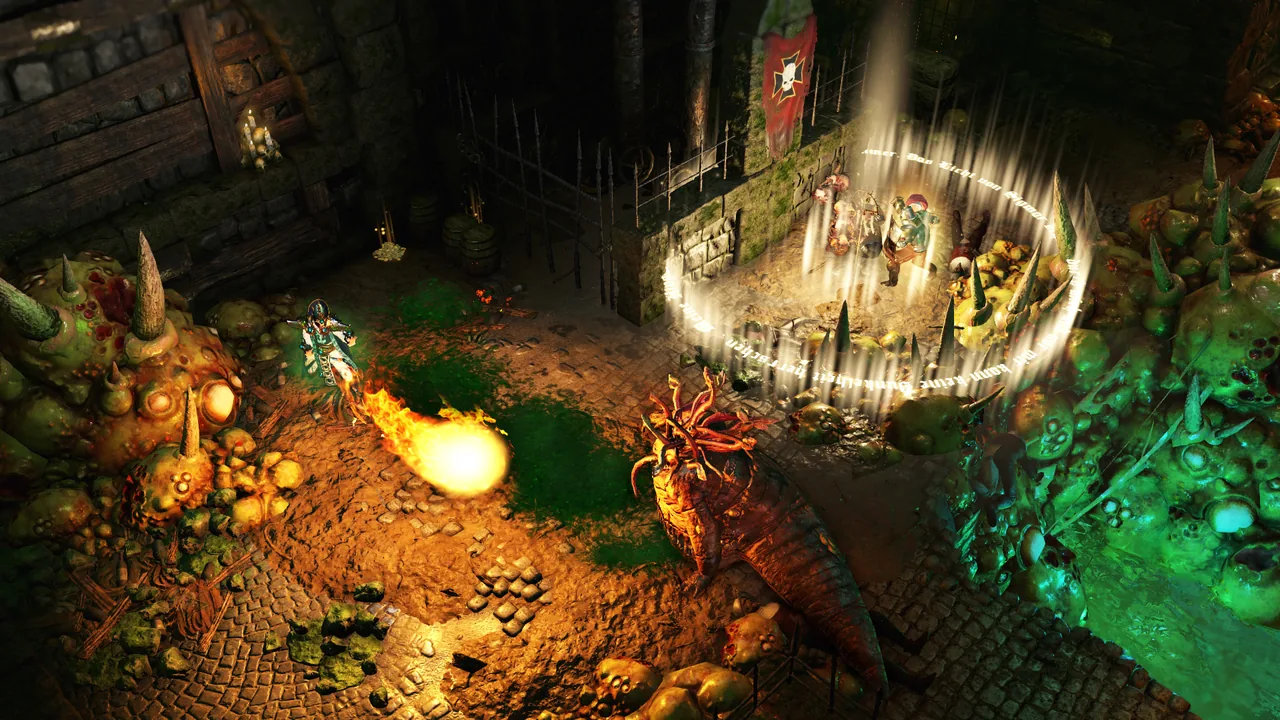
Warhammer: ChaosbaneImage: Nacon via Steam -
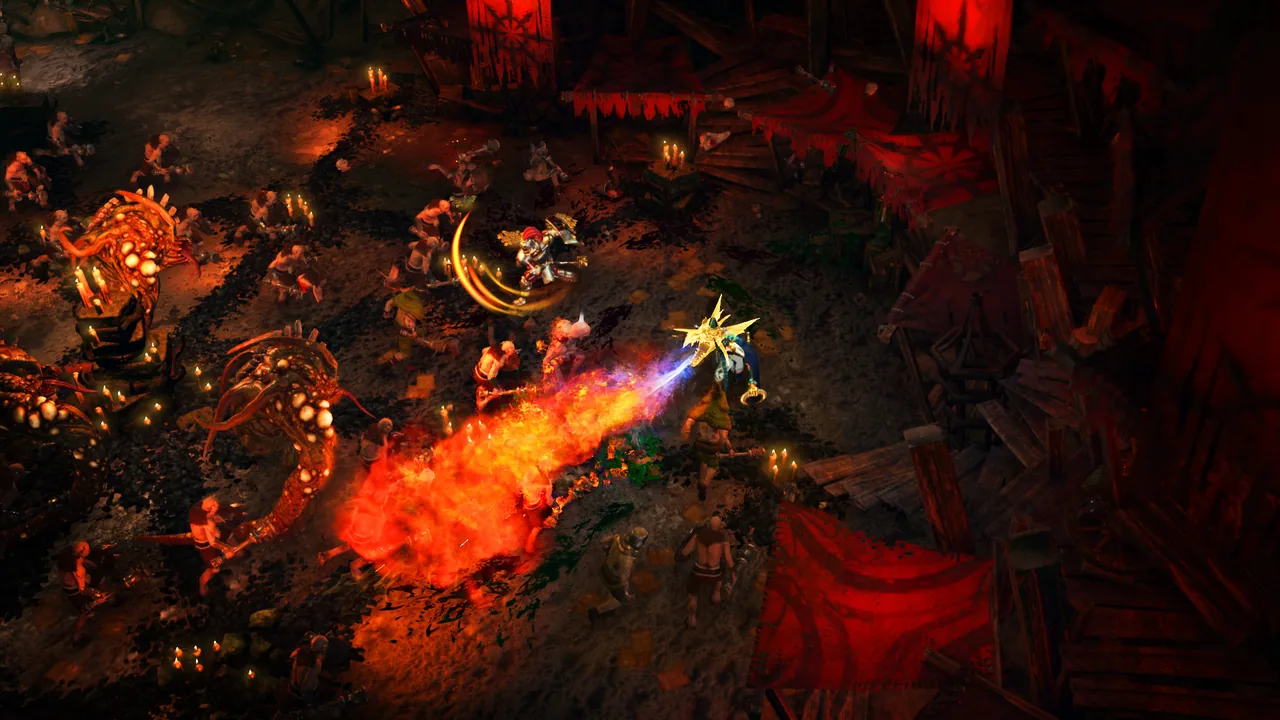
Warhammer: ChaosbaneImage: Nacon via Steam -
How the review scores each part of the gameWanderer Editorial -
The essentialsWanderer Editorial -
The short versionWanderer Editorial