Game review
Wanderstop
8 / 10
- Developer
- Ivy Road
- Publisher
- Annapurna Interactive
- Released
- 11 March 2025
- Platforms
- Windows
- Genre
- Narrative Cozy Sim
- Monetisation
- One-time purchase, no in-game store
- Players
- Single-player only
The short version
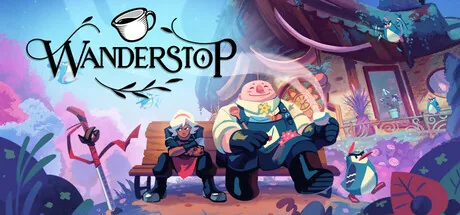
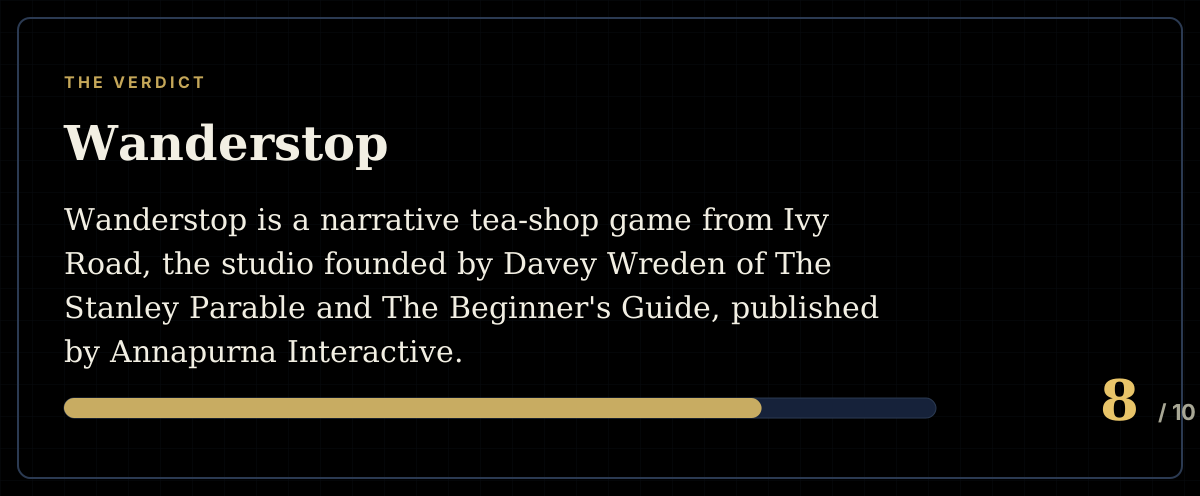
Wanderstop is a narrative tea-shop game from Ivy Road, the studio founded by Davey Wreden of The Stanley Parable and The Beginner's Guide, published by Annapurna Interactive. It sends a burned- out former fighter to run a mysterious forest tea shop while confronting grief, inadequacy and the impossibility of forcing your own healing. Released 11 March 2025, it holds a Very Positive rating — 93.1% across 2,508 English-language reviews, 92.8% across its wider 3,169-review all-language corpus — and earned nominations at both the Golden Joystick Awards and The Game Awards. This review reads the 100 most-relevant English negative reviews and finds a corpus engaged in a genuine, sophisticated argument about the game's central design choice: 34 of the 100 explicitly discuss its burnout thesis, and 17 raise a specific mechanic — the entire garden, inventory and relationships resetting at the end of every act — as the point where the game's deliberate refusal of cosiness stopped feeling illuminating and started feeling like a punishment. The game's own highest-voted review, at 804 votes, frames the intent precisely: "this is therapy, not catharsis," a description that explains exactly why some players connected with it deeply and others did not.
Biggest strengths
- Writing and character work draw extraordinarily consistent, specific praise, with the burnout narrative described repeatedly as honest and uncomfortable in ways most games about mental health avoid
- The soundtrack, composed by C418 (best known for Minecraft), earns near-universal acclaim across the entire review sample, described by multiple reviewers as one of the best scores they've heard in a game
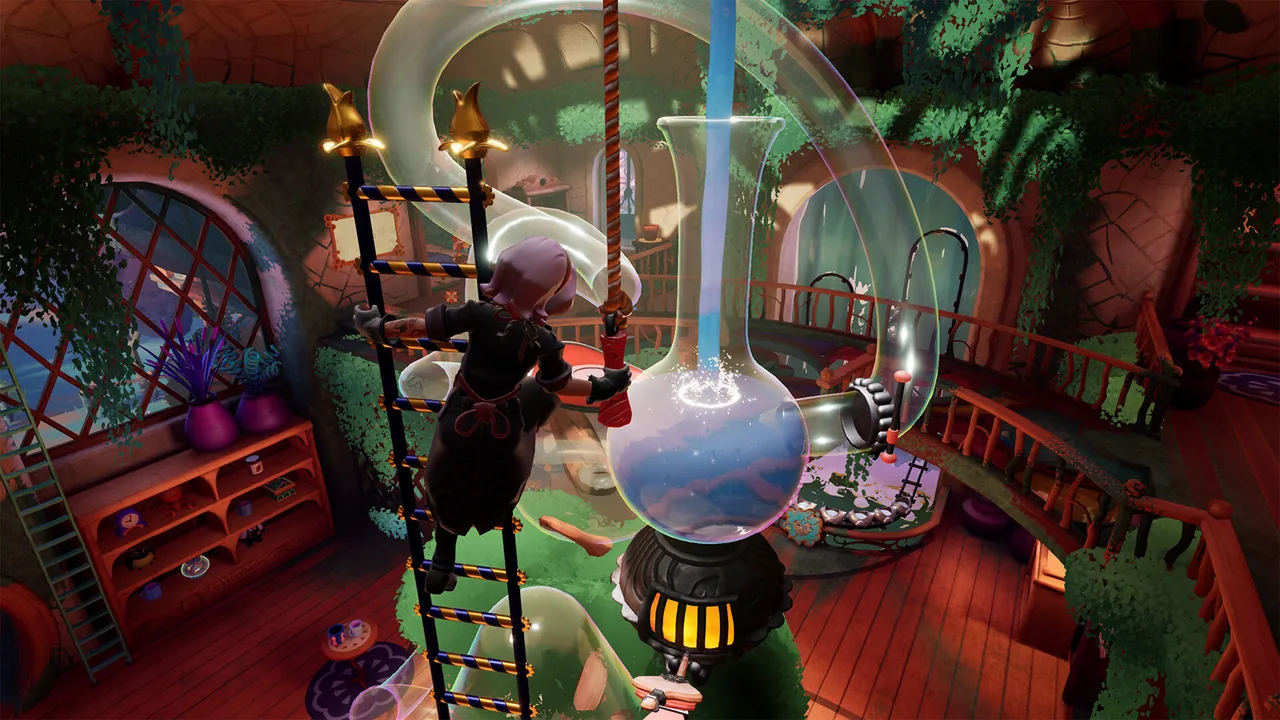
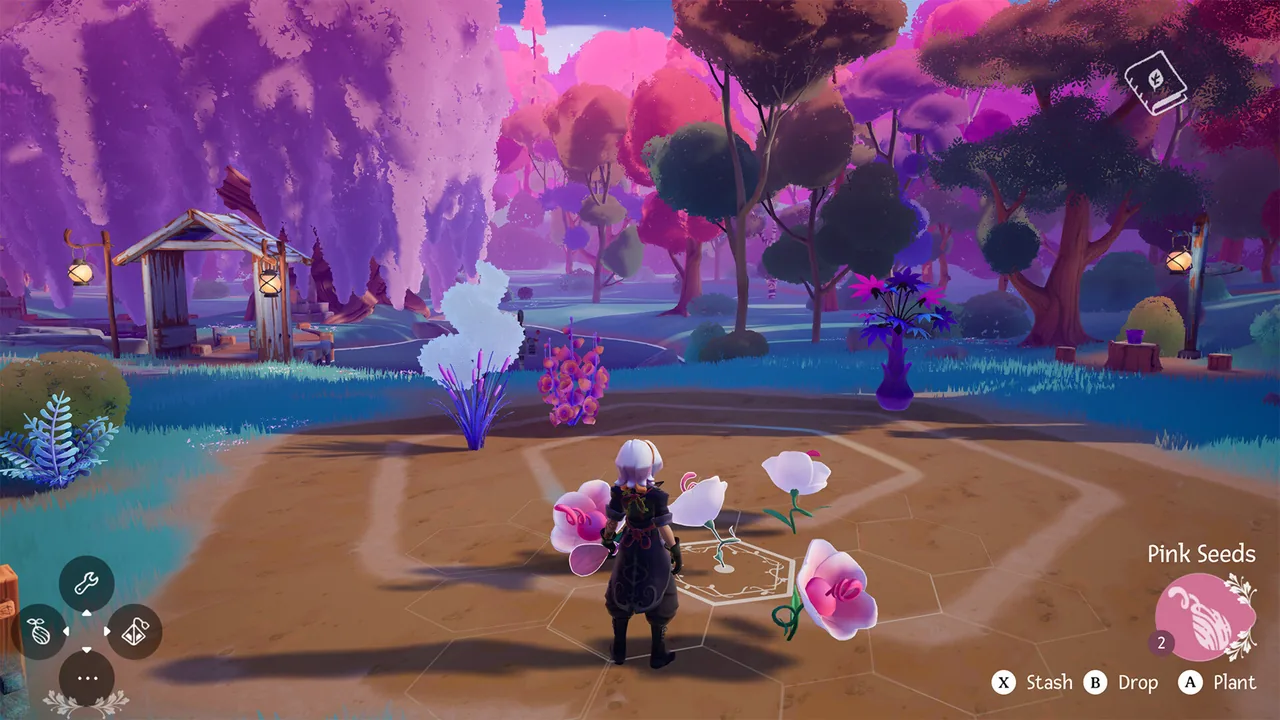
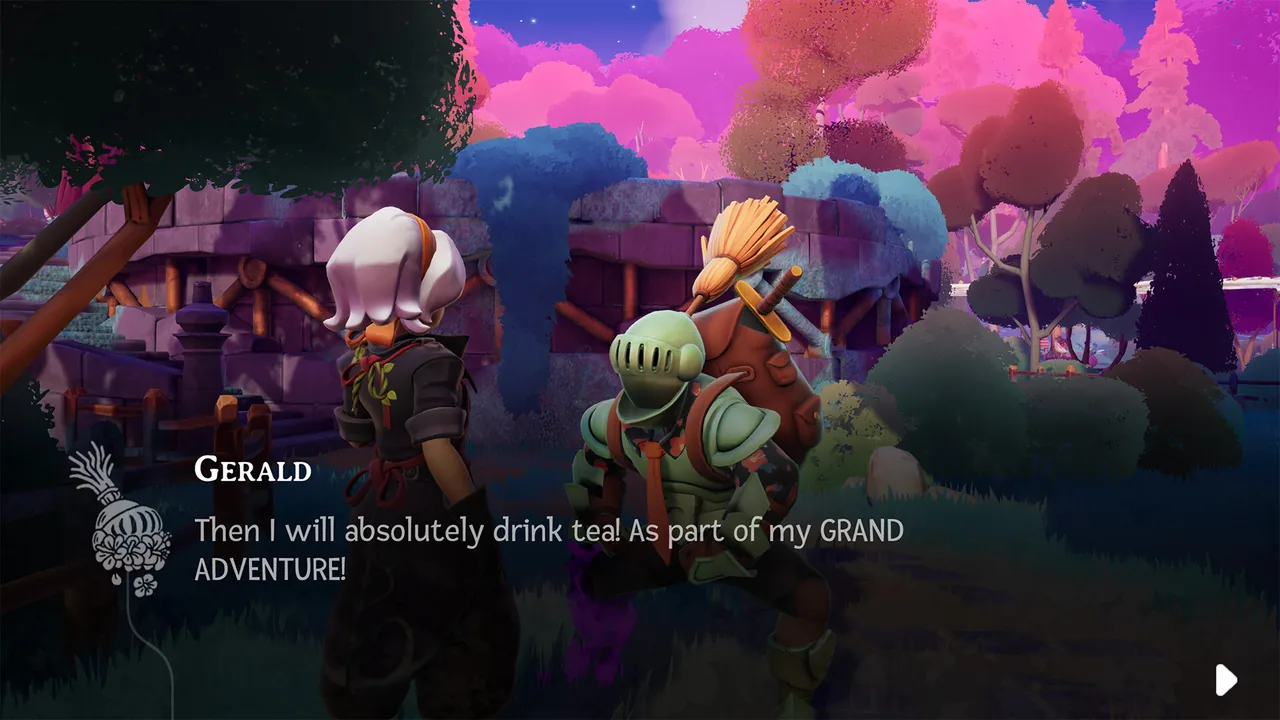
- Visual and character design draw consistent warmth, with the cast's cartoonish, over-the-top presentation credited as an effective contrast to the story's darker themes
Biggest weaknesses
- A specific mechanic — the entire garden, plant collection, inventory and NPC relationship progress resetting at the end of every act — is this review's most concretely divisive finding, raised in 17 of the 100 negatives as the point where deliberate discomfort tipped into feeling punishing rather than thematically meaningful
- Thirty-four of the 100 negatives directly engage with the game's burnout thesis, and a meaningful share of these come specifically from reviewers who describe their own experience with burnout and found the game's refusal to offer relief frustrating rather than validating — a notably different critique than simply disliking a slow game
- Nineteen of the 100 negatives describe the moment-to-moment gameplay as thin or repetitive relative to the strength of the narrative, with several suggesting the game might have worked better as a more streamlined visual novel
Who it's for: Players open to a slow, narrative-first experience that deliberately withholds the satisfaction typical cozy games provide; a poor fit for anyone wanting genuine relaxation, meaningful progression, or a game that rewards accumulation rather than repeatedly taking it away.
Our recommendation: A genuinely ambitious, beautifully written and scored game whose core design choice — refusing catharsis on purpose — is exactly what makes it powerful for some players and genuinely alienating for others. Go in knowing which kind of reader you are before buying.
8 / 10
Introduction
Wanderstop sends a burned-out, once-unbeatable fighter to run a small tea shop in a mysterious forest that won't let her leave, forcing a confrontation with grief, inadequacy and the limits of forcing your own recovery. It's the work of Ivy Road, the studio Davey Wreden founded after The Stanley Parable and The Beginner's Guide, published by Annapurna Interactive and released 11 March
- It holds a Very Positive rating — 93.1% across 2,508 English-language reviews, 92.8% across
its wider 3,169-review all-language corpus — and picked up nominations at both the Golden Joystick Awards and The Game Awards. This review reads the 100 most-relevant English negative reviews, and what it finds isn't a rejection of the game's quality so much as a genuine, sophisticated argument about whether its central creative choice succeeds.
"This is therapy, not catharsis"
That phrase, from the game's single highest-voted review at 804 votes, is worth leading with because it names precisely what Wanderstop is doing and why reactions to it split so cleanly. "Understand that this is a story game about trauma and feelings of inadequacy in the framework of a cozy game," the review continues. "This is not a cozy game where you achieve all your goals." That's not incidental framing — it's the design thesis the whole game is built around, and this review's sample shows both sides of the resulting split in genuine, articulate detail rather than one side simply being wrong. Writing and character work draw extraordinarily consistent praise across nearly every review, positive and negative alike, and the soundtrack — composed by C418, best known for Minecraft — earns close to universal acclaim, described repeatedly as one of the best scores reviewers have heard in a game.
The mechanic that turns philosophy into frustration for some
Here's the specific, concrete complaint this review can name precisely rather than gesture at vaguely: at the end of every act, the game wipes the player's garden, plant collection, inventory and progress with visiting NPCs entirely. Seventeen of the 100 negative reviews raise this directly, and the critique isn't that players dislike loss thematically — it's that the mechanic's execution undercuts investment rather than reframing it. "The entire world resetting after each act was a dealbreaker for me," reads one 36-vote review, listing plants, seeds, inventory, trinkets, teacups and the mailbox archive by name. "You don't even see the visiting NPCs again, leaving their stories en[ded]." Another reviewer, further along, describes losing "everything" as the single mechanic that "killed the game" for them despite understanding intellectually that "the whole point of the game is letting go." That's the crux of the disagreement in miniature: the mechanic is doing exactly what the design intends, and a real share of players still experienced it as a broken promise rather than a meaningful one.
When the message doesn't land the way it's meant to
Thirty-four of the 100 negative reviews engage directly with the game's burnout thesis, and a genuinely notable share of these come from reviewers who specifically identify as recovering from burnout themselves. That's worth taking seriously rather than treating as an ordinary difference of taste — several of these reviewers describe going in hoping the game would validate or illuminate their own experience and instead finding its insistence on discomfort exhausting rather than cathartic. "I am someone actively recovering from burnout," opens one 135-vote review, going on to describe the game's "relaxing safe haven" framing as a promise the actual experience doesn't keep for them personally. This isn't a case of players missing the point — several explicitly acknowledge understanding exactly what the game is trying to do, and object to how it executes that intention rather than to the intention itself. Set against that, a comparably substantial share of the positive sample describes the opposite experience precisely — burnout-recovering players who found the game's refusal to offer easy relief genuinely moving rather than punishing. Both readings are present in real number in this review's sample, and neither invalidates the other; they describe two different, equally legitimate reactions to a game deliberately built to provoke discomfort rather than soothe it.
Gameplay depth, separate from the thesis debate
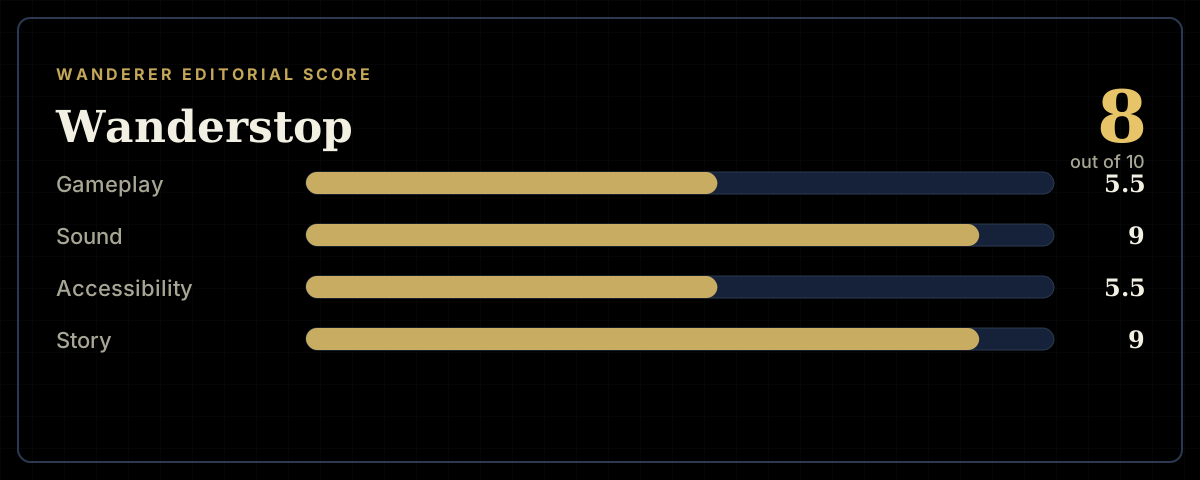
A more conventional complaint, distinct from the thematic argument above, concerns moment-to-moment gameplay. Nineteen of the 100 negatives describe the tea-brewing and gardening loop as thin or repetitive relative to the strength of the writing surrounding it, with several suggesting the game might have worked better with a lighter mechanical footprint — closer to a visual novel — given how sparse the actual interactive systems are. That's a fair, separable critique from the burnout-thesis debate: a reader could find the game's message entirely successful while still wishing its hour-to- hour play offered more to do.
A real accessibility note
A smaller but specific complaint concerns near-constant automatic camera movement, described by at least one detailed review as triggering genuine motion sickness during both regular play and cutscenes. This isn't a widespread complaint by raw count, but it's the kind of concrete, verifiable accessibility issue worth flagging plainly for readers who know they're sensitive to it, independent of how the rest of the game lands for them.
Final Verdict
Wanderstop succeeds at something genuinely difficult: building a "cozy" game that refuses the genre's usual comfort on purpose, and this review's full read of its critical sample finds that choice argued about with real sophistication on both sides rather than simply disliked. Its writing, music and presentation earn essentially unanimous praise. Where honest disagreement lives is in whether the specific mechanics chosen to enforce its thesis — wiping accumulated progress every act above all — deepen the message or undermine it, and whether the game's insistence on discomfort over relief lands as illumination or exhaustion for a reader specifically working through burnout themselves. Both are legitimate reactions this review's sample documents in real depth. Go in knowing Wanderstop is built to sit with you in difficulty rather than resolve it, and you'll likely find it as powerful as its many admirers do; go in wanting the genre's usual comfort, and this review's own critical sample says plainly you may not get it.
Pros and cons
Pros
- Writing and character work draw extraordinarily consistent, specific praise, with the burnout narrative described repeatedly as honest and uncomfortable in ways most games about mental health avoid
- The soundtrack, composed by C418 (best known for Minecraft), earns near-universal acclaim across the entire review sample, described by multiple reviewers as one of the best scores they've heard in a game
- Visual and character design draw consistent warmth, with the cast's cartoonish, over-the-top presentation credited as an effective contrast to the story's darker themes
- Steam Deck performance draws specific, repeated praise, with several reviewers confirming smooth, well-optimised play on handheld hardware
Cons
- A specific mechanic — the entire garden, plant collection, inventory and NPC relationship progress resetting at the end of every act — is this review's most concretely divisive finding, raised in 17 of the 100 negatives as the point where deliberate discomfort tipped into feeling punishing rather than thematically meaningful
- Thirty-four of the 100 negatives directly engage with the game's burnout thesis, and a meaningful share of these come specifically from reviewers who describe their own experience with burnout and found the game's refusal to offer relief frustrating rather than validating — a notably different critique than simply disliking a slow game
- Nineteen of the 100 negatives describe the moment-to-moment gameplay as thin or repetitive relative to the strength of the narrative, with several suggesting the game might have worked better as a more streamlined visual novel
- A smaller but real accessibility complaint concerns constant automatic camera movement, described by at least one detailed review as triggering genuine motion sickness during regular play and cutscenes alike
Screenshots
-
WanderstopImage: Annapurna Interactive via Steam -
WanderstopImage: Annapurna Interactive via Steam -
WanderstopImage: Annapurna Interactive via Steam -
How the review scores each part of the gameWanderer Editorial -

The essentials at a glanceWanderer Editorial -
The short versionWanderer Editorial