Game review
Trials of Mana
7 / 10
- Developer
- Square Enix
- Publisher
- Square Enix
- Released
- 24 April 2020
- Platforms
- Windows, Nintendo Switch, PlayStation 4
- Genre
- Action RPG
- Monetisation
- Premium, one-off purchase. A soundtrack DLC is the only add-on listed on Steam.
- Players
- Single-player only. Notably, this is a change from the 1995 original, which supported local two-player co-op on Super Famicom hardware; the 3D remake's shift to a third-person camera removed that feature; the developers have confirmed no plans to add it.
The short version
Trials of Mana rebuilds a Super Famicom game Square never gave an official English release to the first time around, and it does so faithfully — a class-change system with real build variety, three-of-six party selection that changes which story you get, and a soundtrack that survives the jump intact. It's also a remake missing a feature the 1995 original had (local two-player co-op) and carrying writing a meaningful share of its own Steam reviews call thin or dated by modern standards.
Biggest strengths
- The class-change system gives each of the six playable characters a real, visible build path with new skills and appearance changes rather than a stat-only upgrade
- Choosing three of six party members at the start genuinely changes which of the game's three interwoven plotlines plays out, giving repeat playthroughs a real reason to exist
- The soundtrack, rearranged from the 1995 original, is one of the more consistently praised elements across both positive and negative reviews
Biggest weaknesses
- A large share of negative Steam reviews single out the story and character writing as noticeably dated or thin next to modern JRPGs, with several longtime fans of the original saying nostalgia alone can't carry it
- The 2020 remake dropped the SNES original's local two-player co-op entirely, with no plans to add it back — a real loss for anyone who played the original that way
- Once a party of three is locked in at the start, it can't be changed for that playthrough, which several reviews flagged as an unwelcome rigidity for a game that otherwise encourages replays
Who it's for: JRPG fans curious about a beloved Super Famicom game that spent twenty-five years without an official Western release, and players who want a real class-change build system in a real-time action RPG. Less suited to players expecting the 1995 original's local co-op, or anyone hoping the story holds up to more character-driven modern JRPGs.
Our recommendation: A faithful, well-built remake of a genre classic that's worth playing for the class system and the novelty of finally experiencing this specific game in English, but go in with tempered expectations for the writing, and know upfront that the original's two-player co-op didn't make the trip.
7 / 10
Seiken Densetsu 3 came out on the Super Famicom in 1995 and stayed in Japan for twenty-four years — one of the more well-regarded 16-bit RPGs that English-speaking players simply couldn't buy through official channels, fan translations aside. That changed twice in quick succession: a retro 2D port arrived inside Collection of Mana in June 2019 under the English title Trials of Mana, and this full 3D remake, sharing that title, followed about ten months later. It's worth knowing that history going in, because it explains both what this remake gets right and the one thing it conspicuously left behind.
Six characters, three chosen, one story out of several
The structural hook that made the original distinctive is intact here: pick three of six playable characters at the start of the game, and that choice doesn't just set your party composition — it determines which of three interwoven main plotlines actually plays out, since each character has their own story thread and villain arc that the game weaves around whoever you picked. That's a real structural reason to replay the game with a different trio rather than just a difficulty reset, and it's one of the more distinctive things this specific RPG still offers relative to most of its genre peers. The one rigidity several reviews flagged: once that trio is locked in, there's no swapping it out mid-playthrough, which reads as an unwelcome restriction in a game otherwise built around choice.
A class system with a visible build path
Each character can change class multiple times over the course of the game using Seeds of a specific Elemental type, and every class change comes with new skills, stat growth and a visible appearance change rather than a palette-swapped stat bump. It's a genuinely satisfying progression loop — deciding when to commit a character toward a particular class tree has real consequences for how that character plays for the rest of the game, and it gives the action combat underneath more shape than a simple gear-and-level treadmill would.
Combat that plays it safe
The action itself is real-time rather than turn-based, and reviews are split on how much depth that combat holds up across a full playthrough. Several negative reviews describe fights as "simple," "samey" between characters, and comparatively easy on normal difficulty even with a full completionist approach to sidequests. None of that makes the combat bad, exactly — it's serviceable and the class system gives it enough variety to stay watchable — but it's a real limitation next to action RPGs built with combat as the primary draw rather than a vehicle for the story and class progression around it.
The co-op the original had, and this one doesn't
Here's the detail that separates this from most straightforward "faithful remake" stories: the 1995 Super Famicom original supported local two-player co-op, letting a second player pick up a controller and take over a party member the moment they joined. The 2020 remake's shift from a top-down 2D perspective to a third-person 3D camera removed that entirely, and Square Enix has confirmed there are no plans to add it back. For anyone who has fond memories of playing the original that way — and Steam's own community discussions make clear there are plenty of those players — that's a genuine loss the remake doesn't attempt to replace, rather than a minor omission.
Where nostalgia carries, and where it doesn't
A meaningful share of this game's negative Steam reviews raise the story and character writing specifically, and the pattern is notable: it isn't newcomers bouncing off unfamiliar mechanics, it's longtime fans of the original saying the writing hasn't aged as gracefully as the systems around it, describing the cast and plotting as thin next to what modern JRPGs are willing to attempt. Set against that, the soundtrack — rearranged from the SNES original rather than replaced — is one of the more consistently praised elements across both positive and negative reviews, "surviving the translation" in a way the character writing doesn't always manage. The remake is honest in that specific way: it upgraded the systems and the presentation more successfully than it upgraded the story underneath them.
Verdict
Seven out of ten. Trials of Mana is a faithful, well-constructed remake of a genre classic that spent a quarter-century without an official English release, built around a class-change system and a three-of-six party structure that still hold up as genuinely distinctive design. What keeps it from climbing higher is specific: writing a meaningful share of the game's own longtime fans call dated, combat some reviewers found too simple across a full playthrough, and the loss of the original's local two-player co-op with no plan to bring it back. For players discovering this story for the first time, or curious what all the Super Famicom-era fuss was about, it's a solid, faithful way in. For anyone who played the original with a second controller in hand, know that part of the experience isn't coming back.
Price and review counts checked 3 August 2026.
Pros and cons
Pros
- The class-change system gives each of the six playable characters a real, visible build path with new skills and appearance changes rather than a stat-only upgrade
- Choosing three of six party members at the start genuinely changes which of the game's three interwoven plotlines plays out, giving repeat playthroughs a real reason to exist
- The soundtrack, rearranged from the 1995 original, is one of the more consistently praised elements across both positive and negative reviews
- It's a well-executed, faithful remake of a game a generation of English-speaking players never had legal access to until 2019
Cons
- A large share of negative Steam reviews single out the story and character writing as noticeably dated or thin next to modern JRPGs, with several longtime fans of the original saying nostalgia alone can't carry it
- The 2020 remake dropped the SNES original's local two-player co-op entirely, with no plans to add it back — a real loss for anyone who played the original that way
- Once a party of three is locked in at the start, it can't be changed for that playthrough, which several reviews flagged as an unwelcome rigidity for a game that otherwise encourages replays
- Some reviewers found the action combat comparatively simple and repetitive across a full playthrough, especially on normal difficulty
Screenshots
-
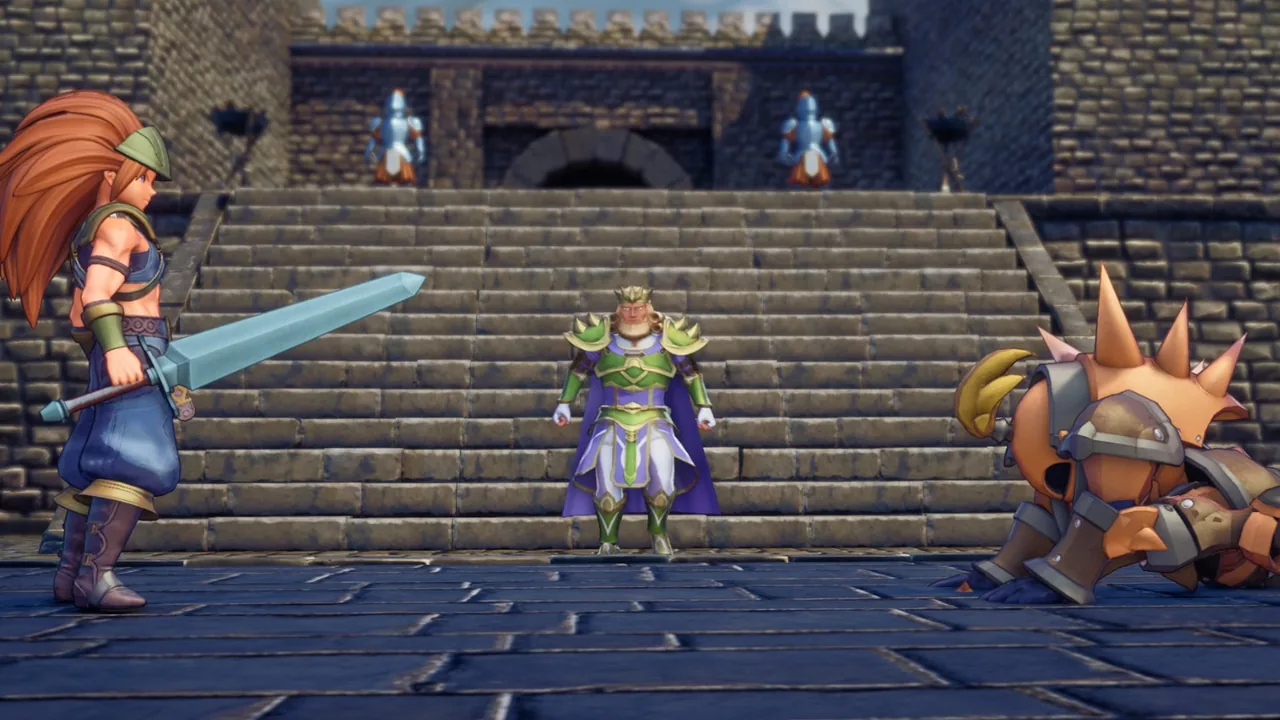
Trials of ManaImage: Square Enix via Steam -
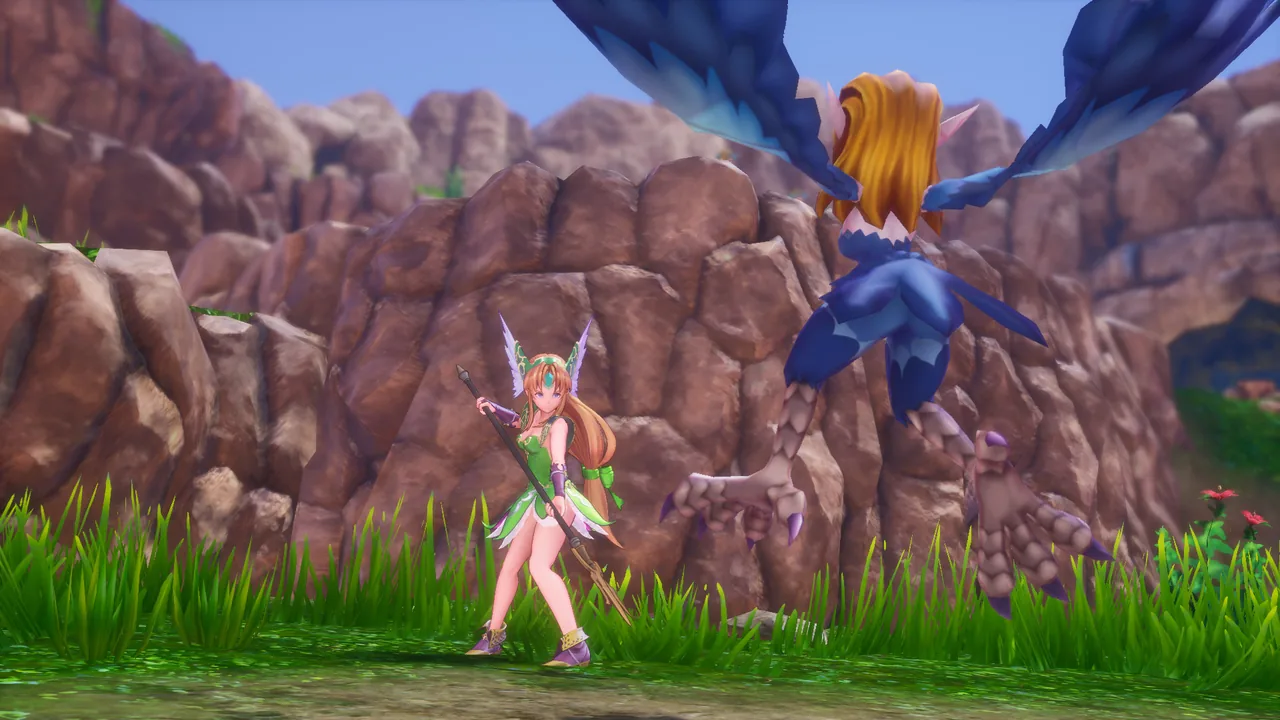
Trials of ManaImage: Square Enix via Steam -

Trials of ManaImage: Square Enix via Steam -
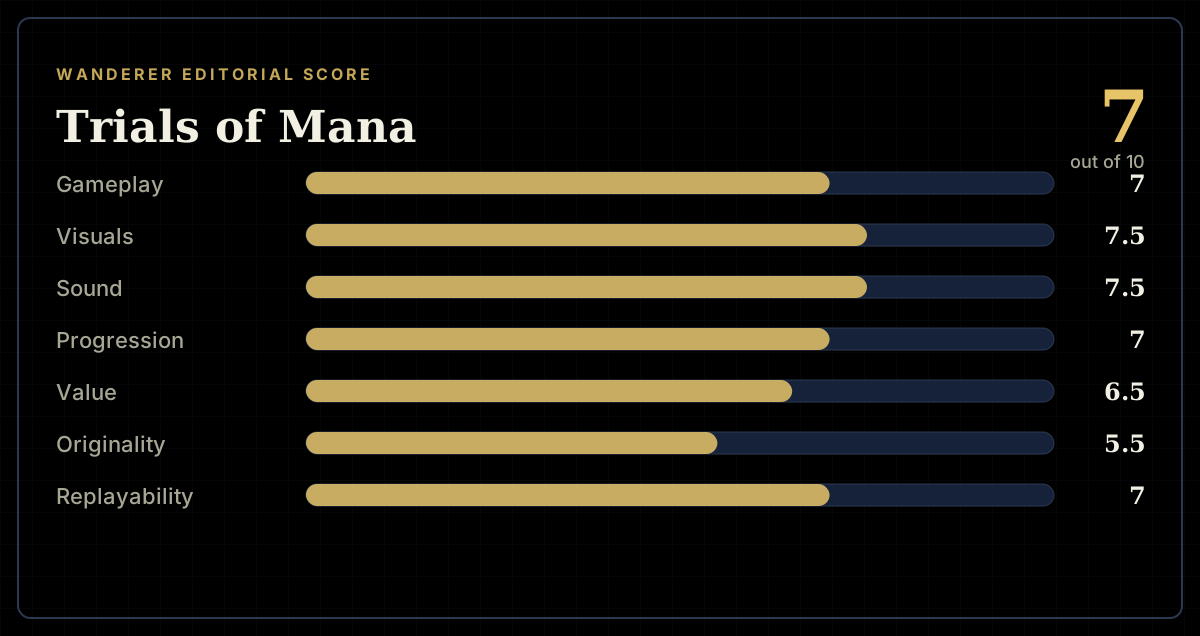
How the review scores each part of the gameWanderer Editorial -
The short versionWanderer Editorial