
Game review
Together: Moon Escape Review: A Solid Two-Player Puzzle Adventure With Rough Patches
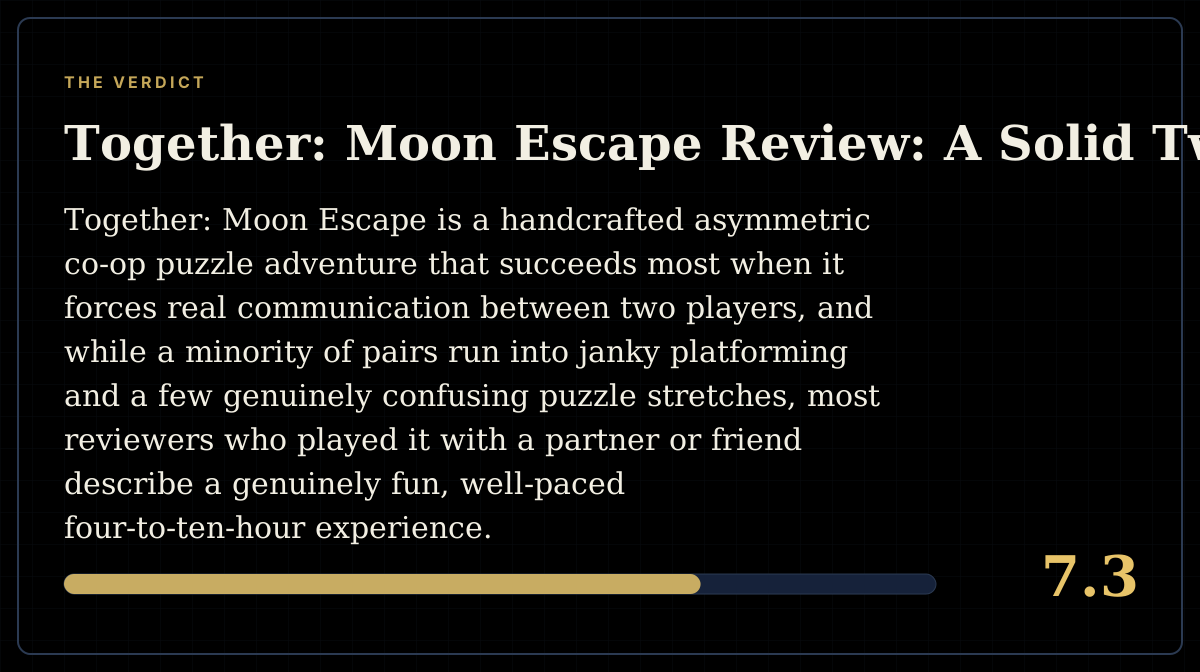
7.3 / 10
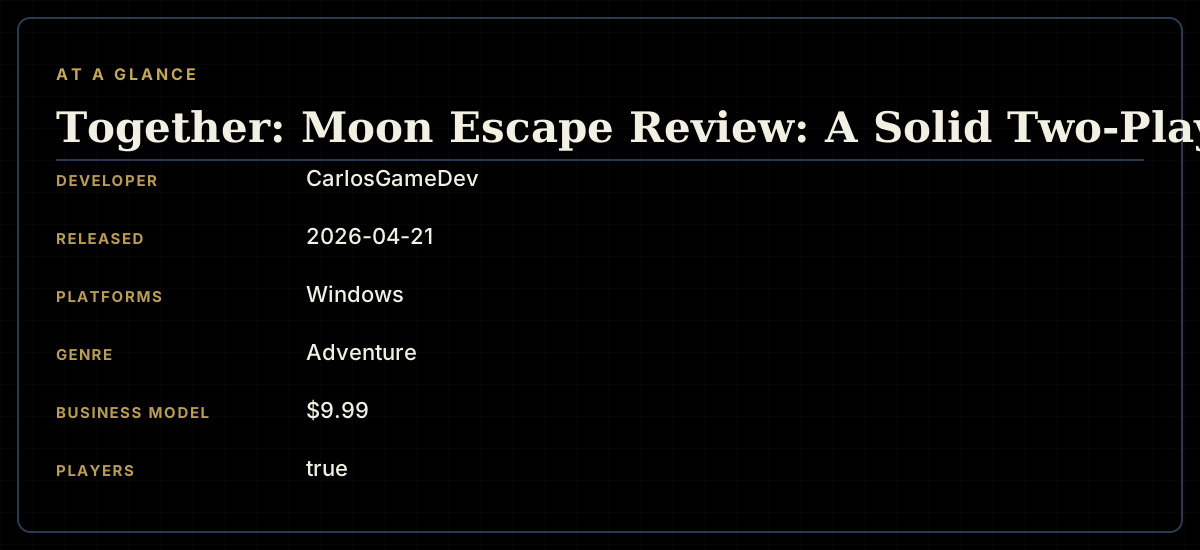
- Developer
- CarlosGameDev
- Publisher
- CarlosGameDev, CouchPlay Interactive
- Released
- 21 April 2026
- Platforms
- Windows
- Genre
- Adventure
- Monetisation
- $9.99
- Players
- true
The short version
Together: Moon Escape is a handcrafted asymmetric co-op puzzle adventure that succeeds most when it forces real communication between two players, and while a minority of pairs run into janky platforming and a few genuinely confusing puzzle stretches, most reviewers who played it with a partner or friend describe a genuinely fun, well-paced four-to-ten-hour experience.
Biggest strengths
- Genuinely clever, communication-driven asymmetric puzzles that a large majority of reviewers say require real cooperation rather than parallel, independent problem-solving
- A well-tuned difficulty curve that reviewers describe as challenging without becoming frustrating for most of the roughly four-to-ten-hour campaign
- Smooth, stable online and local co-op with no reported connection or sync issues in the review sample, running well even for a single-developer production
Biggest weaknesses
- Janky, imprecise platforming and jumping reported by multiple reviewers as a real source of frustration, particularly during low-gravity sequences
- A handful of specific puzzle sections, especially one involving invisible slimes, criticized as confusing rather than cleverly challenging by a meaningful minority
- A thin, low-priority story with humor reviewers consistently describe as hit-or-miss, leaving the narrative firmly secondary to the puzzle-solving
Who it's for: A strong fit for co-op duos who enjoyed We Were Here or Portal 2 and want a lower-stakes, comedy-leaning puzzle adventure to play with a partner or close friend; a weaker fit for players expecting a strong story or precise platforming, since the writing is thin and the movement systems draw real complaints from a portion of the review base.
Our recommendation: Buy it
7.3 / 10
Two astronauts, one profitable slime empire, and a job gone wrong
Together: Moon Escape casts its two players as Moonfishers, specialized astronauts working for Moontella, a trillion-dollar corporation extracting rare, dubiously safe lunar slimes to supply high-end restaurants back on Earth. The job goes wrong almost immediately, and the pair spend the rest of the game working their way out of Moontella's low-gravity facility through a series of intentionally asymmetric puzzles, each requiring both players to see and do different things to progress together.
Developed solo by CarlosGameDev and published alongside CouchPlay Interactive, the game explicitly positions itself against genre touchstones We Were Here and It Takes Two, and reviewers largely agree it earns the comparison, at least on the puzzle-design front. At $9.99 for a campaign most reviewers finish in four to ten hours depending on their partner's skill and patience, it's priced as a focused, single-playthrough co-op experience rather than a sprawling adventure.
Puzzles built around real communication
The strongest, most consistent praise in the review base is for the puzzle design itself. Reviewers repeatedly describe puzzles that genuinely require both players to talk through what they're each seeing, rather than simply working in parallel on separate halves of the same problem. One detailed review called it "exactly what a true co-op game should feel like," describing puzzles as "clever, creative and genuinely challenging without becoming frustrating," while another specifically compared the structure favorably to Portal 2's mandatory two-player puzzle design.
That difficulty curve is a recurring point of praise across reviews of varying length and detail: most reviewers describe a comfortable balance where puzzles make you stop and think without grinding progress to a halt. A handful of reviewers do note the game leans harder into difficulty for newer or less coordinated players, one review specifically citing a partner's persistent jumping struggles as the main source of slowdown, though this reads more as an anecdote about mismatched skill levels than a design flaw in itself.
When puzzles turn from clever to confusing
Not every puzzle lands as intended, according to a real and specific minority of reviewers. The most frequently cited trouble spot involves a stretch built around invisible slimes that only one player can interact with, which multiple negative reviews single out as confusing rather than cleverly challenging. One reviewer described getting through much of the game only to be stopped cold by mechanics that felt underexplained, while another argued the game "learns all the wrong lessons from Portal," criticizing both the puzzle clarity and the humor built around it.
This criticism sits alongside, rather than replacing, the much larger body of praise for the puzzle design overall; it's best read as evidence that a subset of the game's harder or more obscure puzzle moments didn't get the same polish as the rest, rather than a wholesale rejection of the design philosophy.
Movement that doesn't always match the ambition
A second recurring complaint concerns the game's movement and platforming, which multiple reviewers describe as janky or imprecise, particularly during the low-gravity sequences central to the Moon setting. One negative review went as far as calling the experience "a platformer with extra steps," citing frustration with invisible platforming sections layered on top of already-loose jumping. At least one reviewer also reported a specific local co-op bug involving a stick-click input that could launch a player unexpectedly or leave them stuck inside room geometry.
These reports aren't universal; a large share of positive reviews don't mention movement issues at all, and several specifically praise smooth performance and stable co-op syncing with no reported bugs. But the pattern recurs often enough across independent reviews to treat as a real, if inconsistent, weak point rather than an isolated complaint.
A thin story riding along for the ride
Reviewers are broadly aligned that the narrative and comedy writing take a back seat to the puzzle-solving, and most seem fine with that trade-off. One reviewer plainly noted the "story is really not the focus of the game. It's basic at best, and the humour is hit or miss," a sentiment echoed across both positive and negative reviews. For a game explicitly designed around cooperative puzzle-solving as its core selling point, this appears to be an accepted, largely uncontroversial limitation rather than a serious mark against it, though players hoping for the emotional narrative weight of It Takes Two specifically should adjust expectations accordingly.
A modest package with real polish underneath
It's worth pausing on how much this game accomplishes for a single-developer production. Reviewers repeatedly express surprise that Together: Moon Escape was built largely by one person, particularly given the reliability of its multiplayer syncing and the consistency of its visual presentation across a fairly long campaign. One reviewer specifically remarked that "it does show" that a single developer made it, but framed that as evidence of the puzzles being frustrating in specific pockets rather than the overall production values suffering, a distinction worth drawing out clearly since it separates a legitimate design complaint from a more general judgment about the game's quality.
That solo-developer context also helps explain the trade-offs reviewers describe: a small, focused set of mechanics executed with real care in most areas, a story kept deliberately light rather than ambitious, and a handful of rough patches, mostly around platforming precision and a couple of underexplained puzzles, that a larger team with more testing resources might have caught before launch. None of this appears to have stopped the large majority of players from finishing the campaign satisfied, and the accessibility options built in, from adjustable text size to Camera Comfort settings, suggest a developer thinking carefully about who might be playing this with a partner, even where the mechanical execution doesn't always keep pace with that ambition.
Verdict: a strong co-op puzzler let down in a few specific spots
Together: Moon Escape delivers on its central promise: a puzzle adventure that genuinely rewards two players talking, testing, and problem-solving together rather than working in isolation. Its low-gravity Moon setting and slime-corporation premise give it a distinct, comedic identity, even if the writing itself doesn't carry much weight. The movement jank and a few specifically confusing puzzle stretches keep it from being a flawless recommendation, but for co-op pairs willing to work through the rough patches together, most reviewers say the result is well worth the modest asking price.
Pros and cons
Pros
- Genuinely clever, communication-driven asymmetric puzzles that a large majority of reviewers say require real cooperation rather than parallel, independent problem-solving
- A well-tuned difficulty curve that reviewers describe as challenging without becoming frustrating for most of the roughly four-to-ten-hour campaign
- Smooth, stable online and local co-op with no reported connection or sync issues in the review sample, running well even for a single-developer production
- Broad accessibility and co-op options including Remote Play Together, full controller support, adjustable text size, and Camera Comfort settings
Cons
- Janky, imprecise platforming and jumping reported by multiple reviewers as a real source of frustration, particularly during low-gravity sequences
- A handful of specific puzzle sections, especially one involving invisible slimes, criticized as confusing rather than cleverly challenging by a meaningful minority
- A thin, low-priority story with humor reviewers consistently describe as hit-or-miss, leaving the narrative firmly secondary to the puzzle-solving
- Some level areas visually blend together, making navigation and backtracking more confusing than it needs to be according to a subset of reviewers
Screenshots
-
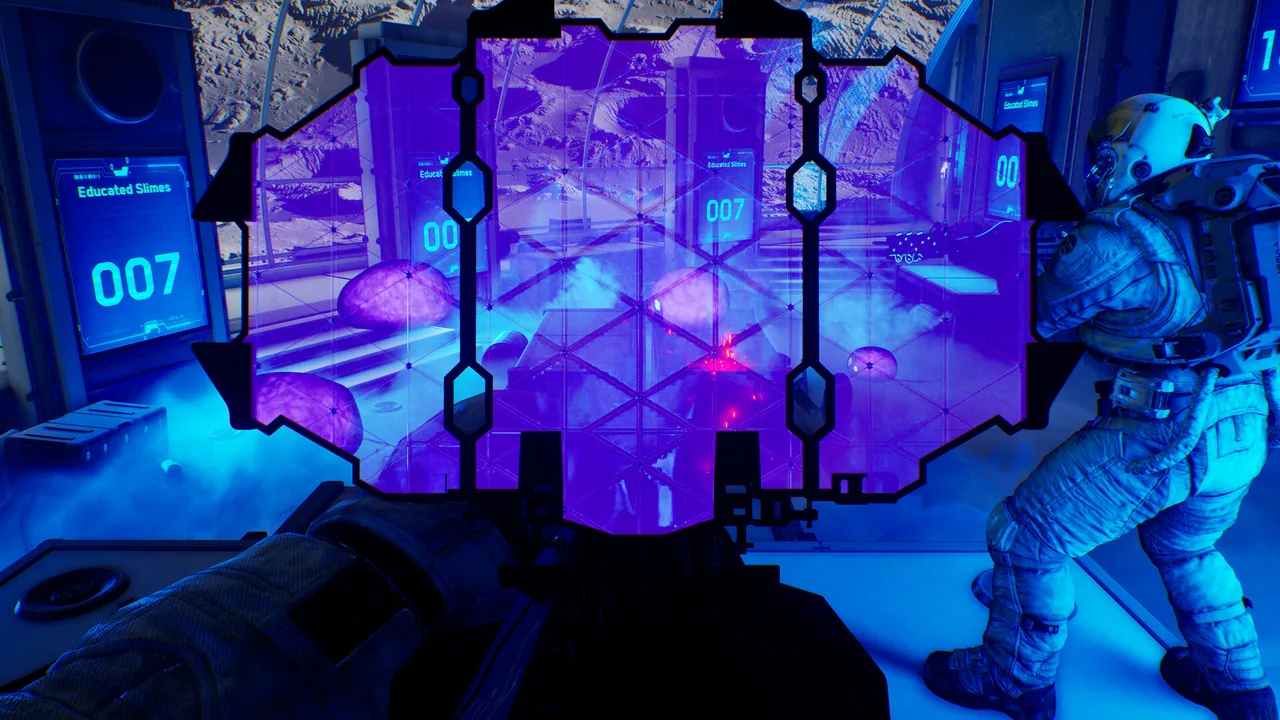
Together: Moon EscapeImage: CarlosGameDev via Steam -
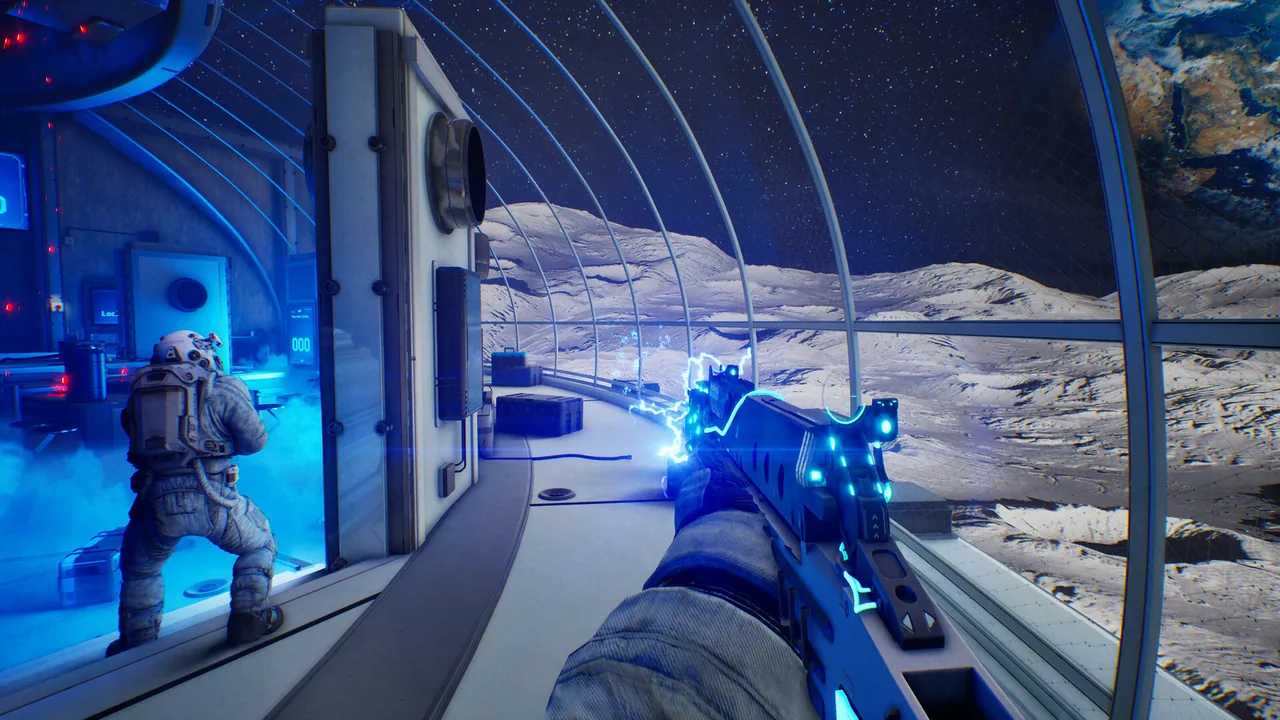
Together: Moon EscapeImage: CarlosGameDev via Steam -
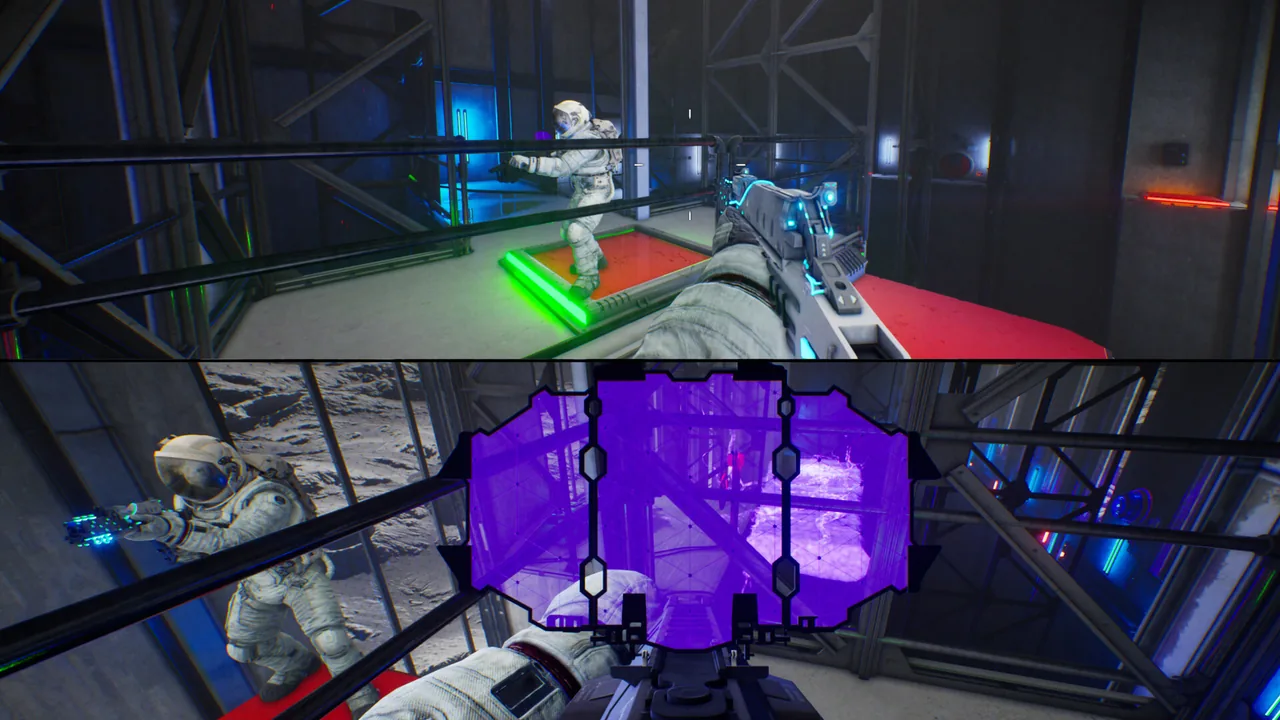
Together: Moon EscapeImage: CarlosGameDev via Steam -
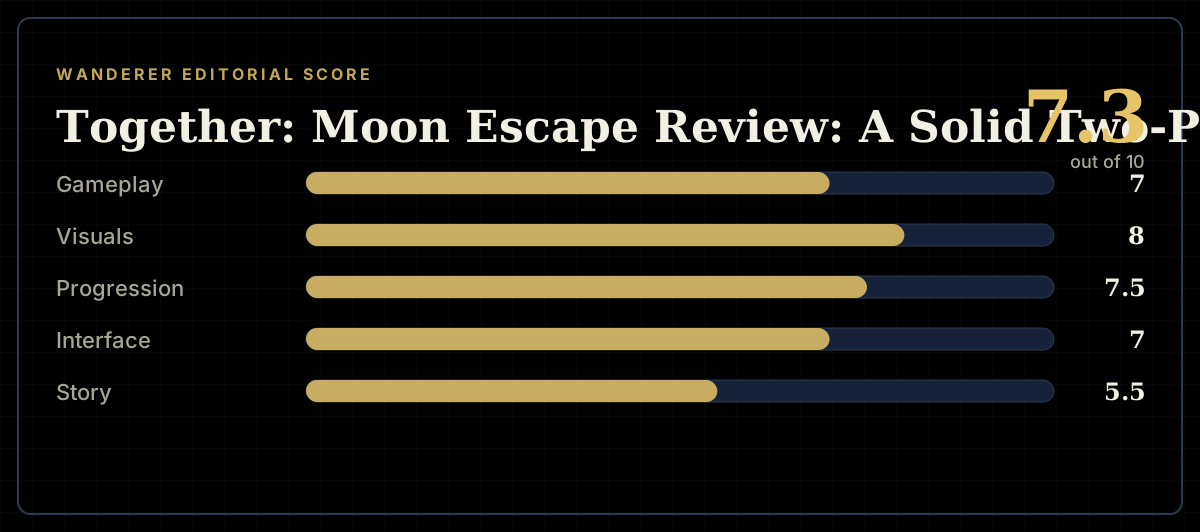
How the review scores each part of the gameWanderer Editorial -
Platform and release detailsWanderer Editorial -
The short versionWanderer Editorial