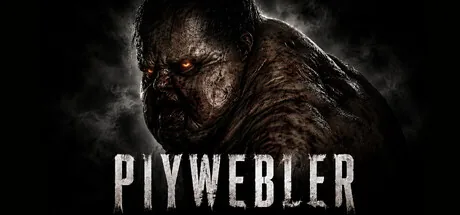
Game review
Piywebler Review: A Co-op Horror Game Split Right Down the Middle
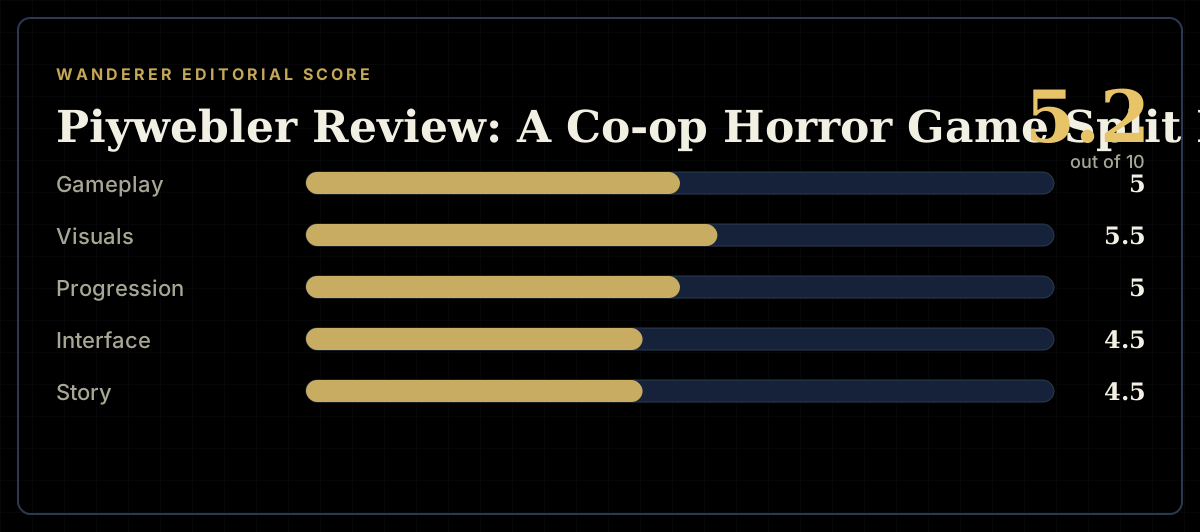
5.2 / 10
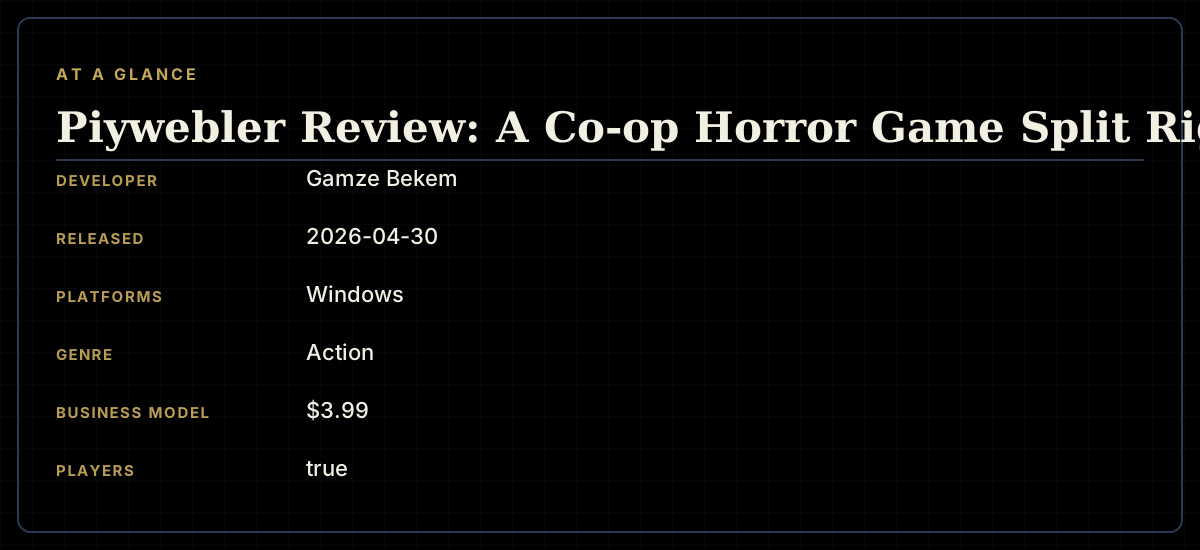
- Developer
- Gamze Bekem
- Publisher
- Gamze Bekem
- Released
- 30 April 2026
- Platforms
- Windows
- Genre
- Action
- Monetisation
- $3.99
- Players
- true
The short version
Piywebler is a budget co-op horror game whose three creature-chase missions genuinely split its early reviewers, with some finding the carnival pig hunt and hospital corridors improving update over update, while others level specific, credible accusations of AI-generated voice work and unfinished, copy-pasted level design that go well beyond typical launch-jank complaints.
Biggest strengths
- A genuinely fun creature-chase loop in its best-received map, with multiple reviewers specifically enjoying being pursued by the carnival's 'fat man' antagonist
- Three structurally distinct missions, an abandoned hospital, a cursed carnival, and a blacked-out city, each built around a different objective rather than reusing the same escape formula
- A developer visibly patching the game post-launch, with at least one reviewer confirming the game 'feels much smoother than before' and that 'many of the previous issues seem to be fixed' after an update
Biggest weaknesses
- Multiple reviewers independently report AI-generated text-to-speech audio with leftover prompt text audible in the final file, and AI-assisted level design, serious, specific accusations rather than vague quality complaints
- One detailed negative review describes rooms in the game's first level that are incomplete but still enterable, alongside a second map criticized as 'corridors that are copy pasted 500 times over with 5 random books scattered throughout'
- The overall review sample is a near-even split rather than leaning positive, meaning buyers have roughly equal odds of landing on either side of very different experiences depending on which map they try first
Who it's for: Best for horror fans who enjoy low-budget, mission-based co-op chase games and want to play with friends for a few short sessions at a low price; a poor fit for solo players seeking narrative depth or anyone put off by credible reports of AI-generated audio and unfinished content in at least one of its three maps.
Our recommendation: Wait for a sale
5.2 / 10
Three missions, three nightmares, one very divided reception
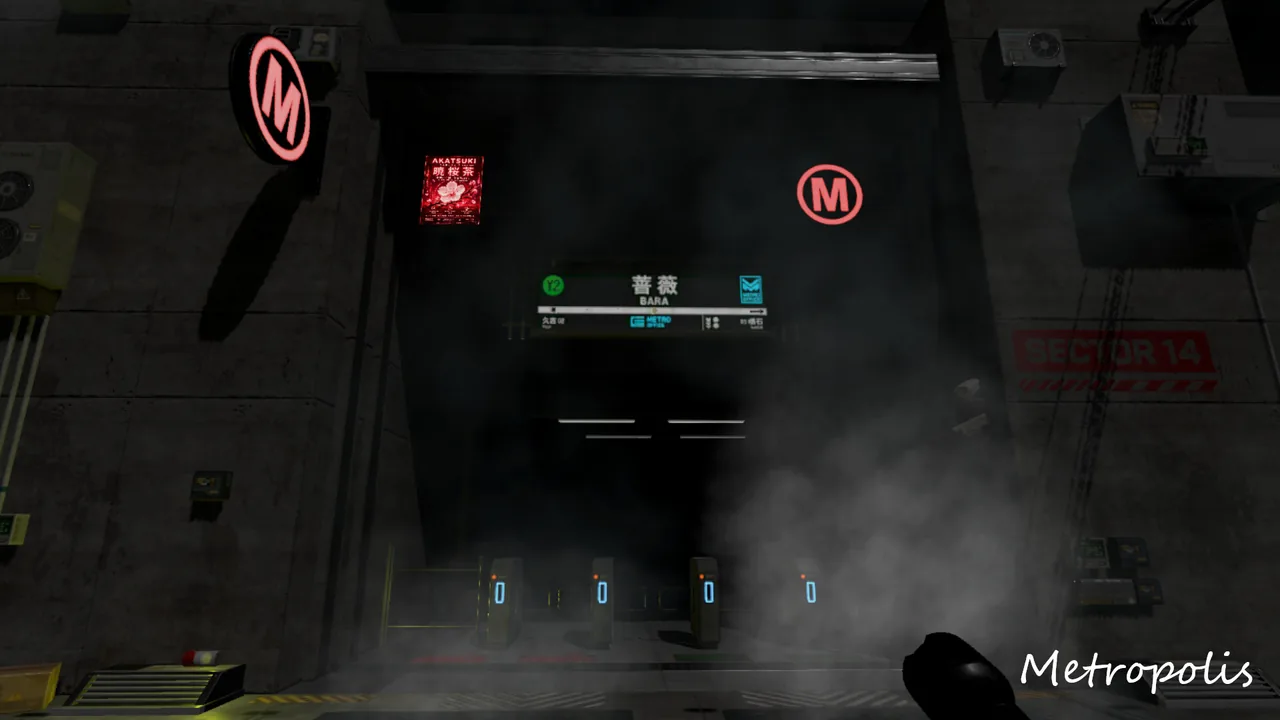
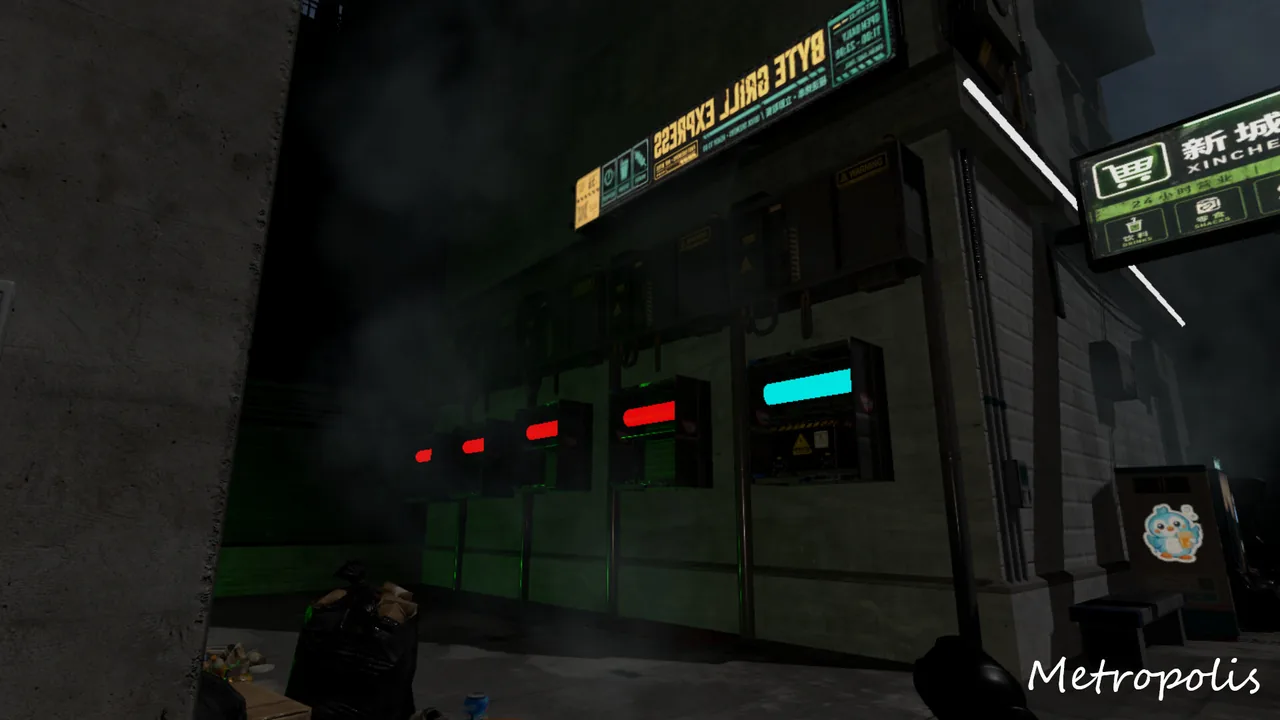
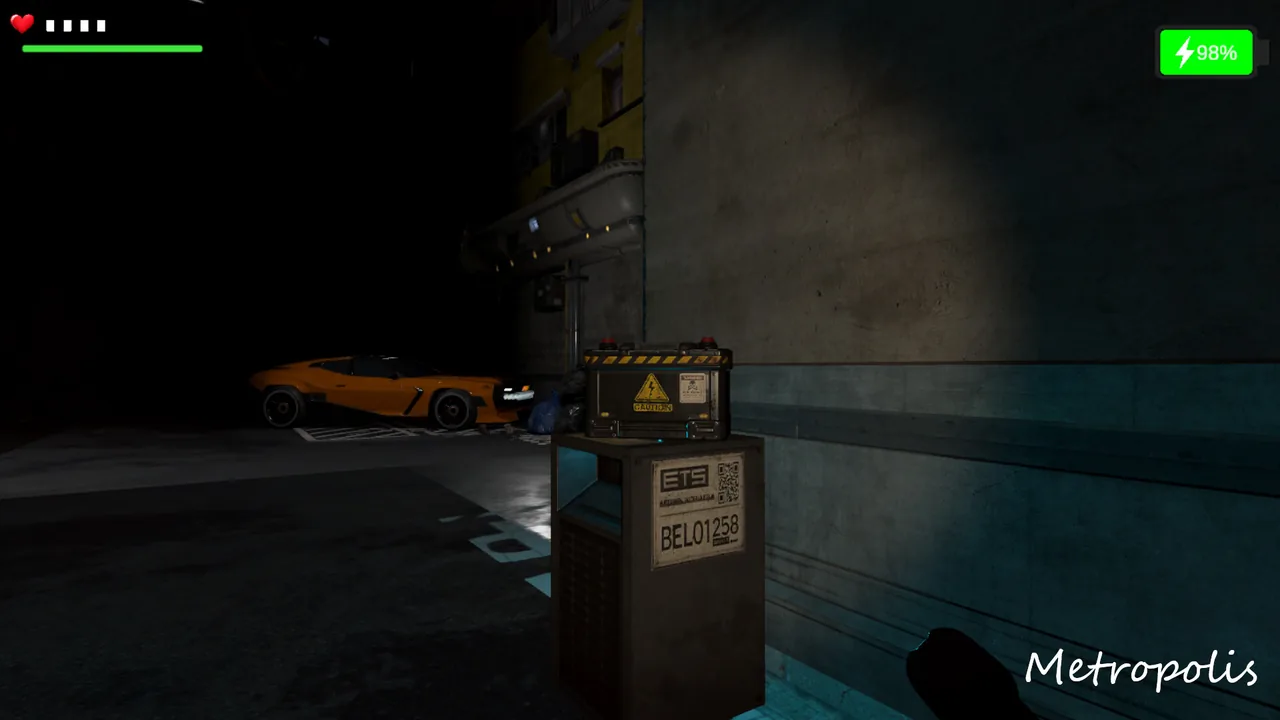
Piywebler is a $3.99 mission-based horror game from solo developer Gamze Bekem, playable alone or in online co-op with up to four players. Its pitch is straightforward: explore three structurally distinct maps, an abandoned hospital, a cursed carnival, and a blacked-out city called Metropolis, each with its own objective, creature, and escape method. Catch pigs and feed a monster in the carnival, restore power and dodge robotic spiders in Metropolis, or find missing protocols while something roams the hospital's dark corridors. It's an ambitious structure for a budget solo project, and the early review sample reflects that ambition unevenly, split almost exactly down the middle between reviewers who found real fun in the chase and reviewers making specific, serious complaints about how parts of the game were built.
The chase itself lands for players who connect with it
When Piywebler works, reviewers describe it as genuinely entertaining, if a little silly. One reviewer wrote simply, "Getting chased by the fat man shouldn't be this fun xd," capturing the appeal of the carnival map's pursuing creature. Another reviewer called it "more of an adventure than a horror game but its fun to play," a framing that suggests the game leans lighter and chase-focused rather than dread-heavy, which will land differently depending on what a given player wants from co-op horror. A third reviewer specifically praised the map variety, writing "it's nice that each map has a different theme," and said they were "looking forward to seeing more updates."
Post-launch patches are winning some players back
Multiple positive reviews specifically credit the developer's update cadence for improving their experience. One reviewer who returned to the game after a patch wrote that it "feels much smoother than before, and many of the previous issues seem to be fixed," concluding it was "definitely worth another look." Given the game's very small team and low price point, this pattern, players bouncing off early jank and then coming back to find real improvement, is a meaningfully different story than a game that's simply abandoned post-launch, and it's worth factoring in for anyone reading only the harshest reviews.
Serious, specific AI-content accusations from multiple reviewers
The negative side of this review sample isn't made up of vague "it's buggy" complaints, it's built on specific, independently repeated claims. One reviewer flatly called the game "AI slop," while a second wrote that it features "AI-generated speech, level design, and likely the whole game," and said it was "boring to the extreme, tiresome and easy." The most detailed negative review goes further, describing "an AI text to speech ending with prompts still left in the audio file saying and I quote 'forward slash he is losing his human form,'" a specific, verifiable-sounding claim about leftover prompt text audible in a finished voice line. The same review describes the game's first level as having "rooms that are incomplete but you can open" them anyway. These are concrete, specific claims made independently by more than one reviewer, which gives them more weight than a typical pile-on complaint.
One map draws particularly harsh criticism for repetitive design
Beyond the AI accusations, the same detailed negative review singles out the game's second map as "an enormous waste of time," describing its layout as "corridors that are copy pasted 500 times over with 5 random books scattered throughout." That reviewer said they intended to refund the game after posting their review. It's worth noting this specific complaint targets one map rather than the whole game, and it doesn't appear in every negative review, but combined with the incomplete-rooms claim about the first level, it paints a picture of a game whose maps vary significantly in how finished they feel, not just in theme.
A co-op focus that rewards playing with friends over playing alone
Piywebler's mission design leans into its 1-4 player co-op support in ways that shape how much of it works. The carnival map's pig-catching objective and the Metropolis map's battery-collection task are both explicitly built around splitting up to cover more ground faster, at the cost of leaving isolated teammates more vulnerable to whatever creature is roaming that map. None of the reviews in this sample specifically praised or criticized the solo experience in detail, but the design itself, missions built around splitting a team of up to four, suggests Piywebler is meant to be experienced with friends rather than alone, and prospective buyers without a co-op group should adjust their expectations for how much of the intended experience they'll actually get.
A solo developer's ambitious scope, unevenly executed
It's worth weighing this review sample against what Piywebler is actually trying to be: three structurally different horror missions, each with its own objective, creature, and map layout, built by what appears to be a single small team rather than a large studio. That's a genuinely ambitious scope for a $3.99 release, and it likely explains both sides of this split reception, some maps clearly received more development attention and polish than others, which is consistent with reviewers praising the carnival chase specifically while singling out the Metropolis corridors and first-level rooms as unfinished. A studio with more resources might have shipped fewer, more consistently polished maps; Piywebler instead shipped more content at wildly uneven quality, and which side of that tradeoff a given player lands on seems to depend heavily on which map they happen to try first.
A short, cheap, genuinely divisive pickup
At $3.99 for a co-op horror game you can play solo or with up to three friends, Piywebler is priced low enough that the downside of a bad map is limited, but the review sample makes clear this isn't a safe, uncontroversial recommendation either way. Players drawn to lighter, chase-focused horror with friends, and willing to accept that a solo developer's early maps may vary wildly in polish, might find real fun here, especially if the developer's visible post-launch patching continues. Anyone put off by the specific, repeated AI-generated-content and unfinished-room accusations in this sample should treat those as credible warnings rather than outlier complaints, and may want to wait and see whether future updates address them directly before buying in.
Pros and cons
Pros
- A genuinely fun creature-chase loop in its best-received map, with multiple reviewers specifically enjoying being pursued by the carnival's 'fat man' antagonist
- Three structurally distinct missions, an abandoned hospital, a cursed carnival, and a blacked-out city, each built around a different objective rather than reusing the same escape formula
- A developer visibly patching the game post-launch, with at least one reviewer confirming the game 'feels much smoother than before' and that 'many of the previous issues seem to be fixed' after an update
- A low $3.99 entry price and 1-4 player online co-op support that make it an easy, low-stakes pickup for a group looking for a short horror session
Cons
- Multiple reviewers independently report AI-generated text-to-speech audio with leftover prompt text audible in the final file, and AI-assisted level design, serious, specific accusations rather than vague quality complaints
- One detailed negative review describes rooms in the game's first level that are incomplete but still enterable, alongside a second map criticized as 'corridors that are copy pasted 500 times over with 5 random books scattered throughout'
- The overall review sample is a near-even split rather than leaning positive, meaning buyers have roughly equal odds of landing on either side of very different experiences depending on which map they try first
- At least one reviewer felt the experience plays closer to a mild adventure game than genuine horror, undercutting the game's core horror pitch for players expecting real scares
Screenshots
-
PiyweblerImage: Gamze Bekem via Steam -
PiyweblerImage: Gamze Bekem via Steam -
PiyweblerImage: Gamze Bekem via Steam -
How the review scores each part of the gameWanderer Editorial -
Wanderer Editorial -
The short versionWanderer Editorial