Game review
Doll is Back Review: A Good Idea Trapped Behind a Bad Camera
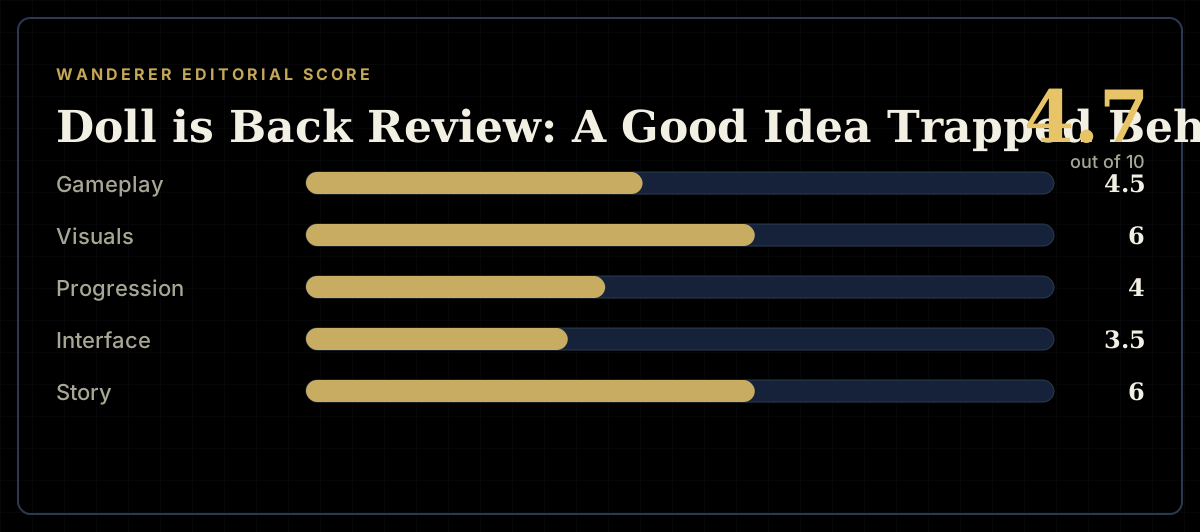
4.7 / 10
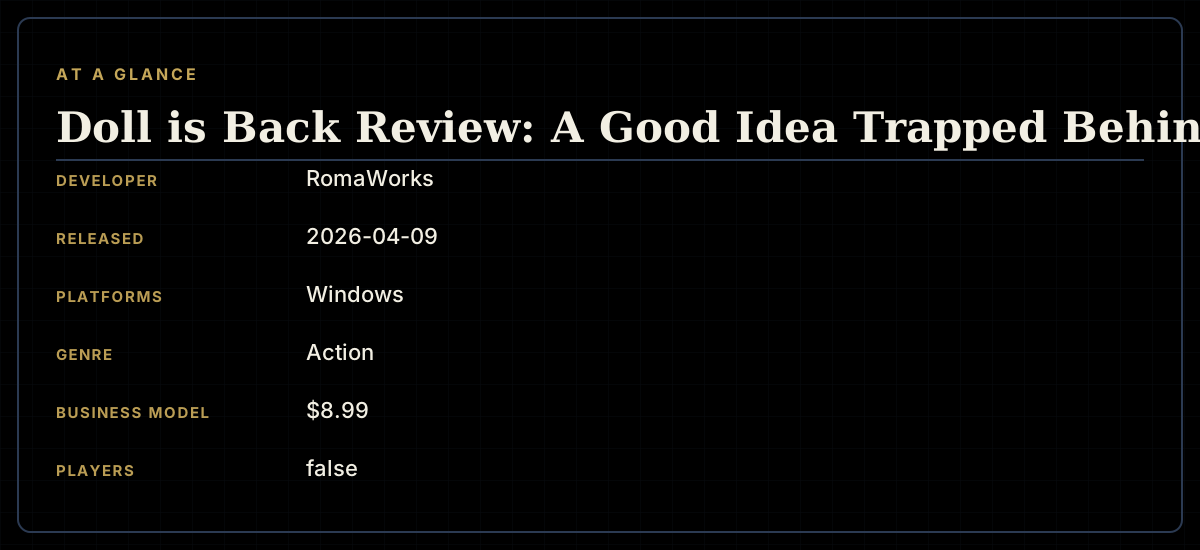
- Developer
- RomaWorks
- Publisher
- RomaWorks
- Released
- 9 April 2026
- Platforms
- Windows
- Genre
- Action
- Monetisation
- $8.99
- Players
- false
The short version
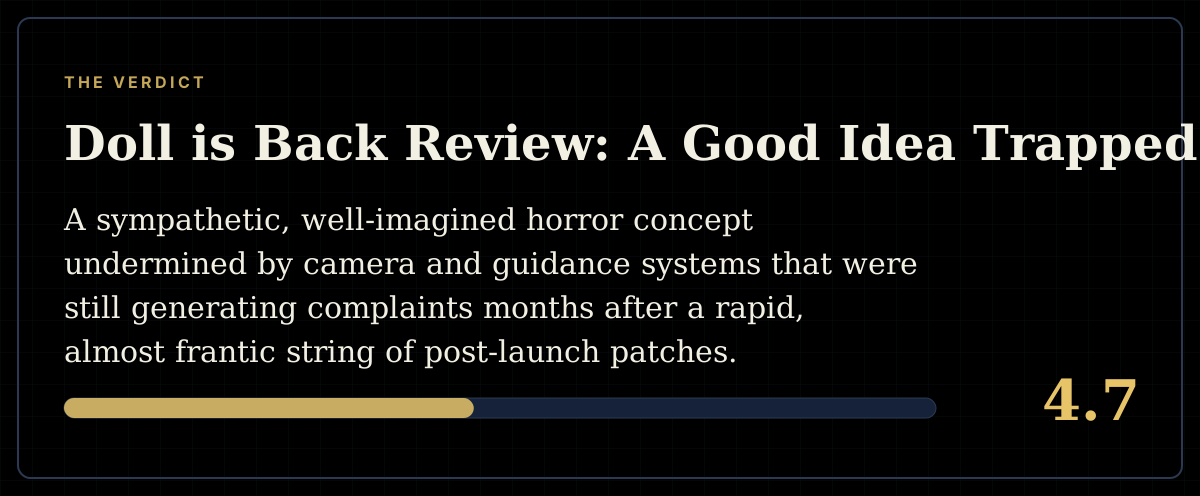
A sympathetic, well-imagined horror concept undermined by camera and guidance systems that were still generating complaints months after a rapid, almost frantic string of post-launch patches.
Biggest strengths
- A genuinely sympathetic and unusual premise: playing a discarded doll trying to reunite with her owner
- Doll character design (button eyes, hair, texture work) and a rain effect singled out as visually strong by multiple reviewers
- An exceptionally fast post-launch patch cadence — seven updates in the first two weeks alone, directly targeting reviewer complaints
Biggest weaknesses
- A camera system reviewers singled out as confusing across multiple versions, still being patched as late as version 1.99, five months after launch
- Reported frequent crashes for some players, described by one reviewer as making the game unplayable and by another as barely noticeable
- A guide/navigation system criticized as unclear, contributing to a confusing overall experience
Who it's for: Only for horror fans who are willing to tolerate real technical rough edges in exchange for a short, atmospheric premise and don't mind a game still visibly finding its footing.
Our recommendation: Wait for a sale or skip
4.7 / 10
A doll's-eye view of horror
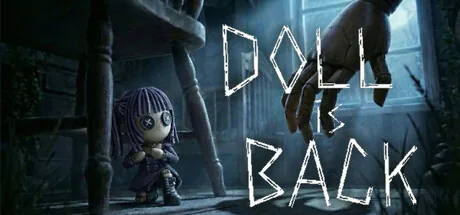
Doll is Back's premise is its best idea by a wide margin: you play Lily, a discarded doll trying to find her way back to her owner, navigating a world where "every toy had a soul" and the abandoned ones have gone mad. It's a 3D side-scrolling survival horror built around hiding, running, and evading giant, soulless toys rather than fighting them directly, and that small-and-vulnerable framing — a child's toy scaled down against towering, malevolent versions of the same thing — is a genuinely good hook for a horror game. Every reviewer in the sample, even the harshest, credits the concept and story as the game's strongest asset. One review that otherwise reads as a list of complaints still opens with "the concept is good, the story is good as well" before getting into everything wrong with the execution.
The camera is the whole problem
Unfortunately, that execution has been the consistent sticking point since launch, and the camera is named specifically and repeatedly as the source of it. One reviewer grouped "the mechanics, the cameras, guide system" together as the core issue, on top of frequent crashes and a generally confusing experience. Another called every aspect of the game "terrible" — graphics, sound, gameplay, and controls — and specifically flagged frequent crashing. That review is harsher than the evidence elsewhere fully supports, but the throughline about camera and navigation trouble shows up across both positive and negative reviews, not just the negative ones.
A developer patching as fast as it can
To its credit, the developer's response has been rapid and specific rather than defensive. Steam's news feed shows seven separate patches in roughly the first two weeks after launch — version 1.4 through 1.9 — each one aimed directly at the exact complaints reviewers were raising: adjusted camera work in nearly every single update, added on-screen guidance where "camera work alone was insufficient," a save point moved away from a spot where players were dying repeatedly, and a graphics option added to reduce processing load on lower-end hardware. One patch note fixed a broken achievement-unlock bug with a genuinely funny root cause disclosed in the note itself: a single lowercase letter in the source code where an uppercase one was required. A further, more substantial rebuild ("re-baked the lighting," "completely rebuilt the application") shipped in version 1.99 nearly five months after release, still explicitly targeting performance and visual quality. That's a real, sustained effort — but the fact that the camera needed adjustment in nearly every one of seven rapid patches, and a full rebuild five months later, also tells its own story about how unfinished the systems were at launch.
Crashes: real for some, absent for others
Player experience with stability is genuinely split rather than uniformly bad. The most negative review calls it "truly awful" and cites frequent crashing as a major factor. But a more measured, positive review from four months after launch reports the opposite: "the game never crashed for me not once," with only one or two brief jerky moments during roughly ninety minutes of play. Read together, this looks less like a game that's universally broken and more like one with inconsistent performance across hardware — which lines up with the developer's own patch notes repeatedly targeting processing load and device-specific crash failsafes on "certain devices."
Short, and thinner because of the rough edges
Doll is Back has just three Steam achievements, and the review sample's playtimes are correspondingly brief — most reviewers logged under two hours, several well under one. That's consistent with a short, tightly scoped horror experience by design, similar in spirit to other small indie horror titles in this genre. The problem is that a short game built around tense hide-and-evade sequences needs its camera and guidance systems working cleanly far more than a longer, more forgiving game would, since a single confusing sequence can eat a disproportionate share of a one-to-two-hour experience. Reviewers bear this out directly: several of the specific complaints (getting stuck, dying repeatedly at one spot, losing track of where to go) describe exactly the kind of friction that hits hardest in a short game.
A discrepancy worth flagging
One detail stood out while cross-referencing the store listing against the developer's own communications: Steam credits both developer and publisher as "RomaWorks," but every single patch note on the news feed is signed "InferiorWorks." Nothing in the reviews or patch history suggests two different studios were involved — the fixes described line up exactly with the complaints raised by players, patch after patch, which is the behavior of one team closely reading its own reviews rather than two unrelated parties. The likeliest explanation is a solo or small-team developer operating under a different account name than the one listed as the storefront credit, a common enough quirk for first-time or low-profile Steam releases. It's not a red flag on its own, but it's the kind of inconsistency worth noting for anyone trying to track down the developer directly, whether for support or to follow future updates.
Verdict
Doll is Back has a better idea than its execution currently supports: a sympathetic protagonist, a striking take on domestic horror, and doll character art that lands well even in a five-review sample. But the camera and guidance problems that drove the sharpest criticism at launch were still being patched five months later, and the review base is too thin and too split to call this a finished, confident release. Worth revisiting if the developer's clearly ongoing patch work eventually resolves the camera for good; for now, go in expecting rough edges, or wait.
Pros and cons
Pros
- A genuinely sympathetic and unusual premise: playing a discarded doll trying to reunite with her owner
- Doll character design (button eyes, hair, texture work) and a rain effect singled out as visually strong by multiple reviewers
- An exceptionally fast post-launch patch cadence — seven updates in the first two weeks alone, directly targeting reviewer complaints
- For at least one reviewer, the game ran smoothly with only brief hitching, showing the technical problems aren't universal
Cons
- A camera system reviewers singled out as confusing across multiple versions, still being patched as late as version 1.99, five months after launch
- Reported frequent crashes for some players, described by one reviewer as making the game unplayable and by another as barely noticeable
- A guide/navigation system criticized as unclear, contributing to a confusing overall experience
- Very thin evidentiary base: only 5 reviews, split 3 positive to 2 negative, with most playtimes under two hours
Screenshots
-
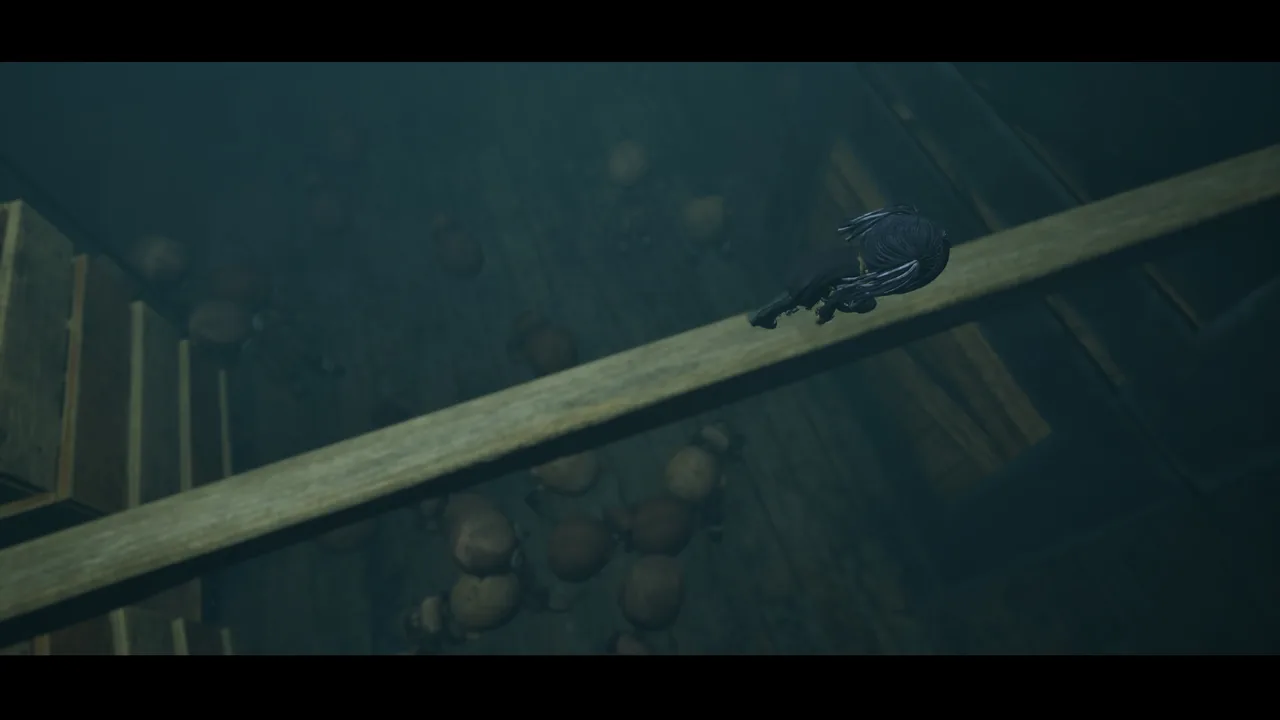
Image: RomaWorks via Steam -
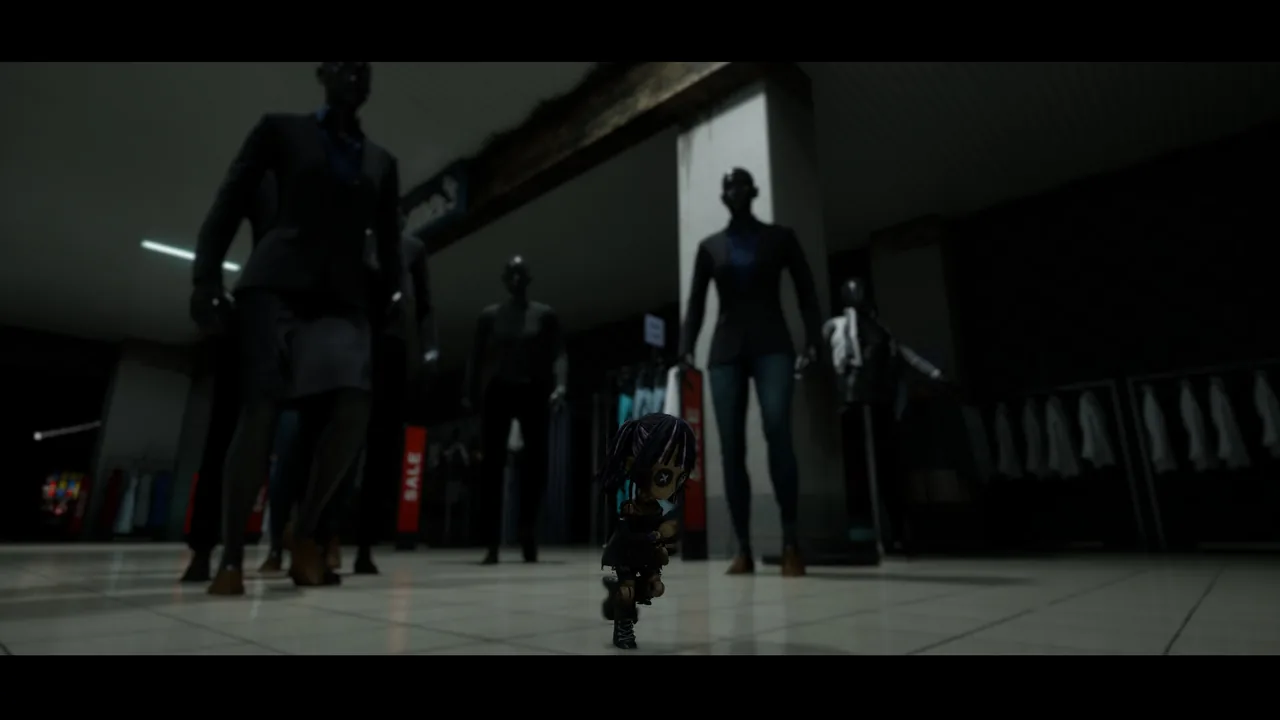
Image: RomaWorks via Steam -
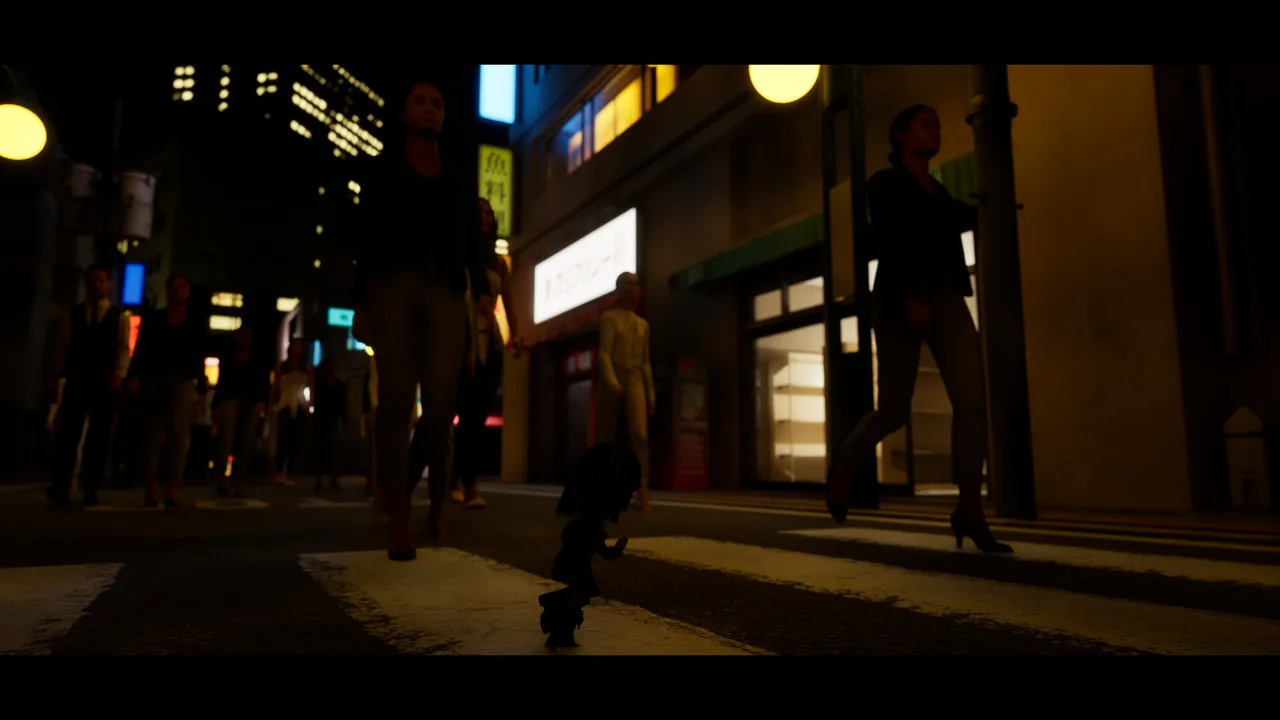
Image: RomaWorks via Steam -
Wanderer Editorial -
Wanderer Editorial -
Wanderer Editorial