Game review
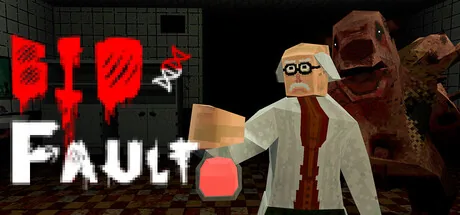
BIO Fault Review: A Retro Lab-Horror Debut With Real Bite
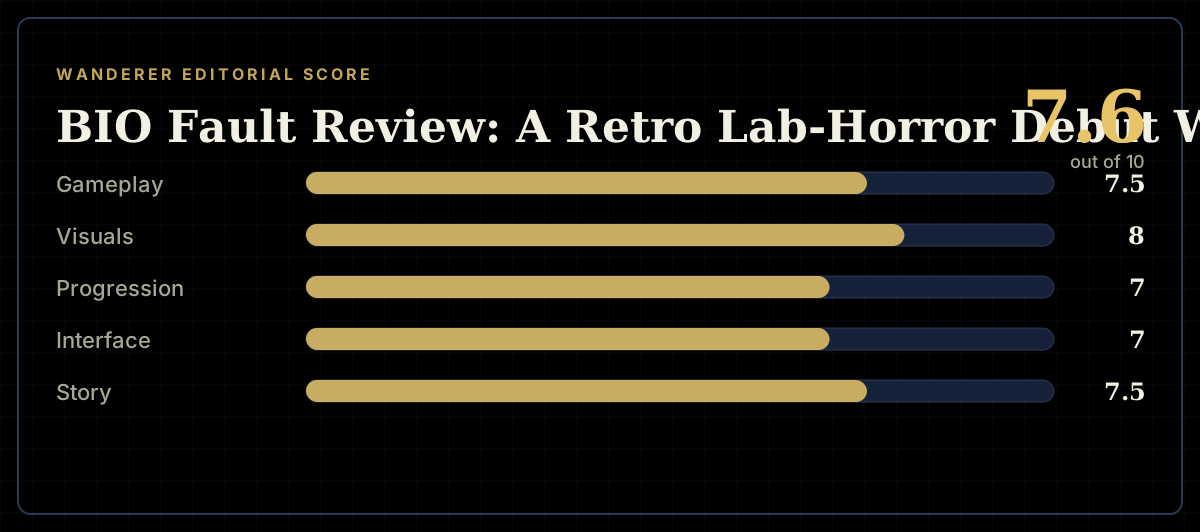
7.6 / 10
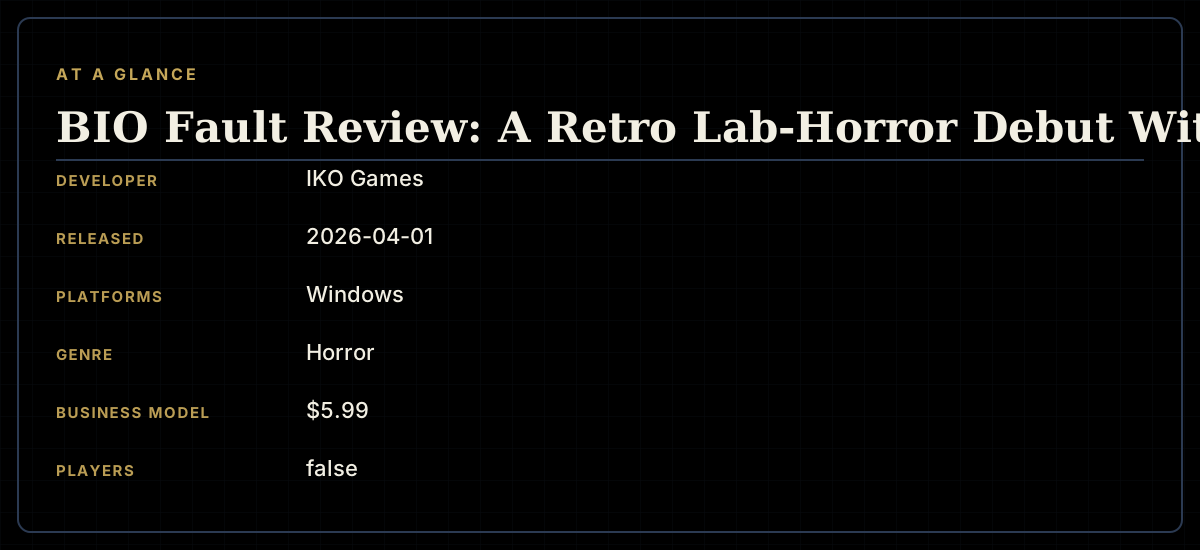
- Developer
- IKO Games
- Publisher
- IKO Games
- Released
- 1 April 2026
- Platforms
- Windows
- Genre
- Horror
- Monetisation
- $5.99
- Players
- false
The short version
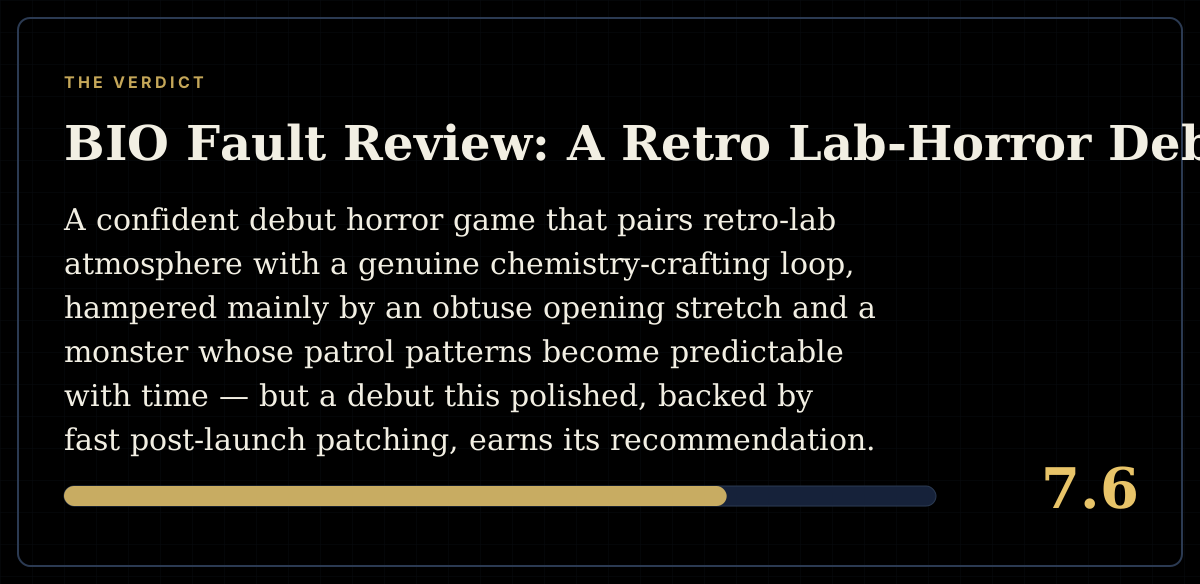
A confident debut horror game that pairs retro-lab atmosphere with a genuine chemistry-crafting loop, hampered mainly by an obtuse opening stretch and a monster whose patrol patterns become predictable with time — but a debut this polished, backed by fast post-launch patching, earns its recommendation.
Biggest strengths
- A genuinely tense chase-and-hide loop built around resource management — most notably keeping lights on and tracking a proximity gauge for the lab's monster
- A crafting system built around mixing, grinding, and combining ingredients at fixed lab stations that multiple reviewers say makes the world feel like something to work with rather than just survive
- Strong retro-horror art direction and sound design that reviewers repeatedly single out, evoking System Shock 2 and early Half-Life
Biggest weaknesses
- An obtuse opening stretch: several reviewers, including non-English speakers, say the game explains almost nothing about what to do or how crafting works before dropping you into it
- The monster's threat fades over a full playthrough, as multiple reviewers noticed a fixed patrol pattern (one reviewer specifically clocked it moving clockwise) that becomes easy to route around once spotted
- A short runtime of roughly 2-3 hours, which is reasonable at $5.99 but worth knowing going in if you want a longer horror campaign
Who it's for: Fans of short, atmospheric survival-horror games (System Shock, early Half-Life, or retro chase-and-hide horror) who want 2-3 hours of tense, resource-managed lab exploration rather than a long campaign.
Our recommendation: Buy it
7.6 / 10
Fixing your own worst mistake
BIO Fault casts you as a disgraced scientist sent back into the cold, dark halls of the laboratory where you helped create something that shouldn't exist. The setup is blunt and unapologetic about it: "Can you answer for your crimes? For making mistakes that can't be undone?" There's no cast of heroes here, just someone trying to clean up after themselves before it's too late — a framing multiple reviewers specifically called out as more interesting than a generic hero narrative, precisely because you're not rescuing anyone but yourself, and the mess is your own doing.
A crafting loop that gives the atmosphere something to do
What separates BIO Fault from a straightforward hide-and-run horror game is its lab-station crafting system. Reviewers describe combining, grinding, and mixing ingredients according to recipes — or experimenting outside them "who knows where that may lead," as the store page puts it — to create the tools and substances needed to survive and eventually take down the creature stalking the halls. One reviewer drew a direct comparison to "a good mix of half life and system shock 2," citing the combination of smooth, practical gameplay with a distinct retro visual style. That crafting loop gives the exploration a purpose beyond simply avoiding the monster: you're gathering ingredients under pressure, in the dark, with a specific goal each stretch of the lab is meant to serve.
Resource pressure that reviewers say earns the tension
The most consistent praise across the review sample centers on how BIO Fault manages resource scarcity, particularly light. Reviewers describe a persistent need to think ahead about power and illumination, layered with a proximity indicator that tracks distance to the creature — mechanically similar to detection systems in games like Granny, as one reviewer specifically noted, where the monster reacts to sound cues like dropped items and even footsteps. Another reviewer summarized the appeal directly: "you are not a hero here, but someone trying to fix their own mistakes, which makes the story more interesting," pairing that framing with praise for a "constant lack of resources, especially light," that forces forward planning rather than pure reaction.
The monster gets less scary as you learn its habits
The one substantial criticism that recurs across the sample is that BIO Fault's central threat becomes markedly less frightening with playtime. One detailed Russian-language review lays it out precisely: after an hour or two, the monster's patrol pattern reveals itself as a predictable clockwise loop, and tools like the proximity gauge make evasion straightforward enough that the horror atmosphere fades into a more mechanical "get from point A to point B" rhythm. Other reviewers echoed a milder version of the same complaint, describing the AI as sometimes "pretty bad," to the point that a "bad" scripted moment reads as unintentionally funny rather than tense. It's a common horror-game problem — a monster that's terrifying on a first encounter and increasingly manageable on repeat exposure — and BIO Fault doesn't fully escape it, though its atmosphere and sound design keep enough tension alive that most reviewers still rate the overall experience highly.
A rough, honest opening stretch
Several reviewers, including a detailed Ukrainian-language review, flagged the game's early minutes as genuinely confusing: crafting mechanics and the overall goal aren't well explained, and one reviewer specifically requested textual, screenshot-backed instructions in the Steam page itself rather than relying on in-game discovery alone. This isn't a niche complaint — it recurs across multiple languages in the sample — but it's also explicitly framed by most reviewers as a rough edge you push through rather than a dealbreaker, with more than one reviewer noting the confusion resolves once you find the game's map and recipe book, after which the loop clicks into place.
A developer who's already responding
BIO Fault's own news history shows a first-time developer moving quickly: a "coming out" announcement, a same-day "now available to everyone" post, and then three separate patch notes (1.0.2, 1.0.3, 1.0.4) within days of launch, plus a later appearance at the Ukrainian Games Festival 2026. That cadence lines up with a recurring, minor bug several reviewers mention — controls locking up after cutscenes, worked around by pressing Esc and returning to the game — being the kind of issue an attentive solo or small-team developer fixes fast rather than lets fester. The achievement data reinforces the "short but consistent" read on the game: 76.4% of players clear the earliest achievement, dropping to a tighter cluster of 12.9% to 25.2% for the game's harder, more hidden achievements, consistent with a compact 2-3 hour experience that most players who start it see through to some meaningful point.
Is a $5.99 debut horror game worth your evening
At $5.99, BIO Fault asks very little and, per its review sample, delivers a genuinely tense two-to-three-hour horror experience with a real mechanical hook in its crafting system — something plenty of short indie horror games skip in favor of pure chase sequences. Its 23-review sample is entirely positive, spanning English, Russian, Ukrainian, and Portuguese reviewers, several of whom explicitly note they received early access keys from the developer but still rate it as a strong, atmospheric debut rather than inflating the score out of obligation. For a first game from a small studio, that's a genuinely strong showing.
Verdict
BIO Fault is a confident first outing: a retro-styled lab-horror game that backs its atmosphere with an actual crafting loop worth engaging with, let down mainly by a confusing opening stretch and a monster whose threat diminishes once its patrol habits are learned. IKO Games' fast post-launch patching and the review sample's consistency suggest a developer worth watching, and at $5.99 for a tight, tense few hours, BIO Fault comfortably earns its recommendation.
Pros and cons
Pros
- A genuinely tense chase-and-hide loop built around resource management — most notably keeping lights on and tracking a proximity gauge for the lab's monster
- A crafting system built around mixing, grinding, and combining ingredients at fixed lab stations that multiple reviewers say makes the world feel like something to work with rather than just survive
- Strong retro-horror art direction and sound design that reviewers repeatedly single out, evoking System Shock 2 and early Half-Life
- A first-time developer who shipped four patches within days of launch, directly addressing early bug reports and balance complaints raised in reviews
Cons
- An obtuse opening stretch: several reviewers, including non-English speakers, say the game explains almost nothing about what to do or how crafting works before dropping you into it
- The monster's threat fades over a full playthrough, as multiple reviewers noticed a fixed patrol pattern (one reviewer specifically clocked it moving clockwise) that becomes easy to route around once spotted
- A short runtime of roughly 2-3 hours, which is reasonable at $5.99 but worth knowing going in if you want a longer horror campaign
- A recurring, minor post-cutscene control lock-up bug that several reviewers report working around by pressing Esc and resuming, rather than the developer having fully fixed it
Screenshots
-
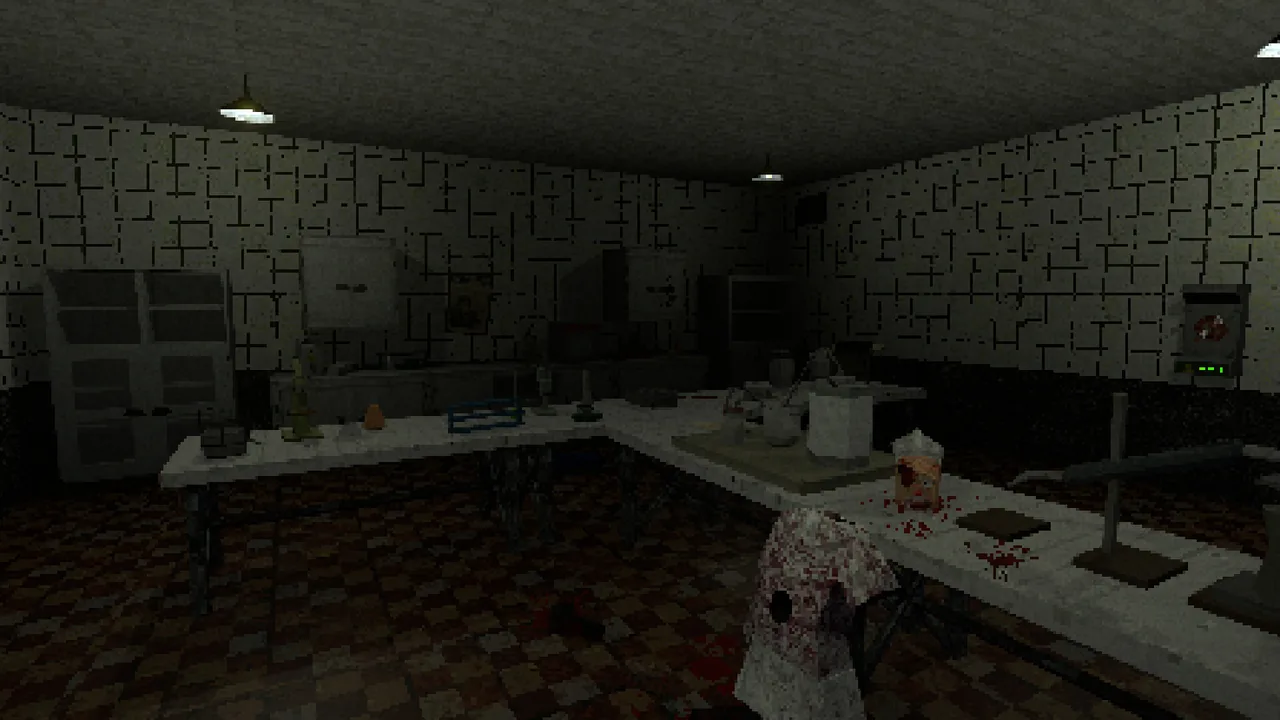
Image: IKO Games via Steam -
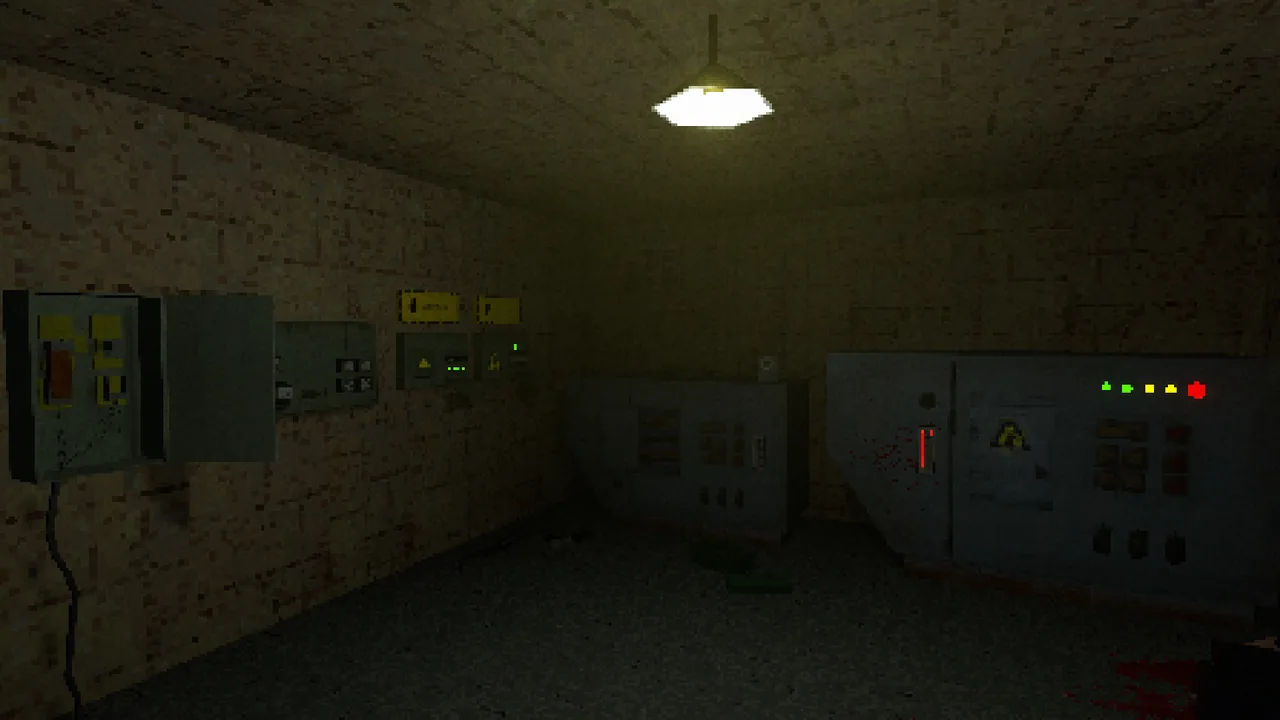
Image: IKO Games via Steam -
Image: IKO Games via Steam -
Wanderer Editorial -
Wanderer Editorial -
Wanderer Editorial