Game review
The Sphere
7.5 / 10
- Developer
- Michael Lückgen
- Publisher
- Michael Lückgen
- Released
- 12 June 2026
- Platforms
- Windows
- Genre
- Adventure, Indie
- Monetisation
- free-to-play
- Players
- false
The short version
Biggest strengths
- Genuinely outstanding music, praised in nearly every review, composed by a solo developer who is also an orchestral composer
- Strong, evocative pixel art and atmosphere that reviewers consistently described as immediately captivating
- Logical, well-balanced puzzles that flow naturally, aided by contextual cursor labels that reduce unnecessary pixel-hunting
Biggest weaknesses
- A deliberately unresolved central mystery that at least two reviewers found genuinely unsatisfying, with one explicitly stating the game only makes sense as a prologue to something larger rather than as a complete standalone piece
- Very short runtime, around an hour, closer to a mood piece than a full narrative adventure
- Light on in-game guidance in a couple of specific puzzle moments, according to one reviewer who wanted a bit more direction on what to do next
Who it's for: Point-and-click adventure fans wanting a short, free, mood-driven experience with excellent music, not recommended for players who need their mysteries fully resolved by the credits
Our recommendation: recommended
7.5 / 10
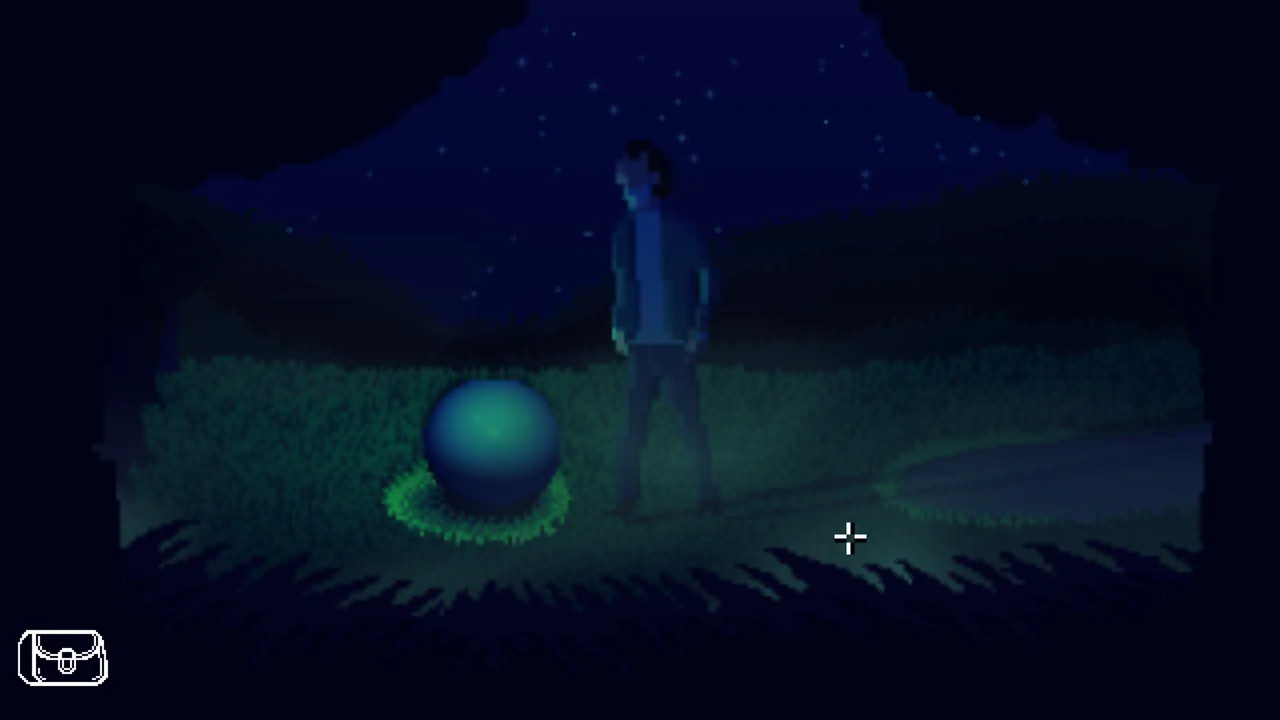
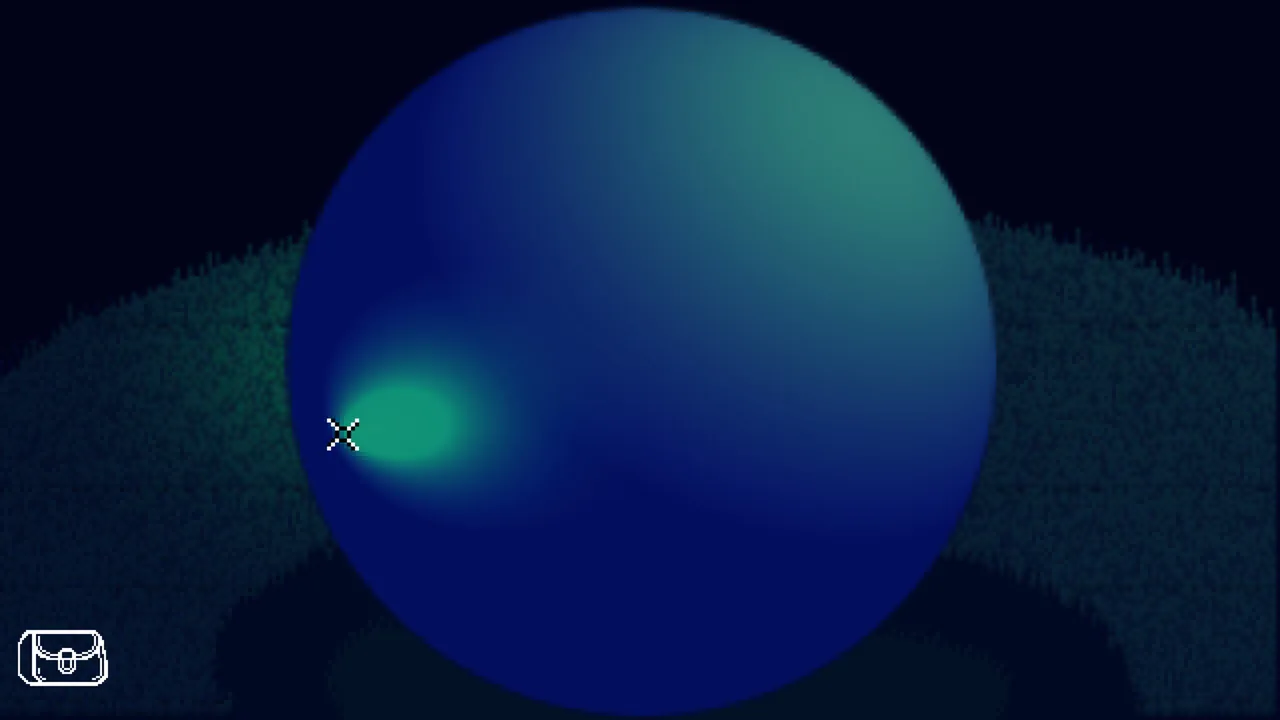
The Sphere released in full on Steam on June 12, 2026, from solo developer Michael Lückgen, a free, short point-and-click adventure about a grieving mechanic investigating a mysterious sphere that fell from the sky. Its small 15-review English pool sits at Positive (94%), and while the sample size is modest, the reviews themselves are detailed and consistent enough to paint a clear picture: this is a beautifully scored, atmospheric mood piece that lands well for most players while leaving a vocal minority wanting more narrative closure.
Music is the game's most consistently, almost universally praised element. One reviewer called it simply "fantastic," while another wrote that "the soundtrack is nothing short of amazing," a sentiment echoed across nearly every review in the pool regardless of how positively or critically they felt about other aspects of the game. That consistency isn't a coincidence; multiple reviewers specifically noted that the developer is "a great orchestral music composer who happens to be a solodev and artist too," and it shows in a game where the score is doing at least as much emotional heavy lifting as the writing or puzzles.
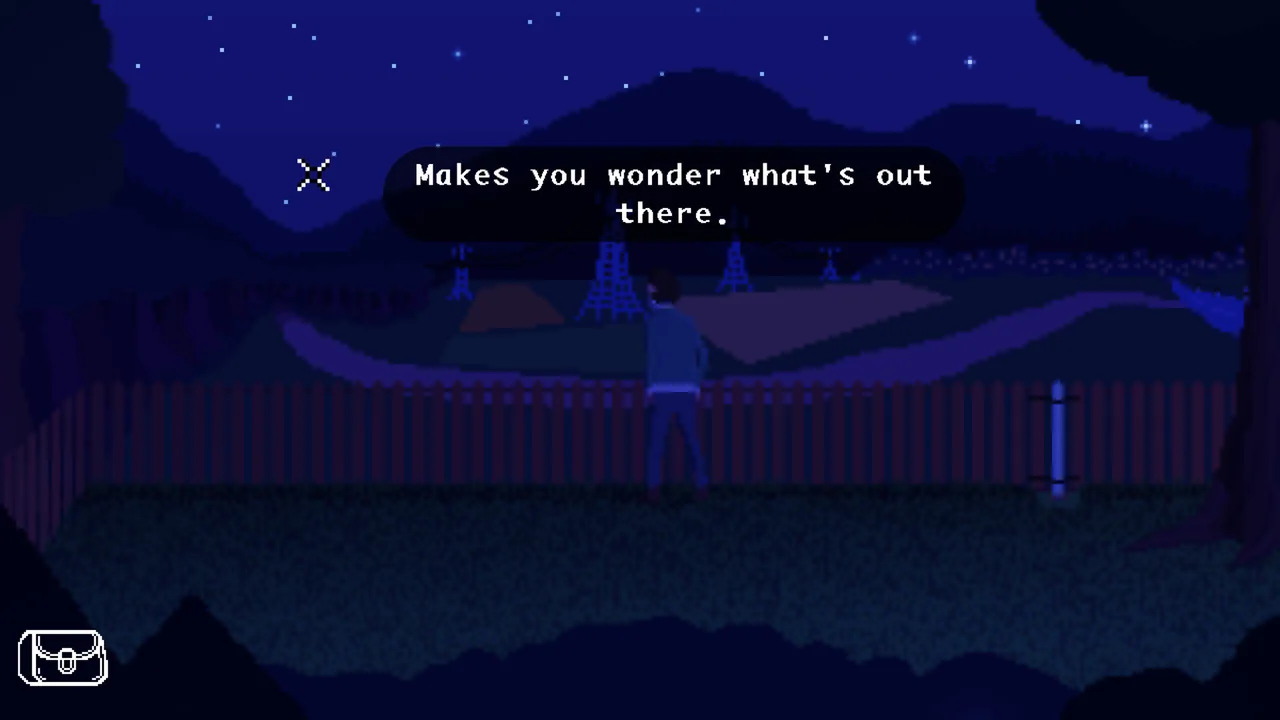
The atmosphere and pixel art draw similarly strong praise. One reviewer called the game "gorgeous, with that distinct style some may remember," while another described it as drawing players in "with hints and clues at what has gone before," praising how the game "shows rather than tells." A third reviewer specifically liked a small but effective piece of interface design: cursor labels that surface contextual information on hover, reducing the need to actively inspect every object in a scene, which they said "made it super simple to engage" with the world without breaking immersion.
Puzzle design earns solid, if not effusive, praise. One reviewer described the puzzles as "logical" with a game that "flows nicely," while another called them "cool and well balanced." A separate reviewer who otherwise enjoyed the experience noted they initially struggled with a sense of repetition in one particular puzzle before realizing it represented "a definitive action over an answer" rather than requiring open-ended experimentation, a design choice they ultimately appreciated once they understood the logic behind it. Not every reviewer found the difficulty perfectly calibrated, though; one wanted "a tiny bit more guidance on what to do" in at least one moment, describing the overall experience as closer to "a moodpiece than an actual story."
That framing, mood piece over complete narrative, is really the crux of where the pool splits. Several reviewers were entirely fine with the game's ambiguity, with one directly addressing the concern head-on: "another reviewer complained that this backstory never reaches a resolution which may be true, but it's a free game that takes an hour to play, and wasn't a problem for me." But the pool's one negative review makes exactly that complaint the reason for not recommending it, arguing the game only makes sense "as merely a prologue or small first chapter of a larger adventure," and that judged as a complete, standalone game in the way the store page presents it, "makes no sense." A separate reviewer, writing in Spanish, echoed the same underlying reaction without treating it as a negative, praising how well the game "captures the essence of adventures of old" while explicitly asking when a second chapter might arrive, suggesting the desire for more story is less a complaint about quality and more a sign of genuine investment in a setup that clearly leaves room to expand.
Length is closely tied to that same discussion. At roughly an hour, The Sphere is explicitly a short experience, and reviewers were broadly comfortable with that given the price is nothing at all. One reviewer specifically framed the brevity as part of the appeal for the right audience, "a great quick game for those that enjoy the nostalgic theme and a little bit of puzzle solving," while adding they'd love to see the developer's specific style and themes "explored further" in a longer future project.
The developer's dual background as a composer as well as a solo game-maker is worth dwelling on a little further, since it explains so much of what makes the pool's reaction distinctive. Short, free, solo-developed adventure games are common on Steam, and most struggle to distinguish themselves on any single axis. The Sphere's reviewers, almost without exception, single out the score specifically rather than praising the game as a generically well-made whole, which suggests the music genuinely operates a level above the rest of the package rather than simply complementing competent, unremarkable production values elsewhere. That's a meaningfully different kind of recommendation than "solid for a free game," and it's the throughline that keeps even the pool's more measured reviews positive: even the reviewer most frustrated by the lack of narrative resolution didn't dispute the quality of the presentation, only whether the game was honestly marketed and positioned as a fully complete standalone experience rather than as an opening chapter of something bigger still to come.
Taken together, The Sphere is a small, confidently made showcase for a genuinely talented solo developer's musical and atmospheric strengths, wrapped around a short, logically constructed puzzle adventure that deliberately withholds narrative resolution. Whether that ambiguity reads as tantalizing or frustrating will depend heavily on what you're looking for going in, but given the game costs nothing and takes about an hour, it's an easy, low-risk recommendation for point-and-click fans, especially anyone hoping to see where this world goes next.
Pros and cons
Pros
- Genuinely outstanding music, praised in nearly every review, composed by a solo developer who is also an orchestral composer
- Strong, evocative pixel art and atmosphere that reviewers consistently described as immediately captivating
- Logical, well-balanced puzzles that flow naturally, aided by contextual cursor labels that reduce unnecessary pixel-hunting
- Completely free, making it an easy, low-risk recommendation for point-and-click fans curious about the developer's style
Cons
- A deliberately unresolved central mystery that at least two reviewers found genuinely unsatisfying, with one explicitly stating the game only makes sense as a prologue to something larger rather than as a complete standalone piece
- Very short runtime, around an hour, closer to a mood piece than a full narrative adventure
- Light on in-game guidance in a couple of specific puzzle moments, according to one reviewer who wanted a bit more direction on what to do next
Screenshots
-
The SphereImage: Michael Lückgen via Steam -
The SphereImage: Michael Lückgen via Steam -
The SphereImage: Michael Lückgen via Steam