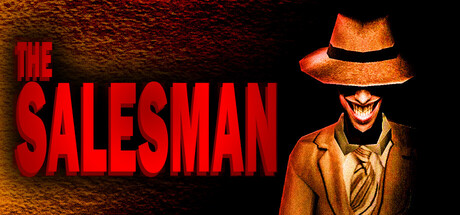
Game review
The Salesman
4.4 / 10
- Developer
- Backstab Industries
- Publisher
- Bad Ideas Productions
- Released
- 13 November 2025
- Platforms
- Windows, Mac, Linux
- Genre
- Psychological Horror / Simulation
- Monetisation
- Premium (one-time purchase)
- Players
- false
The short version
The Salesman has a genuinely sharp idea at its core — trading your life away, item by item, to a smiling door-to-door demon who always has a replacement product ready — and the writing and sound design sell that idea better than most horror games twice its length manage. What it doesn't have is much of a game underneath the concept: a single repeated task, two endings, and a runtime under an hour make this closer to an interactive short film than a purchase you'll return to.
Biggest strengths
- Strong, focused writing and sound design that land the satire on consumerism and ad-saturation
- Effective, well-timed horror beats that surprised even experienced reviewers
- Very cheap for what is, at its best, a memorable one-sitting experience
Biggest weaknesses
- Extremely short — most reviewers finish both endings in under an hour
- Gameplay is minimal, repetitive, and described by several reviewers as "press one button simulator"
- Steam achievements are widely reported as broken and not unlocking despite meeting objectives
Who it's for: Horror fans who want a cheap, atmospheric, narrative-driven scare with something to say about consumer debt and ad culture, and who won't mind that it's over almost as soon as it starts.
Our recommendation: A worthwhile impulse buy at its price point if you go in expecting a short, mechanically thin experience — not recommended for anyone looking for a substantial game to sink real hours into.
4.4 / 10
What Is The Salesman?
The Salesman casts you as a recently laid-off employee sliding into debt, visited repeatedly by a relentlessly cheerful door-to-door salesman who offers ad-supported replacements for the belongings you're forced to sell off just to survive. It's psychological horror built around a genuinely current anxiety — job loss, consumer debt, and the creeping sense that every corner of modern life has become an advertisement — rather than a haunted house or a supernatural threat in the traditional sense. At NZ$7.39 and roughly an hour long, it's positioned as a cheap, self-contained horror short rather than a full game, and Steam's user base has responded well to that pitch: 82% positive across 724 reviews.
The premise is the strongest thing about it, and reviewers consistently single out the writing and sound design as punching well above the price point. One reviewer called it "scary how life-like it is," despite acknowledging the repetition; another praised the soundtrack and writing as "absolutely brilliant" while noting the gameplay itself is "very minimalist." That split — real enthusiasm for the concept and tone, tempered by consistent acknowledgment that there isn't much game attached to it — runs through nearly the entire review sample.
A Sharp Concept, Undercut by Almost No Gameplay
The core loop, by the reviewers' own description, amounts to a small, repeated set of tasks — selling items, dealing with the salesman's visits, waiting between interactions — stretched across a runtime most players clear in under 90 minutes. Several reviews are blunt about how thin that leaves the actual play experience: "gameplay is just press one button simulator," as one puts it, while another describes the whole thing as closer to "those interactive movies on Netflix" than a traditional game, adding that "you can watch the entire thing on YouTube and get more or less the same experience." That's a serious structural criticism, and it's coming from reviewers who otherwise liked what they saw — it isn't hostile nitpicking, it's a consistent, specific observation about how little interactive decision-making the game actually offers.
There are, by most accounts, only two endings, reached through a single meaningful choice near the end of the runtime. A handful of reviewers explicitly wish for more branching — one suggests that ignoring the salesman's visits outright, or finding other ways out of the situation besides selling everything, could have given the game the replayability it currently lacks. As it stands, once you've seen both endings there's little pulling you back in beyond revisiting the atmosphere and dialogue, which for a horror game built almost entirely on mood and writing is a real ceiling on its value proposition beyond a single sitting.
Technical Rough Edges for a Debut Release
As a first release from a small studio, some technical roughness is understandable, but several specific, recurring complaints are worth flagging plainly. Steam achievements are reported broken by multiple reviewers across different months — players report completing the stated objectives without the achievements unlocking, which is a frustrating gap for anyone who plays for completion. Separately, more than one reviewer reports the game shipping with no frame-rate cap: one specifically notes their laptop ran the game at over 450 frames per second and began overheating from rendering frames the player didn't need, asking for a basic FPS limiter in the settings. A third reviewer, testing on Linux via Steam's compatibility layer, reports the Linux download registering as zero bytes and needing to manually copy files over from a Windows install to get the game running at all — an unusual and fairly specific bug worth knowing about if you're on that platform, though it may be tied to a beta Steam client rather than the game itself.
None of these are experience-ending for a game this short, but they add up to a release that, while confident in its writing and tone, clearly needed a bit more polish time before launch — mouse sensitivity options are also called out as missing or inadequate by at least one reviewer.
Value for Money
At NZ$7.39, the price is calibrated for exactly what the game is: a short, atmospheric, one-sitting horror experience rather than a full-length game. Reviewers are broadly comfortable with that trade, repeatedly describing the purchase as "a steal for the price" or worth it "to support the devs," even when they're simultaneously critical of the thin gameplay. That framing matters for anyone deciding whether to pick it up — judged as a full-price game, the runtime and repetition would be a serious problem; judged as a cheap, well-written horror short with a striking premise, it lands much better, provided you go in with the right expectations and don't mind that there's very little game to actually play.
Final Verdict
The Salesman is a case of concept and execution pulling in different directions. The premise — capitalism and consumer debt rendered as a literal, smiling horror figure at your door — is sharp, well-written, and effectively unsettling in the moments it's given room to land. But the actual interactive layer underneath that premise is thin even by the standards of short-form horror, with a single repeated task, two endings, and a runtime that several reviewers clear in under an hour. For the asking price, as a curiosity or a way to support a new studio with a clear voice, it's a reasonable one-time purchase. As a game you'll spend meaningful time with, it comes up short.
Pros and cons
Pros
- Strong, focused writing and sound design that land the satire on consumerism and ad-saturation
- Effective, well-timed horror beats that surprised even experienced reviewers
- Very cheap for what is, at its best, a memorable one-sitting experience
- Confident, distinct tone for a debut release from a small studio
Cons
- Extremely short — most reviewers finish both endings in under an hour
- Gameplay is minimal, repetitive, and described by several reviewers as "press one button simulator"
- Steam achievements are widely reported as broken and not unlocking despite meeting objectives
- No frame-rate cap reported by multiple reviewers, with one noting their laptop hit 450+ fps and overheated
Screenshots
-
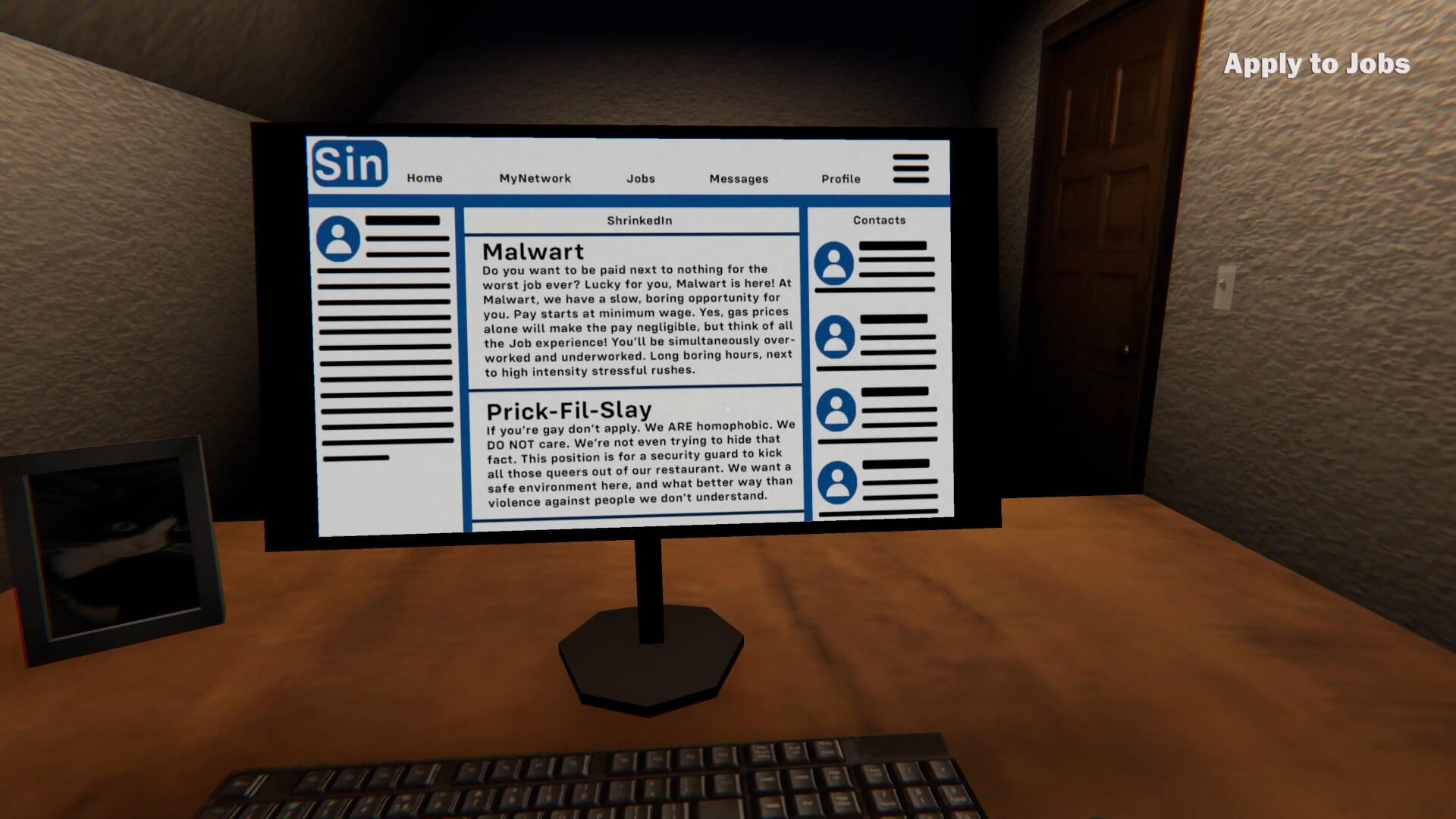
The game's job-hunting satire, skewering gig-economy listings and corporate doublespeakBad Ideas Productions -
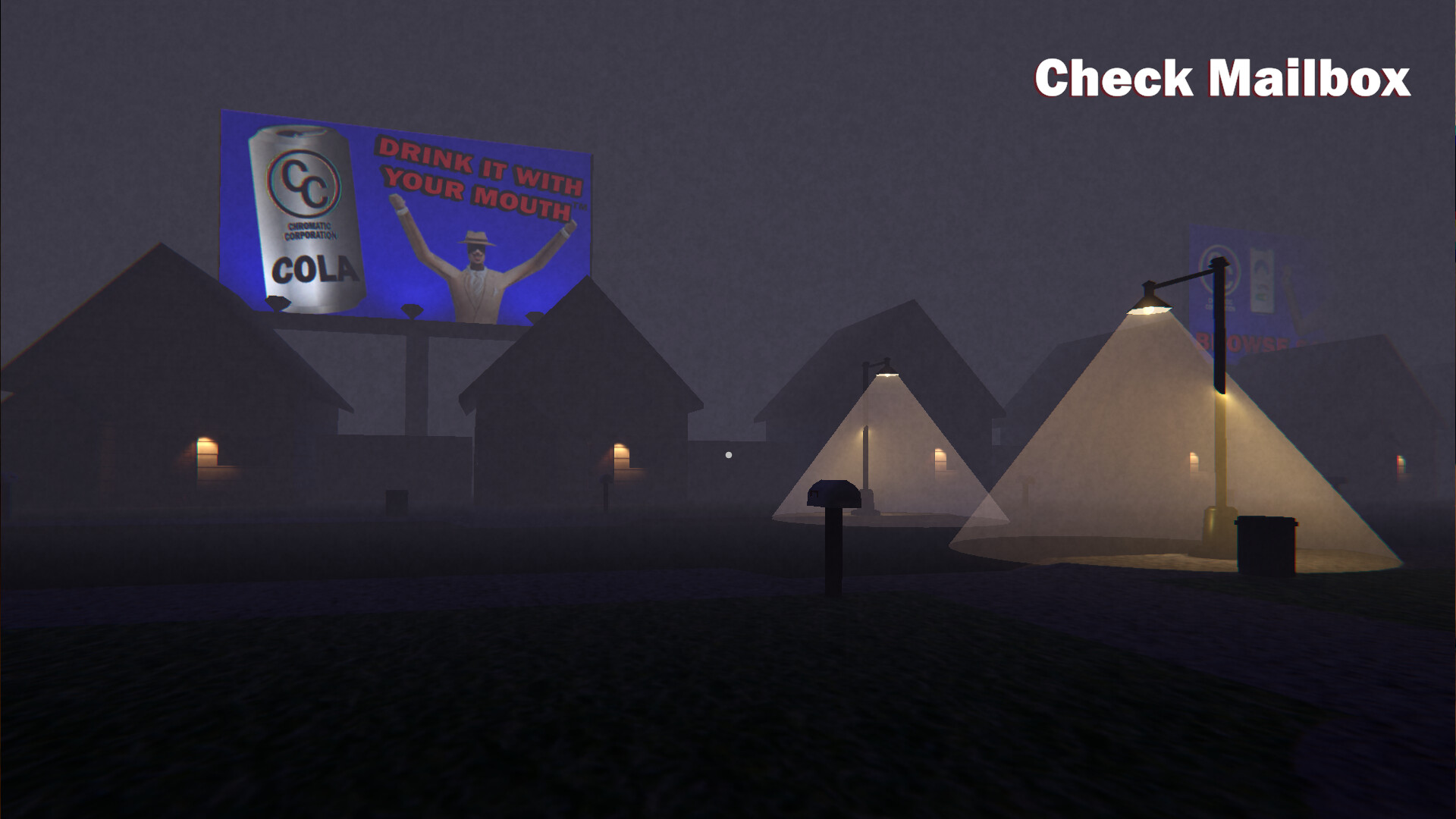
The game's ad-saturated suburban setting, lit almost entirely by branded signageBad Ideas Productions -
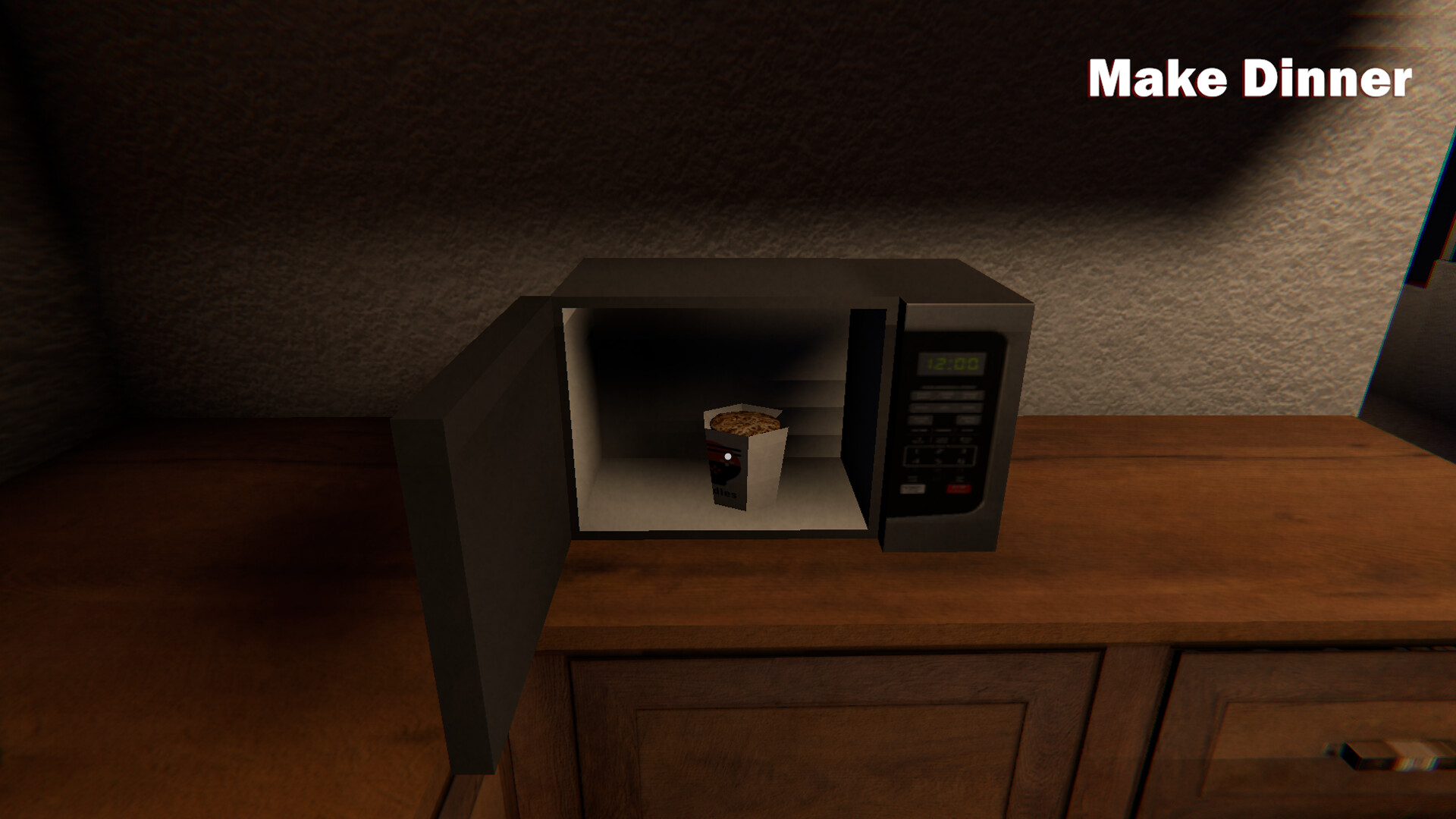
One of the game's small domestic tasks, reflecting its focus on mundane, repeated choresBad Ideas Productions -
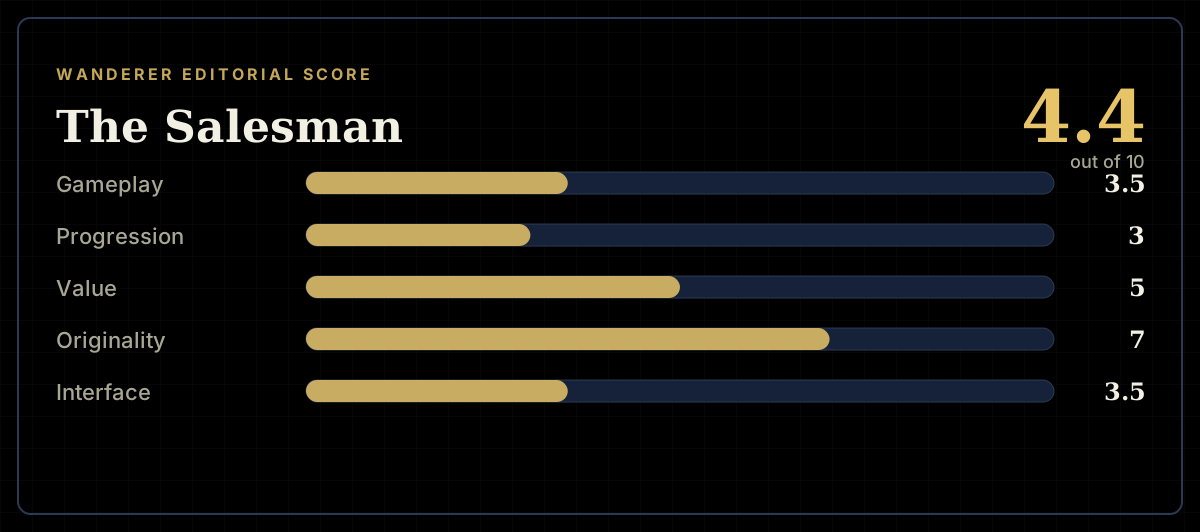
How the review scores each part of the gameWanderer Editorial -
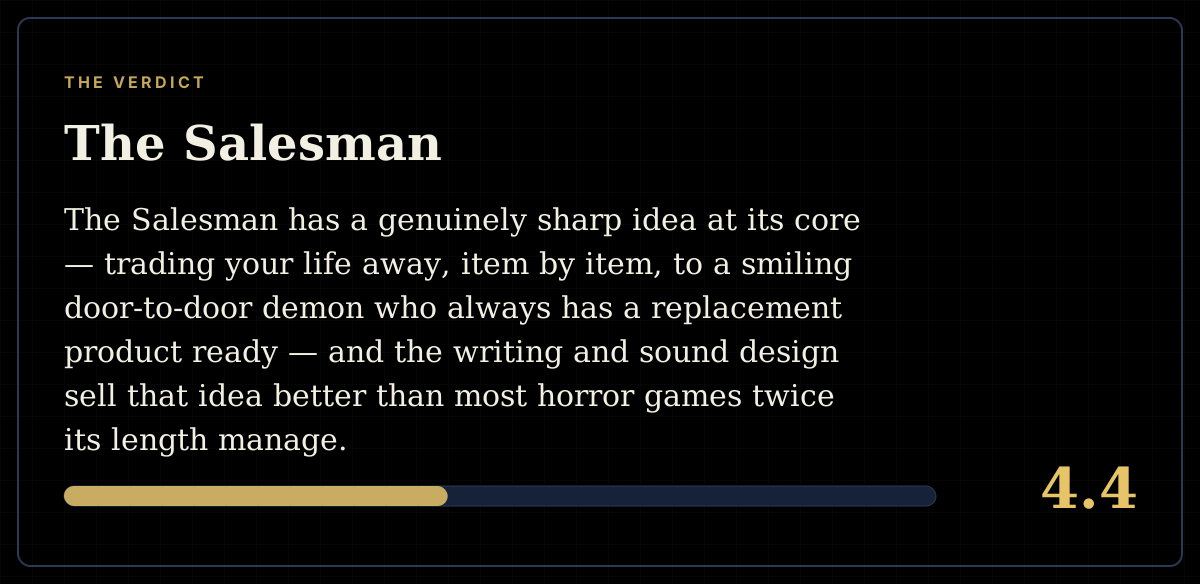
The short versionWanderer Editorial