Game review
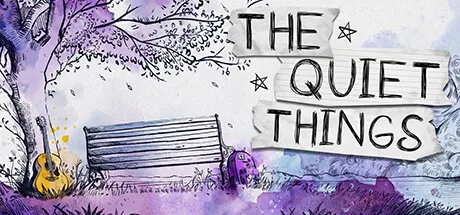
The Quiet Things
7 / 10
- Developer
- Silver Script Games
- Publisher
- Silver Script Games
- Released
- 18 June 2026
- Platforms
- Windows
- Genre
- Adventure, Casual, Indie, Simulation
- Monetisation
- paid
- Players
- false
The short version
Biggest strengths
- Widely praised as one of the most gripping and honest autobiographical stories reviewers had experienced in any medium, drawn from the developer's real diaries
- Strong, emotionally committed voice acting singled out by nearly every reviewer, especially for the protagonist Alice
- A journal-and-memory structure that lets players piece the story together gradually, broken into digestible, pace-friendly segments
Biggest weaknesses
- Significant, widely-reported technical unfinishedness at launch, including missing textures, empty picture frames and bulletin boards, reused environments, and crash/fatal-error reports
- A frustrating "find the next interaction trigger" structure that several reviewers, including most of the negative reviews, said actively undermined the narrative pacing
- A price several reviewers felt was too high given the game's length, bugs, and current state of polish
Who it's for: Players drawn to serious, emotionally heavy autobiographical narrative games in the vein of Gone Home or Mouthwashing, who are prepared for the content warnings and can tolerate real technical rough edges
Our recommendation: recommended
7 / 10
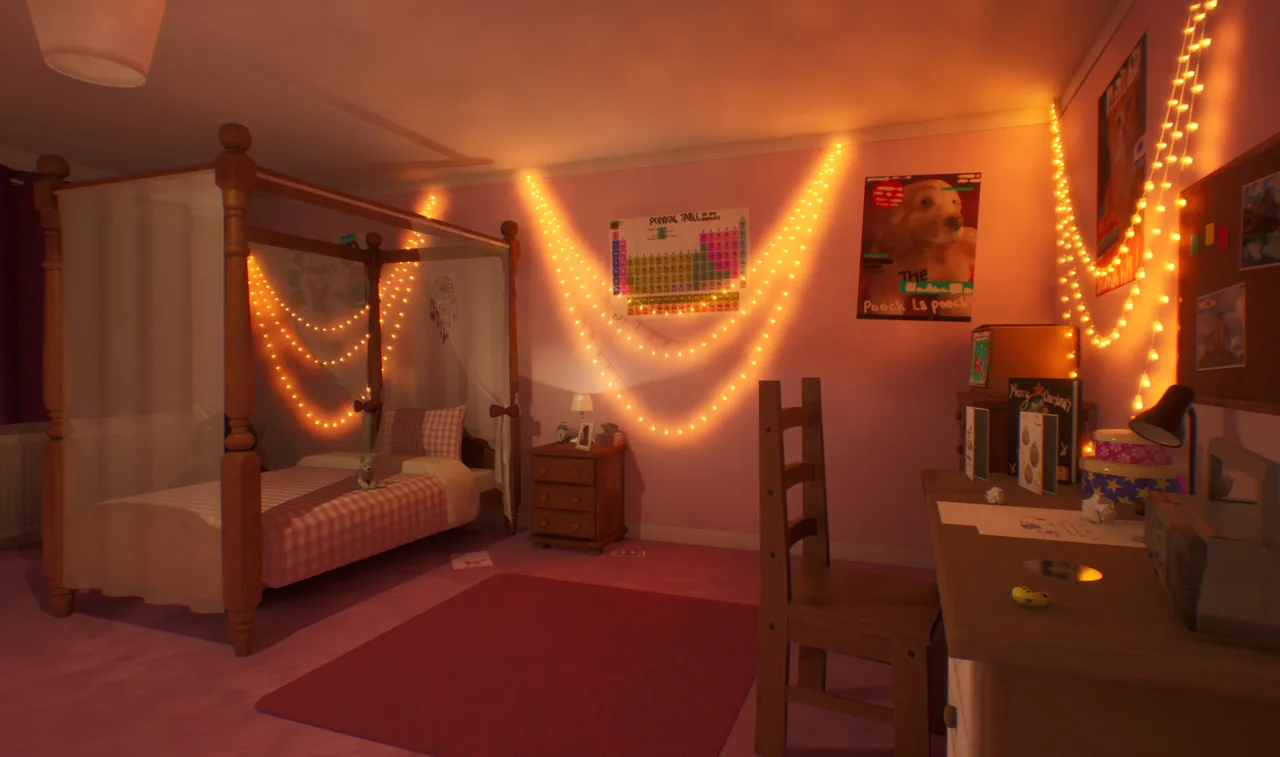
The Quiet Things released on Steam on June 18, 2026, from Silver Script Games, an autobiographical narrative walking sim built from the developer's own childhood diaries, following a young girl named Alice through a fractured 00s upbringing in the South of England, told through journal entries, voiceover, and environmental storytelling rather than any visible characters. Its 35-review English pool lands at Positive (30 up, 5 down, 86%), and the split in that pool is unusually consistent: almost nobody disputes the strength of the story itself, while a meaningful minority pushes back hard on the game's technical state and price.
The writing and voice acting draw the pool's most emphatic, personal praise. One reviewer called it "the perfect example of games as an art form and medium that can impact audiences, change perceptions and break stigma in the most meaningful ways," while another wrote, "story, writing, voice-acting: incredible, one of the most gripping stories I've experienced in and out of gaming. You will experience a range of strong emotions during this, most of them not very pleasant, but all the more meaningful." A reviewer who described relating to Alice's experiences personally wrote, "it helps those who have experienced anything like this, or know anyone who has experienced something like this, feel seen. You feel for Alice." Several reviewers specifically praised the structural choice of telling the story through journal entries and memories rather than a traditional cast, with one writing that "the use of the journal and voice acting to tell the story, along with memories and walking" made for "a poignant example of the issues older kids and teens face in the care system."
The game's serious subject matter, self-harm, suicide, sexual assault, and childhood abuse are all explicitly listed in the store page's content warning, is treated by reviewers as central to the experience rather than exploitative. One reviewer wrote that the game "is a master class in showing how abuse can alter the course of a person's life," exploring "the lasting damage with painful honesty" while also portraying "the extraordinary courage" needed to survive it. Multiple reviewers explicitly recommended reading the content warnings and pacing sessions with breaks; one wrote, "I strongly recommend reading the content warnings and making sure you are emotionally prepared before playing," while another compared the tone to other narrative games, describing it as "a mix between Gone Home and Mouthwashing...Gone Home in presentation and Mouthwashing in gut churningness. Slow boil horror but absolutely grounded in reality."
That same intensity shows up in the small but notable cluster of reviewers who mentioned a real-world detail worth reporting carefully: several independently referenced the game reportedly losing a planned BAFTA showcase slot shortly before release. One wrote, "when I heard about the BAFTA BS I wishlisted it and bought it the moment it was released," while another said they heard about the game "again when BAFTA pulled the game's spot," adding "it seems like anymore, things only get pulled when the message is one worth hearing." Because this detail is repeated independently by multiple reviewers with specific, consistent framing, rather than appearing as a single unverifiable accusation, it clears the bar for inclusion here as an attributed, reviewer-reported detail about the game's pre-release reception, though it should be read as reviewer commentary rather than a confirmed fact we're asserting ourselves.
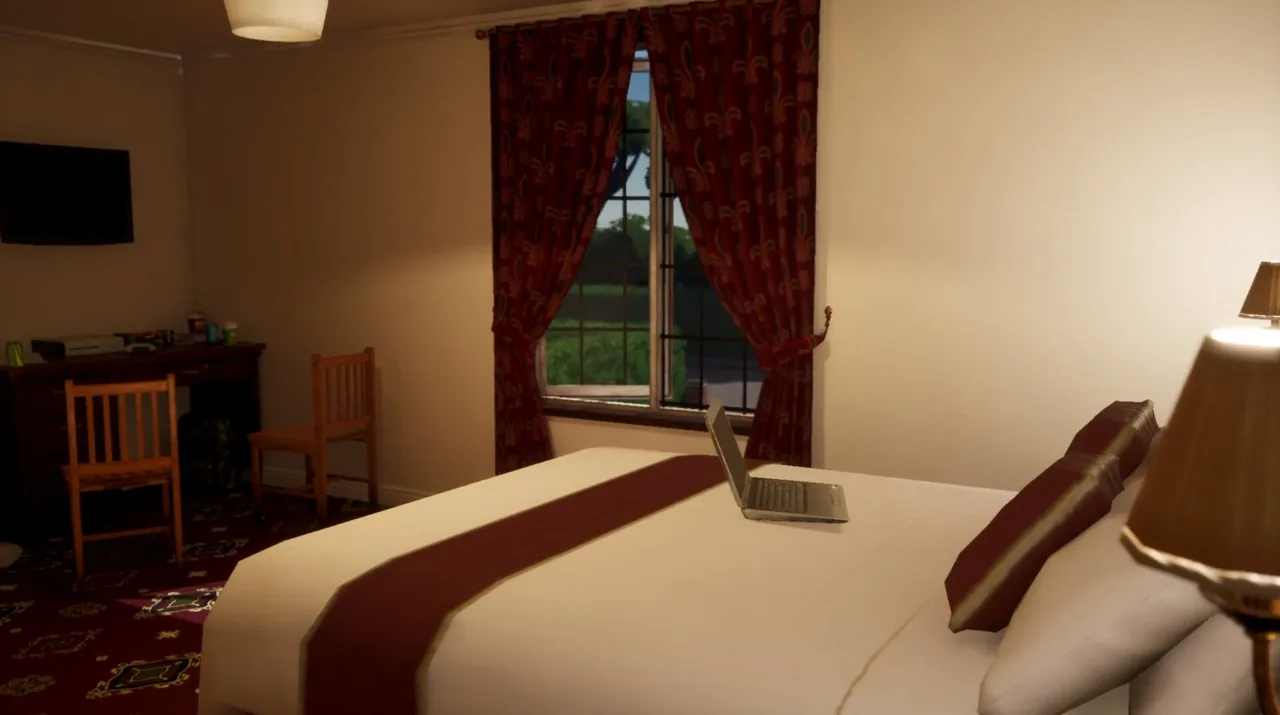
The most substantial and consistent criticism concerns the game's technical state at launch. One detailed, otherwise-positive review catalogued a long list of issues: "background detail" that thins out as the game progresses, with "empty" picture frames and bulletin boards, "rooms and buildings" that "looked the same," and a "fatal error when opening the game" that reportedly took "up to 10 tries" to work around across multiple sessions, a problem the reviewer said was affecting multiple other players based on forum reports. Another long, detailed review went further, describing serious performance problems disproportionate to the game's simple, low-poly visuals: "it ran at the resources an open world hi-fi game would," reporting the game was "unplayable even on low" settings on a lower-spec laptop, and cataloguing missing textures, see-through walls, and harsh, unbaked lighting, concluding "I really wish I could recommend it, these stories need to be heard...but as it is right now it is the case...and for the price, I don't think that's worth it." That same reviewer, notably, said they would "gladly recommend it" once the issues were fixed.
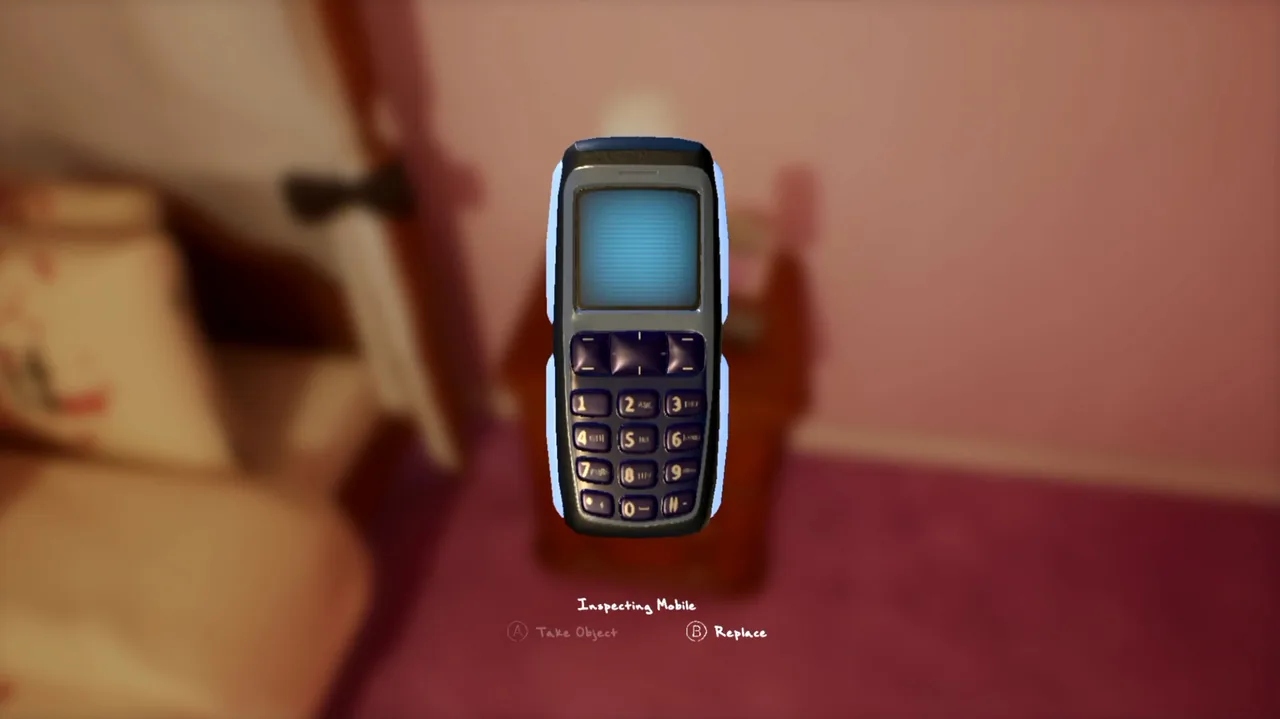
Gameplay pacing was the other recurring, specific complaint, and it's the throughline connecting most of the pool's five negative reviews. One negative reviewer wrote that "running around getting frustrated about not finding where the next trigger could be a killer for any game, but for a game like this it is doubly so. It interrupts the pacing and drags focus from the narrative and breaks immersion," while another called it simply "way too expensive for a too long walking simulator." A different reviewer flagged a more severe version of the same issue, reporting the game became unable to progress entirely, writing "the game won't let me continue," though they still said they'd recommend the game to others despite their own experience being blocked. Even several positive reviewers echoed a softer version of this complaint, with one noting they'd recommend playing "on High or above visuals" since "highlights would often not show up," turning what should have been a straightforward search into "way too long looking for certain interactables."
Price is the final consistent thread, tightly linked to both the game's short-to-moderate length and its current technical state. Several reviewers suggested a lower price point would resolve most of their reservations outright, with one writing plainly, "$15 is more reasonable of a price. But great story," and another noting frustration over "reused objects and missing photos throughout houses" at the current asking price. None of these complaints, notably, extended to the writing itself; even the most technically frustrated reviewers consistently separated their criticism of bugs and price from their assessment of the story, which remained near-universally positive throughout the pool.
Taken as a whole, The Quiet Things is a game whose reception is defined by a genuine, unresolved tension: a story reviewers overwhelmingly describe as important, courageous, and among the most affecting they've experienced in the medium, delivered through a technical package that, at launch, clearly needed more time. For players prepared for its heavy content and willing to tolerate real bugs, missing assets, and occasionally obtuse objective-finding, the consensus is that the story is worth the friction. For players expecting a fully polished $25 experience, waiting for a patch, or a sale, is the more reasonable path forward.
Pros and cons
Pros
- Widely praised as one of the most gripping and honest autobiographical stories reviewers had experienced in any medium, drawn from the developer's real diaries
- Strong, emotionally committed voice acting singled out by nearly every reviewer, especially for the protagonist Alice
- A journal-and-memory structure that lets players piece the story together gradually, broken into digestible, pace-friendly segments
- A serious, non-sensationalized treatment of self-harm, abuse, and institutional failure that many reviewers said made them feel genuinely seen
Cons
- Significant, widely-reported technical unfinishedness at launch, including missing textures, empty picture frames and bulletin boards, reused environments, and crash/fatal-error reports
- A frustrating "find the next interaction trigger" structure that several reviewers, including most of the negative reviews, said actively undermined the narrative pacing
- A price several reviewers felt was too high given the game's length, bugs, and current state of polish
- Multiple reviewers referenced the game losing a planned BAFTA showcase slot shortly before release, a detail worth flagging as a widely-repeated but unverified claim about the game's reception rather than an established fact
Screenshots
-
The Quiet ThingsImage: Silver Script Games via Steam -
The Quiet ThingsImage: Silver Script Games via Steam -
The Quiet ThingsImage: Silver Script Games via Steam