Game review
This Game is Simple
7.5 / 10
- Developer
- TalkingMicrowaveGames
- Publisher
- TalkingMicrowaveGames
- Released
- 28 June 2026
- Platforms
- Windows
- Genre
- Adventure, Casual, Indie, Free To Play
- Monetisation
- free-to-play
- Players
- false
The short version
Biggest strengths
- A genuinely moving, well-written narrative about a developer's declining passion for their own project, described by reviewers as unusually honest and widely relatable regardless of the player's own creative background
- Excellent voice acting from both available narrators, with several reviewers specifically praising the performances as carrying the entire experience
- Distinctive scene-to-scene progression where the game's world visibly grows more detailed and complex as the in-fiction developer's own passion visibly declines, a clever structural metaphor
Biggest weaknesses
- Significant performance and optimization problems, with reviewers noting the game is "way, way too demanding for how it looks"
- Sprint requires holding a key rather than toggling, a small but repeatedly flagged quality-of-life complaint given how much walking the game involves
- Reported input lag in at least one specific area (the autumn forest scene)
Who it's for: Anyone who has ever created something and struggled with self-doubt, especially indie developers and other creative hobbyists, more than dedicated gameplay-focused walking-sim fans
Our recommendation: recommended
7.5 / 10
This Game is Simple released free on Steam on June 28, 2026, a quiet, first-person walking game from TalkingMicrowaveGames built around a single, self-referential premise: an ever-changing level narrated by a fictional developer character who is, over the course of the experience, slowly losing passion for the very game the player is walking through. Its English review pool is unusually clean for any release, 39 of 39 reviews recommend it, zero negative reviews, and the reviews themselves are detailed enough to make clear this isn't just reflexive goodwill toward a free release, but genuine, specific resonance with what the game is trying to say.
The narrative core draws by far the pool's strongest and most personal praise. One reviewer called it "a great step into the mind of someone with passion and love for what they do," noting that despite the short runtime and simple gameplay, "the struggles that come with turning an idea into a reality" are rarely portrayed this clearly, adding they'd never made a game themselves yet still found the raw emotion applicable to their own creative struggles. Another reviewer, who played through with both available narrators (slightly preferring the female performance), praised the writing's honesty about the realities of indie development specifically, the near-impossibility of true originality in an oversaturated market, and the discipline required to avoid feature creep, treating the narrator less as a game character and more as "a rich character who has a lot to say about the creative process." A third reviewer thanked the developer directly for "having the braveness to create a slow game, a game about making a game in a world that is always in a hurry," a sentiment echoed closely enough across multiple independent reviews that it reads as the game's core thesis landing exactly as intended.
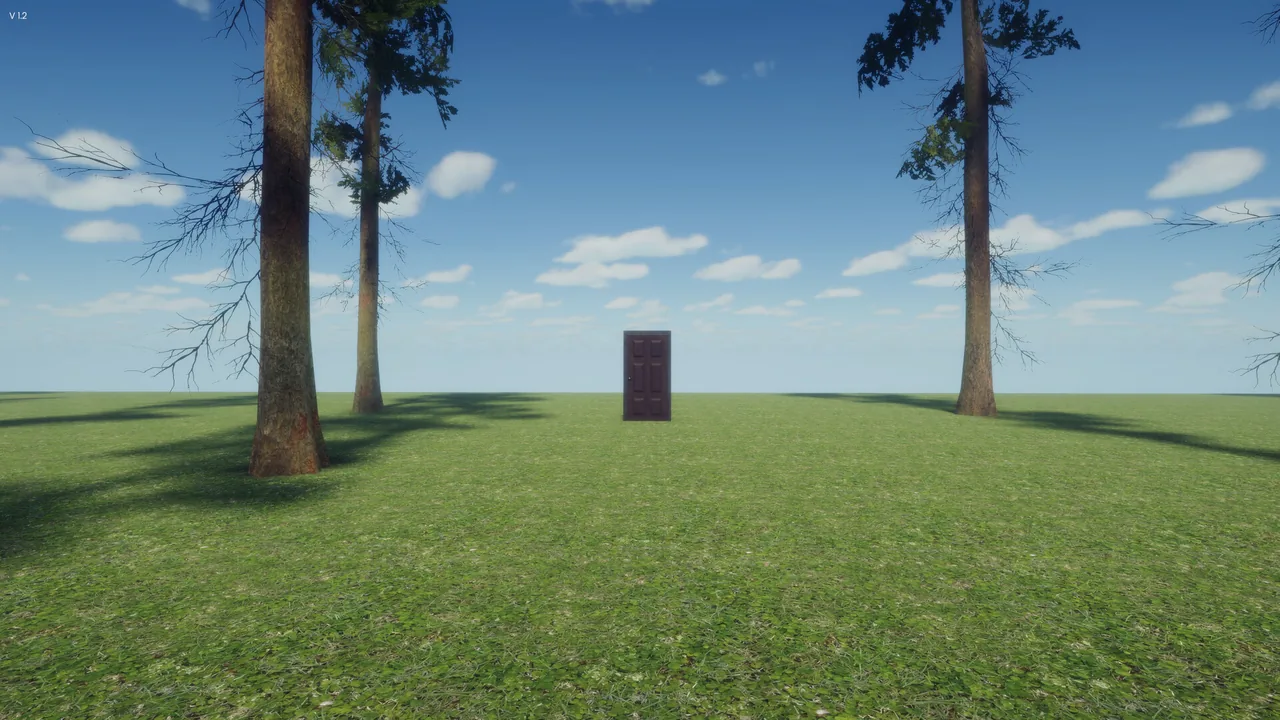
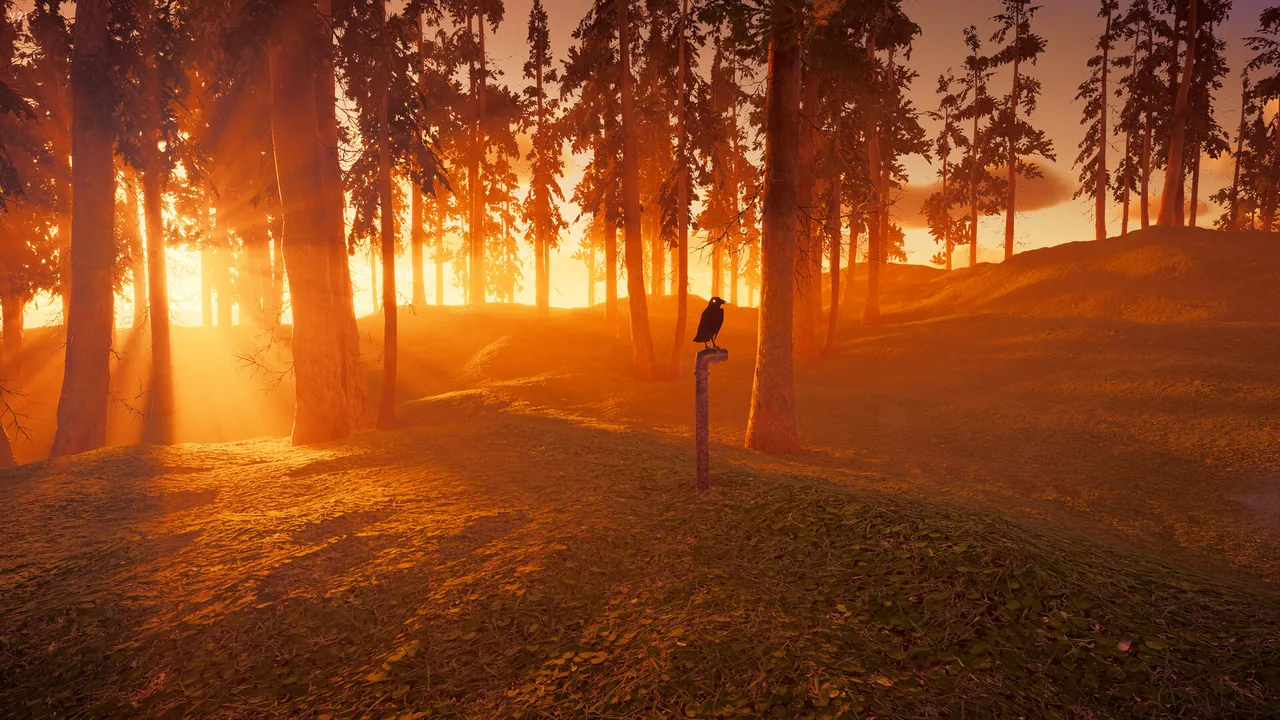
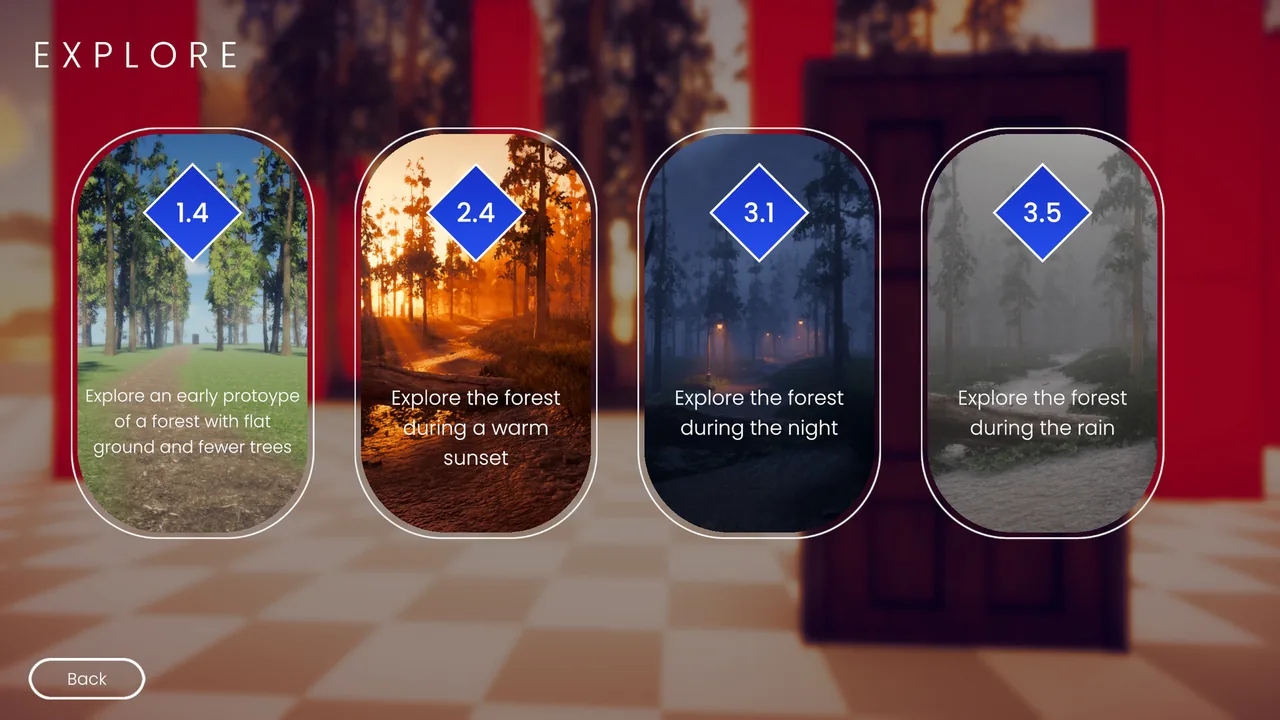
The central structural conceit, an environment that grows visibly more detailed and polished even as the in-fiction narrator's enthusiasm audibly deteriorates, was specifically called out as clever design in its own right. One reviewer described the game as "a free 3D first person walking simulator, which takes the player through a succession of increasingly detailed scenes as the developer-narrator tries to improve & enhance their game but loses their enthusiasm & love for their project in inverse proportion to its complexity," explicitly praising the voice acting from both narrators as "excellent." Another reviewer drew a direct comparison to The Stanley Parable, noting the game's willingness to let its narrative commentary on development itself be the primary hook rather than traditional puzzle or exploration gameplay.
Even with that near-universal praise for the writing, several reviewers were candid about real, specific technical shortcomings, which is precisely what keeps this review pool useful rather than purely celebratory. One reviewer put it plainly: "the game itself badly needs some optimization. It's way, way too demanding for how it looks," a complaint about performance that stands out given the game's relatively simple, scene-based visual presentation, and the kind of issue that can genuinely affect accessibility for players on modest hardware regardless of how strong the writing is. The same reviewer flagged a smaller but repeatedly noted interface complaint: sprint is bound to holding a key rather than toggling, described as an unnecessary friction point in "any game that incentivizes the player to hold down Shift to sprint 99% of the time." A separate reviewer, who called the overall experience "a short art piece" worth playing regardless, offered direct feedback to the developer about a specific input lag issue localized to the game's autumn forest scene.
Exploration-minded players should also calibrate expectations around the game's hidden secrets. One reviewer who completed three full playthroughs specifically to hunt for them reported never finding the final secret in the pool's most detailed later scenes, suggesting that whatever additional content exists for completionists may be genuinely obscure rather than simply optional. That's a minor complaint relative to the writing praise dominating the pool, but it's a real data point for anyone approaching the game expecting meaningful gameplay depth to match its narrative ambition.
Worth noting too is how consistently reviewers reached for outside comparisons to place the game, and how those comparisons rarely disagreed with each other. Beyond the Stanley Parable reference above, multiple reviewers described the tone and structure as sitting closer to short, purpose-built narrative pieces like The Beginner's Guide than to a traditional walking simulator with environmental puzzles or collectibles as its main draw. That's a useful signal for setting expectations correctly: This Game is Simple isn't trying to be a long-form exploration game padded out with side content, it's a tightly authored, roughly hour-long piece built entirely around its central metaphor, and reviewers who approached it on those terms came away far more satisfied than anyone expecting a bigger, systems-driven experience would have.
The performance complaints deserve one more pass, because they're the single clearest reason this review doesn't land closer to a flawless score despite the unanimous review pool. A scene-based walking game with relatively simple geometry and lighting shouldn't, in principle, be taxing to run, and the specific, repeated language from reviewers, "badly needs some optimization," "way too demanding for how it looks", suggests this isn't a one-off hardware quirk but a genuine gap between the game's visual ambition and its current technical execution. For a free release that's easy to forgive in the moment, but it's still the kind of issue that can turn away exactly the players most likely to appreciate the writing, those on older or more modest machines who might not persevere through stutter and lag to reach the game's stronger later scenes.
Given the completely free price, the calculation here is about as favorable as a review can offer: even accounting for real performance issues and thin traditional gameplay, This Game is Simple asks for nothing and delivers a genuinely well-written, well-performed piece of short interactive fiction that resonated deeply and specifically with a review pool spanning developers, hobbyist creators, and players with no creative background at all. It's not a game to play for mechanical depth or polish, and the performance issues deserve real weight in that assessment, but as a brief, honest meditation on creative burnout, it's an easy, low-risk recommendation.
Pros and cons
Pros
- A genuinely moving, well-written narrative about a developer's declining passion for their own project, described by reviewers as unusually honest and widely relatable regardless of the player's own creative background
- Excellent voice acting from both available narrators, with several reviewers specifically praising the performances as carrying the entire experience
- Distinctive scene-to-scene progression where the game's world visibly grows more detailed and complex as the in-fiction developer's own passion visibly declines, a clever structural metaphor
- Completely free, removing any real barrier to experiencing a short, thoughtfully-made piece of interactive art
Cons
- Significant performance and optimization problems, with reviewers noting the game is "way, way too demanding for how it looks"
- Sprint requires holding a key rather than toggling, a small but repeatedly flagged quality-of-life complaint given how much walking the game involves
- Reported input lag in at least one specific area (the autumn forest scene)
- Very limited traditional gameplay, some hidden secrets in later scenes are reported as extremely difficult or effectively impossible to find even across multiple full playthroughs
Screenshots
-
This Game is SimpleImage: TalkingMicrowaveGames via Steam -
This Game is SimpleImage: TalkingMicrowaveGames via Steam -
This Game is SimpleImage: TalkingMicrowaveGames via Steam