Game review
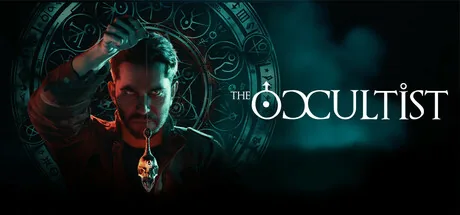
The Occultist
6.7 / 10
- Developer
- DALOAR
- Publisher
- Daedalic Entertainment
- Released
- 8 April 2026
- Platforms
- [Windows]
- Genre
- Adventure
- Monetisation
- $29.99
- Players
- false
The short version
The Occultist is a good-looking, well-acted paranormal investigation thriller with a genuinely clever pendulum mechanic at its core, but weak scares, a clumsy combat-driven finale, and inconsistent technical polish keep it well short of the Silent Hill and Alan Wake comparisons it invites.
Biggest strengths
- A distinctly inspired pendulum-based investigation mechanic that reviewers across languages describe as a genuine twist on the paranormal-investigator formula
- A stellar lead vocal performance — the protagonist is voiced by The Witcher's Geralt actor, and reviewers repeatedly cite the delivery as a highlight
- Consistently praised atmosphere and location variety, from a derelict funhouse to a foggy cemetery to a decaying manor
Biggest weaknesses
- Widely described as a poor horror experience — ghosts and jump scares are repeatedly called simple, predictable, or outright unthreatening rather than genuinely tense
- A combat-heavy back half, especially the final boss encounter, draws consistent and sometimes severe criticism, with some reviewers unable to finish the game because of it
- Technical rough edges — frame drops, blurry textures, broken HDR, stereo-only audio, and at least one reported total save-file loss — recur across the sample
Who it's for: Fans of atmosphere-first investigation games — think Resident Evil's puzzle rooms without the combat pressure — who value story and setting over genuine horror tension, and can tolerate some technical rough edges.
Our recommendation: Try it on sale
6.7 / 10
Engraved in my mind are images that would make any man tremble
The Occultist is a first-person paranormal investigation thriller from debut developer DALOAR and publisher Daedalic Entertainment, released April 8, 2026 on Windows for $29.99. You play Alan Rebels, a paranormal investigator drawn to the abandoned British island of Godstone after his father's disappearance, uncovering a buried cult and the supernatural forces it left behind. It landed to a Mostly Positive reception (370 reviews, roughly 76% positive) from a broad, genuinely international sample — English, Russian, German, French, Chinese, Japanese, Brazilian, and more — and the overall picture is of a debut with real craft undercut by some very specific, very corroborated weak points.
A pendulum-driven hook that earns its comparisons
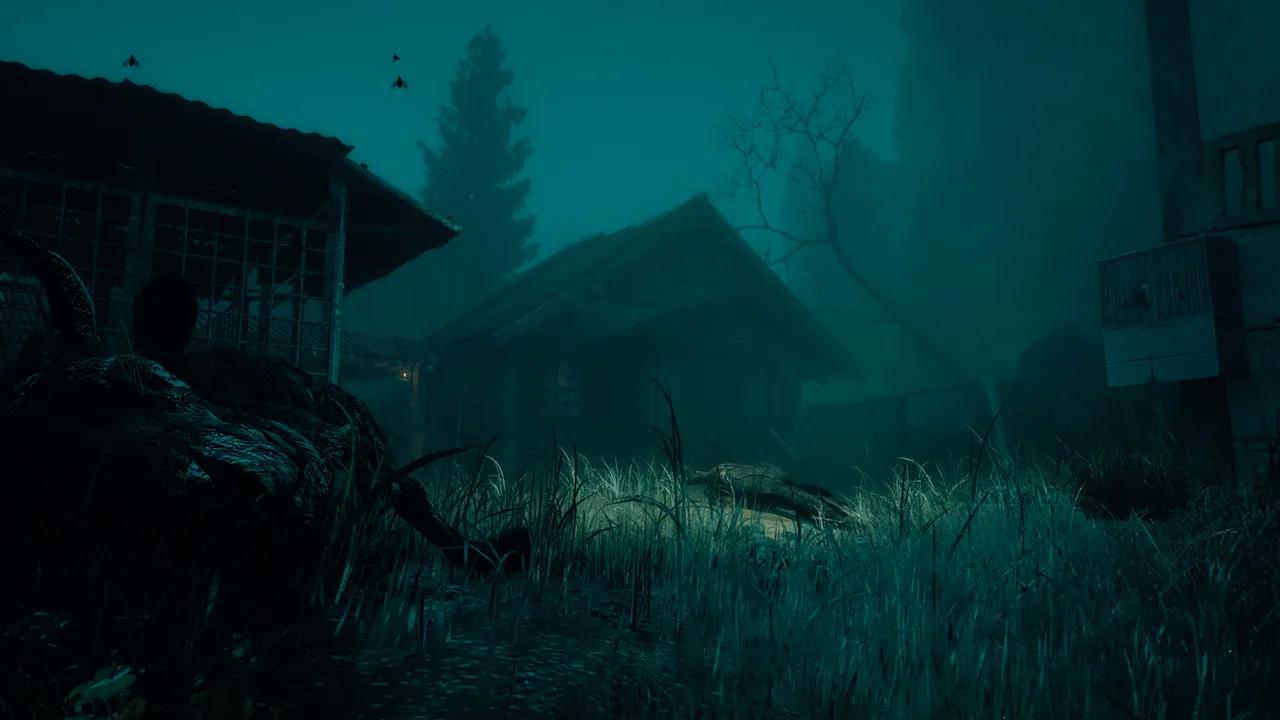
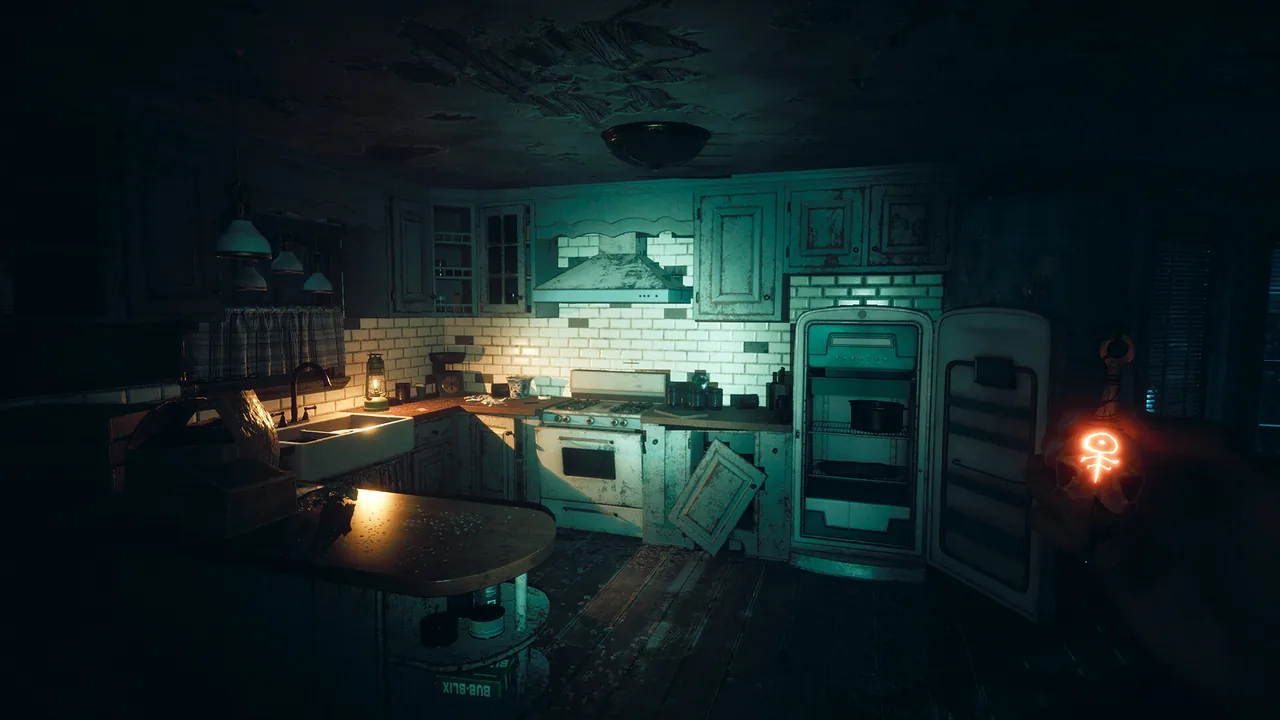
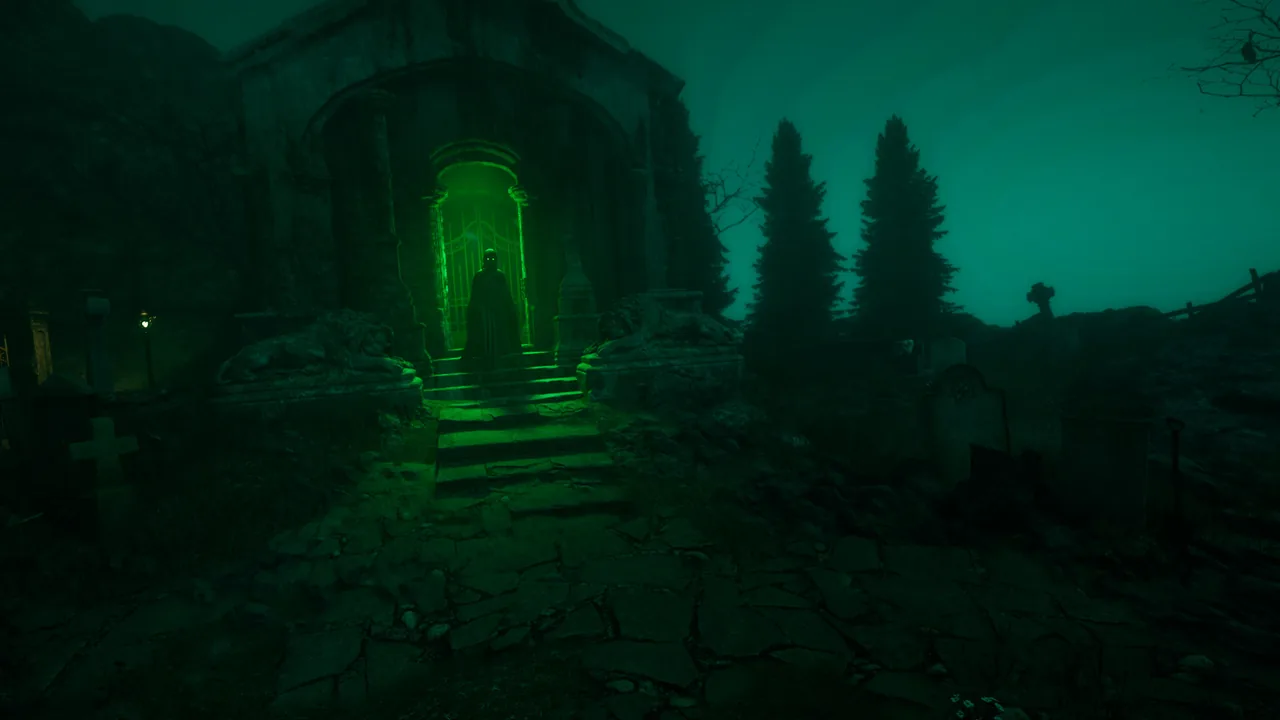
The most consistently praised element of the game is its central investigation mechanic: Alan uses a dowsing pendulum to reveal hidden clues, paths, and dangers layered across each location, and reviewers repeatedly single it out as a genuinely fresh spin on a genre that's leaned hard on flashlight-and-notebook conventions for years. Comparisons to Silent Hill, Alan Wake, and Layers of Fear come up constantly, and while several reviewers concede the story treads familiar ground, the pendulum mechanic and the variety of locations — a derelict funhouse, a foggy cemetery, a decaying manor, an abandoned hospital — keep the exploration loop feeling purposeful rather than repetitive.
Geralt's voice carries real weight
A specific and recurring point of praise across nearly every language in the sample is the lead vocal performance: Alan Rebels is voiced by the actor known for playing Geralt of Rivia in The Witcher games, and reviewers repeatedly cite the delivery — described as low, gravelly, and immediately recognizable — as elevating dialogue that several critics otherwise call flat or clichéd on the page. It's a genuinely effective piece of casting for a budget title, and it shows up as a talking point in reviews that are otherwise lukewarm on almost everything else.
Puzzles that reward some players and strand others
Puzzle design draws a real split. A number of reviewers describe the difficulty as reasonable once players actually use the in-game journal, with more than one specifically pushing back on claims that the puzzles require outside help. But a meaningful counter-thread, especially strong in the manor sequence near the end, describes players getting genuinely stuck without a walkthrough, citing poor in-game guidance, obscure item interactions, and — in one specific case — a progress-blocking bug where an incomplete puzzle in the manor prevents returning to finish it after advancing the story.
A horror game that mostly forgets to scare
The single most consistent criticism across the sample, regardless of language, is that The Occultist undersells its own horror billing. Reviewers describe the ghosts and supernatural threats as simple, predictable, and rarely dangerous, and several explicitly contrast the marketing's "epic orchestral" horror trailer with a finished game that plays more like a moody puzzle room than a tense survival-horror experience. This isn't a universal complaint — some reviewers do cite specific jump scares and a genuinely unnerving in-game song that landed for them — but "not actually scary" is close to a majority position in the sample, coming from fans and critics alike. A few reviewers go further and argue the store page's tags actively oversell the game, with one specifically noting the absence of any real cosmic-horror or Lovecraftian elements despite genre tags suggesting otherwise.
Combat is the game's clearest misstep
Where puzzle criticism is split, criticism of the game's late-game combat and boss encounters is close to unanimous among the reviewers who bring it up. A rat-swarm boss and the final confrontation both draw specific, repeated frustration — clunky hit detection, unclear objectives, and difficulty spikes that feel disconnected from the rest of the pacing. Several reviewers report being unable to finish the game because of these sections, and more than one otherwise-positive review explicitly recommends the developer cut or heavily rework the combat in a future patch.
Rough technical edges for a budget release
Technical polish is a genuine mixed bag. Multiple reviewers, especially in German and Russian, report frame drops and stuttering that feel disproportionate to the game's visual fidelity, along with broken HDR support and audio limited to stereo with little ambient depth — a notable gap for a horror game leaning on atmosphere. One Brazilian reviewer reports losing an entire five-hour save file outright. None of this is universal, and Daedalic has shipped several post-launch patches addressing bugs and performance, but it's a real, corroborated pattern rather than isolated hardware complaints.
Who should investigate Godstone Island
The Occultist is easiest to recommend to fans of atmosphere-first investigation games who care more about setting, story, and a strong central performance than genuine horror tension or combat challenge — that's exactly what the game delivers best. It's a much harder sell for players specifically chasing scares, or for anyone likely to bounce hard off a rough combat-heavy final stretch, since both of those complaints are well-corroborated rather than outliers.
The verdict
The Occultist is a promising, well-acted debut with a genuinely clever central mechanic and real atmospheric craft, let down by a horror pitch it mostly doesn't deliver on and a combat-heavy ending that frustrates even reviewers who enjoyed everything leading up to it. It's worth a look for investigation-game fans, ideally once a patch or two — and a discount — have smoothed out its rougher edges.
Pros and cons
Pros
- A distinctly inspired pendulum-based investigation mechanic that reviewers across languages describe as a genuine twist on the paranormal-investigator formula
- A stellar lead vocal performance — the protagonist is voiced by The Witcher's Geralt actor, and reviewers repeatedly cite the delivery as a highlight
- Consistently praised atmosphere and location variety, from a derelict funhouse to a foggy cemetery to a decaying manor
- A manageable 7-to-10-hour length with a mostly-reasonable puzzle difficulty curve, once players lean on the in-game journal
Cons
- Widely described as a poor horror experience — ghosts and jump scares are repeatedly called simple, predictable, or outright unthreatening rather than genuinely tense
- A combat-heavy back half, especially the final boss encounter, draws consistent and sometimes severe criticism, with some reviewers unable to finish the game because of it
- Technical rough edges — frame drops, blurry textures, broken HDR, stereo-only audio, and at least one reported total save-file loss — recur across the sample
- Puzzle guidance is inconsistent: some players find the journal sufficient, others get stuck badly enough to need a walkthrough, particularly in the manor sequence
Screenshots
-
The OccultistImage: Daedalic Entertainment via Steam -
The OccultistImage: Daedalic Entertainment via Steam -
The OccultistImage: Daedalic Entertainment via Steam -
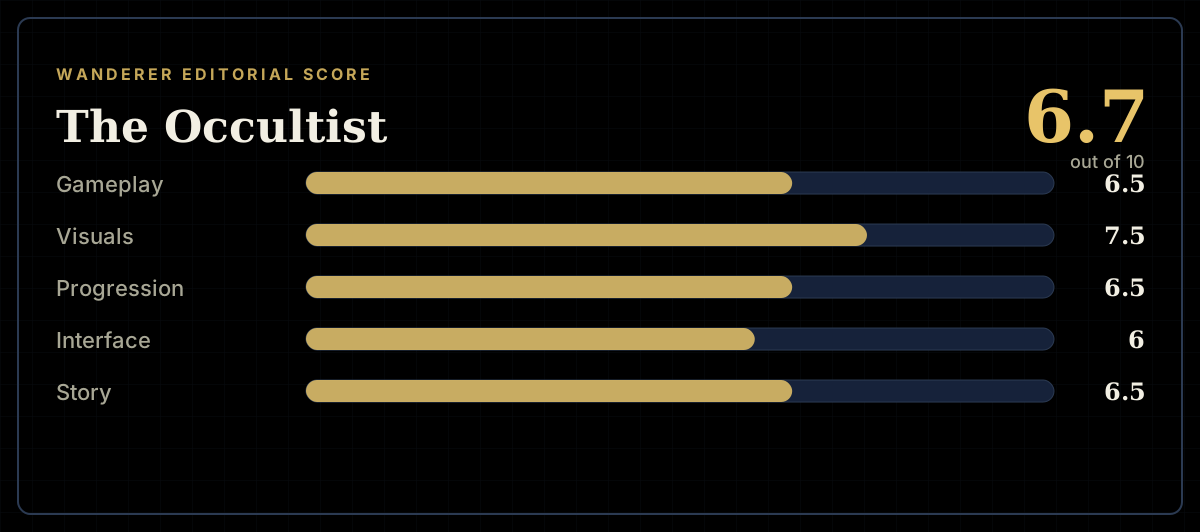
How the review scores each part of the gameWanderer Editorial -
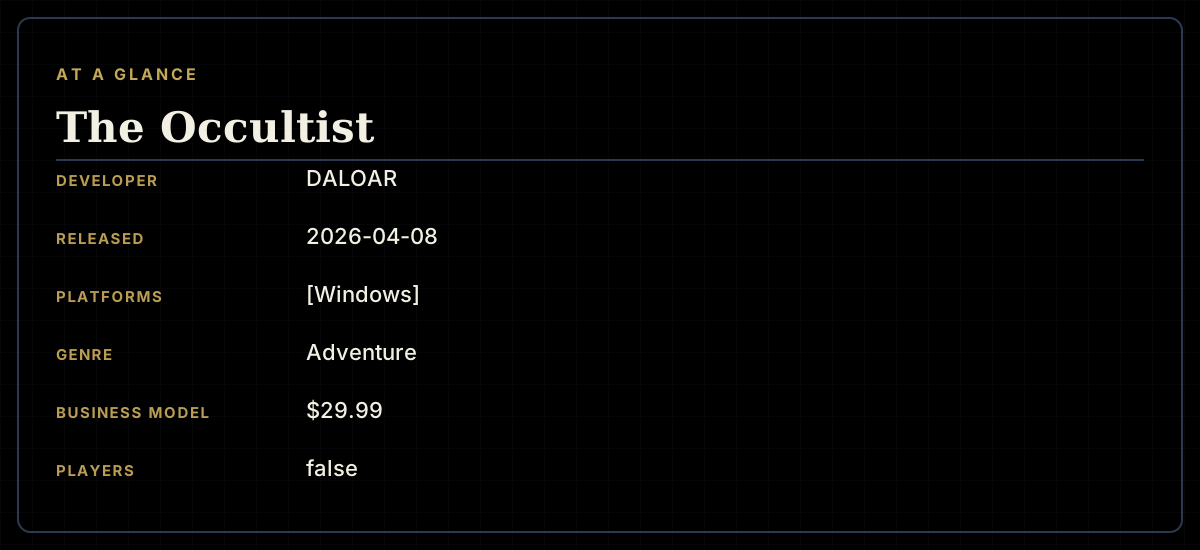
Key facts at a glanceWanderer Editorial -
The short versionWanderer Editorial