Game review
Insomnia: Chapter One
6 / 10
- Developer
- Melon Polygons
- Publisher
- MonkeyFactory Media
- Released
- 8 June 2026
- Platforms
- Windows
- Genre
- Adventure, Indie
- Monetisation
- paid
- Players
- false
The short version
Biggest strengths
- Genuinely effective isolation atmosphere built through sound design and lighting rather than jump scares
- Restrained monster design that favors glimpses and shadows over full reveals, sustaining dread rather than spending it early
- Remarkable scope and polish for a reported solo-developer first project, at an impulse-buy price
Biggest weaknesses
- Structure and setting draw such a close resemblance to Still Wakes the Deep that multiple reviewers call it a near-copy rather than an homage
- Very short, with most players finishing in well under an hour, making the asking price a harder sell for some
- Rough English localization and voice acting, including at least one reviewer who found a section with no subtitles at all
Who it's for: Fans of atmospheric first-person horror shorts who enjoyed Still Wakes the Deep and want a budget-priced, solo-developer take on the same isolated-facility formula, and who can accept a very short runtime and rough English localization
Our recommendation: recommended with caveats
6 / 10
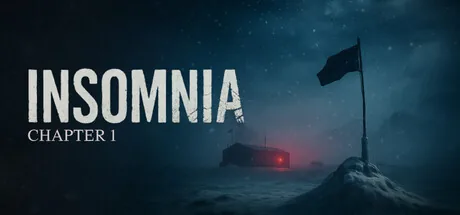
Something has gone wrong at Persei
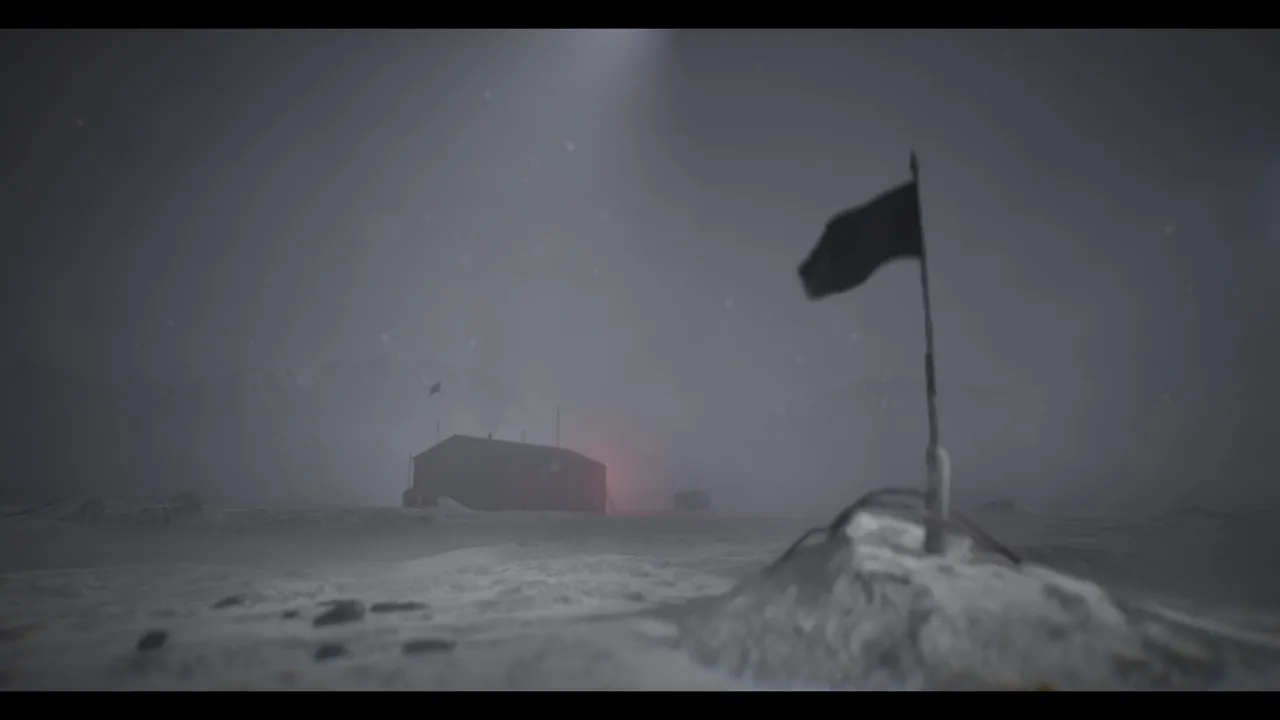
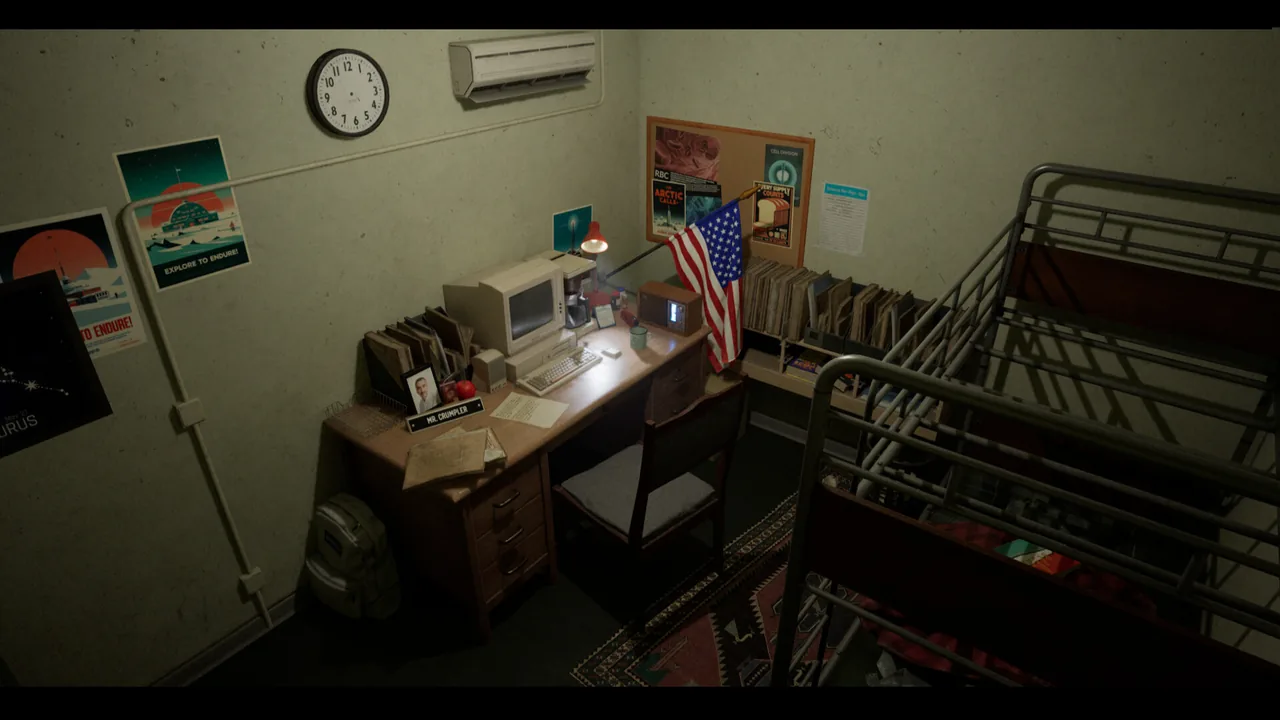
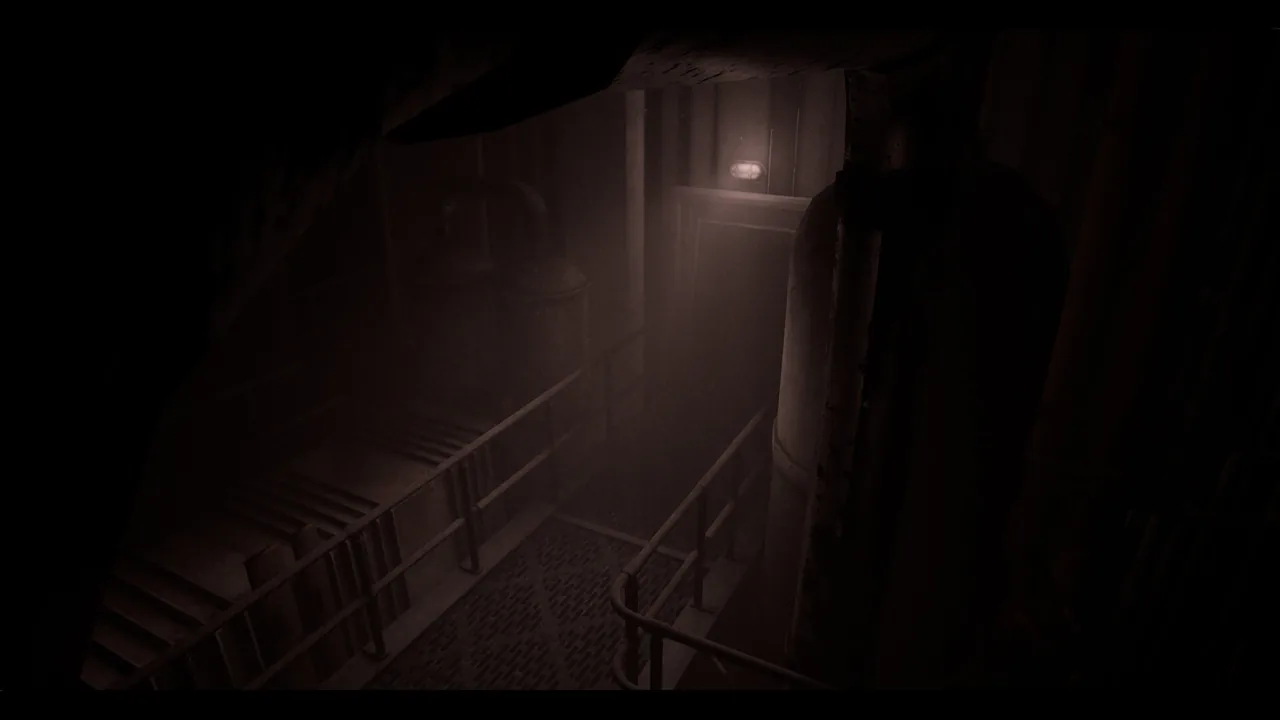
Insomnia: Chapter One drops players into the boots of Ethan Miller, a technician sent in 2012 to investigate why the Arctic research station Persei has gone silent. From the moment he arrives, the game commits fully to a slow-burn isolation horror mood: empty halls, flickering systems, and the lingering evidence of whatever made the crew disappear. One detailed review summed up the opening well, noting the station's "empty halls, malfunctioning systems, and lingering signs of a sudden disappearance immediately establish an uneasy atmosphere." Another reviewer, more measured overall, still credited the fundamentals: "the atmosphere is cool and there is some creepiness to be found here."
Restraint where it counts
The strongest, most consistently praised design choice is how little the game actually shows you. Rather than parading its creature in front of the camera, Insomnia keeps it mostly out of frame, working through implication, sound cues, and brief peripheral glimpses. One reviewer specifically called out this restraint as effective: seeing the creature only in "glimpses" instead of "full-bodied shots all the time works" to sustain tension rather than burning through it in the first act. Another player, still hoping for future chapters, said they're looking forward to eventually "getting a better look" at the thing stalking Ethan, precisely because the current chapter keeps it withheld. That's a mature, patient horror instinct that a lot of bigger-budget genre entries fail to exercise, and it's the single clearest sign of genuine directorial control here.
An unmistakable debt to Still Wakes the Deep
The recurring, unavoidable comparison across the review pool is to Still Wakes the Deep, and it isn't a flattering one for Insomnia's originality. Multiple reviewers, independently and without prompting, flagged the resemblance as going well beyond inspiration. One negative review called it a "blatant copy of Still Wakes the Deep with nearly identical plot and gameplay," walking through beat-for-beat similarities down to a letter from a spouse read at the start of a shift and a colleague found doing routine maintenance before things go wrong. A more forgiving reviewer, still recommending the game, put it more gently but just as pointedly, flagging the "HUGE inspiration and maybe even 'copycat'" structure and noting it "truly feels like a paid demo" of that better-known game. This isn't a single outlier complaint; it's a convergent, specific observation from reviewers across both the positive and negative columns, and it meaningfully caps how much credit the game can claim for originality, whatever its individual execution strengths.
Over before it really begins
The second major, corroborated complaint is length. Reviewers consistently clock the experience at somewhere between 45 minutes and just over an hour, which for a $4.99 narrative horror short isn't inherently damning, but several reviewers felt the pacing undercuts its own atmosphere by ending just as the story gets going. One reviewer, noting the "Chapter One" branding, took it as a promise of more to come and framed their playthrough as a preview rather than a complete arc. Others were less patient with that framing: one review described the experience as "kind of boring, as most fell asleep playing it," citing the absence of puzzles, inconsistent subtitles, and no way to adjust individual sound levels as compounding the pacing problem rather than the brevity alone.
Rough English localization
A specific, repeated technical complaint concerns the game's English localization. One reviewer flagged that "translation for some speech and text was not up to snuff," singling out one section with no subtitle translation at all. Another was blunter, calling the "English translation" simply "terrible" and citing it alongside same-looking NPCs and a confusing point-of-view as reasons they were seeking a refund. Voice acting drew similar, if slightly gentler, criticism from a more forgiving reviewer who called it "probably the weakest part of the experience," while explicitly crediting the likely explanation: the developer working with limited resources as a solo act. The developer's own June update notes corroborate that this wasn't purely a one-off complaint, listing fixes for "errors and typos in the Russian localization" among the first patch's changes, suggesting translation quality was a known, actively worked-on issue rather than something left untouched.
A genuinely impressive solo effort, price considered
What tempers a lot of the criticism above is context: this is, by the developer's own June launch-day announcement, a first game following "1.5 years of development" work, released by what appears to be a solo or near-solo team under the Melon Polygons name. Framed that way, several reviewers were notably forgiving of the rougher edges. One wrote plainly: "for a short-story horror experience, this was pretty decent for a one-person production. You can't beat the price, that's for sure," while explicitly forgiving the shortcomings "due to the fact that it was all done by one person." At $4.99, that calculation holds up reasonably well: the atmosphere, lighting, and restrained creature design are executed with a level of craft well above what the price and team size might suggest, even if the derivative structure and short runtime keep it from being a genre standout on its own merits.
Active post-launch support
The developer shipped a 1.1 update shortly after release addressing a pause-menu freeze bug in certain areas, improving level navigation lighting, correcting Russian localization errors, and making other stability fixes — a reasonably fast, responsive turnaround for a solo debut. That kind of visible follow-through is a meaningfully positive signal for a first-time developer, and suggests the specific, reproducible bugs flagged by early reviewers are being addressed rather than abandoned after launch.
Verdict
Insomnia: Chapter One is a technically competent, atmospherically confident debut that demonstrates real horror instincts, particularly in its patient, restrained creature design, but it's held back by a structural and narrative debt to Still Wakes the Deep that multiple independent reviewers describe as closer to a copy than an homage, plus a runtime that ends just as the story finds its footing. Worth a look for atmospheric horror fans at its low asking price, especially those willing to view it as a proof-of-concept "Chapter One" rather than a complete story; players who've already played Still Wakes the Deep, or who need more than an hour of substantial content per purchase, should temper expectations or wait to see whether a promised future chapter delivers more original ground.
Pros and cons
Pros
- Genuinely effective isolation atmosphere built through sound design and lighting rather than jump scares
- Restrained monster design that favors glimpses and shadows over full reveals, sustaining dread rather than spending it early
- Remarkable scope and polish for a reported solo-developer first project, at an impulse-buy price
- A promising setup that leaves room for a stronger, more original follow-up chapter
Cons
- Structure and setting draw such a close resemblance to Still Wakes the Deep that multiple reviewers call it a near-copy rather than an homage
- Very short, with most players finishing in well under an hour, making the asking price a harder sell for some
- Rough English localization and voice acting, including at least one reviewer who found a section with no subtitles at all
- Thin puzzle and gameplay content, largely limited to walking between objectives with little in the way of interactive challenge
Screenshots
-
Insomnia: Chapter OneImage: MonkeyFactory Media via Steam -
Insomnia: Chapter OneImage: MonkeyFactory Media via Steam -
Insomnia: Chapter OneImage: MonkeyFactory Media via Steam