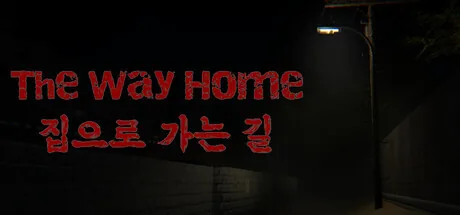
Game review
The Way Home Review: A Quiet, Unsettling Walk Through 1990s Rural Korea
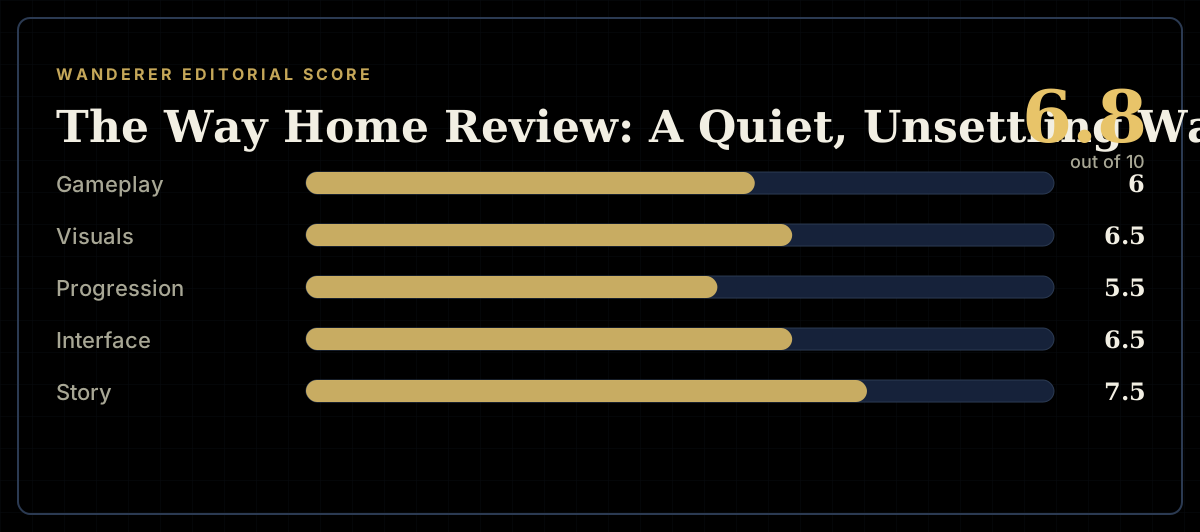
6.8 / 10
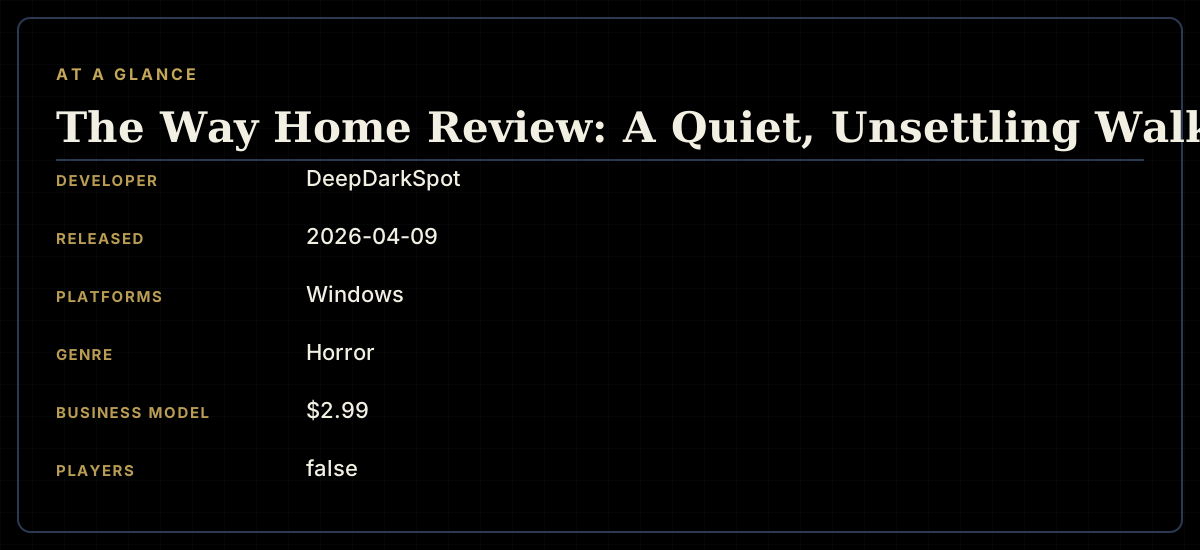
- Developer
- DeepDarkSpot
- Publisher
- DeepDarkSpot
- Released
- 9 April 2026
- Platforms
- Windows
- Genre
- Horror
- Monetisation
- $2.99
- Players
- false
The short version
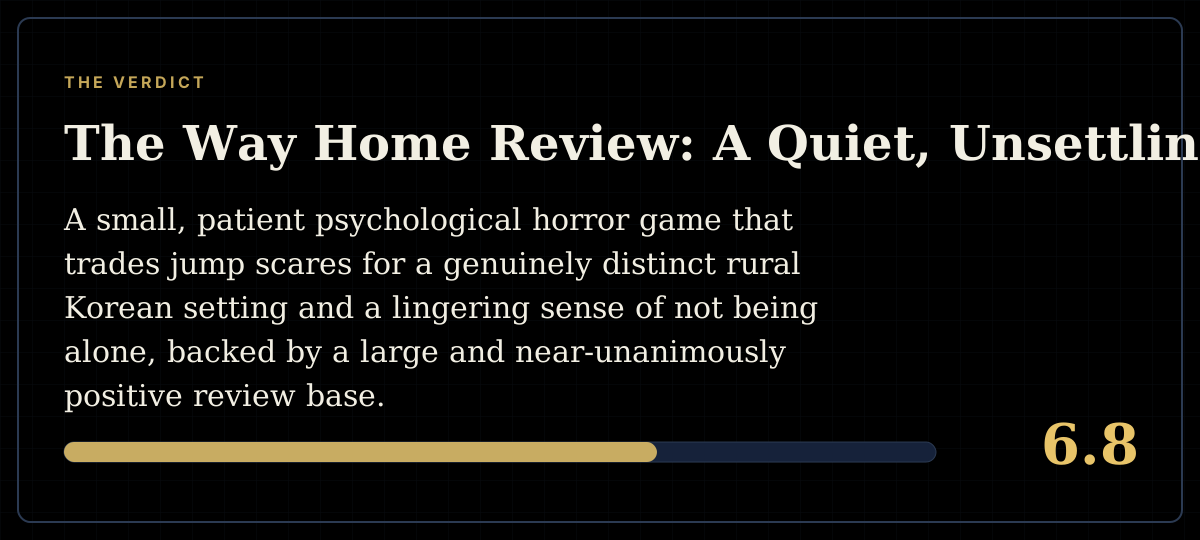
A small, patient psychological horror game that trades jump scares for a genuinely distinct rural Korean setting and a lingering sense of not being alone, backed by a large and near-unanimously positive review base.
Biggest strengths
- A distinctive, well-realized rural 1990s South Korean setting that multiple reviewers singled out as the game's biggest strength
- Tension built through atmosphere, distant figures, and ambiguous sound design rather than constant jump scares
- Two distinct endings with meaningful choices behind them, encouraging a short replay
Biggest weaknesses
- Very short — most reviewers report finishing in well under an hour, which one dissenting reviewer called out directly as poor value
- Slow, quiet pacing that reviewers explicitly warn won't suit players looking for constant action or scares
- Early localization and readability problems significant enough to need five separate translation-focused patches in the weeks after launch
Who it's for: Fans of slow-burn, atmosphere-driven horror who don't need constant scares to stay unsettled; not for players wanting action, length, or a game that leans on jump scares.
Our recommendation: Buy it, especially given the low price
6.8 / 10
Three days in rural Korea
The Way Home is a first-person psychological horror game set over three uneasy days in the South Korean countryside during the 1990s, where an unseen, encroaching threat gradually makes itself felt. It's a small, specific setting that most horror games in English-speaking markets rarely touch, and reviewers consistently credit that specificity as the game's biggest strength. One detailed review called the rural Korean setting the source of its "distinct atmosphere," praising how "the strongest moments come from the environment, distant figures, and the feeling that you may not be alone."
Patient horror, not jump-scare horror
What comes through clearly across the review base is that this is a slow-burn experience by design. The same detailed review noted the game "does not rely on constant jump scares," warning that "players looking for nonstop action may find the pacing quiet" — framed as a deliberate choice rather than a flaw, since "the tension builds effectively when you let yourself settle into it." A German-language reviewer put it more casually, describing it as "a short, atmospheric walk through the darkness that avoids overly loud effects" in favor of "a solid little village story," landing on a moderate but positive score. That consistency across independent reviewers, in different languages, on the same specific point (quiet, atmosphere over jump scares) is a strong signal the pacing is intentional rather than a technical limitation.
Two short playthroughs, two different endings
Several reviewers highlight the branching endings as a meaningful piece of replay value for such a brief game. One review explicitly shared spoiler-tagged advice for reaching an alternate ending and for finding a hidden cat before one of the endings resolves — the kind of detail only a reviewer who cared enough to explore multiple outcomes would bother sharing. Another reviewer stated plainly they "enjoyed the entire game" and specifically sought out "both endings," treating the second playthrough as worthwhile rather than a repetitive chore. The achievement data backs this up directly: two ending-specific achievements sit at a natural, staggered 87.7% and 73.0%, while a hidden "cat found" achievement sits at 36.5% — exactly the shape you'd expect from a game where most players see one ending, a majority see both, and a meaningful minority go out of their way to find an optional secret.
The one loud dissenting voice
Out of 82 reviews, only three are negative, but the harshest one is worth quoting directly because it raises a real, specific concern rather than a vague complaint: a reviewer who logged 31 minutes accused the positive reviews of being farmed, calling the character modeling "thunder-tier" (a blunt way of saying very rough) and questioning whether a half-hour game was worth the asking price at all. That reviewer's suspicion about review authenticity isn't corroborated by anything else in the sample — the positive reviews read as genuine, varied, and specific rather than templated — but their underlying point about runtime and value is fair and shared, in gentler form, by other reviewers who also finished in well under an hour.
A patch history focused on getting the words right
Steam's news feed for The Way Home tells a clear, narrow story: nearly every one of its seven post-launch updates is about localization and readability, not new content or bug fixes to core systems. Translation fixes shipped within days of launch, followed by an English localization and readability pass, a broader usability and convenience update, improved localization again, and finally a font optimization pass that added four more languages months later. For a small Korean-developed horror game aiming at a global audience, that's a coherent and sensible priority list, and it suggests the developer identified translation quality as the biggest barrier to the experience landing correctly for non-Korean players.
Is $2.99 worth thirty to fifty minutes?
This is the fairest question raised by the one negative review, and it deserves a direct answer: for most reviewers, yes. At under $3, a short, focused, well-atmosphered horror experience with two meaningfully different endings is priced appropriately for its scope — closer to a tightly-made short film than a full game, and reviewed accordingly by nearly everyone except the one dissenting voice. Anyone expecting several hours of content at this price will be disappointed; anyone expecting a compact, unsettling evening's diversion will likely get exactly what they paid for.
Why the setting does so much work
It's worth dwelling on why a 1990s rural Korean setting lands as effectively as reviewers describe, rather than just noting that it does. Horror set in isolated countryside is a familiar structure, but most English-language horror games default to American or generic European rural iconography — empty highways, cornfields, decaying farmhouses. A specific, unfamiliar (to a global audience) time and place carries its own unearned dread: players can't rely on genre-trained instincts about what a phone, a road, or a neighbor's house is supposed to mean in this context, which does real work in keeping the "distant figures" and ambiguous sounds reviewers mention unsettling rather than predictable. That's a real advantage a lower-budget, culturally-specific horror game has over a bigger, more generic one, and this review base suggests DeepDarkSpot leaned into it rather than sanding it down for a broader audience.
Verdict
The Way Home succeeds at a narrow, specific goal: a brief, patient horror game built around a distinctive setting and the discomfort of not quite being alone, rather than jump scares or length. Its 82-review, 96%-positive base is unusually large and consistent for a title this size, and the achievement data and patch history both corroborate a coherent, still-supported little release. It won't satisfy anyone wanting substantial playtime for their money, but for what it is — a $2.99 slow-burn horror walk with two endings worth finding — it delivers.
Pros and cons
Pros
- A distinctive, well-realized rural 1990s South Korean setting that multiple reviewers singled out as the game's biggest strength
- Tension built through atmosphere, distant figures, and ambiguous sound design rather than constant jump scares
- Two distinct endings with meaningful choices behind them, encouraging a short replay
- A large, 82-review base running 96% positive, corroborated by a natural achievement completion curve across both endings
Cons
- Very short — most reviewers report finishing in well under an hour, which one dissenting reviewer called out directly as poor value
- Slow, quiet pacing that reviewers explicitly warn won't suit players looking for constant action or scares
- Early localization and readability problems significant enough to need five separate translation-focused patches in the weeks after launch
- Character models criticized as rough by at least one reviewer, though this reads as a minority view against the broader positive consensus
Screenshots
-
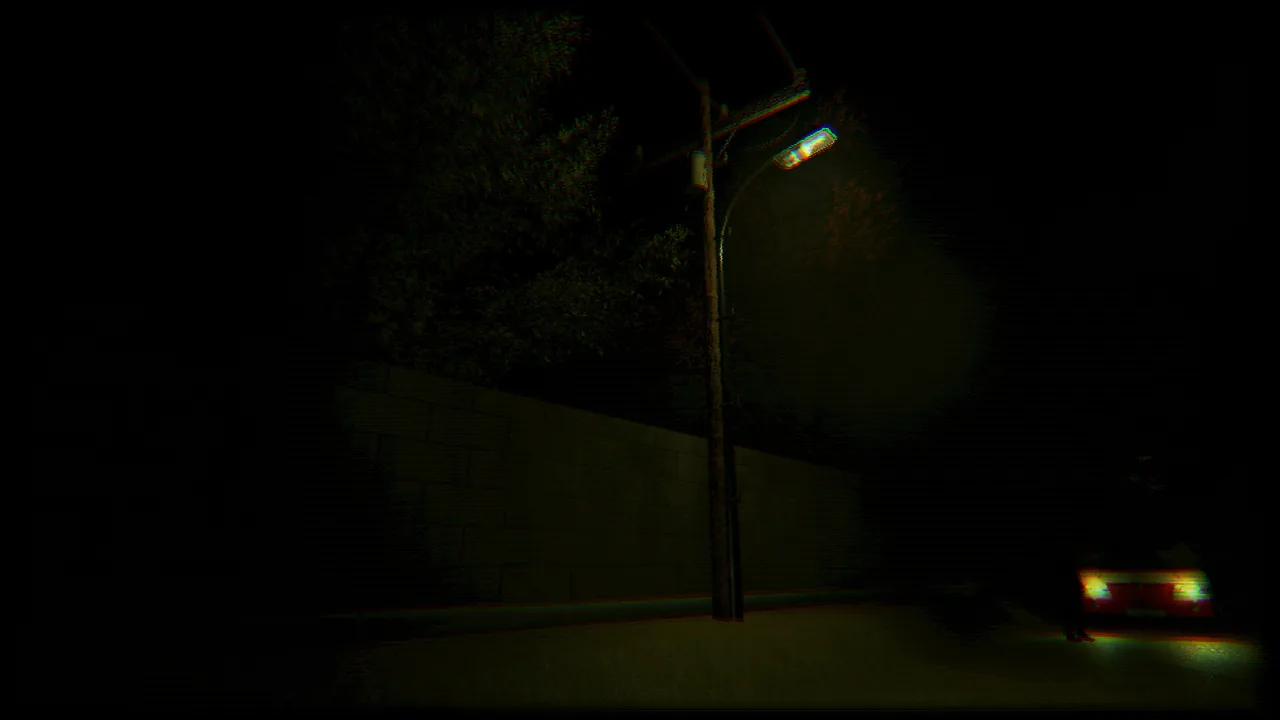
Image: DeepDarkSpot via Steam -
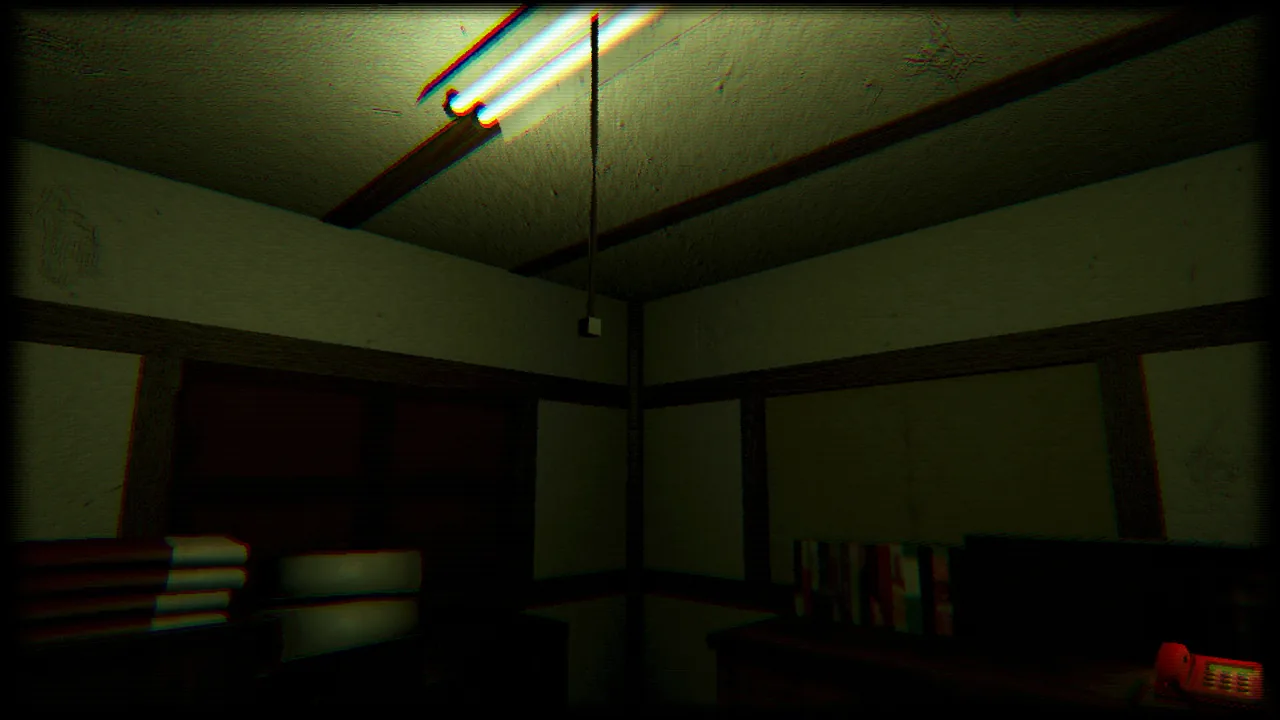
Image: DeepDarkSpot via Steam -
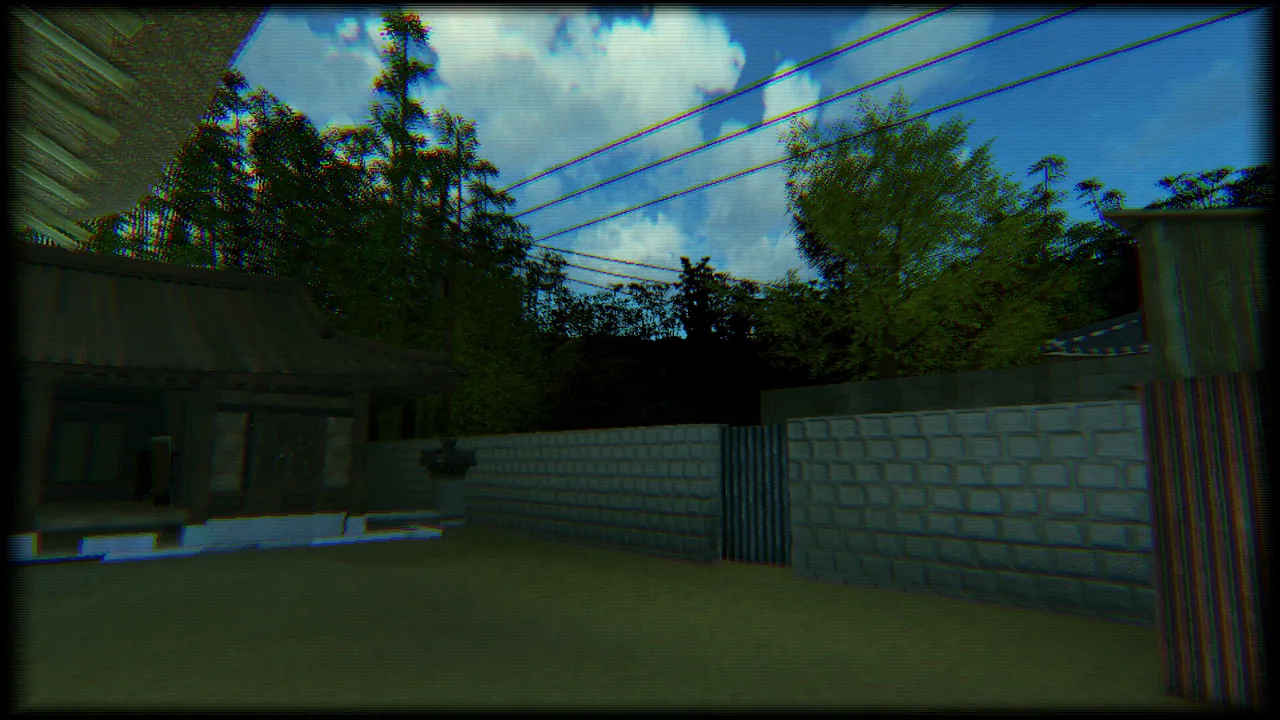
Image: DeepDarkSpot via Steam -
Wanderer Editorial -
Wanderer Editorial -
Wanderer Editorial