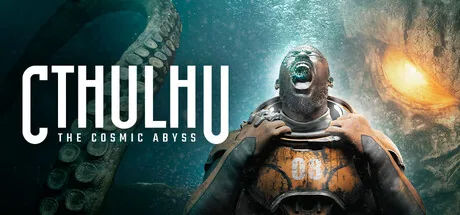
Game review
Cthulhu: The Cosmic Abyss
6 / 10
- Developer
- Big Bad Wolf
- Publisher
- Nacon
- Released
- 16 April 2026
- Platforms
- [Windows]
- Genre
- Adventure
- Monetisation
- $39.99
- Players
- false
The short version
Cthulhu: The Cosmic Abyss has the atmosphere, voice acting, and Lovecraftian storytelling of a genuinely good cosmic-horror investigation game, but a severe, persistent bug problem — including progress-blocking failures reported months after launch — drags it down to a Mixed reception the writing and art direction don't deserve.
Biggest strengths
- Genuinely strong Lovecraftian atmosphere, environments, and voice acting that reviewers across nearly every language in the sample single out as the game's clear strength
- A distinctive dual-resolution deduction mechanic — corrupt or healing outcomes tied to a farmable sanity/corruption meter — that several reviewers describe as a real, well-executed twist on the investigation genre
- A slow-burn story that ties together multiple strands of the Cthulhu Mythos, rewarding players willing to read carefully and think through connections rather than rely on hand-holding
Biggest weaknesses
- A severe, widely-reported bug problem — including a chapter 6 deduction bug that can block story progress entirely — shows up across English, French, German, Russian, Spanish, Italian, Turkish, and Czech reviews well into the game's post-launch life
- Persistent smaller technical issues — a broken cursor requiring a return to the main menu, controls that randomly stop responding, and camera glitches — recur constantly even in otherwise positive reviews
- Developer Big Bad Wolf was reportedly facing closure by publisher Nacon in the months after launch, raising real doubts about the pace and scope of future bug fixes
Who it's for: Patient Lovecraft fans who want a combat-free, deduction-driven investigation game and are willing to tolerate real technical risk, ideally on a deep discount rather than at launch price.
Our recommendation: Wait for a sale
6 / 10
The abyss doesn't need jump scares
Cthulhu: The Cosmic Abyss is a first-person Lovecraftian investigation thriller from developer Big Bad Wolf and publisher Nacon, released April 16, 2026 on Windows for $39.99. Set in 2053, it casts you as Noah, an investigator sent to the sunken city of R'lyeh in the Pacific depths to uncover what happened to a corporate mining crew — and to resist the creeping madness that comes with getting too close to Cthulhu's influence. It landed to a Mixed reception (371 reviews, roughly 57% positive) drawn from a genuinely international sample spanning English, French, German, Russian, Spanish, Italian, Czech, Polish, and Turkish reviewers, and that split score tells an honest story: this is a game whose writing and atmosphere land well ahead of its technical execution.
A slow-burn Mythos story that mostly works
The single most consistent praise in the sample is for atmosphere and storytelling. Reviewers across nearly every language describe the game's environments as huge, cinematic, and genuinely unsettling, and single out the voice acting and sound design — one reviewer specifically praises the game's approach to "crafting the sound of madness" — as well above what a mid-budget licensed Cthulhu game usually delivers. The narrative deliberately withholds information, rewarding players who read carefully, connect clues, and think through implications rather than following a marked trail, and several reviewers explicitly compare the tone favorably to classic detective fiction rather than typical jump-scare horror. This isn't a survival-horror game in the traditional sense — there's no combat at all — and while a portion of the sample went in expecting something closer to a standard horror shooter and came away disappointed, a larger share explicitly praises the choice to build cosmic horror around investigation and dread rather than combat encounters.
An interesting, if divisive, deduction system
Central to the gameplay is a sonar-based investigation loop feeding into a deduction board, where cases resolve toward one of two outcomes — one corrupt, one healing — with the corruption path doubling as a farmable resource that grants permanent stat boosts. Several reviewers single this out as a genuinely novel mechanical hook, turning the game's moral choices into something with real mechanical weight rather than pure flavor text. It's not a universally loved system, though: a meaningful minority, particularly among Russian-language reviewers, describe the sonar-scanning and deduction loop as needlessly padded, repetitive, and — in the words of more than one — simply tedious by the game's back half, with one reviewer calling out the final star-themed puzzle sequence specifically as an exhausting low point. A few reviewers also note that some of the upgrades earned through this loop don't feel like they meaningfully change how later chapters play, undercutting the sense of long-term progression the deduction board is meant to build.
A bug problem that's hard to overstate
The dominant and by far most consistent thread in the negative side of the sample, echoed in nearly every language represented, is technical instability — and this isn't limited to minor launch-week jank. Reviewers posting well into the game's post-launch life continue to report a chapter 6 deduction bug that can leave crucial clue connections missing from the vault entirely, blocking story progress with no known workaround beyond restarting the chapter. Smaller but constant issues recur just as often: a cursor bug that requires returning to the main menu to fix, controls and interactions that stop responding mid-session, camera "stiff-shoulder" glitches, and reports of the game losing hours of progress due to unclear or infrequent autosaves. Even reviewers who ultimately recommend the game frequently do so with explicit bug-related caveats, and several who don't recommend it are explicit that story and atmosphere alone weren't enough to outweigh a broken second half.
An unsettling real-world backdrop
Adding real weight to concerns about future fixes, several reviewers and news posts note that Big Bad Wolf was reportedly facing closure by Nacon in the weeks following launch, amid the publisher's broader financial difficulties. One negative reviewer explicitly cites this reported closure as the deciding factor in a hard "not recommended," arguing that a game this technically unfinished shouldn't be bought on the hope of future patches when the studio's own future is in question. This is a genuinely notable piece of context for anyone weighing whether to buy in now versus waiting to see how much further support the game actually receives — a small paid DLC, the Shining Trapezohedron, has already shipped and is described by at least one reviewer as skippable and thin on Mythos content relative to the base game.
Who should investigate the depths
Cthulhu: The Cosmic Abyss is easiest to recommend to patient, dedicated Lovecraft fans who specifically want a combat-free, deduction-driven investigation game and are willing to accept real technical risk in exchange for genuinely strong atmosphere and writing. It's a much harder recommendation for players expecting a polished, bug-free experience at full price, or for anyone hoping for more traditional survival-horror mechanics — both groups are well represented among the sample's negative reviews, and both complaints are corroborated rather than isolated.
The verdict
Cthulhu: The Cosmic Abyss is a genuinely well-written, beautifully atmospheric Mythos story trapped inside a build that, months after launch, still can't reliably let players reach the end of it. The writing, voice work, and unique deduction system deserve a much better reception than Mixed, but a severe and still-recurring bug problem — compounded by real uncertainty about the developer's future — makes it very hard to recommend at full price right now.
Pros and cons
Pros
- Genuinely strong Lovecraftian atmosphere, environments, and voice acting that reviewers across nearly every language in the sample single out as the game's clear strength
- A distinctive dual-resolution deduction mechanic — corrupt or healing outcomes tied to a farmable sanity/corruption meter — that several reviewers describe as a real, well-executed twist on the investigation genre
- A slow-burn story that ties together multiple strands of the Cthulhu Mythos, rewarding players willing to read carefully and think through connections rather than rely on hand-holding
- No combat or jump-scare gimmicks — a deliberate choice a large share of the sample explicitly appreciates as a more cerebral take on cosmic horror
Cons
- A severe, widely-reported bug problem — including a chapter 6 deduction bug that can block story progress entirely — shows up across English, French, German, Russian, Spanish, Italian, Turkish, and Czech reviews well into the game's post-launch life
- Persistent smaller technical issues — a broken cursor requiring a return to the main menu, controls that randomly stop responding, and camera glitches — recur constantly even in otherwise positive reviews
- Developer Big Bad Wolf was reportedly facing closure by publisher Nacon in the months after launch, raising real doubts about the pace and scope of future bug fixes
- The deduction and sonar-investigation mechanics themselves are divisive — some reviewers call the pacing and repeated steps tedious and overlong, especially in the back half
Screenshots
-
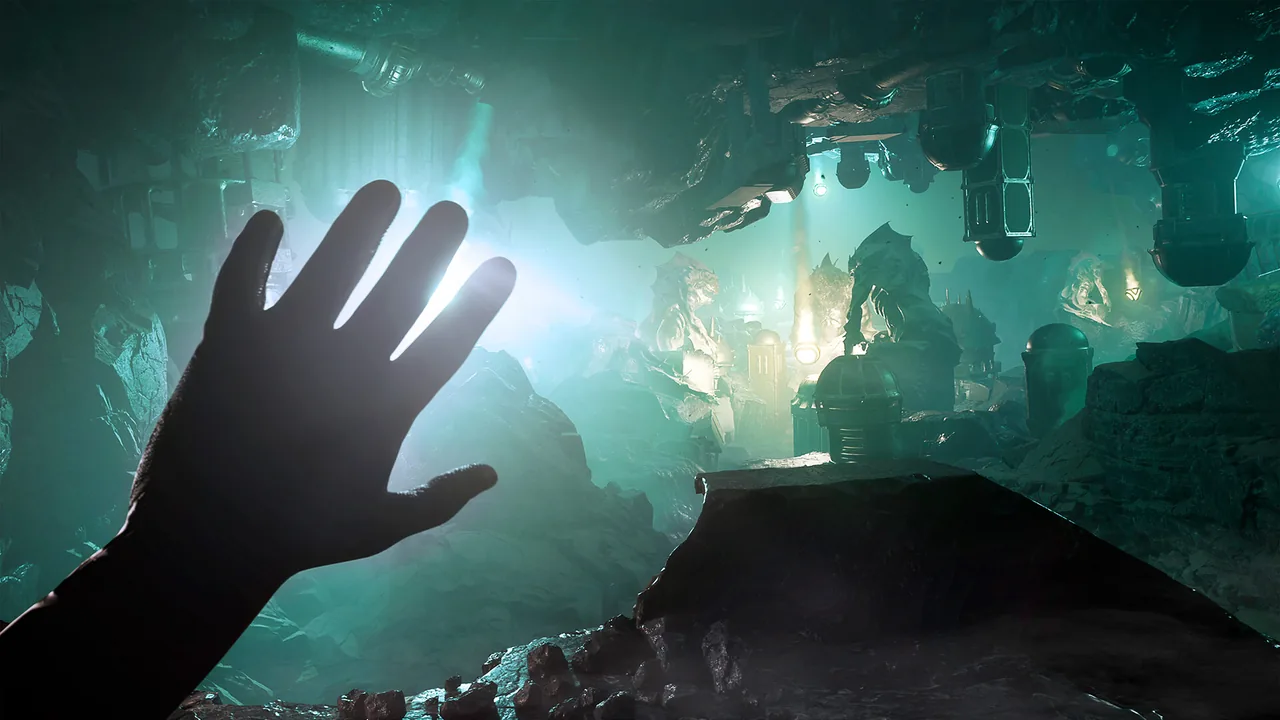
Cthulhu: The Cosmic AbyssImage: Nacon via Steam -
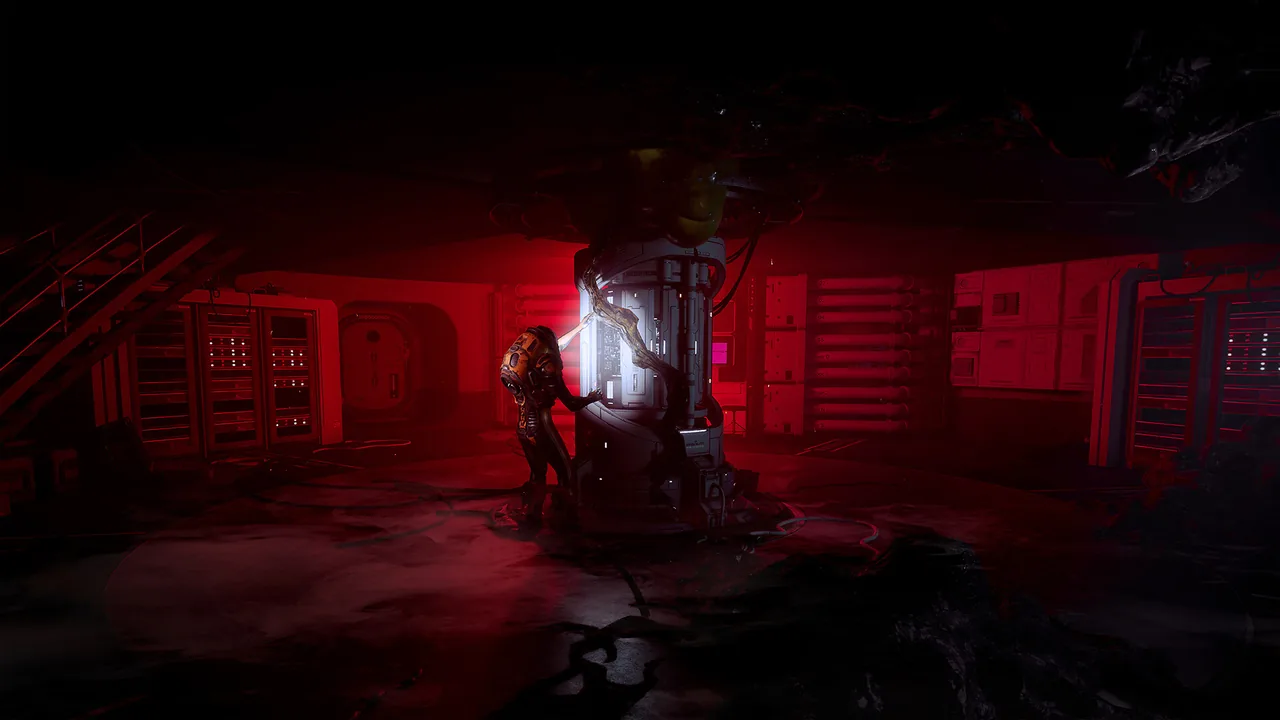
Cthulhu: The Cosmic AbyssImage: Nacon via Steam -
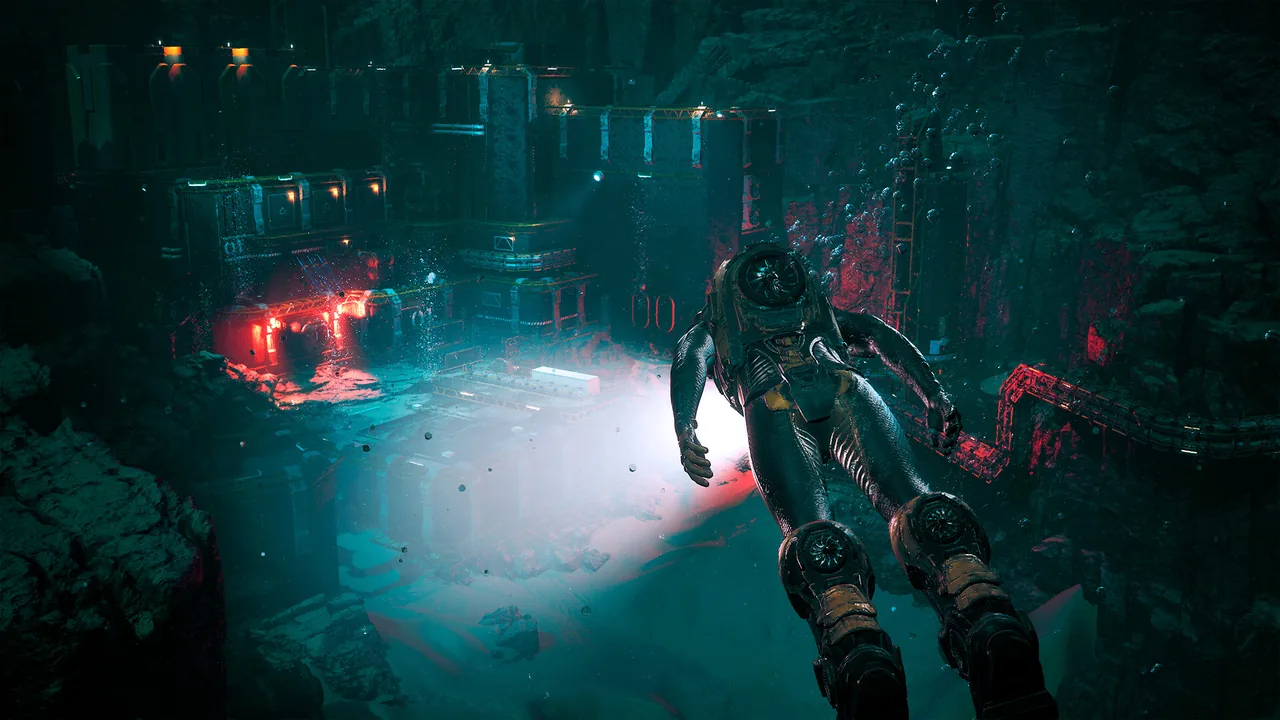
Cthulhu: The Cosmic AbyssImage: Nacon via Steam -
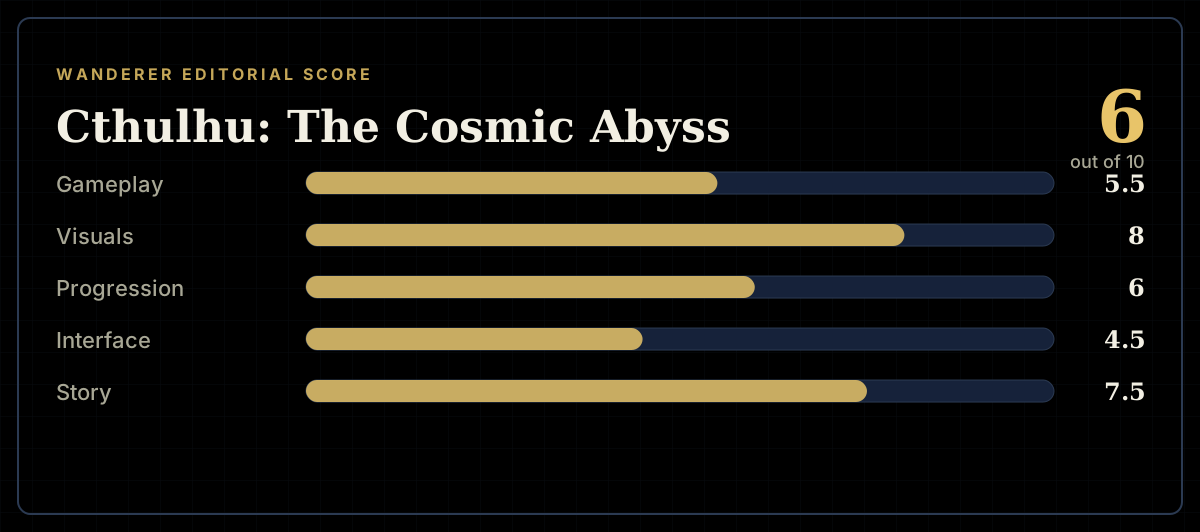
How the review scores each part of the gameWanderer Editorial -
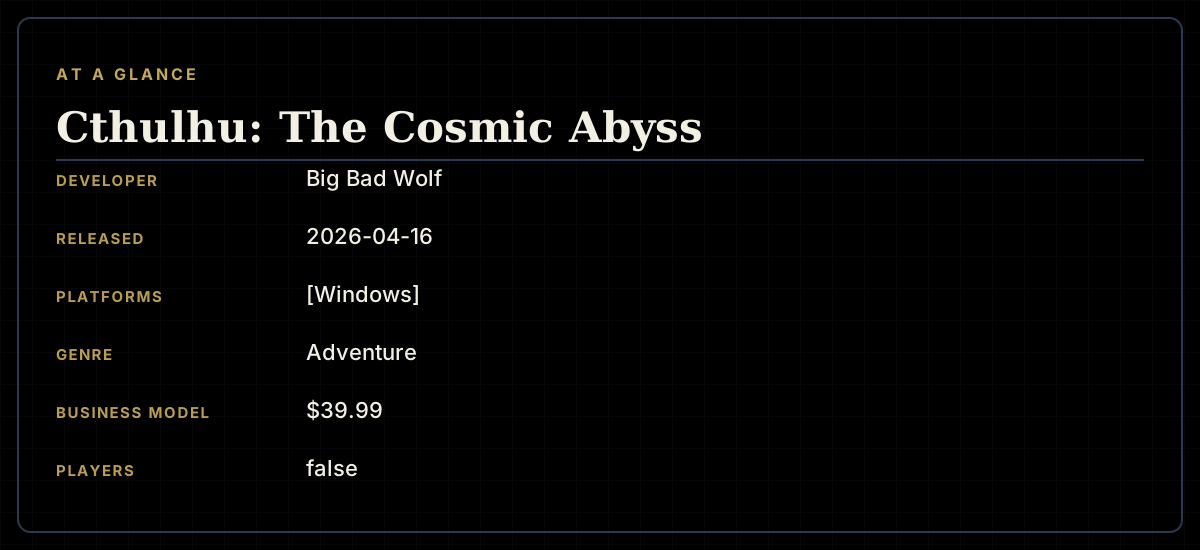
Key facts at a glanceWanderer Editorial -
The short versionWanderer Editorial