
Game review
The Nameless: Slay Dragon
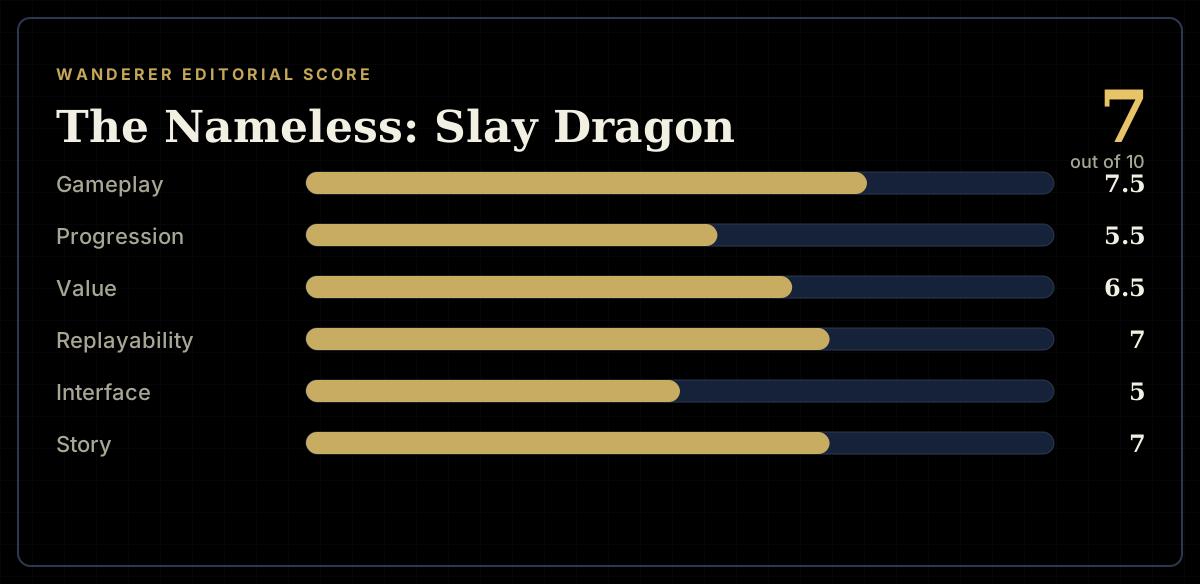
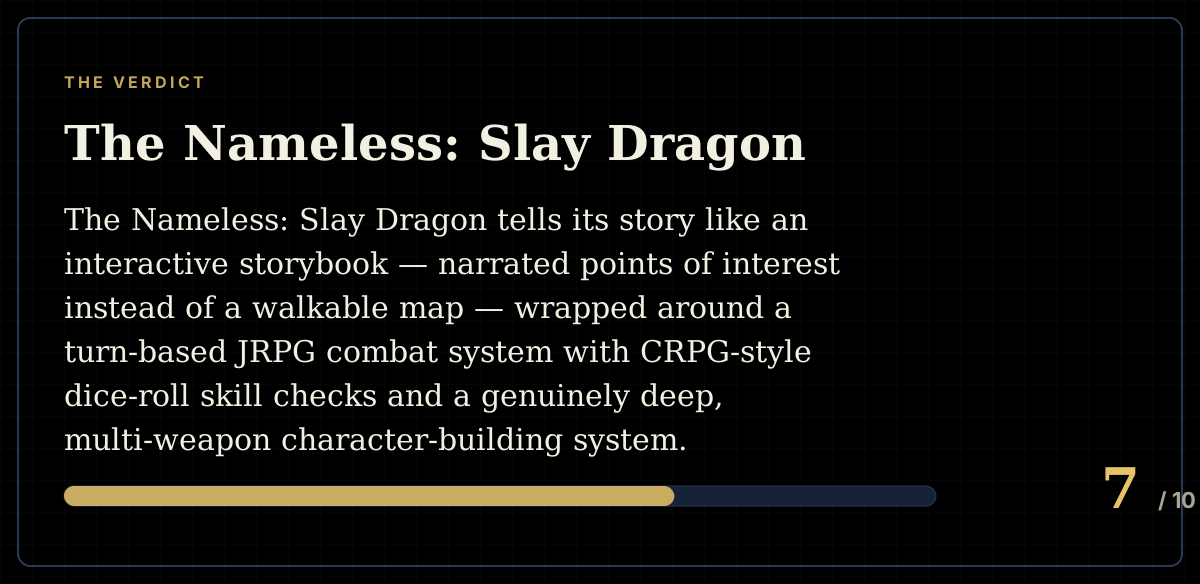
7 / 10
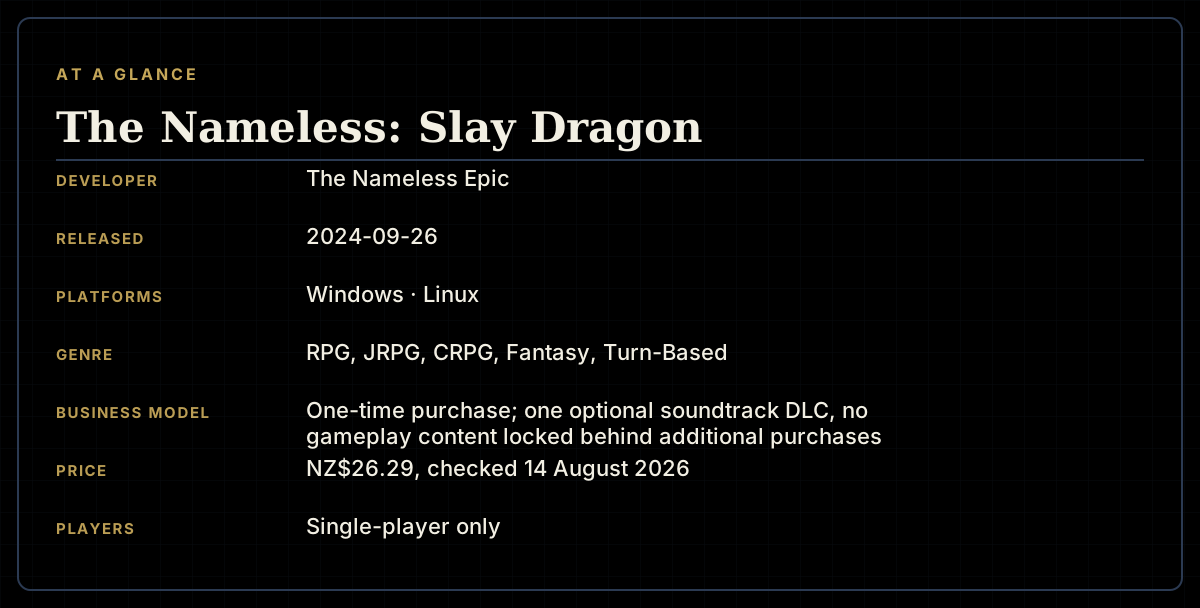
- Developer
- The Nameless Epic
- Publisher
- WhisperGames
- Released
- 26 September 2024
- Platforms
- Windows, Linux
- Genre
- RPG, JRPG, CRPG, Fantasy, Turn-Based
- Monetisation
- One-time purchase; one optional soundtrack DLC, no gameplay content locked behind additional purchases
- Players
- Single-player only
The short version
The Nameless: Slay Dragon tells its story like an interactive storybook — narrated points of interest instead of a walkable map — wrapped around a turn-based JRPG combat system with CRPG-style dice-roll skill checks and a genuinely deep, multi-weapon character-building system. Made by the small studio The Nameless Epic and published by WhisperGames on 26 September 2024, it sits at Very Positive across 182 English-language reviews (93%), and this review's full read of the complete negative sample — all 12 reviews — finds the praise largely earned. The recurring complaints are specific rather than vague: a genuine grind for "potential points" that gate build progression, real UI and crafting bugs including reported soft-locks, and a difficulty curve that several reviewers, cross-checked against Steam's own achievement data, describe as punishing well before the story's midpoint.
Biggest strengths
- A genuinely deep character-building system spanning multiple weapon types, skills, talents, and a "potential points" system, which multiple detailed reviewers specifically credit as the game's strongest feature
- Strong, specific praise for the writing and worldbuilding within its storybook-style presentation, with several reviewers calling the framing device more engaging than they expected
- Real build variety supports multiple playthroughs, and reviewers who completed the game more than once describe genuinely different approaches on repeat runs rather than a cosmetic reset
Biggest weaknesses
- The character-progression system requires grinding "potential points" separately for each weapon type a player wants to use, which one detailed review describes as repeating the same combat encounter 50 to 100 times in a row
- Multiple reviewers report specific interface bugs, including a Smithing menu that reportedly soft-locks the game and an Alchemy screen that fails to register ingredient selection
- Steam's own achievement data shows a steep falloff between the game's first chapter, where top achievements sit at 56-94% of players, and its second and third chapters, where most achievements fall under 10% — consistent with reviews describing a difficulty and grind wall partway through the story
Who it's for: JRPG and CRPG fans specifically drawn to deep, systems-heavy character building and willing to tolerate real jank and a demanding grind to get there; a poor fit for players wanting a polished interface or an easy difficulty curve.
Our recommendation: A genuinely inventive, systems-rich RPG from a small studio, let down by interface rough edges and a grind that becomes the price of admission for its best ideas — worth it for genre fans prepared to push through both.
7 / 10
Introduction
The pitch for The Nameless: Slay Dragon is right there in the title: a young man with a blood feud against an immensely powerful, cunning dragon, working through allies, enemies, and a deep character-building system to get strong enough to end it. What makes it distinctive isn't the premise — it's the presentation. Instead of walking a character across a map, players move between narrated points of interest, each one a short storybook passage that resolves into combat, a skill check, or a story beat. Made by the small studio The Nameless Epic and published by WhisperGames on 26 September 2024, it has built a genuinely strong reputation since: Very Positive across 182 English-language reviews. This review reads every one of the 12 negative reviews in that sample in full, and finds a game whose praise holds up under scrutiny, alongside a specific, real set of rough edges rather than vague genre grumbling.
A storybook wrapped around real systems depth
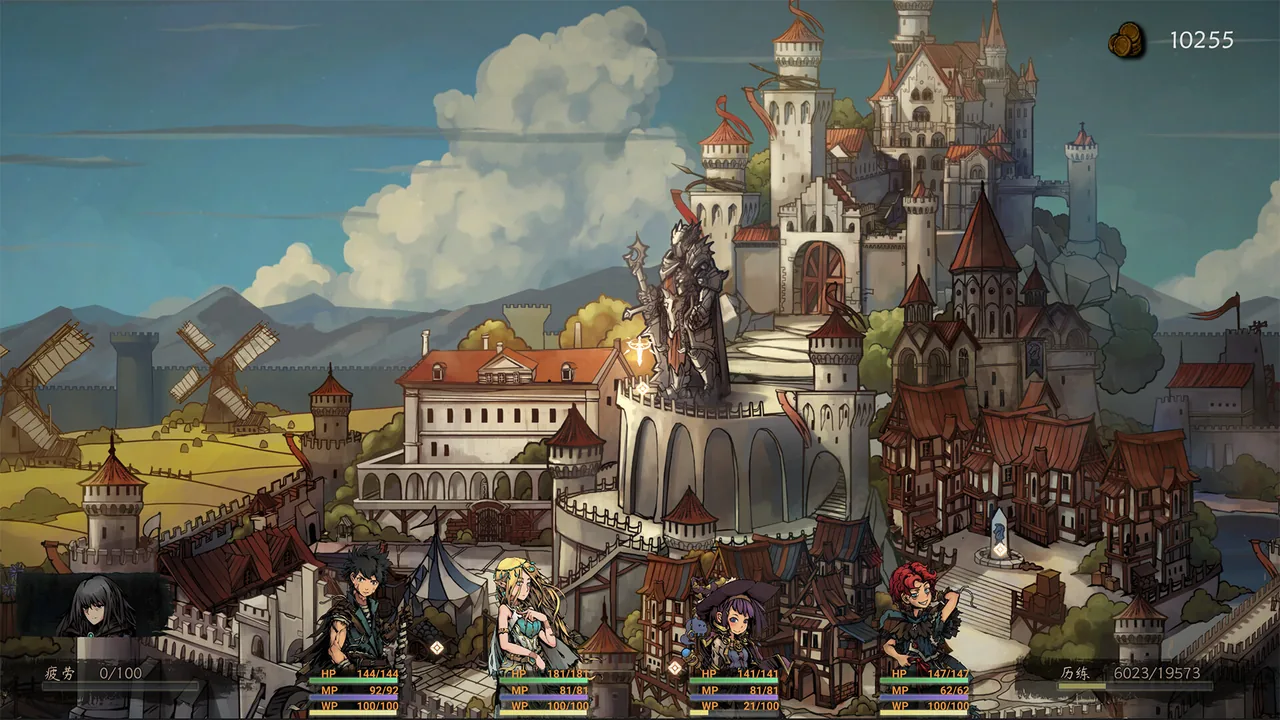
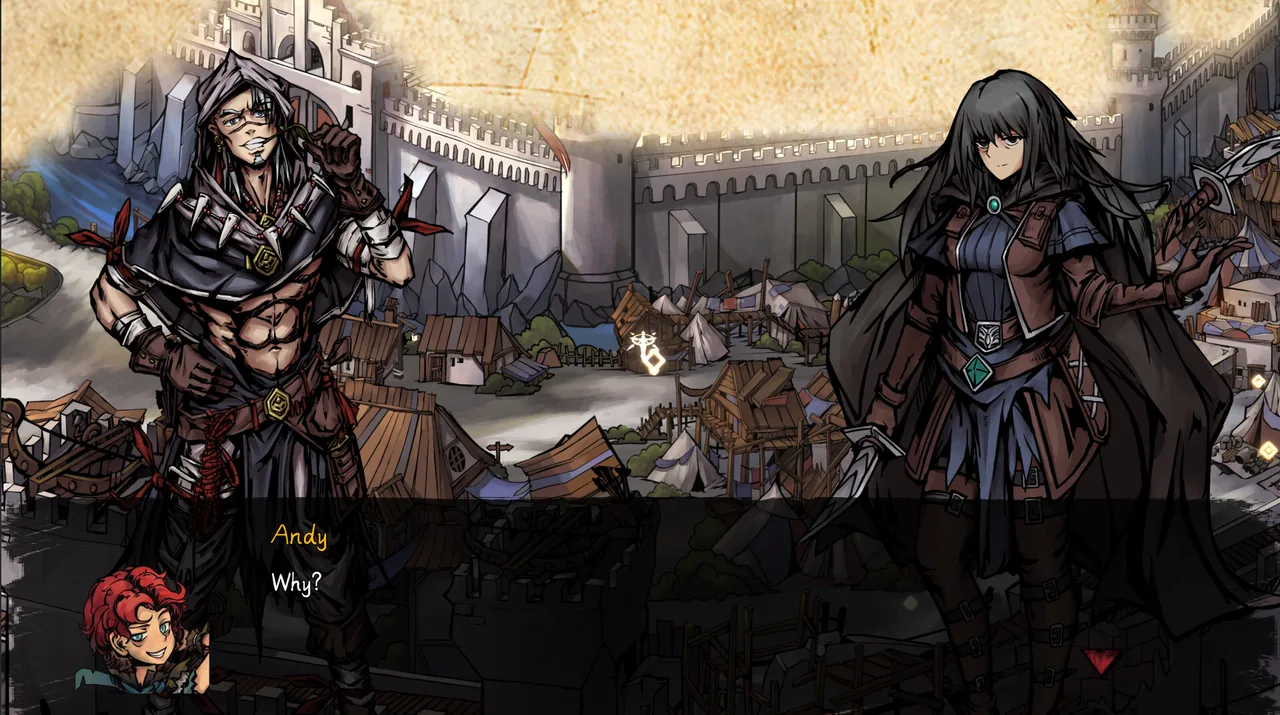
The framing device draws mixed first reactions — more than one reviewer admits skepticism about an RPG told through narrated vignettes rather than an explorable map — but the consensus among detailed positive reviews is that it works better than expected, with the writing and worldbuilding specifically praised as more engaging than the format suggests going in. Underneath that presentation sits a much crunchier RPG than the storybook framing implies: multiple weapon types, skills, talents, and a "sparks" and "potential points" progression system that several reviewers describe as the best reason to play. One detailed review calls it "fully customizable," citing independent skill, attribute, and talent trees; another, comparing it to fellow small-studio release ASTLIBRA, specifically returned for a fourth playthrough to chase a highest-difficulty achievement. That's a meaningful signal for a 20-30 hour game from a small team — several reviewers report multiple genuinely different completed playthroughs rather than one run and a shelf.
The grind that gates the good part
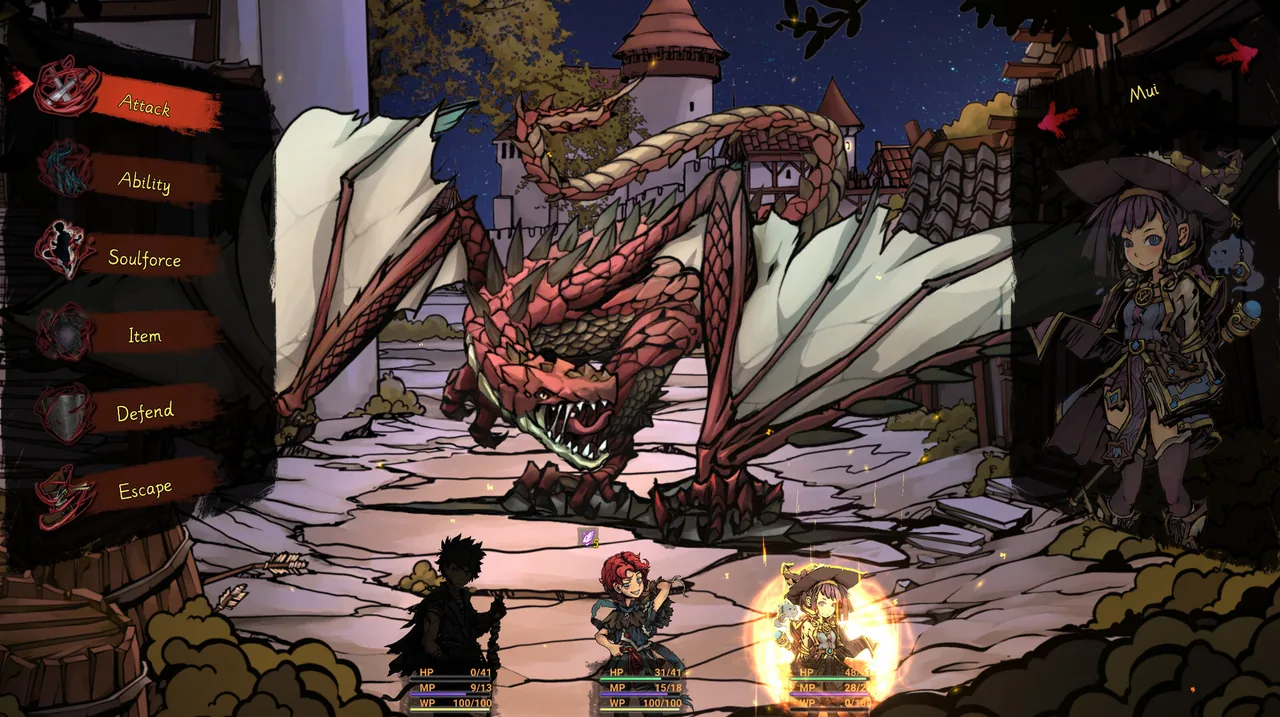
The clearest, most specific complaint in the negative sample is also the fairest one to take at face value: getting access to that deep character-building system means grinding. One detailed review describes needing to farm "potential points" separately for each weapon type a player wants to build around — sword, lance, axe, bow, dagger — meaning the same combat encounter gets repeated "50 or 100 times in a row" to unlock a different weapon's full potential. That's not a complaint about the systems being shallow; it's the opposite problem, a system deep enough that fully engaging with it demands real repetition. Whether that repetition feels earned or tedious seems to depend heavily on how much a given player enjoys the moment-to-moment combat, which most reviewers rate positively on its own terms.
Bugs that are specific enough to matter
Several negative reviews report concrete, reproducible interface and crafting problems rather than vague instability. One reviewer describes a Smithing menu that cannot be exited without restarting the game entirely — a genuine soft-lock — and a separate Alchemy screen that fails to register ingredient selection at all. Another reports tooltips rendering off the bottom of the screen on both Windows and Linux, meaning core information about what an action actually does simply isn't visible. A different reviewer reports being unable to change screen resolution or scale the UI on a multi-monitor setup, later updating their review to note the developers couldn't reproduce the issue on their end — worth noting as a real but apparently hardware-specific bug rather than a universal one. None of these are performance complaints in the traditional sense; they're specific functional bugs in systems the game's own depth depends on.
Where the story gets hard, and where players stop
Cross-checking the difficulty complaints against Steam's own achievement data tells a consistent story. The Nameless: Slay Dragon's achievements are named by chapter and step, and sorting them that way recovers a clean story-progress curve: the top Chapter 1 achievements sit between 56% and 94% of all players, but Chapter 2 and Chapter 3 achievements fall off a cliff, with most sitting under 10%. That lines up precisely with reviews describing a real difficulty and grind wall somewhere past the opening hours — including specific reports of enemy AI concentrating all their attacks on a single party member for what feels like a near-guaranteed kill, and exploration checks described as luck-driven in a way that compounds rather than evens out over a run. This isn't a majority complaint in the review sample, but it's specific and it's corroborated by data the developer didn't write.
Final Verdict
The Nameless: Slay Dragon earns its Very Positive rating on the strength of a genuinely distinctive premise executed with real systems depth — the character-building alone gives it staying power a lot of similarly priced RPGs don't have. What keeps this review from scoring it higher is that the negative sample's complaints, while a small minority of the total, are specific and credible rather than the usual noise: real interface bugs in systems central to the game's appeal, a grind that some players will find rewarding and others punishing, and a difficulty curve the game's own achievement data confirms turns sharply partway through. JRPG and CRPG fans who want deep build variety and can tolerate real jank should try the free demo first, exactly as several of its own positive reviewers recommend, and go in expecting to earn the game's best systems through repetition rather than have them handed over early.
Pros and cons
Pros
- A genuinely deep character-building system spanning multiple weapon types, skills, talents, and a "potential points" system, which multiple detailed reviewers specifically credit as the game's strongest feature
- Strong, specific praise for the writing and worldbuilding within its storybook-style presentation, with several reviewers calling the framing device more engaging than they expected
- Real build variety supports multiple playthroughs, and reviewers who completed the game more than once describe genuinely different approaches on repeat runs rather than a cosmetic reset
- A free demo is available directly on the store page, and multiple reviewers specifically recommend trying it first given the game's distinctive, divisive presentation style
Cons
- The character-progression system requires grinding "potential points" separately for each weapon type a player wants to use, which one detailed review describes as repeating the same combat encounter 50 to 100 times in a row
- Multiple reviewers report specific interface bugs, including a Smithing menu that reportedly soft-locks the game and an Alchemy screen that fails to register ingredient selection
- Steam's own achievement data shows a steep falloff between the game's first chapter, where top achievements sit at 56-94% of players, and its second and third chapters, where most achievements fall under 10% — consistent with reviews describing a difficulty and grind wall partway through the story
- Reviewers report specific difficulty spikes, including enemies capable of one-shotting party members through unpredictable AI targeting, and separately describe some of the game's exploration checks as luck-driven in ways that compound rather than self-correct
- At least one reviewer reports being unable to change screen resolution or scale the UI, and a small number of other interface complaints about tooltips rendering off-screen recur across the sample
Screenshots
-
The Nameless: Slay DragonImage: WhisperGames via Steam -
The Nameless: Slay DragonImage: WhisperGames via Steam -
The Nameless: Slay DragonImage: WhisperGames via Steam -
How the review scores each part of the gameWanderer Editorial -
The essentials at a glanceWanderer Editorial -
The short versionWanderer Editorial