Game review
The Last Cat in the Universe Review: A Tiny Incremental That Will Wreck You
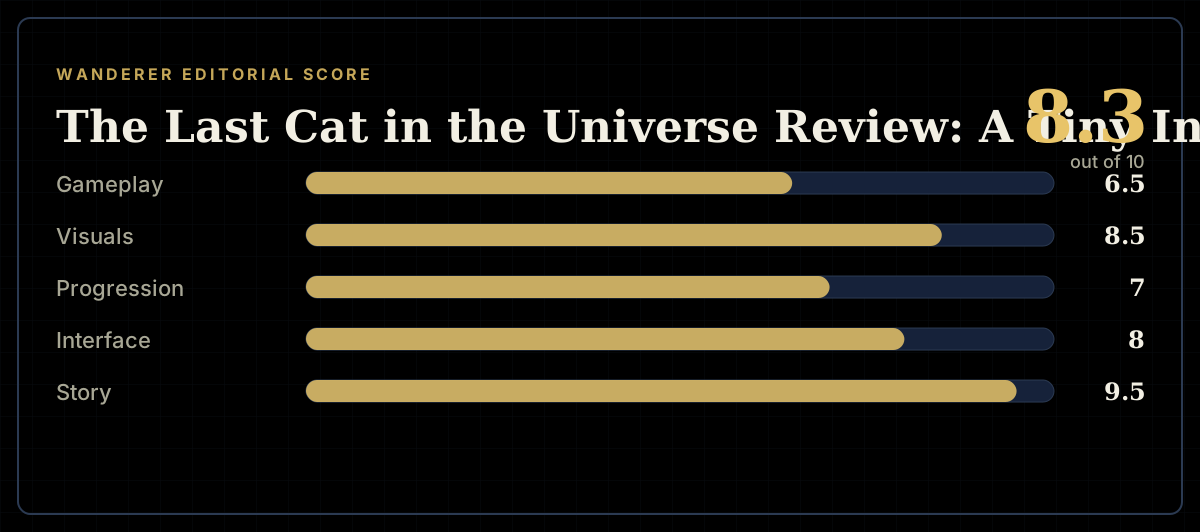
8.3 / 10
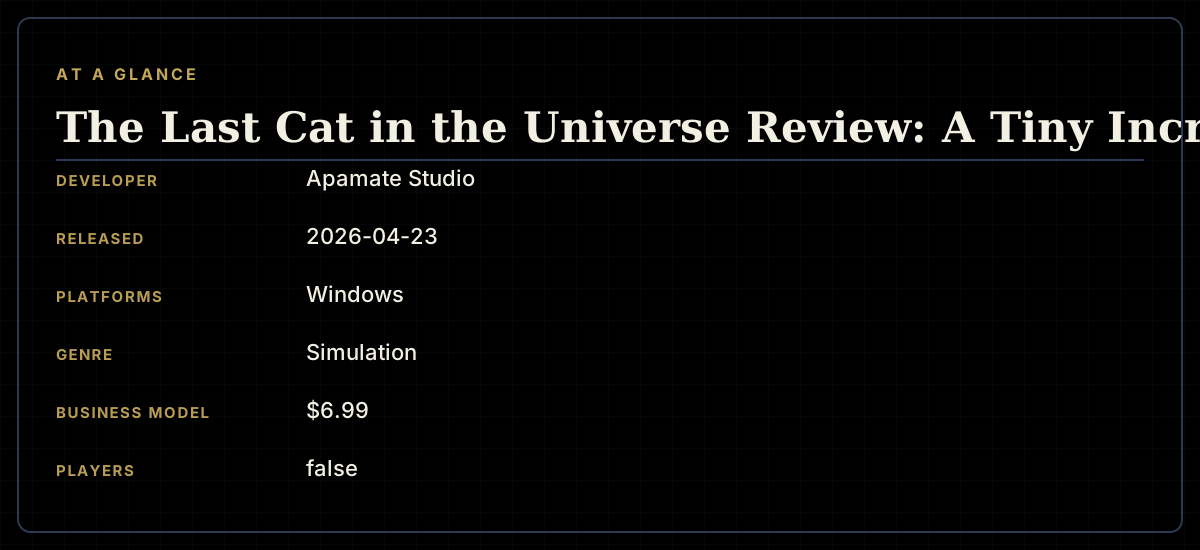
- Developer
- Apamate Studio
- Publisher
- Apamate Studio
- Released
- 23 April 2026
- Platforms
- Windows
- Genre
- Simulation
- Monetisation
- $6.99
- Players
- false
The short version
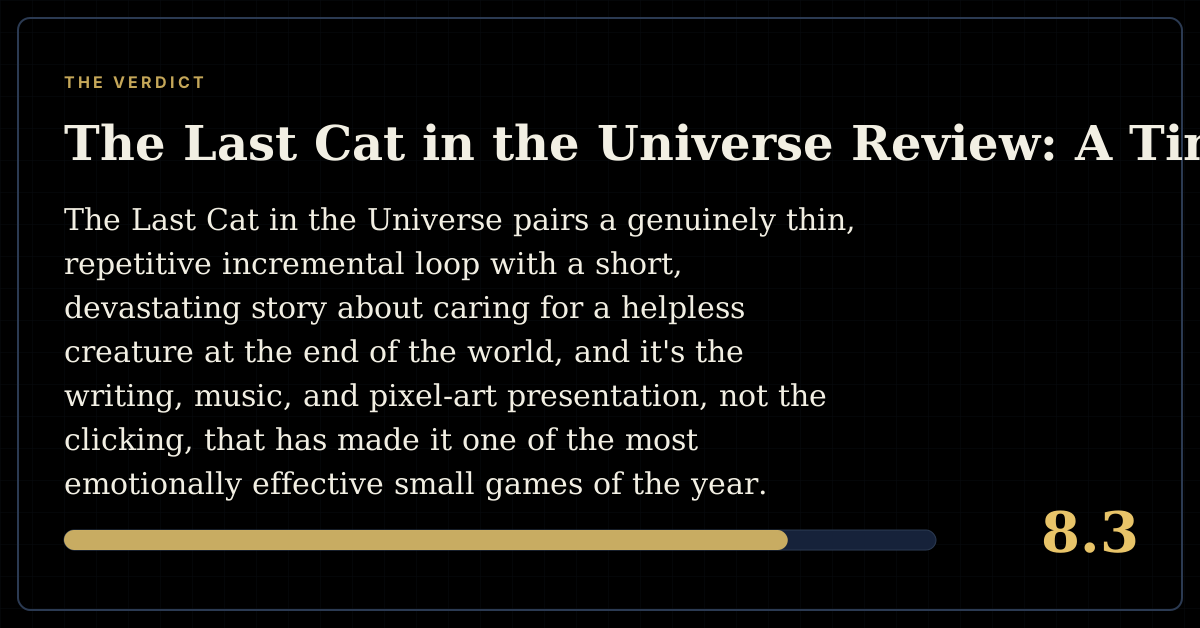
The Last Cat in the Universe pairs a genuinely thin, repetitive incremental loop with a short, devastating story about caring for a helpless creature at the end of the world, and it's the writing, music, and pixel-art presentation, not the clicking, that has made it one of the most emotionally effective small games of the year.
Biggest strengths
- A short, focused narrative that an overwhelming majority of reviewers describe as genuinely tear-jerking, built around the relationship between a ship's AI and its last surviving cat
- A distinctive pixel-art presentation paired with an original score co-composed by Venezuelan singer-songwriter Diora Salazar, which reviewers single out as the emotional backbone of the game
- A relaxed, low-pressure mining mechanic built around hovering rather than frantic clicking, making it easy to unwind into over a single sitting
Biggest weaknesses
- The core incremental loop is very bare on its own merits, and some reviewers feel disconnected from the story while grinding through repetitive debris-clearing runs
- A noticeable mid-game plateau requires several near-identical runs back to back before the next story beat or upgrade unlocks, which a number of reviewers single out as the low point of the pacing
- Interaction with the cat itself is limited to simple maintenance actions like feeding and litterbox upkeep rather than any direct play or affection mechanic, which disappointed players expecting a pet-sim layer
Who it's for: A strong fit for anyone who enjoys short, story-driven incremental games and doesn't mind a little heartbreak with their coffee break; a weaker fit for players who want a deep or mechanically rich incremental system, since the gameplay here is deliberately minimal and exists mainly to carry the narrative.
Our recommendation: Buy it
8.3 / 10
A premise stripped down to its essentials
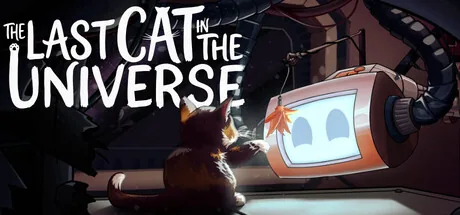
The Last Cat in the Universe opens with almost nothing: you are an AI aboard a space station, humanity is gone, and the only living thing left aboard is a small, frightened cat. Your one instruction is to take care of her. Apamate Studio doesn't complicate that pitch. There's no branching dialogue tree, no faction system, no combat. The entire two-to-three-hour experience is built around a single, escalating question: can you keep this one creature alive and comfortable as the ship around you continues to fall apart?
That restraint is the game's biggest strength and, for a portion of its audience, its biggest weakness. Reviewers who came in expecting a deep incremental system with sprawling upgrade trees and dozens of hours of content are not the target audience here, and several say so plainly. But for players willing to meet the game on its own terms, that same narrow focus is what makes the ending land as hard as it does.
The incremental loop is thin, and the game knows it
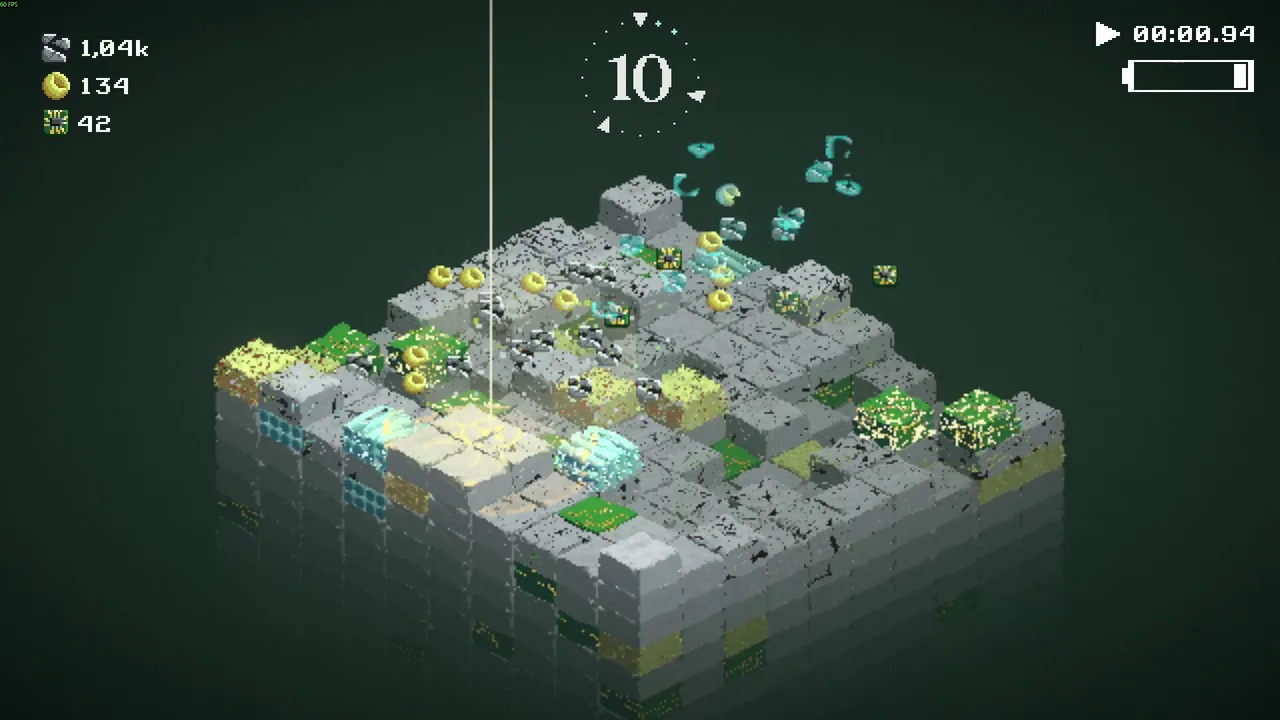
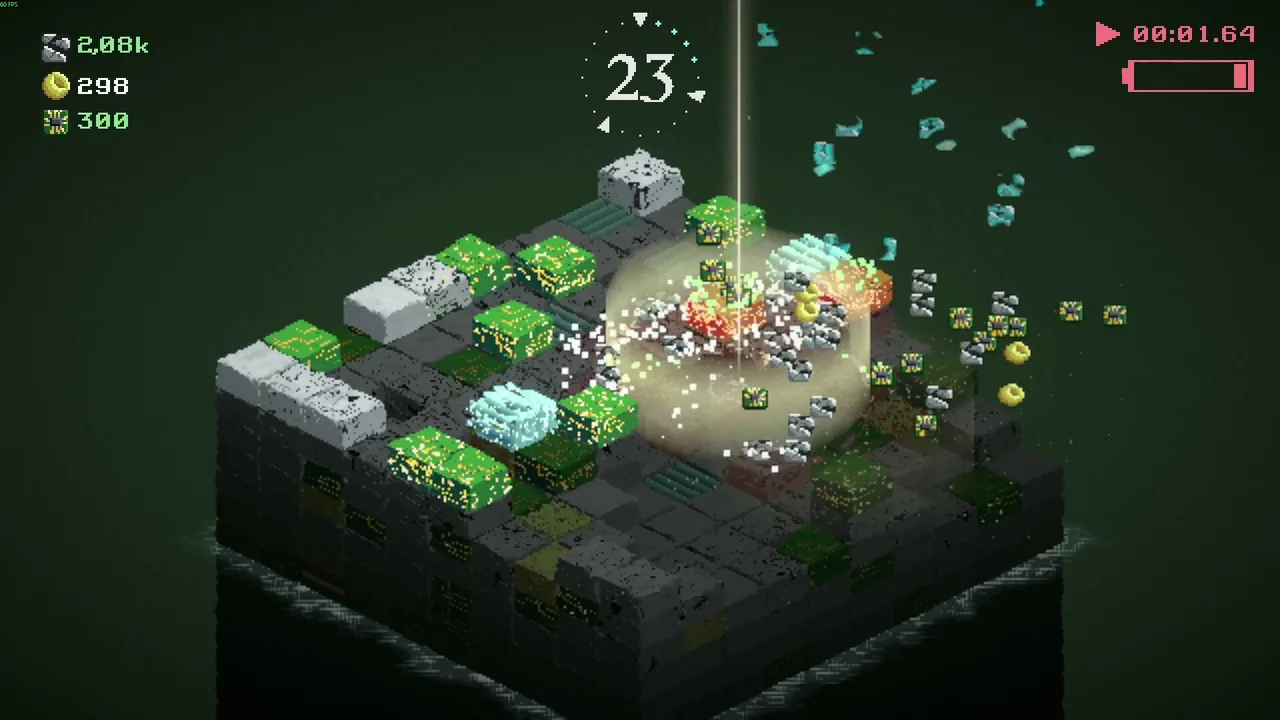
Mechanically, The Last Cat in the Universe is an incremental game in the loosest sense. You hover your cursor over fields of debris to mine salvage, spend that salvage on upgrades that let you tear through deeper, richer layers of wreckage, and use the proceeds to keep the ship's life support and the cat's nest running. It's a deliberately relaxed system, more about a steady rhythm of movement than the frantic clicking that defines a lot of the genre, and reviewers consistently describe it as soothing rather than demanding.
The trouble is that the loop doesn't have much depth to fall back on when the story slows down. A handful of reviewers point to a stretch in the middle of the game where three or four nearly identical mining runs are required before the next upgrade or story fragment unlocks, and without a strong narrative hook in that moment, the repetition becomes the whole experience. One reviewer summed it up as feeling "entirely disconnected" from the story during those stretches, and it's a fair criticism: this is not a game where the incremental systems and the narrative reinforce each other so much as alternate with one another.
Apamate Studio was evidently aware of this tension and chose to keep the runtime short rather than pad it out. The developer explicitly frames the game as a two-to-three-hour, one-or-two-sitting experience with no infinite prestige loop and no idle grinding, and most reviewers credit that restraint even when they wish the middle stretch moved a little faster.
A story that reviewers describe, unanimously, as devastating
Where The Last Cat in the Universe earns its Overwhelmingly Positive standing is in its writing. Across dozens of reviews, a striking pattern repeats: players who went in expecting a light, cozy incremental about a cute cat came out in tears, several noting they cried through the entire final act. One reviewer described crying "too hard to close the game." Another wrote that two friends sitting nearby ended up bawling alongside them by the end. This isn't a case of a handful of outlying emotional reactions; it's close to the dominant sentiment across the review base.
The story is told through scattered logs and fragments of a recurring lullaby that the player pieces together over the course of the run, gradually revealing what happened to the station's crew and why this particular cat matters so much. It's not an especially long or structurally surprising story by the standards of narrative fiction generally, and a few reviewers note as much, but the execution, paced against the slow decay of the ship and set to an original score, consistently lands regardless.
That score deserves specific credit. It was composed in collaboration with Venezuelan singer-songwriter Diora Salazar, who is credited alongside Apamate Studio as a contributing developer, and reviewers repeatedly single it out as doing as much emotional heavy lifting as the writing itself, building from quiet, meditative loops early on into a much more overt emotional swell by the closing act.
The cat itself is more symbol than pet
One recurring disappointment among the minority of negative reviews concerns the cat. Despite being the game's namesake and emotional anchor, direct interaction with her is limited to simple maintenance actions: feeding her and keeping her litterbox clean. There's no petting mechanic, no play interaction, no way to directly express affection beyond keeping the systems around her running. Players who came in hoping for even a light pet-sim layer, something closer to feeding and playing with a companion directly, describe this as a missed opportunity, with one reviewer calling it "weird" that you never actually get to interact with the cat you're saving.
It's a fair critique, though it also reflects the game's central thesis rather than undermining it: your care for this creature is expressed entirely through the unglamorous, structural work of keeping a dying ship's life support running, not through affectionate gestures. Whether that reads as a deliberate thematic choice or a missed mechanical opportunity likely depends on what kind of game you came in expecting.
Presentation that outperforms its budget
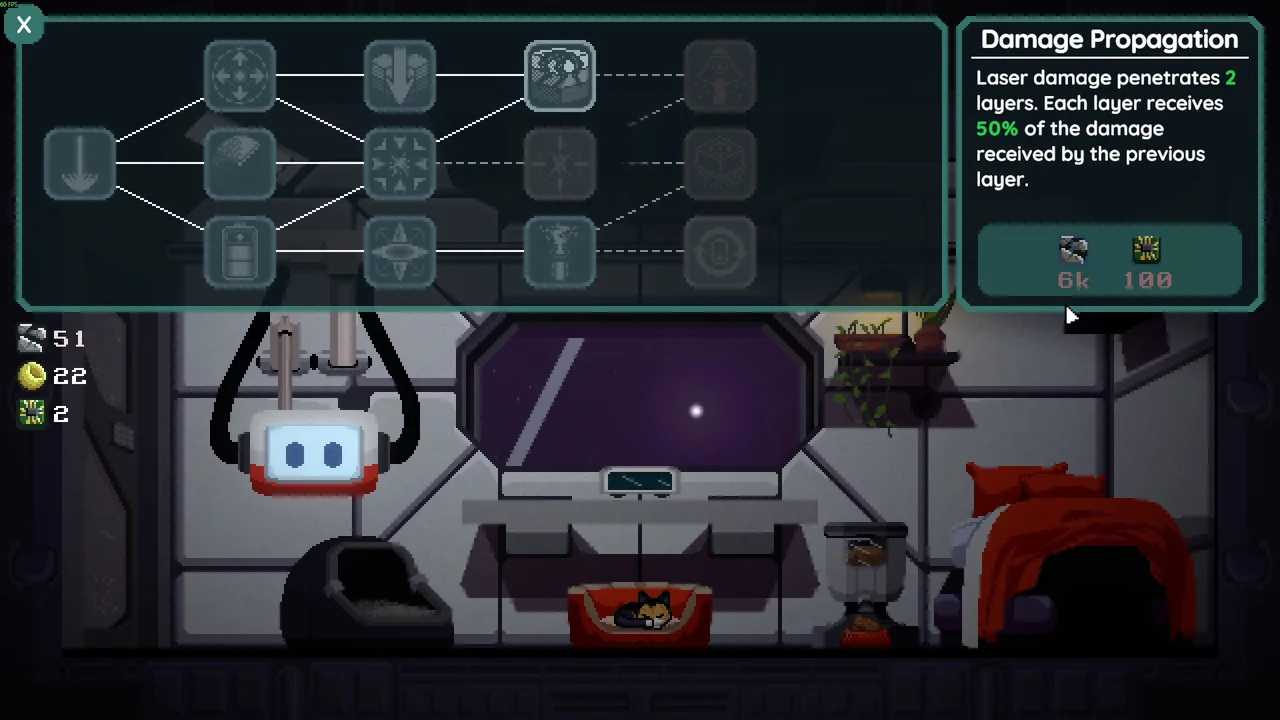
Visually, The Last Cat in the Universe leans on a clean, evocative pixel-art style, most memorably in a looping animation of the station's central screen slowly lighting up with a pair of blinking eyes, and a skill tree that visibly grows and fills in as you progress. None of it is technically ambitious, but it's consistently well-composed, and paired with the soundtrack it does a lot to make a mechanically simple game feel considered and complete rather than sparse.
The game supports Steam Achievements, Steam Cloud saves, custom volume controls, and accessibility options including a mouse-only control scheme and the ability to play without timed input, which matters given how much of the experience leans on players sitting with a scene rather than reacting quickly to it. It's Windows-only at launch, with no Mac or Linux support listed.
Who this is actually for
At $6.99, The Last Cat in the Universe is easy to recommend to anyone who enjoys short, story-driven indie games and doesn't mind the incremental mechanics being a vehicle for the narrative rather than the main event. It sits closer in spirit to a visual novel with an incremental coat of paint than to a traditional idle game, and reviewers who go in with that expectation come away overwhelmingly satisfied, frequently blindsided by how hard the ending hits. If you specifically want a deep, mechanically rich incremental game with dozens of hours of systems to master, this isn't it, and the developer never pretends otherwise. For everyone else, it's a small, focused, well-composed piece of interactive fiction that more than earns its Overwhelmingly Positive standing.
Pros and cons
Pros
- A short, focused narrative that an overwhelming majority of reviewers describe as genuinely tear-jerking, built around the relationship between a ship's AI and its last surviving cat
- A distinctive pixel-art presentation paired with an original score co-composed by Venezuelan singer-songwriter Diora Salazar, which reviewers single out as the emotional backbone of the game
- A relaxed, low-pressure mining mechanic built around hovering rather than frantic clicking, making it easy to unwind into over a single sitting
- A tightly scoped two-to-three-hour runtime that respects its premise instead of padding it out with infinite prestige loops or idle grinding
- A fair $6.99 price for a complete, self-contained experience with a definite beginning, middle, and end
Cons
- The core incremental loop is very bare on its own merits, and some reviewers feel disconnected from the story while grinding through repetitive debris-clearing runs
- A noticeable mid-game plateau requires several near-identical runs back to back before the next story beat or upgrade unlocks, which a number of reviewers single out as the low point of the pacing
- Interaction with the cat itself is limited to simple maintenance actions like feeding and litterbox upkeep rather than any direct play or affection mechanic, which disappointed players expecting a pet-sim layer
- As an intentionally short, linear experience, it offers essentially no replay value once the story has been seen through to its ending
Screenshots
-
The Last Cat in the UniverseImage: Apamate Studio via Steam -
The Last Cat in the UniverseImage: Apamate Studio via Steam -
The Last Cat in the UniverseImage: Apamate Studio via Steam -
How the review scores each part of the gameWanderer Editorial -
Platform and release detailsWanderer Editorial -
The short versionWanderer Editorial