Game review
The Almost Gone
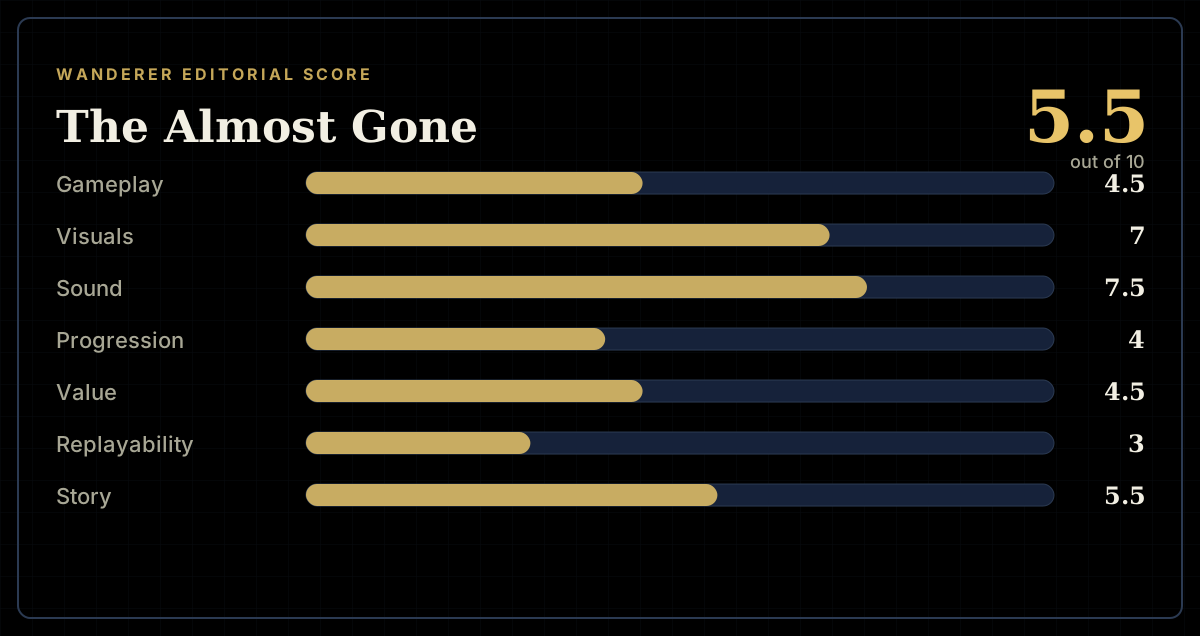
5.5 / 10
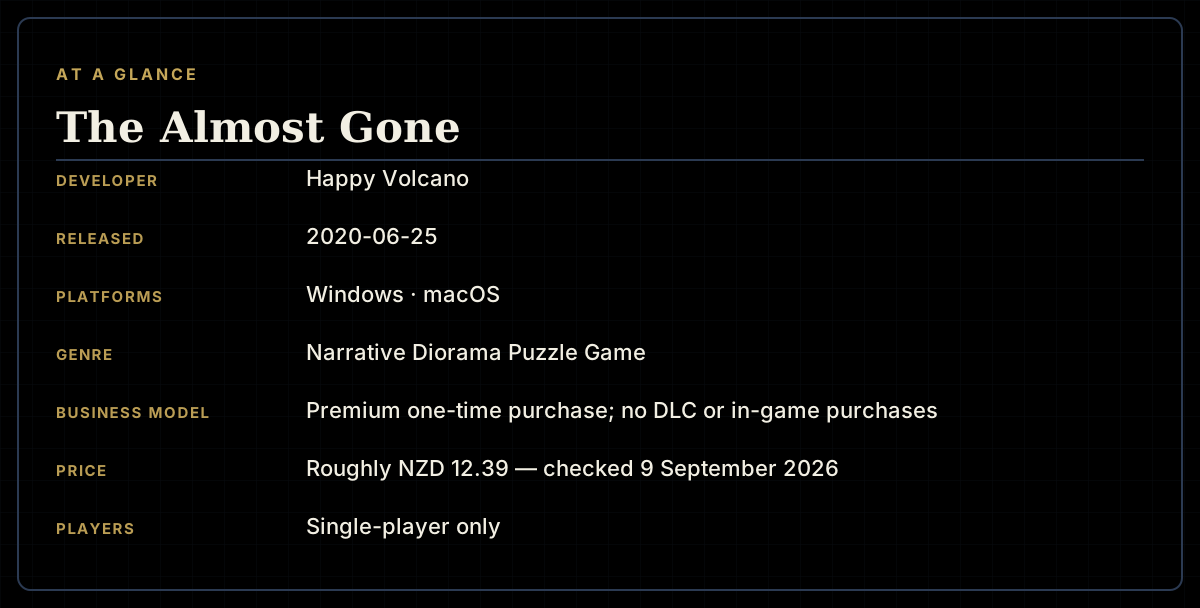
- Developer
- Happy Volcano
- Publisher
- Happy Volcano, XD
- Released
- 25 June 2020
- Platforms
- Windows, macOS
- Genre
- Narrative Diorama Puzzle Game
- Monetisation
- Premium one-time purchase; no DLC or in-game purchases
- Players
- Single-player only
The short version
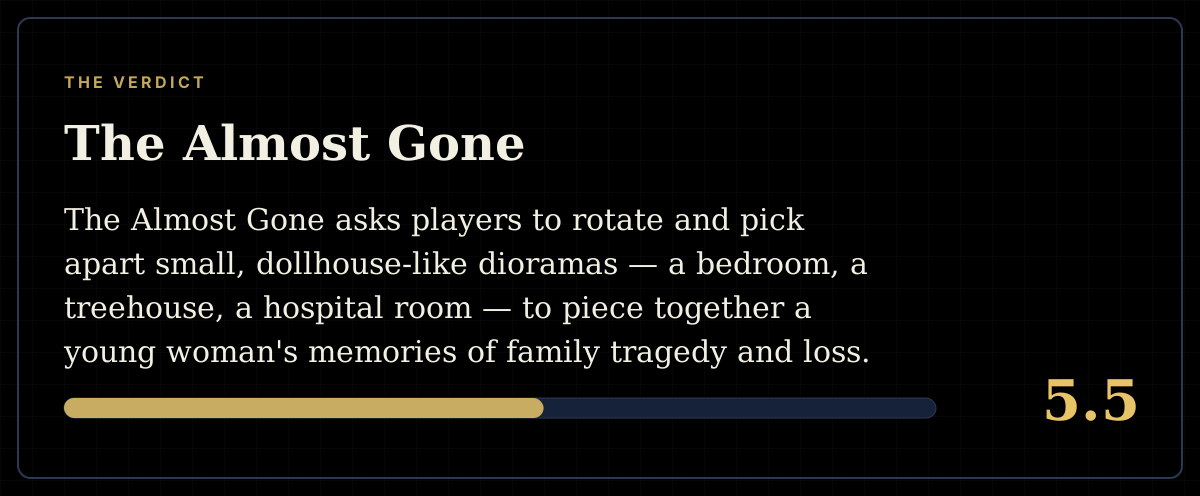
The Almost Gone asks players to rotate and pick apart small, dollhouse-like dioramas — a bedroom, a treehouse, a hospital room — to piece together a young woman's memories of family tragedy and loss. The atmosphere and music land for a real share of its audience, some of whom describe being genuinely moved. A comparably large share reports the opposite experience: a story that stays too vague to actually resolve, puzzle mechanics that feel more fiddly than clever, and a set of achievements — including one requiring the game sit idle for thirty minutes and another for five hours — that multiple independent reviewers single out as actively souring an otherwise middling-to-positive impression.
Biggest strengths
- The core diorama mechanic, rotating and examining small dollhouse-like scenes to uncover hidden details and progression paths, is repeatedly described as a genuinely novel and visually distinctive way to explore a puzzle space
- Atmosphere and sound design draw real, specific praise, with the music in particular called haunting and appropriately melancholic by multiple reviewers
- The willingness to engage directly with heavy subject matter — death, family tragedy, mental health — without softening it for a broader audience is credited by several reviewers as a genuine strength, even by some who otherwise struggled to connect with the story
Biggest weaknesses
- A large, independently corroborated body of reviews describes the story as staying too vague to actually resolve, with hints and fragments that several reviewers say never cohere into a story that pays off the heavy themes it raises
- Puzzle mechanics draw sustained, specific criticism: a small, hard-to-navigate viewport, rotation controls several call disorienting, and interactive elements that are frequently difficult to spot, leading to guesswork rather than genuine deduction
- Multiple independent reviewers single out two specific achievements — one requiring the game to sit idle for thirty minutes, another for five hours — as an actively bad design choice that tips an otherwise middling impression into a negative rating
Who it's for: Fans of short, atmospheric narrative puzzle games who prioritize mood and ambiguity over mechanical polish or a fully resolved story, more than players who want their puzzle mechanics to feel precise or their narrative questions answered by the credits.
Our recommendation: Worth a look on a deep sale for the atmosphere and diorama concept if ambiguous, unresolved storytelling doesn't bother you; skip the achievement hunt entirely unless idle timers specifically don't annoy you, since that's the single most consistently cited reason otherwise lukewarm reviewers turn negative.
5.5 / 10
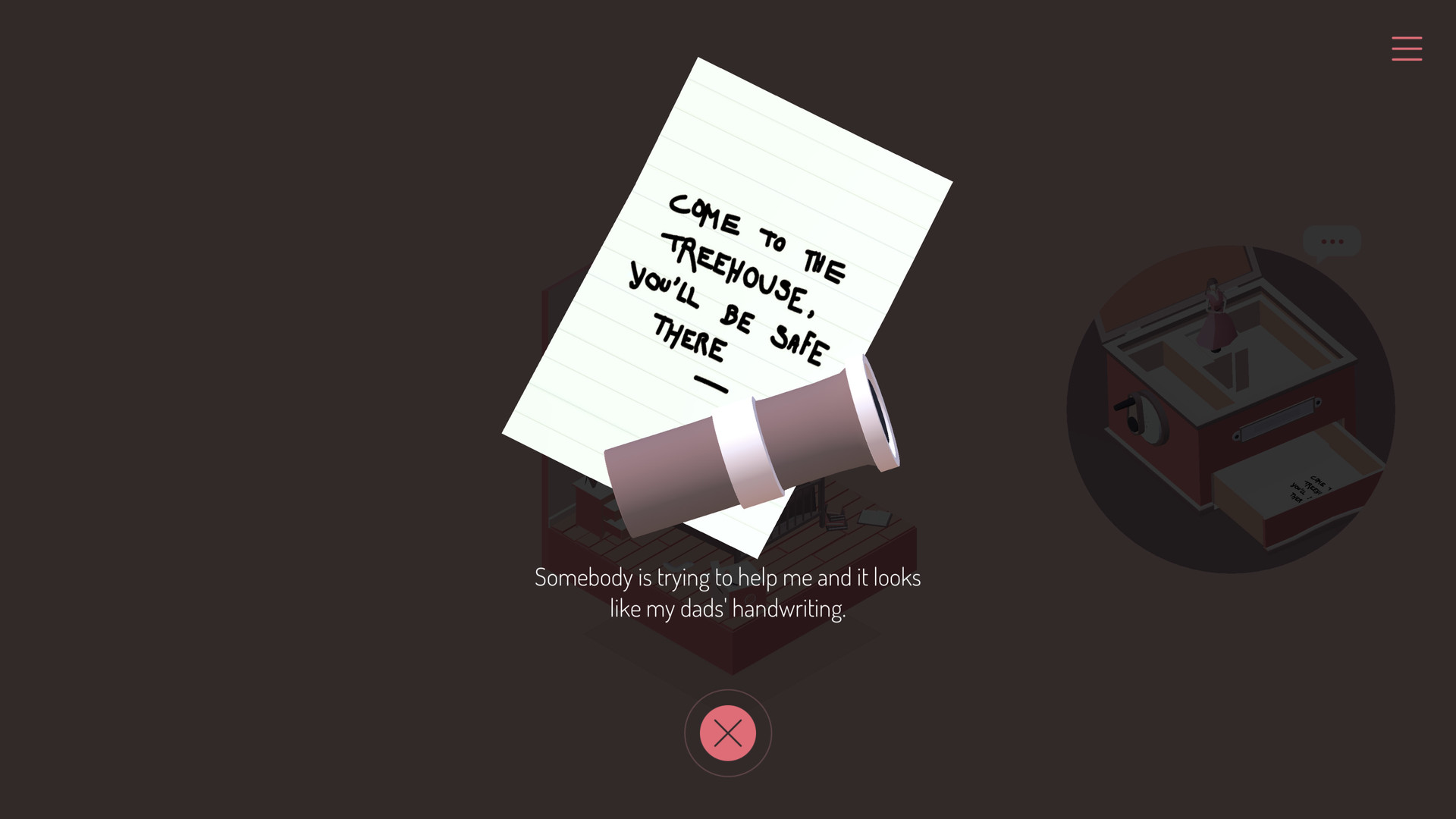
A young woman drifts through fragments of her own past — a childhood bedroom, a treehouse, a hospital room — each rendered as a small, rotatable diorama that has to be turned, examined and picked apart to reveal what happened and why. The Almost Gone commits fully to that concept across five short chapters, and reviewers are broadly and quite genuinely split on whether that commitment actually pays off as intended.
An atmosphere that genuinely lands, for a real share of players
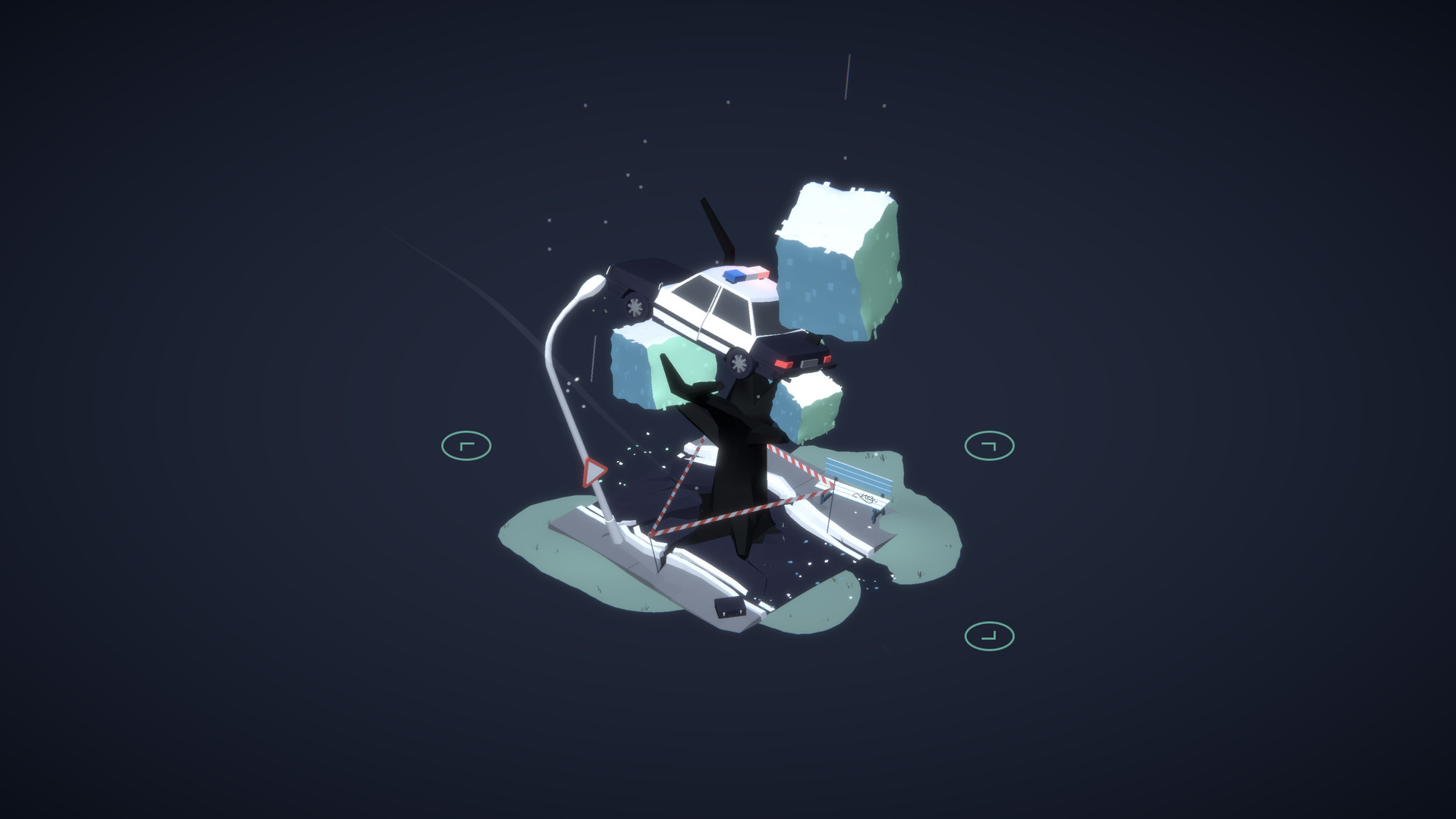
The diorama mechanic itself earns consistent credit as genuinely novel — spinning a small, dollhouse-scaled scene to find hidden interactive details gives exploration a distinctive, almost voyeuristic quality reviewers say few other puzzle games attempt. Music and overall atmosphere draw real, specific praise, described as haunting and well-matched to the game's somber subject matter. Several reviewers specifically credit the game with tackling death, family tragedy and mental health directly rather than softening the material for a broader audience, treating that willingness as a genuine strength even when they otherwise struggled to connect with the execution.
A story that stays vague long enough to genuinely frustrate
The dominant complaint concerns exactly what that heavy subject matter resolves into. A large, independently corroborated share of reviews describes the narrative as staying too fragmentary to actually cohere — hints and suggestive details accumulate across the five chapters without building toward a payoff several reviewers say the story's own emotional weight seems to demand. More than one reviewer explicitly distinguishes this from intentional, well-executed ambiguity, arguing the ending arrives abruptly and leaves real narrative threads unresolved rather than deliberately open to interpretation.
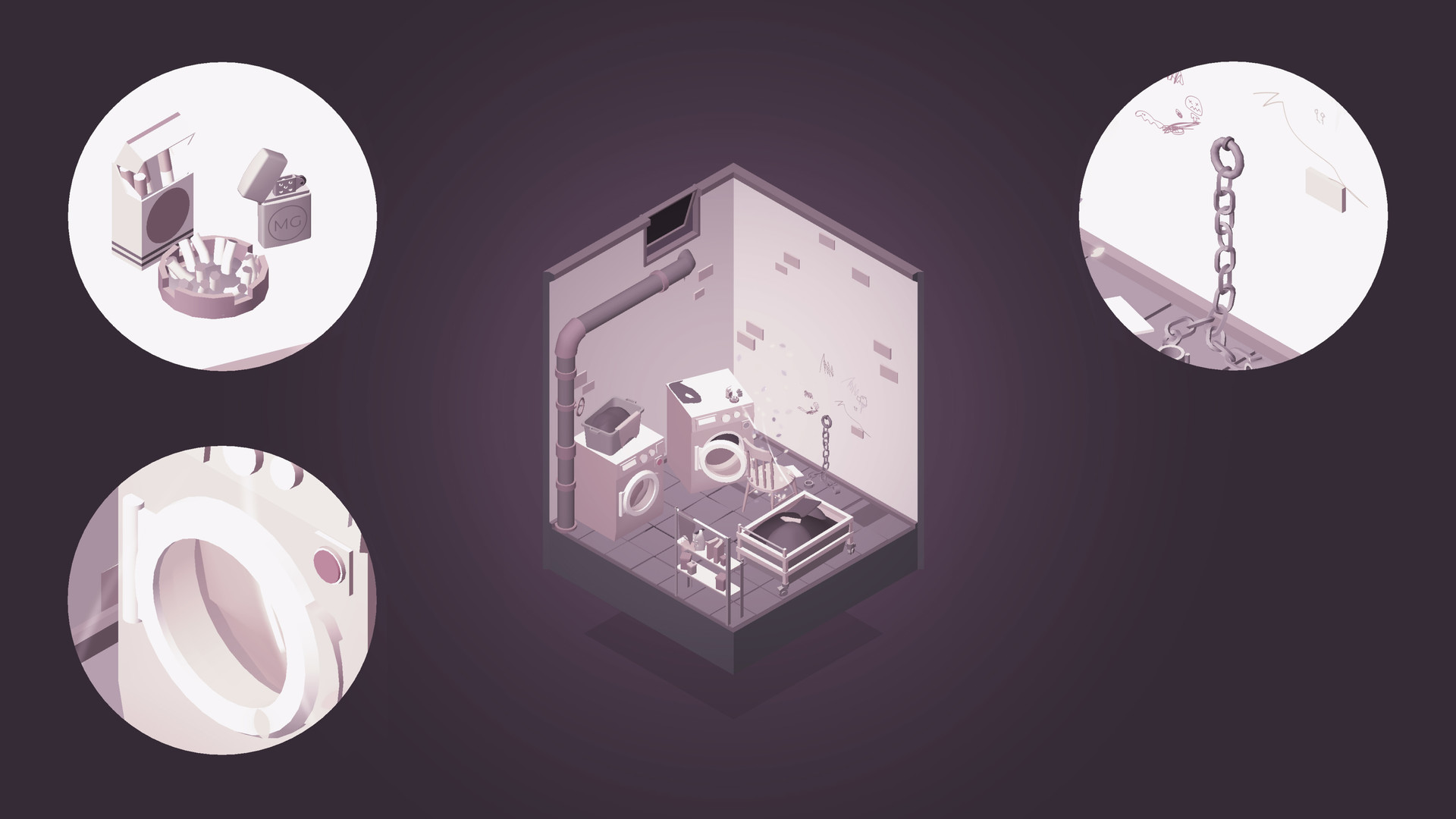
Puzzle mechanics draw their own specific, repeated criticism. Multiple reviewers describe a cramped, hard-to-navigate viewport, disorienting rotation controls, and interactive elements that are frequently difficult to spot, turning progress into guesswork rather than genuine deduction. That's a distinct complaint from the story critique, and the two compound each other directly for reviewers who wanted the mechanical layer to carry more of the story's narrative weight than they ultimately say it actually manages to deliver.
The specific achievement design multiple reviewers say ruined it
One specific, unusually concrete complaint deserves direct attention because of how consistently it recurs: two of the game's achievements require the player to leave the game idle for thirty minutes and, separately, to have it open for a full five hours. Multiple independent reviewers single these out by name as a genuinely bad design decision, several explicitly saying this specific detail is what tipped an otherwise middling or positive impression into a negative rating. It's a rare case of a small mechanical detail becoming the review sample's most frequently cited single complaint, ahead of even the story and puzzle criticisms discussed above.
A meaningfully different reception outside English
Worth noting directly: the game's English-language reviews sit at a distinctly cooler Mostly Positive (75%) than its all-language aggregate of Very Positive (80%), a real if modest gap rather than a rounding difference. That's not an enormous divergence, but it's consistent enough with other titles on this list where a non-English audience responds more warmly to a game's atmosphere and translated writing than English-speaking reviewers do to the same content in its original language. Readers relying on the game's storefront-level "Very Positive" summary without checking the English-specific breakdown would get a rosier picture than the English review sample actually supports.
A developer with real prior credibility in narrative games
Happy Volcano's track record is worth knowing when weighing how much benefit of the doubt to extend the story's ambiguity. The studio had already built a reputation for narrative-forward, emotionally serious games before this release, and reviewers who came in with that expectation generally treat The Almost Gone's thematic ambition as sincere rather than gratuitous, even when they conclude the execution doesn't fully deliver on it. That context matters for distinguishing this game's specific shortcomings from a studio simply chasing dark themes for shock value — the review sample largely agrees the intent here is earnest, whatever its disagreements about whether the story actually resolves that intent successfully.
What a full playthrough actually costs you
Length estimates cluster consistently between two and six hours depending on how much a player lingers over each diorama's hidden details, and several reviewers frame the price specifically against that range: at roughly NZD 12, it sits well below most narrative games covered on this list, which several reviewers explicitly credit with making an otherwise flawed experience easier to recommend on a sale than its mechanical and narrative shortcomings alone would suggest. That's a meaningfully different value calculation than titles charging two or three times as much for a comparably short runtime elsewhere in this lane.
Verdict
The Almost Gone commits to a genuinely distinctive diorama-puzzle concept and real atmospheric craft, and for a meaningful share of its audience that commitment to heavy, unsoftened subject matter pays off emotionally. It falls short of a stronger score because a comparably large share of reviewers report the opposite: a story too vague to resolve, puzzles that lean on guesswork over deduction, and achievement design several call out by name as actively worsening their experience. Worth trying on a deep sale for the concept and mood; skip the achievement list entirely unless idle-timer padding genuinely doesn't bother you, and treat the storefront's overall "Very Positive" summary with some caution given how much cooler the English-specific reception actually runs.
Pros and cons
Pros
- The core diorama mechanic, rotating and examining small dollhouse-like scenes to uncover hidden details and progression paths, is repeatedly described as a genuinely novel and visually distinctive way to explore a puzzle space
- Atmosphere and sound design draw real, specific praise, with the music in particular called haunting and appropriately melancholic by multiple reviewers
- The willingness to engage directly with heavy subject matter — death, family tragedy, mental health — without softening it for a broader audience is credited by several reviewers as a genuine strength, even by some who otherwise struggled to connect with the story
- A complete playthrough takes only two to six hours, making it an easy game to fit into a single evening for players drawn to its specific mood
- The price is modest relative to most narrative games on this list, which several reviewers explicitly note makes the experience easier to recommend on a sale despite its other flaws
Cons
- A large, independently corroborated body of reviews describes the story as staying too vague to actually resolve, with hints and fragments that several reviewers say never cohere into a story that pays off the heavy themes it raises
- Puzzle mechanics draw sustained, specific criticism: a small, hard-to-navigate viewport, rotation controls several call disorienting, and interactive elements that are frequently difficult to spot, leading to guesswork rather than genuine deduction
- Multiple independent reviewers single out two specific achievements — one requiring the game to sit idle for thirty minutes, another for five hours — as an actively bad design choice that tips an otherwise middling impression into a negative rating
- Several reviewers report the ending arrives abruptly and without meaningful narrative payoff, leaving emotionally heavy setup without a resolution they found satisfying
- The price draws direct comparisons to cheaper mobile hidden-object games, with multiple reviewers arguing the content and production values would be a better fit at a lower price point than what Steam currently asks
Screenshots
-
The Almost GoneImage: XD via Steam -
The Almost GoneImage: XD via Steam -
The Almost GoneImage: XD via Steam -
How the review scores each part of the gameWanderer Editorial -
At a glanceWanderer Editorial -
The short versionWanderer Editorial