Game review
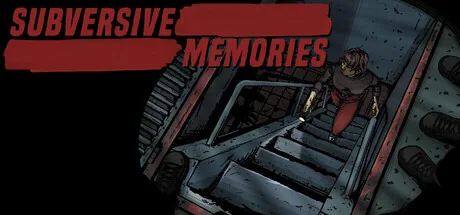
Subversive Memories
8.3 / 10
- Developer
- Southward Studio
- Publisher
- Southward Studio
- Released
- 8 April 2026
- Platforms
- [Windows]
- Genre
- Survival Horror
- Monetisation
- $11.99
- Players
- false
The short version
Subversive Memories uses a familiar PS1-horror puzzle-box shell to tell a story that clearly could not have been told any other way, a fictionalized but deeply researched account of Brazil's military dictatorship that reviewers, especially Brazilian ones, describe as essential rather than merely well-made.
Biggest strengths
- A meticulously researched narrative set during Brazil's 1964-1985 military dictatorship that reviewers, especially Brazilian players, describe as deeply personal, necessary, and handled with real care
- A tightly designed puzzle-box map that rewards careful exploration and repeat visits, frequently compared favorably to Signalis and classic Resident Evil
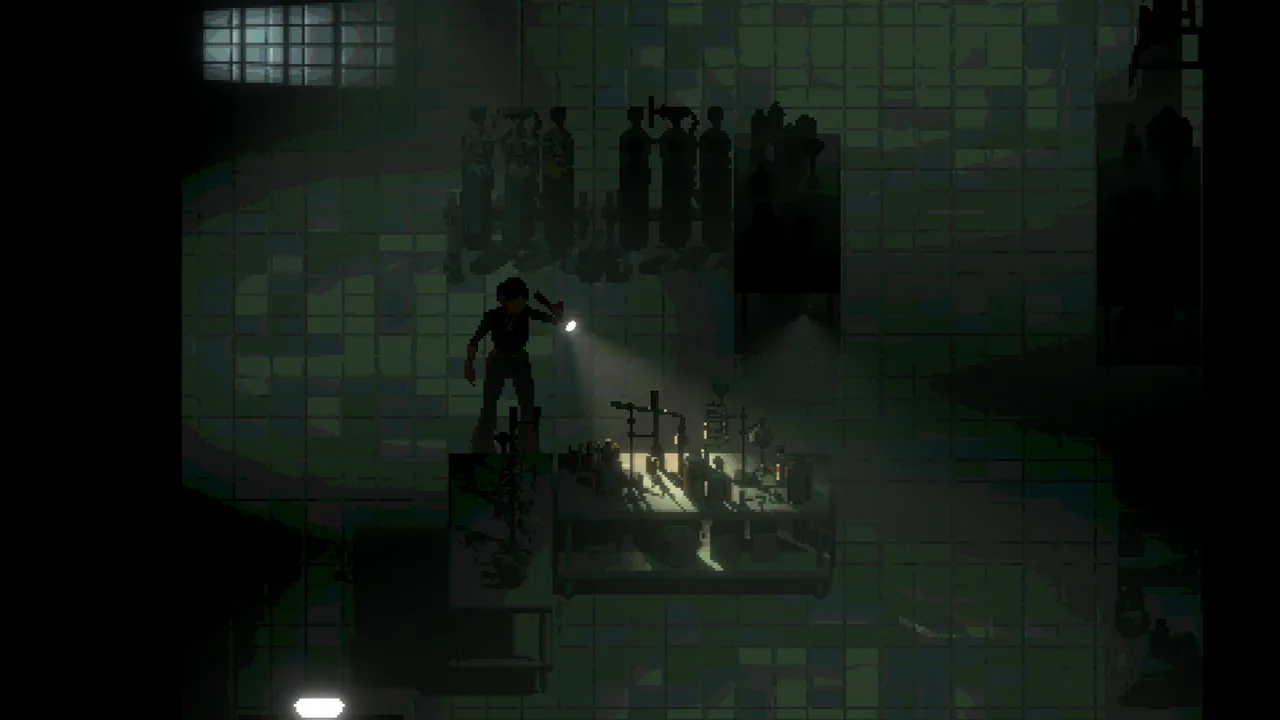
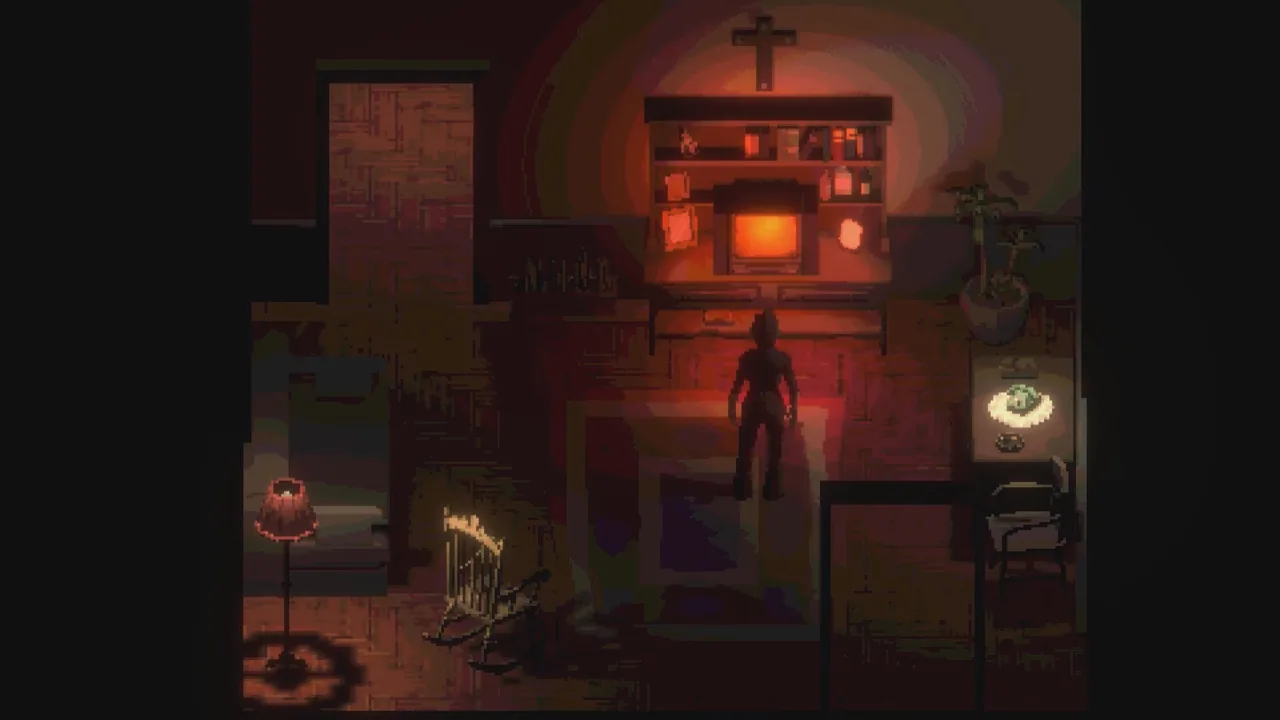
- Distinctive PS1-era low-poly visuals paired with strong sound design and music that reviewers say carry the oppressive atmosphere on their own
Biggest weaknesses
- Combat is minimal and simple, enemies appear mostly as featureless shadow-figures, and several reviewers feel this strips away most of the survival-horror tension the genre usually provides
- A number of reviewers, including a detailed Portuguese-language review, report notable bugs at launch that needed a content warning before recommending
- At least one reviewer feels the game leans so heavily on its Signalis and Silent Hill influences that its gameplay identity is thinner than its narrative one
Who it's for: Fans of low-poly survival horror in the Signalis or classic Resident Evil mold who want a short, puzzle-heavy game carrying real historical weight.
Our recommendation: Buy it
8.3 / 10
A history lesson wearing a horror game's clothes
Subversive Memories, released April 8, 2026 by Southward Studio, follows Renata, a woman chasing an obsessive search for answers about her past into an abandoned military research base, and finds a story that reaches back into Brazil's real 1964-1985 military dictatorship. It's a $11.99 PS1-style survival horror, roughly three to four hours long, and it launched to a Very Positive reception, 146 reviews and around 97% positive, with an outpouring of Brazilian reviewers in particular describing it as something closer to a necessary cultural document than a genre exercise.
The setting is the whole point
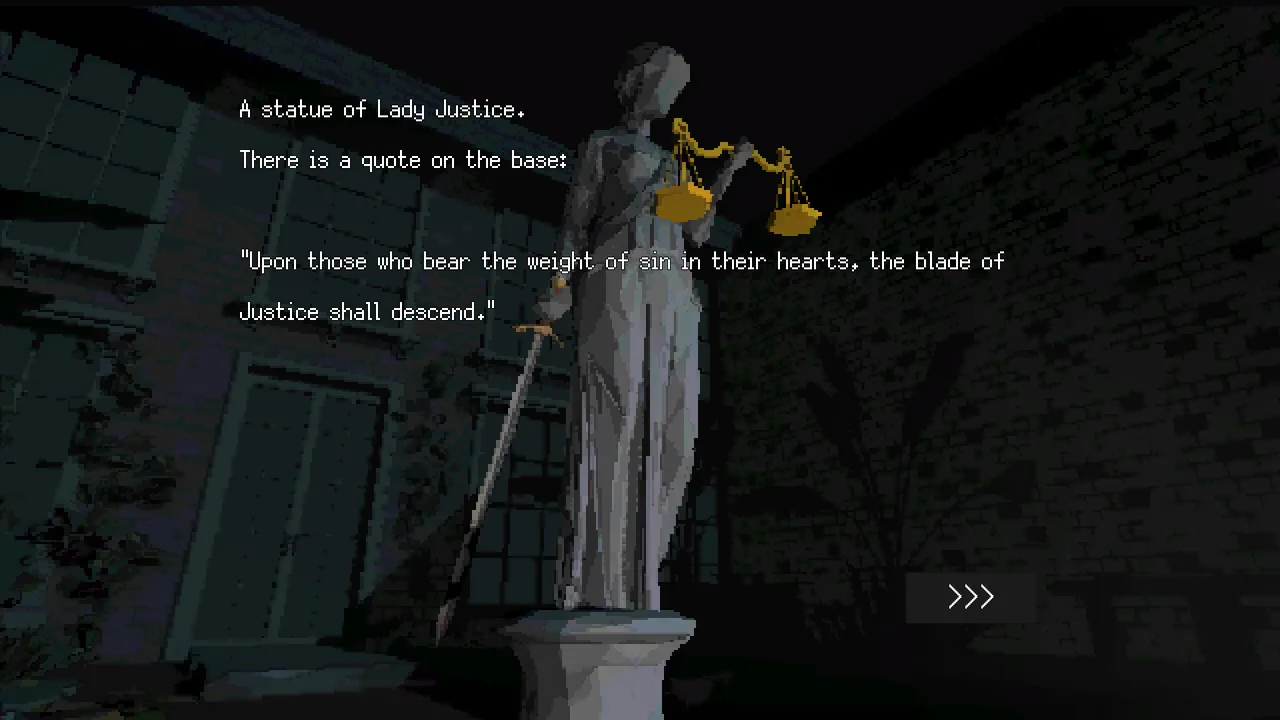
Plenty of games borrow PS1-era survival horror's low-poly aesthetic without much beyond the look. Subversive Memories is the rare one where the historical setting is doing real narrative work throughout: letters, newspapers, and diary entries scattered through the game are drawn from real historical events, and reviewers, Brazilian and otherwise, consistently praise how specifically and respectfully the game handles the period's atrocities rather than using them as generic set dressing. Multiple reviewers compare the effect to Red Candle Games' Detention, another horror game built around a real authoritarian period, in the way it uses genre horror as a vehicle for a story that needed telling. For non-Brazilian players the game functions as an entry point into history many hadn't encountered before; for Brazilian players, several reviews describe it in explicitly personal terms, recognizing family stories, radio broadcasts, and domestic details from their own upbringing.
A puzzle-box that rewards patience
Mechanically, this sits firmly in the Signalis-and-classic-Resident-Evil tradition: a contained, interconnected map, inventory management, and item-based puzzles that require backtracking and careful reading of environmental clues. Reviewers who've played extensively in this specific subgenre rate the map design highly, describing it as a well-constructed puzzle-box that opens up gradually and rewards attention rather than a straightforward linear corridor. Puzzle difficulty draws consistent praise as fair: challenging enough to require real thought, without tipping into the kind of obscure logic that forces players to a guide, though a couple of reviewers admit at least one puzzle needed outside help.
Horror through absence, not confrontation
The most divisive element is combat, or the near-absence of it. Enemies appear mostly as featureless shadow-figures rather than detailed monsters, and combat itself is described across the review sample as simple and rarely threatening. For most reviewers this is a deliberate, successful choice: the horror comes from atmosphere, oppressive silence, and the implication of violence rather than direct confrontation, in keeping with the game's real subject matter. But a vocal minority pushes back hard on this point, arguing that survival horror's tension depends on real stakes and that stripping combat down this far, alongside a fairly gentle overall difficulty, leaves some sections feeling more like an interactive history lesson than horror. It's a legitimate split, and worth weighing against what a given player wants from the genre label.
Presentation carrying real weight
Visually and sonically, this is where the strongest consensus in the review sample lands. The PS1-style low-poly art direction is repeatedly called striking and purposeful rather than nostalgia-bait, and the sound design and score come up constantly as doing outsized work in building dread even when nothing overtly threatening is on screen. Several reviewers specifically credit the audio, radio broadcasts, ambient noise, a tense score, with making the quieter exploration stretches feel alive rather than empty.
Rough edges at launch
A meaningful chunk of the review sample, including a detailed Portuguese-language negative review from a player who otherwise liked the game, flags bugs significant enough to withhold a recommendation until patched. Southward Studio has responded with a steady string of updates since launch, four patches through late June 2026, addressing stability issues, though at least one reviewer separately notes movement feels tied to framerate, a specific technical quirk worth knowing about going in. None of this appears to have meaningfully dented the overall reception, but it's a fair asterisk on a launch window playthrough.
A short runtime that earns its length
At three to four hours, Subversive Memories is unusually short for its price point by mainstream standards, but the review sample treats that almost uniformly as a strength rather than a shortfall. Reviewers repeatedly note that the game doesn't overstay its welcome, that multiple endings reward a second playthrough, and that a tighter runtime suits both the puzzle-box structure and the weight of the subject matter better than padding it out would have. More than one reviewer specifically mentions replaying immediately after finishing to chase a better ending or to see areas they'd missed the first time through, which for a genre built around scarcity and careful item management is a strong sign the map design is doing its job.
A studio finding its voice
Southward Studio is credited by several reviewers as a first-time or early-career developer, and the confidence on display, in research, in restraint, in trusting the material to carry weight without over-explaining it, reads as unusually mature for a debut. One review specifically frames the game as proof a small studio can tackle heavy subject matter without either sanitizing it for a broad audience or tipping into exploitation, a balance plenty of larger, better-funded projects fail to strike.
Who should step into Renata's shoes
This is a strong recommendation for fans of low-poly, puzzle-heavy survival horror who don't need constant combat to stay engaged, and an especially compelling one for anyone interested in games that use the genre to explore real history with care. Players who want their survival horror built primarily around combat tension and immediate danger should adjust expectations, or look elsewhere, since that's not what this game is trying to be.
The verdict
Subversive Memories succeeds because it never treats its historical setting as a skin over a generic horror template; the puzzle-box design, sound, and atmosphere are all built in service of a story that clearly meant something to the people making it, and that comes through in nearly every review. Some early bugs and a light combat touch keep it from being flawless, but this is a genuinely distinctive, memorable debut.
Pros and cons
Pros
- A meticulously researched narrative set during Brazil's 1964-1985 military dictatorship that reviewers, especially Brazilian players, describe as deeply personal, necessary, and handled with real care
- A tightly designed puzzle-box map that rewards careful exploration and repeat visits, frequently compared favorably to Signalis and classic Resident Evil
- Distinctive PS1-era low-poly visuals paired with strong sound design and music that reviewers say carry the oppressive atmosphere on their own
- A refreshingly short, focused runtime, three to four hours, that most reviewers say suits the story rather than padding it out
Cons
- Combat is minimal and simple, enemies appear mostly as featureless shadow-figures, and several reviewers feel this strips away most of the survival-horror tension the genre usually provides
- A number of reviewers, including a detailed Portuguese-language review, report notable bugs at launch that needed a content warning before recommending
- At least one reviewer feels the game leans so heavily on its Signalis and Silent Hill influences that its gameplay identity is thinner than its narrative one
- Movement reported as tied to framerate by at least one reviewer, and pacing occasionally slows around late-game backtracking and balancing
Screenshots
-
Subversive MemoriesImage: Southward Studio via Steam -
Subversive MemoriesImage: Southward Studio via Steam -
Subversive MemoriesImage: Southward Studio via Steam -
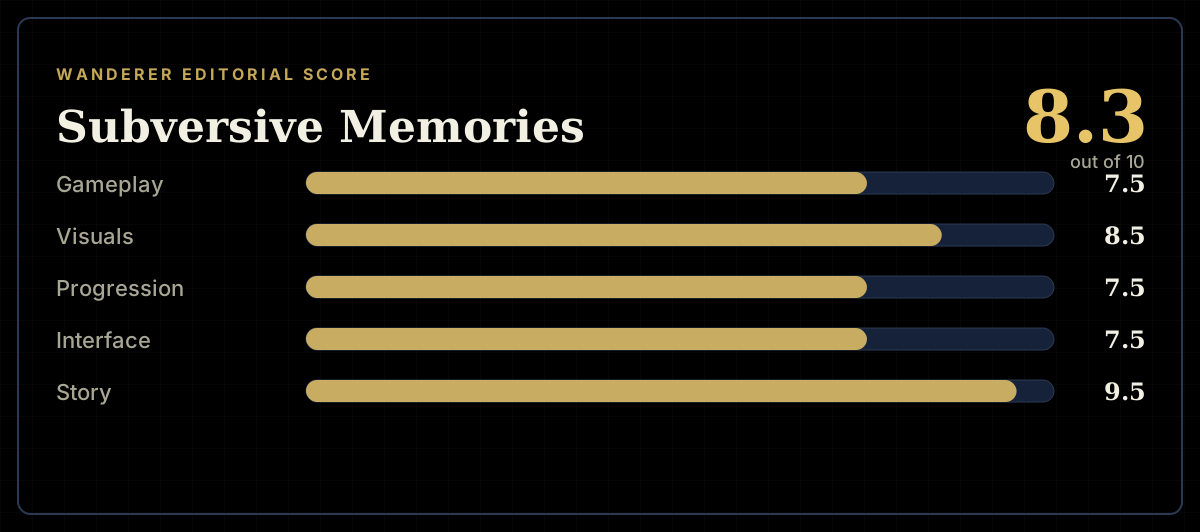
How the review scores each part of the gameWanderer Editorial -
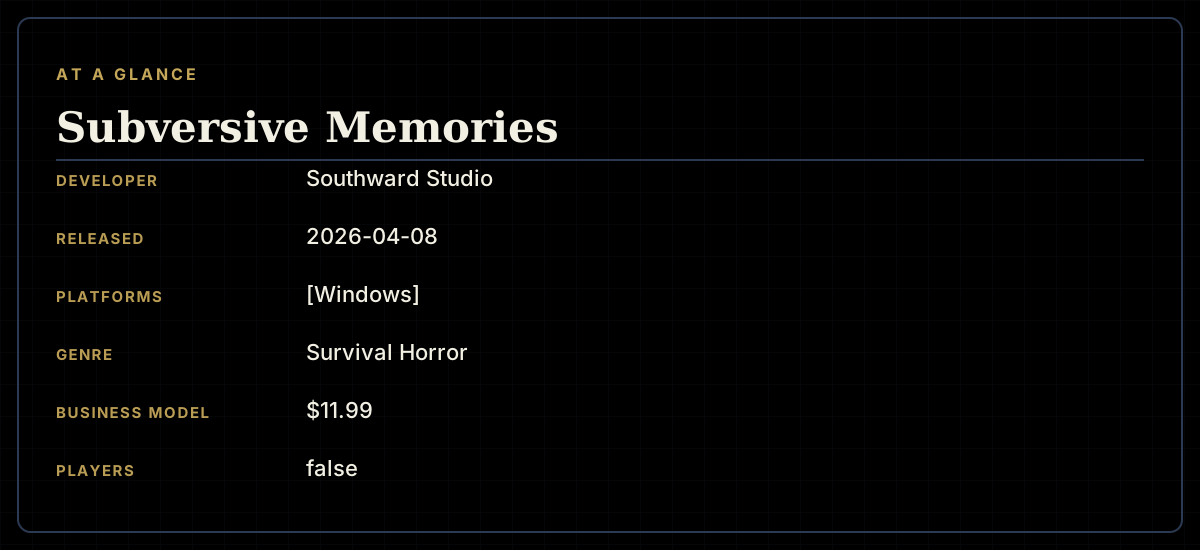
Key facts at a glanceWanderer Editorial -
The short versionWanderer Editorial