Game review
Stoneguard
5.5 / 10
- Developer
- Thorn Spire Games
- Publisher
- Wandering Wizard
- Released
- 30 July 2026
- Platforms
- Windows
- Genre
- Survival Strategy / Base Defence
- Monetisation
- One-time purchase, no in-app purchases, no DLC. Listed at NZ$10.49 with a 15% launch discount bringing it to NZ$8.91, roughly US$5 — checked 3 August 2026.
- Players
- Online co-op alongside single-player
The short version
There is a properly original game buried in here. Limb-accurate combat where losing an arm has lasting consequences, prosthetics to replace what you lose, weapons researched from the severed parts of the things attacking you, and a settlement of survivors you split into regiments and command through the night. For five dollars that's a lot of imagination. It is also, right now, roughly four hours long, with survivor AI that ignores orders, settings that reset themselves and a set of achievements that mostly appear not to fire at all.
Biggest strengths
- The limb system is a real idea, not a gimmick — hits are traced to body parts, losing your own limbs carries lasting penalties, and prosthetics exist to replace them
- Crafting weapons and research out of the body parts of the monsters attacking you ties combat and progression together neatly
- Splitting survivors into regiments and issuing orders during a night assault gives the defence phase real texture when it works
Biggest weaknesses
- Survivor AI is unreliable: players report villagers refusing to mine, standing idle in camp, and battle orders executing only intermittently
- Roughly four hours of content covering thirteen in-game days, two bosses and a handful of enemy types — against a store page describing five boss encounters
- Persistent settings bugs; graphics and brightness options reset themselves between sessions
Who it's for: Players who enjoy backing tiny studios early and can treat bugs as part of the deal, and anyone drawn to the specific weirdness of medieval peasants fighting an alien drop-ship. Not for players who want a finished game, and not for anyone who bounces off broken NPC behaviour.
Our recommendation: Five dollars is a fair price for the concept and the two-person team is visibly responsive, so buy it as a wishlist bet rather than an evening's entertainment. If you want to actually play rather than support, wait for a patch cycle or two — the AI failures and the reset settings are the sort of thing that make the current build hard to judge on its merits.
5.5 / 10
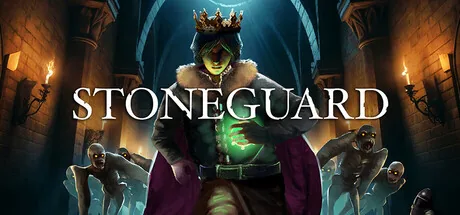
The pitch is the reason to read about this one. You are protecting a magical Lifestone in a grim medieval apocalypse, and the things coming for it at night are dropped from an alien spaceship. Your survivors fight with medieval weapons. Combat traces hits to specific body parts, so you can sever an enemy's arm to disable it — and they can do the same to you, permanently enough that prosthetics are a system. Then you research the parts you cut off and forge them into weapons.
Nobody else is making this. One reviewer describes it as Age of Empires meeting Killing Floor; another as a Lovecraft and 7 Days to Die smoothie. Both are reaching for something that doesn't have a name yet, which is usually a good sign.
The size of it
Be clear about what you're buying. The current build runs about thirteen in-game days, which players consistently clock at three to four hours. There are two bosses and roughly half a dozen enemy types. The store page advertises five boss encounters, so three of them are yet to arrive.
That's not a scandal at five dollars, and the reviews are largely relaxed about it — the mood on the page is people backing a two-person studio rather than buying an evening's entertainment. But the gap between the store description and the build is worth stating plainly, because a store page is what you decide from.
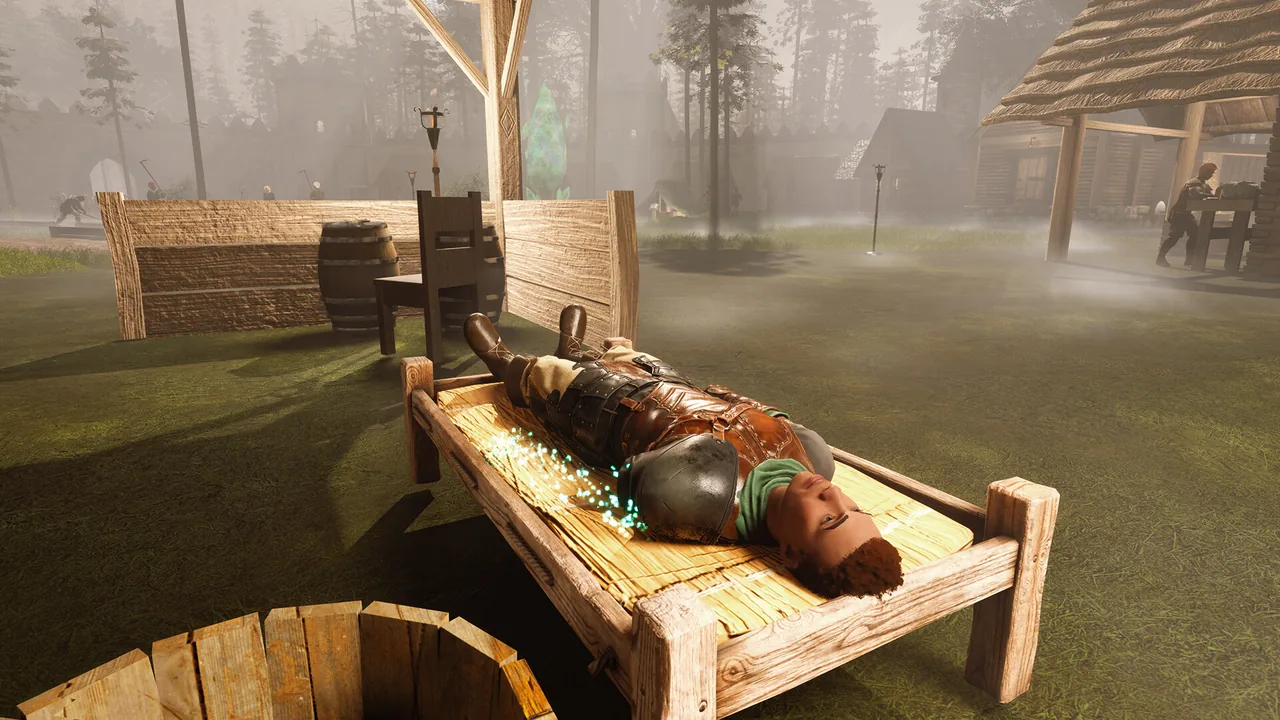
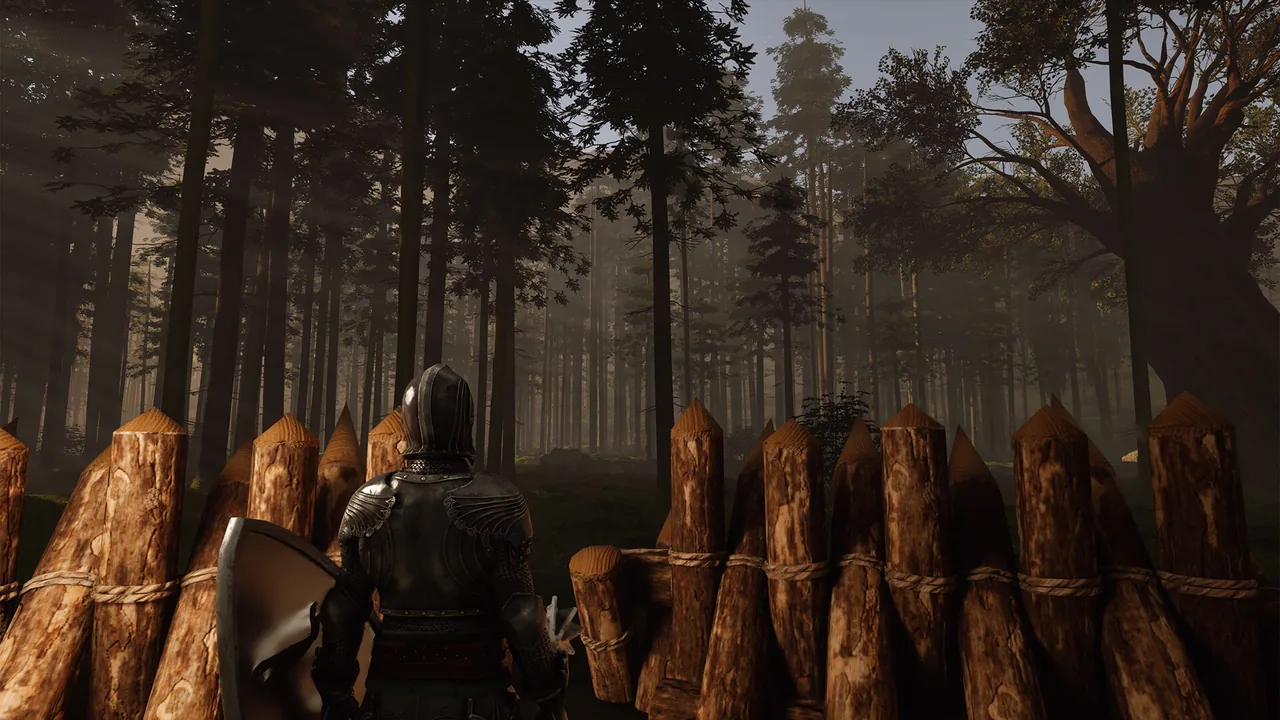
The loop inside those four hours is decent. Days are for gathering, recruiting, building, crafting and choosing what to fortify; nights are for defending, with survivors split into regiments you position and command. Several players describe getting genuinely absorbed in the time-and-resource pressure of preparing before dark, which is the part that suggests a longer game would work.
The AI is the current problem
Almost every substantive criticism traces back to the same place: your survivors don't reliably do what they're told.
Players report villagers refusing to mine stone, running to camp and standing there, or ignoring battle orders about half the time. One reviewer describes restarting three separate times as different systems failed — first the deer vanished from the map entirely, then the NPCs stopped mining, then the same thing happened again. In a game where the entire day phase is delegating work to other people, that isn't a rough edge; it's the core loop misfiring.
Around it sit the ordinary Early Access complaints: settings that reset themselves between sessions (graphics and brightness both), freezes, and at least one player locked up by opening the encyclopedia. A German-language reviewer is blunter than most — that they've tested alpha builds that ran more smoothly than this — and that's a fair reading of the technical state even if it's harsh on the ambition.
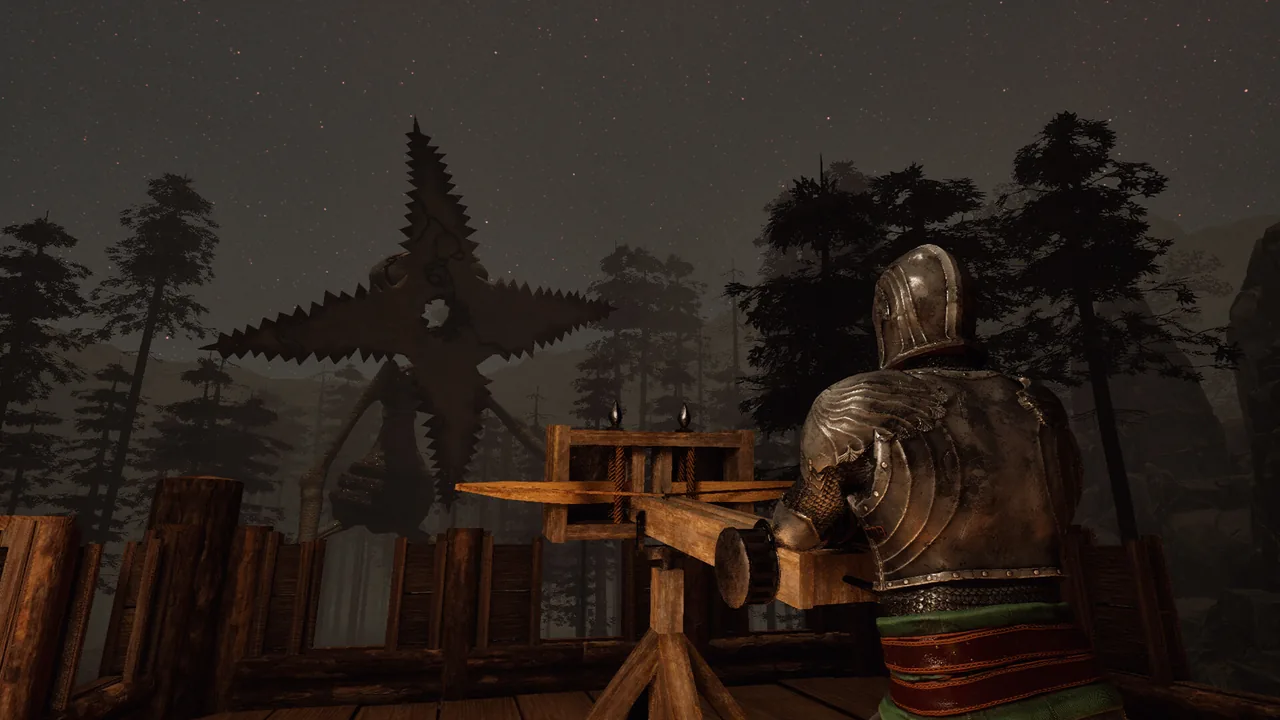
Balance is also unfinished in the way early builds usually are. More than one player found ballistas strong enough to trivialise the night defence, which rather undercuts the strategy the daytime phase is asking you to plan.
One number that stands out
Stoneguard ships with nineteen achievements. Four of them have been earned by anybody: kill a hundred husks (95.5%), survive a night (64.4%), survive alone (37%), build a defence (35.3%).
The other fifteen are all sitting at exactly 0.0% — including achievements for losing the Lifestone, constructing all buildings, wearing full iron armour and losing three limbs. Some of those should be rare. But in a four-hour game where players report finishing the content and where at least one has logged twenty-two hours, an unbroken row of zeroes across most of the list reads less like difficulty and more like achievements that aren't firing. It's a small thing, and it's the kind of small thing that tells you how much of this build is still wiring rather than design.
Verdict
Stoneguard is two people swinging at an idea nobody else has had, and the idea is good enough that the swing is worth watching. Limb-accurate combat with permanent consequences, prosthetics, and a research tree built from what you dismember is a genuinely fresh combination, and the day-night structure around it has bones.
It is not, today, a game to sit down and play through — the AI that the whole design leans on works intermittently, the content runs out in an afternoon, and the technical state is rougher than most launches even at this price. Five dollars buys you a concept and a Discord invitation to help shape it, and the developers appear to be doing the work. Judge it again in six months; right now it's a 5.5 with a lot of upside and very little polish.
Anyone after a world that keeps running properly while they're away — with survivors who actually do the jobs they're given — may also enjoy Wanderer.
Pros and cons
Pros
- The limb system is a real idea, not a gimmick — hits are traced to body parts, losing your own limbs carries lasting penalties, and prosthetics exist to replace them
- Crafting weapons and research out of the body parts of the monsters attacking you ties combat and progression together neatly
- Splitting survivors into regiments and issuing orders during a night assault gives the defence phase real texture when it works
- Strong value for around five dollars, with co-op included rather than promised
- The developers are two people and visibly active — several reviewers report bugs being acknowledged and fixed, and the studio runs an open Discord
Cons
- Survivor AI is unreliable: players report villagers refusing to mine, standing idle in camp, and battle orders executing only intermittently
- Roughly four hours of content covering thirteen in-game days, two bosses and a handful of enemy types — against a store page describing five boss encounters
- Persistent settings bugs; graphics and brightness options reset themselves between sessions
- Freezes and crashes reported, including one player locked up by opening the in-game encyclopedia
- Balance is undercooked — several players report ballistas trivialising the defence entirely
Screenshots
-
StoneguardImage: Wandering Wizard via Steam -
StoneguardImage: Wandering Wizard via Steam -
StoneguardImage: Wandering Wizard via Steam -
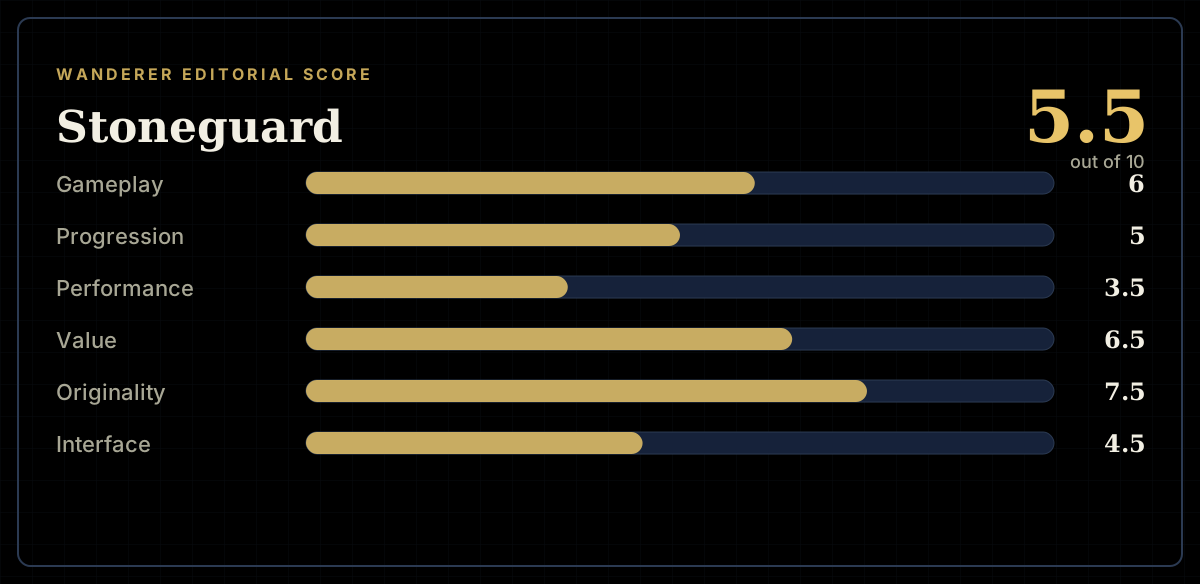
How the review scores each part of the gameWanderer Editorial -

The short versionWanderer Editorial