Game review
SHED
7.5 / 10
- Developer
- Patchrat
- Publisher
- Patchrat
- Released
- 23 June 2026
- Platforms
- Windows
- Genre
- Casual, Indie, Strategy
- Monetisation
- paid
- Players
- true
The short version
Biggest strengths
- A faithful, fast digital translation of the real-life card-shedding game, with several reviewers specifically praising how closely it matches the tabletop original
- Genuine tactical depth beneath simple, easy-to-learn rules, with multiple reviewers describing themselves still learning strategy dozens of hours in
- Smooth, reliable multiplayer that scales from quick solo sessions against bots to online games with friends, plus configurable deck and bot counts to adjust match length and difficulty
Biggest weaknesses
- A minor, disclosed use of AI for game text localisation, flagged transparently by one reviewer as limited in scope but worth knowing about going in
- Thin single-player content structure outside of bot matches and boss challenges, with no deeper campaign or story mode for solo players seeking more than quick matches
- A simple, unadorned presentation that won't appeal to players expecting a heavily stylized or narrative-driven card game experience
Who it's for: Fans of card-shedding party games like President or Big Two who want a faithful, fast-paced digital version playable solo against bots or online with friends
Our recommendation: recommended
7.5 / 10
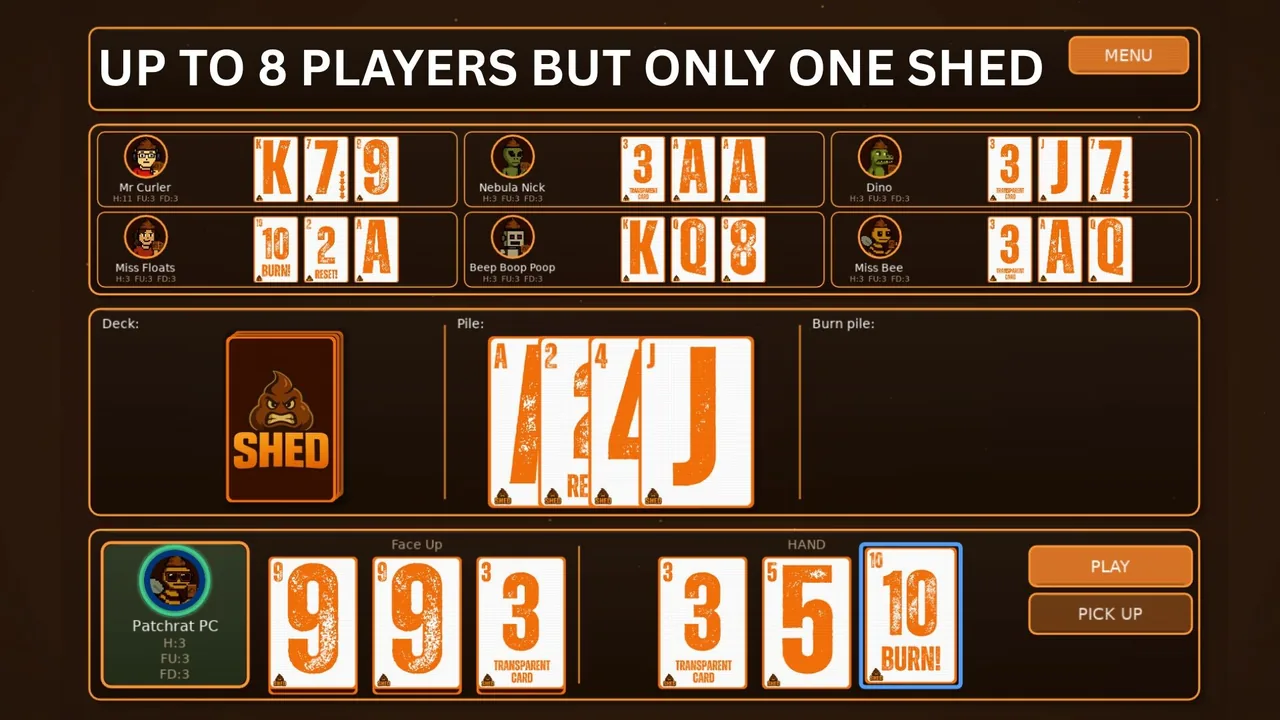
SHED released on Steam on June 23, 2026, a $6.60 digital adaptation of the classic card-shedding game from developer Patchrat, where the entire goal is disarmingly simple: get rid of every card in your hand before your opponents do. The game supports relaxed solo play against bots or competitive online multiplayer with friends, layering boss-battle twists and configurable match sizing on top of rules that translate directly from the physical card game. Its 13-review English pool is unanimously Positive, and the reviews describe a small, focused release that nails the fundamentals of a beloved tabletop format.
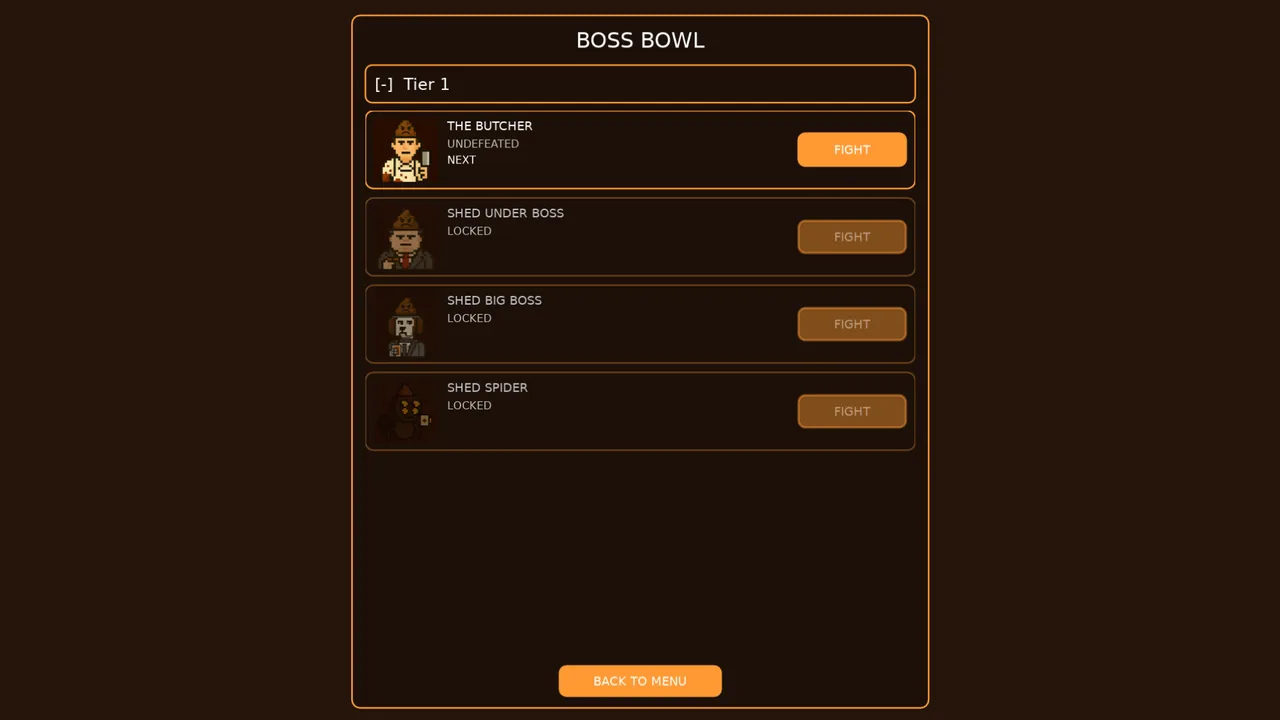
Faithfulness to the source material draws the pool's most consistent praise. One reviewer called it "exactly like playing the card game in real life," adding that "the bosses add fun and challenging twists to the game." Another described it as "my favourite card game turned virtual," praising that "it's fast, creative and addictive" and noting it "can be played solo or with mates online so has the social aspect too." A reviewer who had followed the game since its demo wrote they'd "been waiting for the release" and, after playing multiple multiplayer matches on launch day, said simply, "really enjoying it!"
Beneath the game's simple premise, multiple reviewers pointed to real tactical depth that keeps matches from feeling rote. One reviewer wrote, "learnt the basics quickly but the depth to the game tactically is really deep and I've a lot to learn still," calling it "super replayable so I won't get bored as I keep learning and playing." A reviewer with 42 hours logged echoed the same point, writing "lots of fun, with a game that has considerable depth. I think it will take time to master," and calling it "a steal at the price." A separate reviewer highlighted the game's flexible match structure directly, noting "games can be short or long by increasing the number of decks or bots, and strategies vary depending on the game size," a detail that speaks to genuine design thought behind what could have been a barebones digital port.
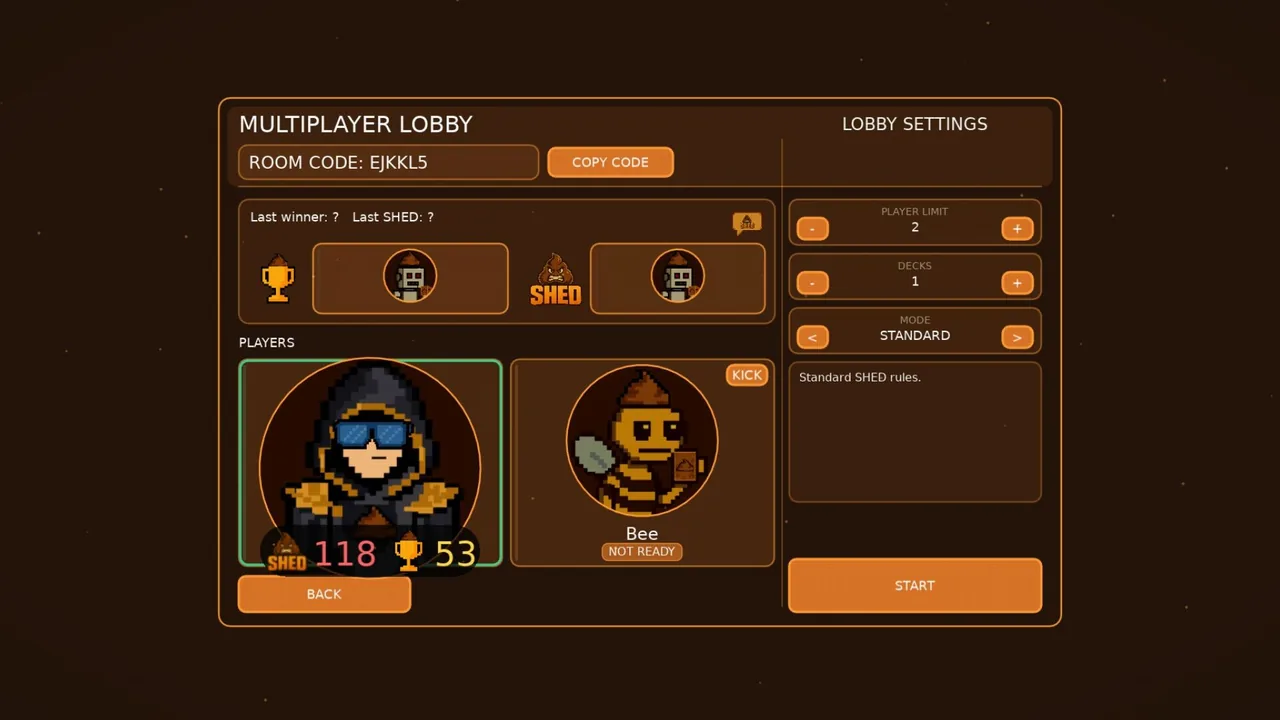
The multiplayer experience earns specific, repeated praise for its reliability, a detail worth flagging for any card game where laggy or buggy netcode can sink an otherwise solid ruleset. One reviewer wrote of "really smooth multiplayer games," while another, at 14 hours, said it works well "as a single player or multiplayer with a few mates," singling out the boss challenges as a particular favorite addition. A reviewer with a notably self-deprecating streak wrote, "I'm semi illiterate and even I was able to pick it up quick enough," before adding, only half-joking, "can't flip the table when I lose tho" — a fair-spirited jab at the one piece of real-life card-shedding chaos the digital version can't replicate.
The pool's most substantive caveat comes from its very first reviewer, who disclosed directly and unprompted that the game uses "some AI... for localisation (minimal)." That kind of upfront disclosure is worth crediting rather than treating as a red flag on its own, since the reviewer framed it as a limited, practical use case for translating game text rather than anything touching the actual game design, art, or writing, and no other reviewer raised concerns about AI use elsewhere in the game. Still, it's a detail prospective buyers with strong feelings on the subject should know going in rather than discover after purchase.
Outside of that disclosure, the negative side of the ledger here is thin largely because the pool itself is thin: with only 13 English reviews at launch, some issues that would surface in a larger sample simply haven't had the chance to yet. What can be said with confidence from the reviews in hand is that the core loop, presentation, and multiplayer stability have held up cleanly through launch, with one reviewer specifically noting "no bugs so far" and calling the experience "a hit of nostalgia."
It's also worth situating SHED within the broader landscape of digital card game adaptations, a genre where execution quality varies wildly and faithfulness to the source material is often the first casualty of adding unnecessary bells and whistles. Card-shedding games like this one, sometimes known by regional names such as President, Scum, or Big Two depending on the ruleset, have a long history as physical party games precisely because their rules are simple enough to teach in a minute while still supporting genuine strategic depth around card counting, hand management, and reading opponents. Digital versions of these games often either oversimplify the ruleset to make it more approachable, stripping out the tactical layer that makes the format compelling in the first place, or bury it under unnecessary progression systems and monetization that have nothing to do with the actual game. SHED's reviewers consistently praised it for avoiding both traps: the core rules are untouched from the tabletop version, the boss-challenge mode adds novelty without changing the underlying strategy, and the $6.60 price is a one-time purchase rather than the start of a free-to-play funnel. That restraint is arguably the game's biggest achievement, even if it means the feature list on the store page looks modest next to flashier competitors.
The achievement structure also drew a specific mention worth expanding on: one reviewer called out "loads of achievements" as part of what kept the gameplay loop feeling rewarding well past the first few matches, suggesting the developer built in meaningful long-term goals for solo players beyond simply grinding bot matches. Combined with the adjustable deck and bot counts mentioned elsewhere in the pool, that gives SHED more replay structure than its simple premise might initially suggest, even for players without a regular group to play online with.
Taken as a whole, SHED is a small, well-executed digital translation of a genre that rarely gets this kind of careful attention, delivering genuine strategic depth, reliable multiplayer, and a fair, low price point that reviewers repeatedly called a steal. Its single-player content is thin outside of bot matches and boss runs, and it's worth watching how the game holds up as its review pool grows, but for fans of shedding-style card games looking for a faithful, well-built digital home for the format, this is an easy recommendation.
Pros and cons
Pros
- A faithful, fast digital translation of the real-life card-shedding game, with several reviewers specifically praising how closely it matches the tabletop original
- Genuine tactical depth beneath simple, easy-to-learn rules, with multiple reviewers describing themselves still learning strategy dozens of hours in
- Smooth, reliable multiplayer that scales from quick solo sessions against bots to online games with friends, plus configurable deck and bot counts to adjust match length and difficulty
- A distinctive boss-challenge mode layered on top of standard rules, adding twists reviewers found genuinely fun rather than gimmicky
Cons
- A minor, disclosed use of AI for game text localisation, flagged transparently by one reviewer as limited in scope but worth knowing about going in
- Thin single-player content structure outside of bot matches and boss challenges, with no deeper campaign or story mode for solo players seeking more than quick matches
- A simple, unadorned presentation that won't appeal to players expecting a heavily stylized or narrative-driven card game experience
- A small review pool at launch, meaning some bugs or balance issues may not have surfaced yet despite reviewers reporting a clean, stable release so far
Screenshots
-
SHEDImage: Patchrat Games via Steam -
SHEDImage: Patchrat Games via Steam -
SHEDImage: Patchrat Games via Steam