Game review
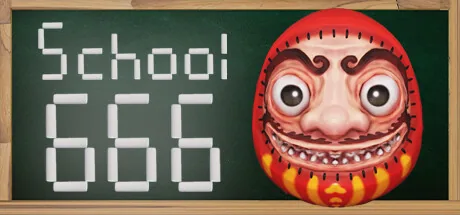
School 666
6.5 / 10
- Developer
- Lokin
- Publisher
- Lokin
- Released
- 11 June 2025
- Platforms
- Windows
- Genre
- Action, Adventure, Indie
- Monetisation
- paid
- Players
- true
The short version
Biggest strengths
- A genuinely fun, low-pressure co-op loop of spotting environmental anomalies with friends, which multiple reviewers cited as the ideal way to experience the game
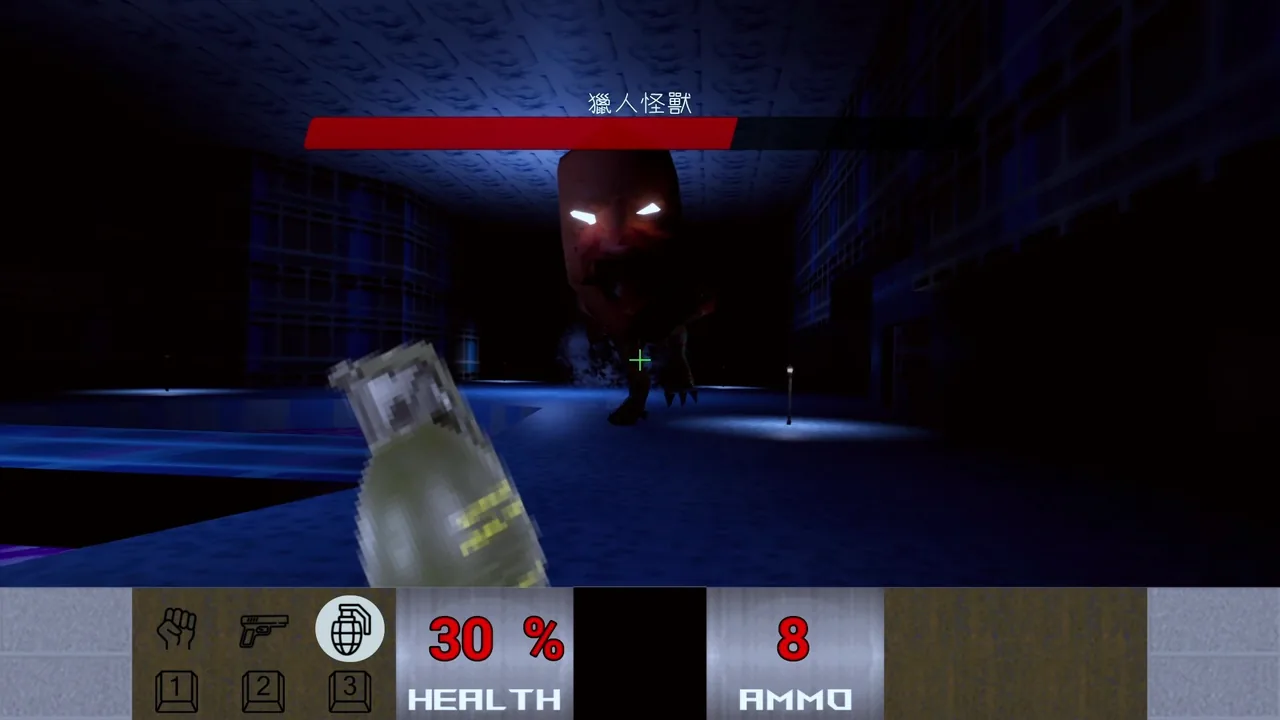
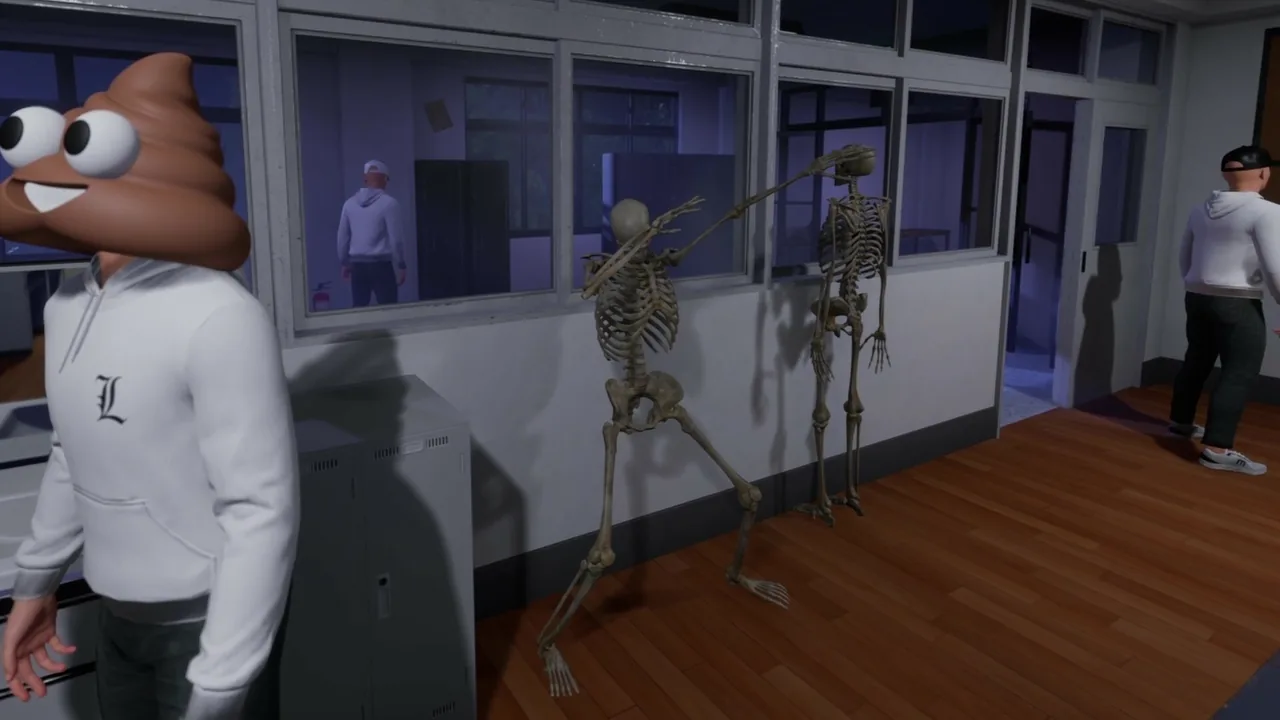
- Creative, varied anomaly and boss-battle design that reviewers who enjoyed it described as inventive and full of surprises, memes, and easter eggs
- A clear sense of care and personality from a small development team, which even critical reviewers acknowledged even while wishing for a different tonal direction
Biggest weaknesses
- A widely corroborated shift away from the slow-burn horror atmosphere of the developer's earlier game Hospital 666, toward memes, joke anomalies, and boss-fight-focused content that many longtime fans of the studio found disappointing
- Persistent, independently repeated complaints about developer self-promotion inserted directly into the game as \"anomalies,\" including QR codes linking to the developer's social media accounts
- A well-corroborated complaint that anomalies are frequently too obvious to create real tension, undercutting the detective-style observation gameplay that defines the genre
Who it's for: Fans of co-op anomaly-hunting games looking for a fun, meme-heavy time with friends, but not players seeking the slower, more atmospheric dread of the developer's earlier Hospital 666
Our recommendation: recommended
6.5 / 10
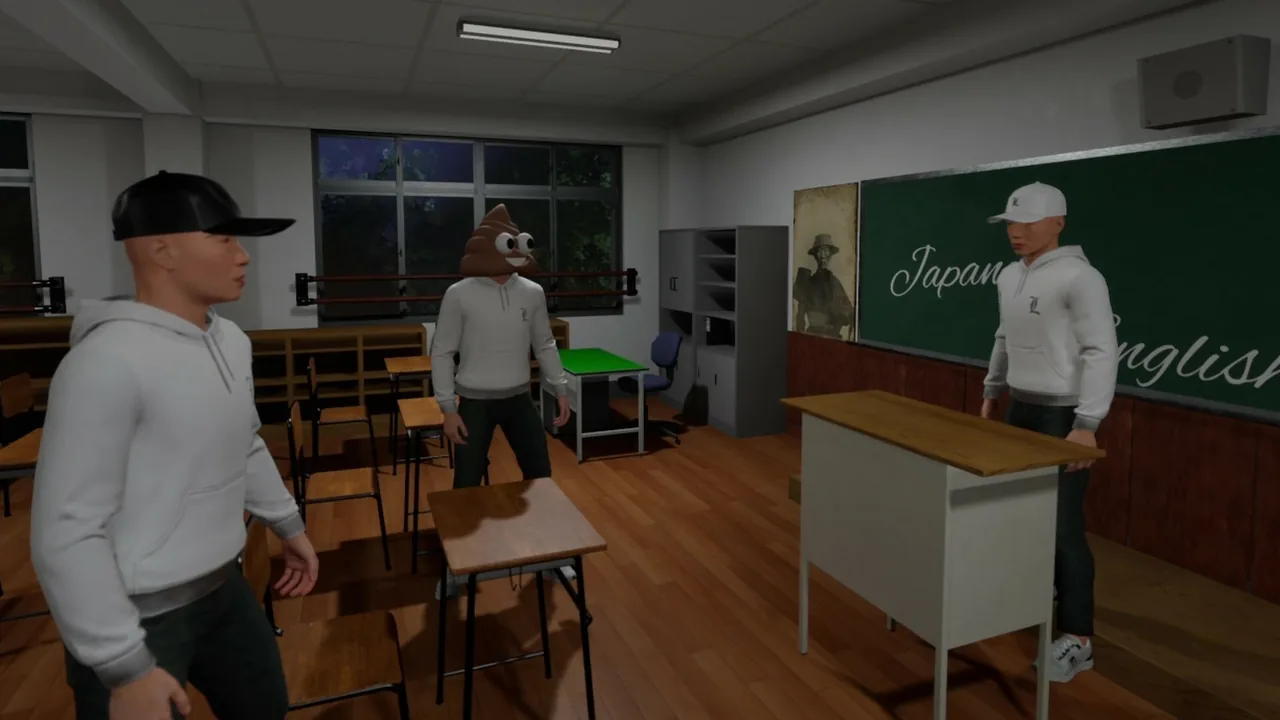
School 666 launched on Steam on June 11, 2025, the $3.99 follow-up to solo-adjacent developer Lokin's earlier anomaly-hunting horror game Hospital 666. The format is the same core idea that's made the genre a fixture of the co-op horror space: walk the same corridor repeatedly, spot what's changed since the last pass, and decide whether to press forward or turn back before an anomaly catches up with you. A 247-review English pool sitting at a strongly Very Positive 212-to-35 confirms the format still works for this developer, but a specific and consistently repeated thread running through even many of the positive reviews suggests this particular sequel made a real tonal trade-off that not everyone wanted.
The co-op loop itself remains the clearest strength across the pool. One reviewer who'd only completed the first chapter still recommended it, writing that "the main focus of this game is having fun with friends" and specifically praising the newly added emotes and selectable hats that make multiplayer sessions easier to follow. Another reviewer who compared it directly to the earlier game called it "a worthy successor," highlighting a new hint system that softens failure compared to the original's harsher fixed-order easy mode. A third reviewer, admittedly a fan of the developer's prior work, praised the "wacky, weird, wonderful and freaky" variety of anomalies and rated the boss battles "clever and fun," giving the game a 9.5 out of 10 overall. Note that the single longest review sampled in this pool read as generic, feature-listing marketing copy without specific personal detail, and this lane has excluded it from quoting as likely low-effort or AI-assisted rather than a genuine account of play.
Set against that goodwill, the pool's clearest and most consistently corroborated criticism is a tonal shift away from the atmospheric dread that made Hospital 666 stand out, toward broader comedy, meme references, and increasingly prominent developer self-promotion. One reviewer put it plainly: "Hospital 666 was a better game. Boring. Wish the anomalies were more interesting or subtle rather than insane over-the-top stuff," specifically singling out "scattered QR codes linking to socials" inserted as anomalies as "a very strange level of jacking yourself off." A separate reviewer, independently, raised the identical specific complaint, calling the "multiple v-tubing plugs and the requirement to click on a discord invite for an achievement" a little "dirty." A third reviewer summarized the broader shift succinctly: "Way too much self-inserting of the dev. Way too many cinematic moments that an anomaly game does not need." That this exact complaint, down to the specific QR-code and social-media detail, recurs across multiple unconnected reviewers is what elevates it from a matter of taste into a fair, well-sourced criticism of the sequel's direction.
A second, closely related and similarly corroborated complaint concerns difficulty and pacing. Multiple reviewers independently reported that anomalies in this entry are simply too obvious to generate real tension, undercutting the core observation gameplay the genre depends on. One reviewer wrote that "all the anomalies are insanely obvious," while a separate reviewer described the game becoming "a random event simulator" where "the scares where really, really few and far between," adding that repeated events made "failing really hard to do." A third reviewer flagged the same shape of complaint specifically about the third chapter, describing a fixed anomaly count per level that "make levels more easier than they were." Combined with several reports of repetitive structure by the later chapters, this forms a consistent, credible critique distinct from the tonal complaint above.
It's worth noting one especially crude, vulgar review sampled during research read as pure trolling rather than substantive feedback, and this lane has deliberately excluded it from consideration entirely rather than treating it as representative of the pool's actual sentiment.
It's also worth crediting the reviewers, including several who ultimately recommended the game, who explicitly framed this shift as a legitimate creative choice rather than a failure: multiple positive reviews acknowledged the game is "different" from its predecessor while still calling it "fun and entertaining," arguing that judging a sequel purely against what came before misses what it accomplishes on its own terms. That's a fair perspective, and it's part of why the overall score remains strongly positive despite the corroborated tonal complaints.
A separate, more serious complaint from the most recent reviews concerns launch-day technical stability. One reviewer, playing near release, reported that "2 out of the 3 graphics engines" the game offers simply didn't function correctly on GPUs outside a narrow recent generation, and described the minigames as "busted" and generally non-functional at launch, a stronger complaint than the ordinary jank expected from a small indie release. That specific complaint doesn't appear to recur widely across the rest of the sampled pool, though, and more recent reviews from later in the review timeline describe "bugs/errors" as present but "not gamebreaking," suggesting the worst of the launch-week instability was likely patched down over time rather than remaining a persistent structural problem.
Taken together, School 666 succeeds as a genuinely entertaining co-op experience with real creative effort behind its anomalies and boss encounters, and most players approaching it as a fun horror-comedy hangout game with friends will likely come away satisfied. But longtime fans of the developer's more atmospheric earlier work should go in aware that this sequel leans harder into memes, self-promotion, and boss-fight spectacle than slow-burn dread, a trade-off a meaningful and specific slice of the existing fanbase didn't want.
Pros and cons
Pros
- A genuinely fun, low-pressure co-op loop of spotting environmental anomalies with friends, which multiple reviewers cited as the ideal way to experience the game
- Creative, varied anomaly and boss-battle design that reviewers who enjoyed it described as inventive and full of surprises, memes, and easter eggs
- A clear sense of care and personality from a small development team, which even critical reviewers acknowledged even while wishing for a different tonal direction
- Improved accessibility over its predecessor, offering hints when players guess wrong rather than only a fixed-order easy mode
Cons
- A widely corroborated shift away from the slow-burn horror atmosphere of the developer's earlier game Hospital 666, toward memes, joke anomalies, and boss-fight-focused content that many longtime fans of the studio found disappointing
- Persistent, independently repeated complaints about developer self-promotion inserted directly into the game as \"anomalies,\" including QR codes linking to the developer's social media accounts
- A well-corroborated complaint that anomalies are frequently too obvious to create real tension, undercutting the detective-style observation gameplay that defines the genre
- Reports of repetitive pacing by the third chapter, with several reviewers describing the same anomaly counts and structure repeating with diminishing scares
Screenshots
-
School 666Image: Lokin via Steam -
School 666Image: Lokin via Steam -
School 666Image: Lokin via Steam