Game review
Ravenbound
5.5 / 10
- Developer
- Systemic Reaction
- Publisher
- Avalanche Studios
- Released
- 30 March 2023
- Platforms
- Windows
- Genre
- Action Roguelite
- Monetisation
- One-time purchase, one paid DLC weapon pack
- Players
- Single-player only
The short version
Ravenbound is Systemic Reaction's open-world action roguelite, published by Avalanche Studios, casting the player as the Vessel of an ancient power fighting through a Scandinavian-folklore world corrupted by an encroaching darkness. Released 30 March 2023, it holds 994 Steam reviews at a lifetime Mixed, roughly 54.3%, with recent sentiment holding close at 56%. This review's read of a substantial share of both samples finds a genuinely troubled launch story: the game shipped requiring a persistent online connection and third-party account even for solo play, something the developer had not clearly disclosed, drawing real backlash before being patched out within a few months. What the patches didn't fix — a card-and-corruption structure that actively punishes exploring beyond the minimum needed to reach each area's boss — went unaddressed permanently once the studio wound development down by October 2023.
Biggest strengths
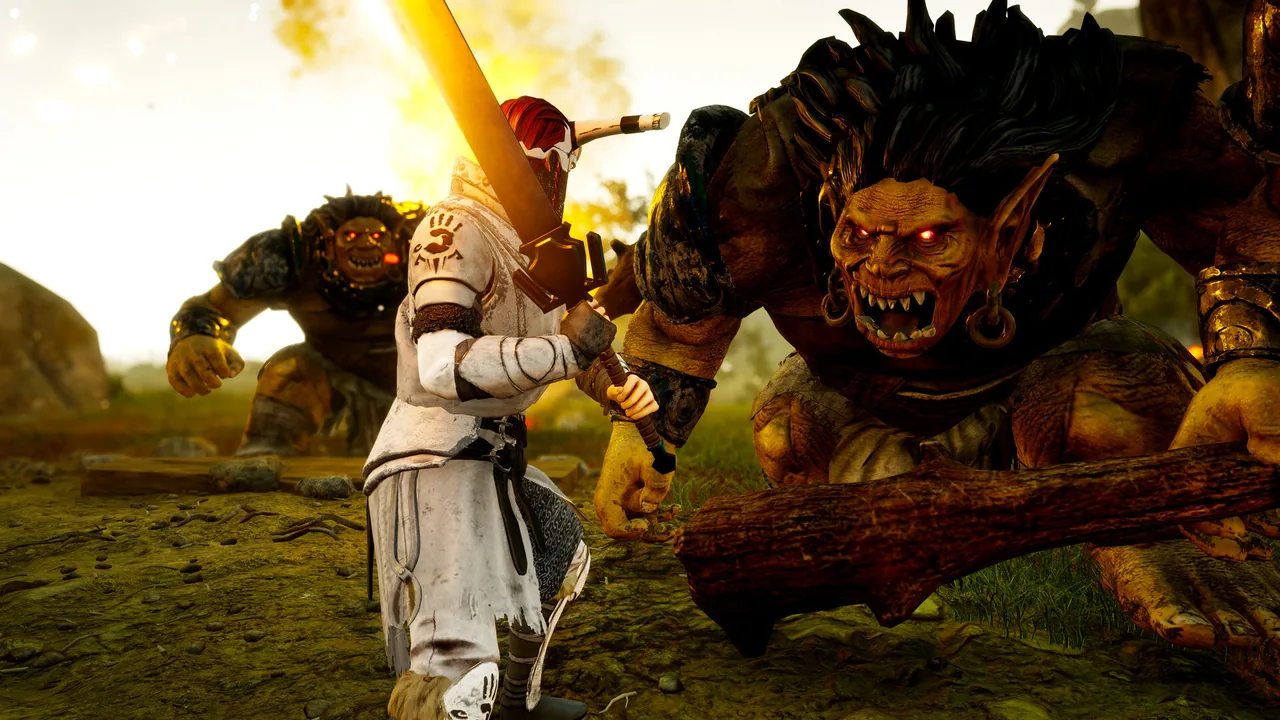
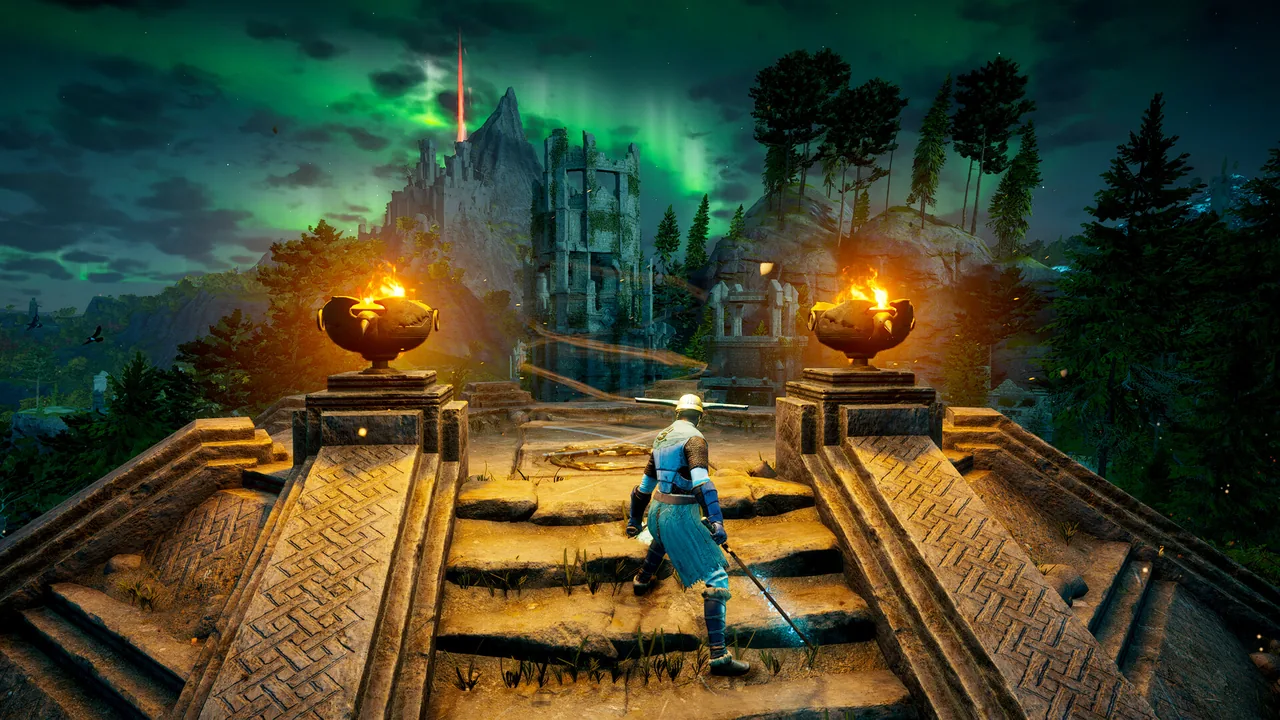
- The Scandinavian-folklore setting and biome variety draw consistent praise even from critical reviewers, with distinct forests, caves, ruins and mountains giving the world real visual identity
- The card-based build system, where players draft passive upgrades and gear enhancements between runs, is credited by dedicated fans as genuinely engaging once its strategy is understood
- The developer removed the always-online and third-party account requirement within a few months of launch after player backlash, a real, verifiable fix rather than an empty promise
Biggest weaknesses
- The game shipped requiring a persistent online connection and third-party account for what is otherwise entirely single-player content, and reviewers describe the requirement as not clearly disclosed before purchase, prompting comparisons to deceptive design
- A specific, structural design flaw draws wide, consistent criticism: exploring beyond the minimum path to each area's boss is actively punished by the corruption system, making thorough exploration counterproductive in an open-world game
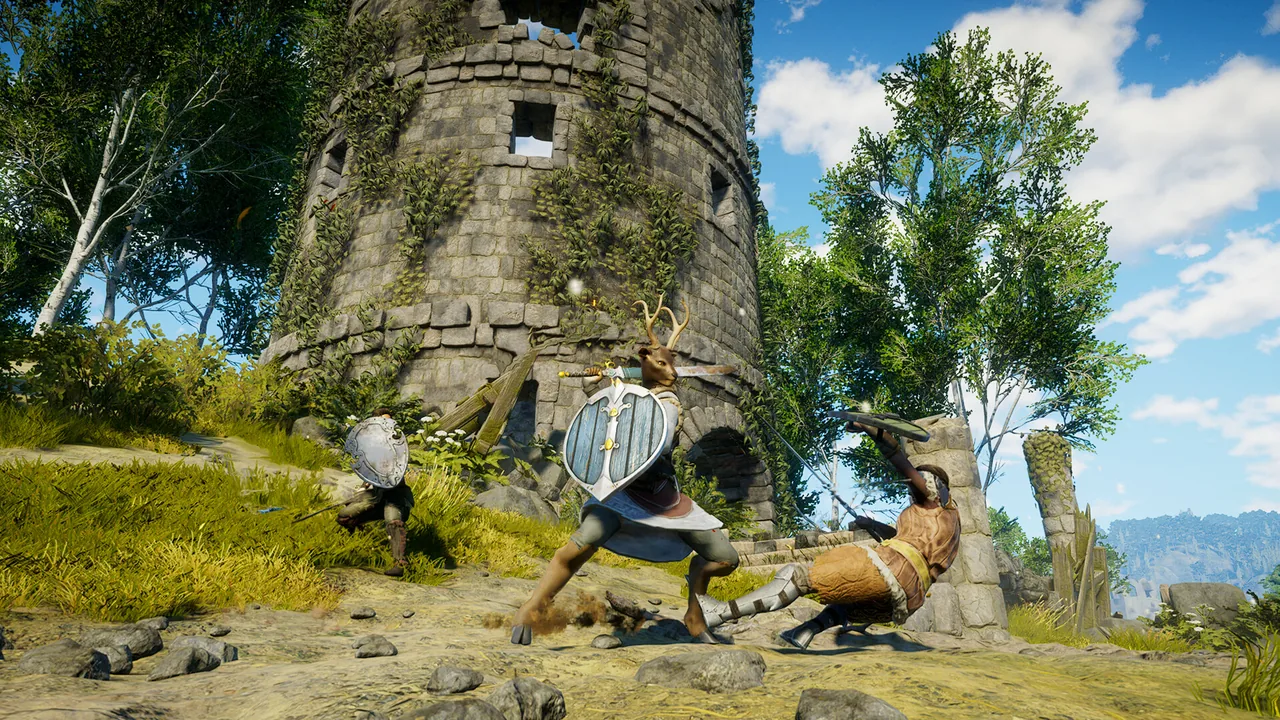
- Weapon variety is criticised as shallow, with reviewers who tried multiple weapon types describing only minor timing and damage differences rather than meaningfully distinct playstyles
Who it's for: Fans of roguelites who want a genuinely distinctive Nordic-folklore setting and can accept a short, somewhat undercooked final state; less suited to players who want an open world that rewards exploration, or a roguelite with deep weapon and build variety.
Our recommendation: An interesting idea that never got the time to fully develop — worth a look on a deep discount for its setting and card-build system, not recommended at full price given how quickly the studio stopped supporting it.
5.5 / 10
Introduction
Ravenbound casts the player as the Vessel of an ancient power moving through Ávalt, a Scandinavian-folklore-inspired world being consumed by a spreading corruption, fighting through biomes and area bosses while building out a run's strength through a card-based passive upgrade system. Developed by Systemic Reaction and published by Avalanche Studios, it released 30 March 2023 for NZ$43.59. Over three years on, it holds 994 Steam reviews sitting at a lifetime Mixed, roughly 54.3%, with recent sentiment holding close at 56%. This review reads a substantial share of both the negative and positive samples, and finds a game whose launch controversy and short development window together explain most of its reputation.
A launch controversy that was, to the developer's credit, actually fixed
The dominant story in this review's early sample is a specific, credible controversy: Ravenbound shipped requiring a persistent online connection and a third-party Apex Connect account even to play its entirely single-player content, and reviewers describe this requirement as undisclosed before purchase — one detailed reviewer called it feeling "like stolen-ware" given how the game quietly needed a live connection for offline-style content. This drew real backlash in the days after launch, loud enough that Systemic Reaction published a public announcement acknowledging player feedback on the always-online requirement. What sets this apart from similar controversies this review has covered elsewhere is the resolution: within a few months, patches removed the forced online and third-party account requirement entirely, and returning reviewers specifically confirm the fix worked as advertised. That's a genuine, verified correction rather than a promise left unfulfilled, and it deserves credit even though it shouldn't have been necessary in the first place.
A structural flaw the patches never touched
What the developer didn't fix is a different, more fundamental design problem this review's sample raises with real consistency: Ravenbound actively punishes exploration in a game framed as an open world. Every camp and enemy base carries a corruption timer, and reviewers describe a design where lingering to explore or fight optional content works against the player rather than rewarding curiosity, pushing toward a repetitive pattern of beelining straight to each area's boss instead. Several reviewers specifically call this the single biggest problem with the game's structure, describing it as incorporating the weaker aspects of both the open-world and roguelite genres rather than their strengths. Weapon variety draws a related, smaller complaint — reviewers who tried multiple weapon types across the three available describe only minor differences in timing and damage rather than genuinely distinct approaches to combat.
A short window that explains the rest
Systemic Reaction's own patch history tells the final part of the story plainly: after a burst of updates through the middle of 2023, including the fix for the always-online controversy, the studio published a farewell message to players in early October 2023, roughly six months after launch. Whatever issues remained at that point — the exploration-punishing corruption system chief among them — were never going to be revisited. For a game with genuinely distinctive ideas at its core, that short a development window is a real, disappointing part of the story reviewers consistently reference when explaining why the game never became what its premise suggested.
Final Verdict
Ravenbound has real, distinctive ideas — a genuinely striking Nordic-folklore setting, a card-based build system dedicated fans credit as engaging once understood, and combat animation work even critics acknowledge as smooth. Its reputation is shaped just as much by what happened around the game as by the game itself: a launch controversy over an undisclosed online requirement that the developer, to its credit, actually fixed, followed by a structural exploration-punishing flaw that never got the same attention before development wound down within its first year. For players drawn specifically to its setting and willing to accept it for what it became rather than what it might have been, Ravenbound is worth a look on a steep discount — not at full price.
Pros and cons
Pros
- The Scandinavian-folklore setting and biome variety draw consistent praise even from critical reviewers, with distinct forests, caves, ruins and mountains giving the world real visual identity
- The card-based build system, where players draft passive upgrades and gear enhancements between runs, is credited by dedicated fans as genuinely engaging once its strategy is understood
- The developer removed the always-online and third-party account requirement within a few months of launch after player backlash, a real, verifiable fix rather than an empty promise
- Combat feels responsive according to reviewers who stuck with it, with smooth animation work even critics acknowledge
Cons
- The game shipped requiring a persistent online connection and third-party account for what is otherwise entirely single-player content, and reviewers describe the requirement as not clearly disclosed before purchase, prompting comparisons to deceptive design
- A specific, structural design flaw draws wide, consistent criticism: exploring beyond the minimum path to each area's boss is actively punished by the corruption system, making thorough exploration counterproductive in an open-world game
- Weapon variety is criticised as shallow, with reviewers who tried multiple weapon types describing only minor timing and damage differences rather than meaningfully distinct playstyles
- The developer's own final update, titled a thank-you message to players, arrived roughly six months after launch, meaning whatever issues remained unresolved by October 2023 were never going to be addressed
Screenshots
-
RavenboundImage: Avalanche Studios via Steam -
RavenboundImage: Avalanche Studios via Steam -
RavenboundImage: Avalanche Studios via Steam -
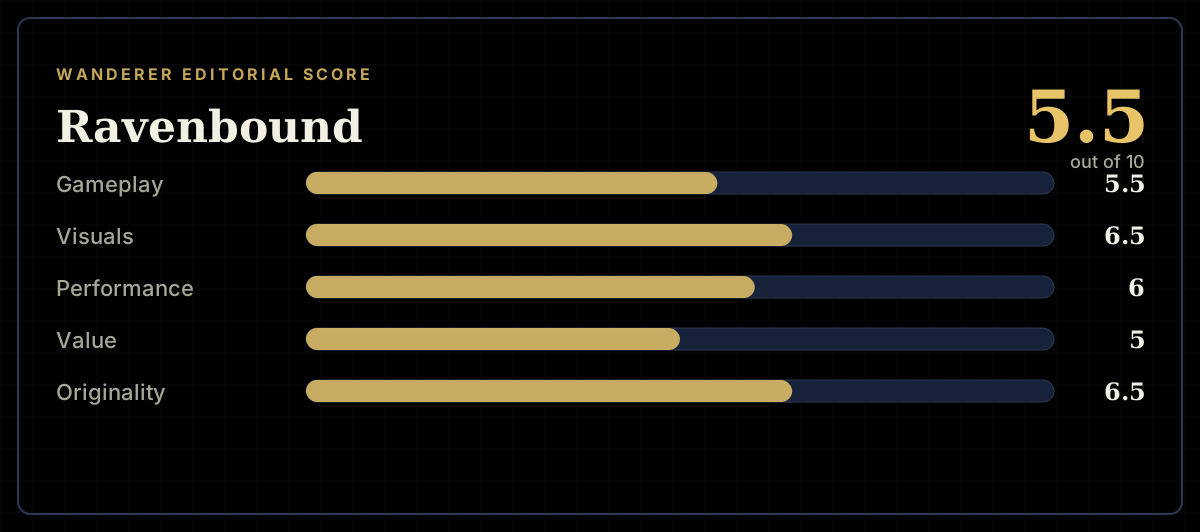
How the review scores each part of the gameWanderer Editorial -
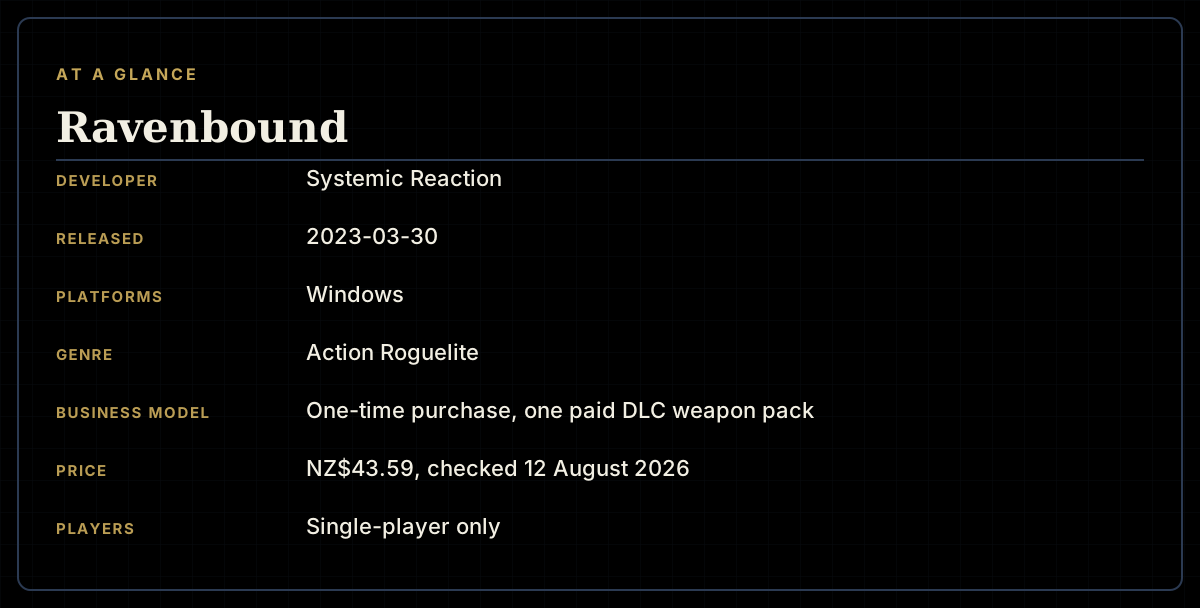
The essentials at a glanceWanderer Editorial -
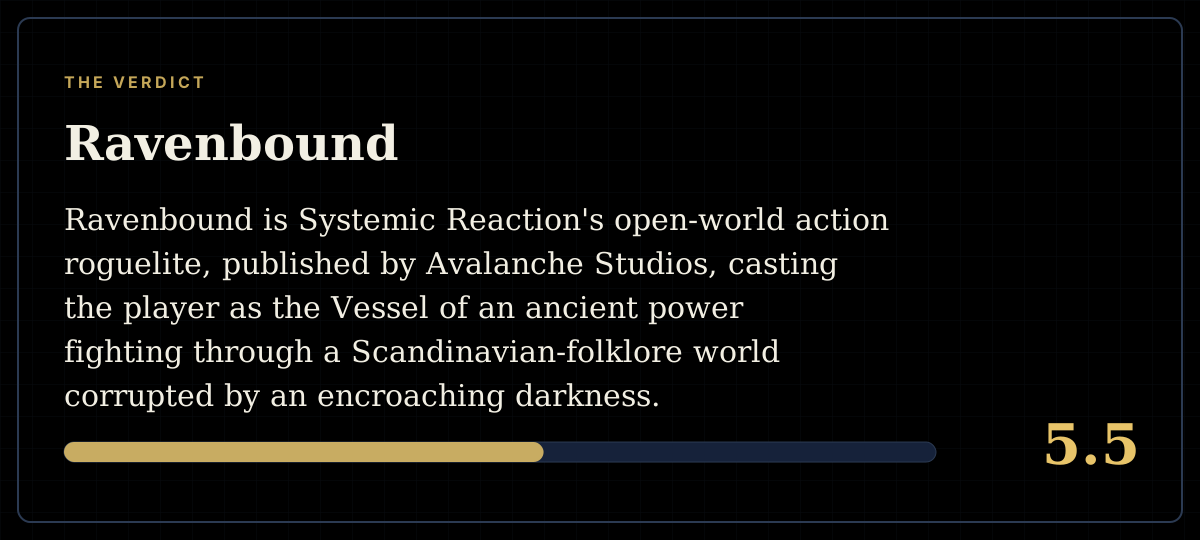
The short versionWanderer Editorial