Game review
Project RAZE: Fall of Terra Review
7 / 10
- Developer
- FearForge Studios
- Publisher
- FearForge Studios
- Released
- 16 July 2026
- Platforms
- ["Windows"]
- Genre
- Action
Building a Killing Machine, One Chapter at a Time
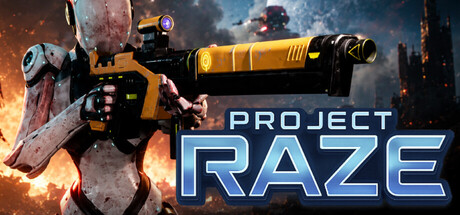
Project RAZE: Fall of Terra pitches itself plainly: a fast-paced sci-fi FPS about building the ultimate killing machine, wrapped around a story-driven campaign against robotic enemies and thousands of possible loadout combinations. It launched into Early Access on July 16 from small Czech studio FearForge Studios, and while its review sample is tiny, it's also completely unanimous — six reviews, every one positive, with several reviewers explicitly framing their praise as excitement for where the Early Access roadmap is heading rather than a verdict on a finished product.
Time Replaces Health, and That Changes Everything
The single most distinctive thing about Project RAZE is its core combat resource: rather than a conventional health bar, the game runs on a system where time itself is what you're managing, and running out ends the run rather than a health pool hitting zero. It's a mechanic none of the short reviews in the sample dwell on at length, but it's the design decision doing the most work to separate this from the wave of 90s-throwback arena shooters it could otherwise be mistaken for. One reviewer, writing a longer, more analytical review, makes a point of saying they initially assumed this would be an "ordinary derivative" of classic 90s shooters and were pleasantly surprised to find that assumption wrong once they actually played it.
A Real Campaign With Room Left to Grow
Reviewers consistently praise the story-driven structure over a simple wave-shooter loop. One reviewer calls out enjoying "blasting robots and delving deeper into the story" as the main draw, while another, who's logged nearly 18 hours already, specifically credits a great story so far and says they can't wait to see more. The more detailed review in the sample quantifies this: Chapter 1 currently offers ten story missions, enough to genuinely test a player's skills, and the developer's own news posts corroborate that this is an early slice rather than the full picture — a roadmap and a first look at Chapter 2 have already gone out within weeks of the Early Access launch, suggesting momentum rather than a one-and-done release.
Loadout Depth and Leaderboards Give It Legs
Beyond the story, reviewers are drawn to the promise of build variety and competitive replay value. Multiple reviewers mention looking forward to "cooler guns and upgrades" as the game develops, and the thousands of possible loadout combinations advertised on the store page are echoed by reviewer enthusiasm for climbing global leaderboards once they've got a build they like. For an Early Access shooter this early in its life, that kind of forward-looking enthusiasm from the existing player base is a meaningfully positive signal about the foundation being built on.
A Real Difficulty Wall, and Reviewers Are Fine With That
The sample's most detailed review is unusually blunt about who this game is and isn't for: it's a genuine challenge that will test not just a player's FPS skills but their patience, and specifically warns that casual players looking to relax after a hard day will find the opposite of relaxation here — stress and pressure instead. That same reviewer frames the difficulty as a feature rather than a flaw, predicting that players who commit will sink dozens of hours into self-improvement and challenges "worthy of only true masters of the FPS genre." It's a framing that tracks with several other reviewers' comments about needing real practice to get comfortable with the game's systems.
Early Access Rough Edges Are Already Showing
Not every note in the sample is unreserved praise. One reviewer flags having trouble navigating the game's hub menu at first, a specific and reproducible piece of interface friction rather than a vague complaint, and doesn't elaborate further on exactly which menu or option caused the confusion. The sample's more analytical review goes further, describing the game as still carrying "significant bugs" that keep it far from polished, even while praising what's underneath them, though that reviewer likewise stops short of listing specific reproduction steps. Notably, no reviewer treats either issue as disqualifying — the hub-navigation reviewer still calls the game "so much fun" in the same sentence, and the bug-flagging reviewer still lands on a firmly positive score of seven out of ten.
A Small Solo-Adjacent Studio With Visible Momentum
Running through the sample is a clear thread of goodwill toward the developer specifically. The detailed Czech-language review names developer Michal Baláž directly and expresses hope he keeps up the pace of development, a sentiment that lines up with FearForge Studios' own news history — a demo phase stretching back to April, several demo updates responding to player feedback, and a first patch and Chapter 2 preview arriving within six weeks of launch. For a studio this size, that's a genuinely active post-launch cadence.
Verdict
Project RAZE: Fall of Terra backs a familiar sci-fi shooter premise with a genuinely fresh core mechanic in its time-as-health system, a story campaign reviewers are actively excited to see more of, and a difficulty curve steep enough to reward the players willing to master it. The hub-navigation friction and the bugs one detailed reviewer flags are real, expected growing pains for a six-week-old Early Access build, not evidence of a troubled foundation. For FPS fans who want a genuine challenge and are comfortable riding out an Early Access roadmap, this is a promising, distinctive shooter worth getting in on early.
Screenshots
-
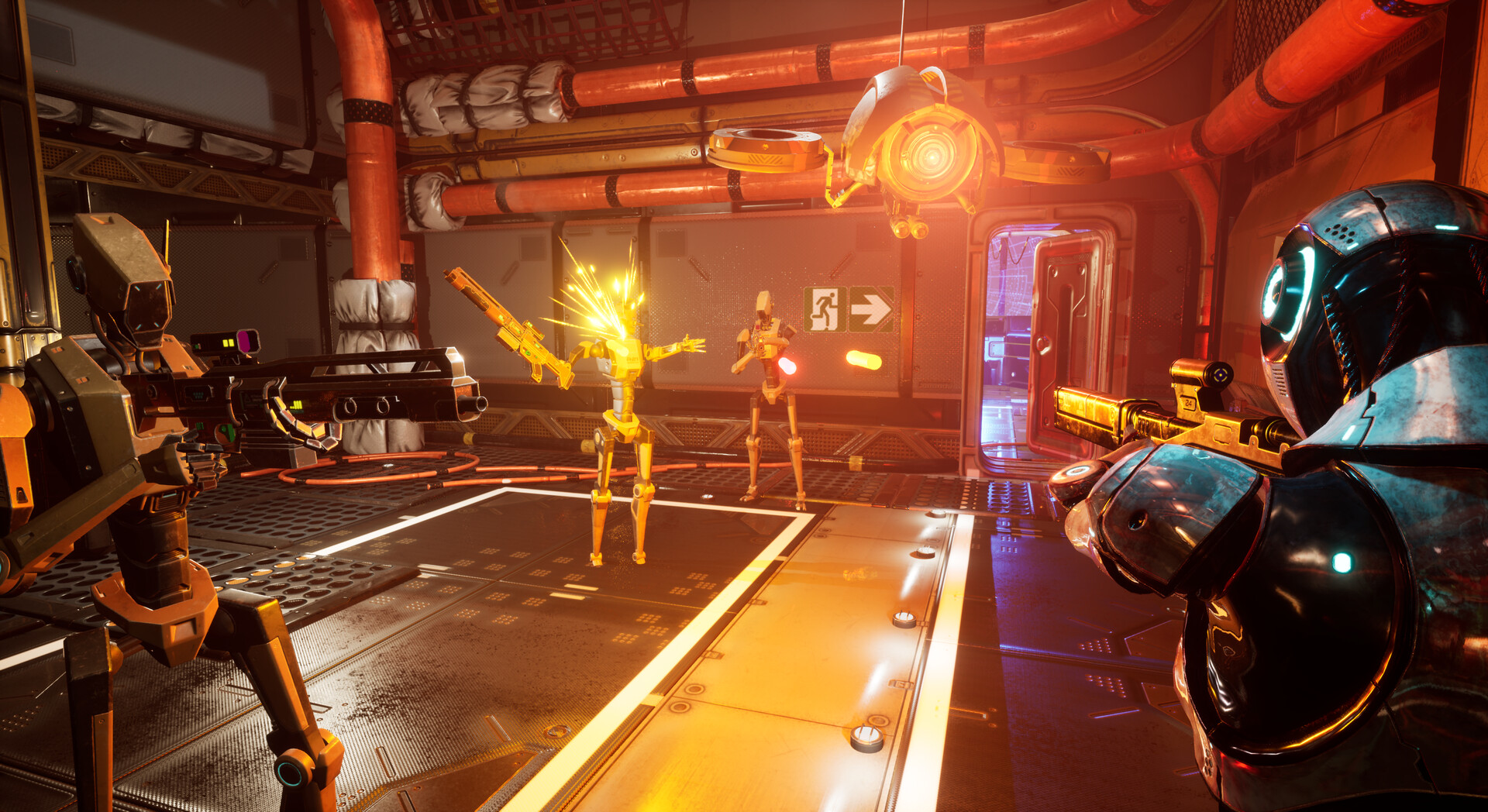
Corridor firefights against humanoid robots make up the bulk of Chapter 1's ten story missions.Image: FearForge Studios via Steam -
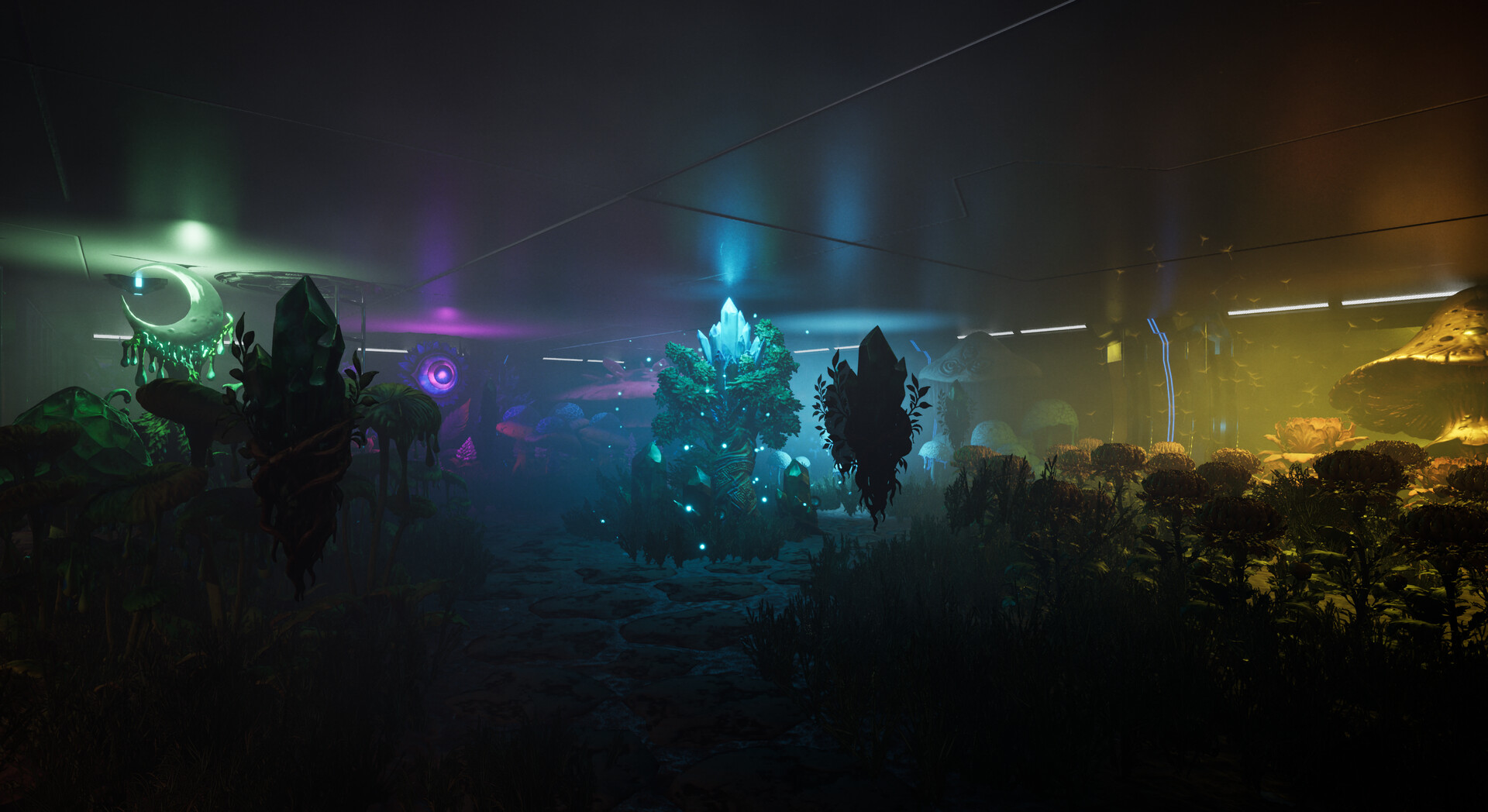
Not every environment is a metal corridor — story missions branch into stranger, more atmospheric spaces like this one.Image: FearForge Studios via Steam -
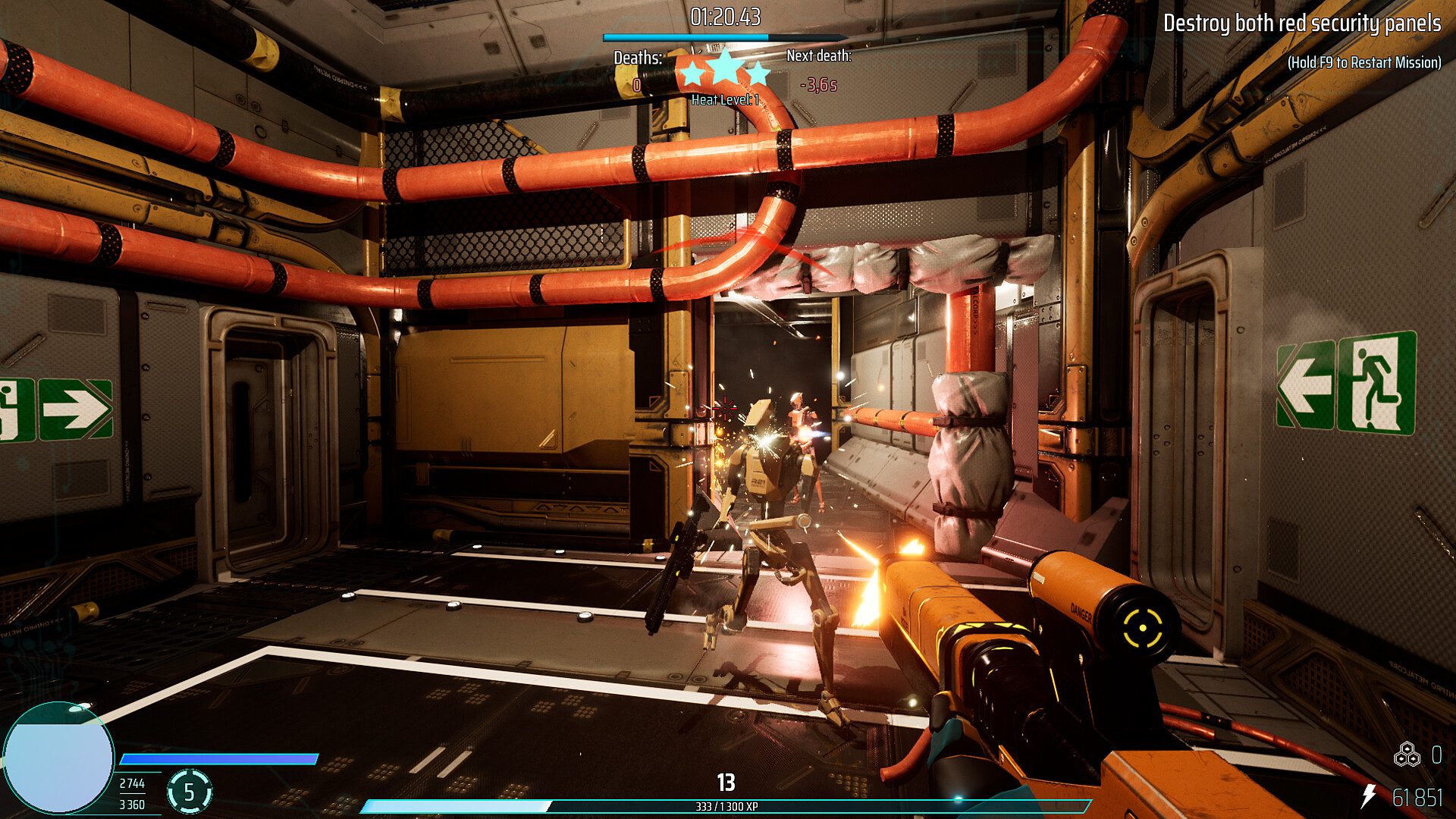
The countdown timer in the top center is the game's health bar — every death costs seconds instead of hit points.Image: FearForge Studios via Steam