
Game review
Pih 2 Review
6.5 / 10
- Developer
- BecomeANobody
- Publisher
- BecomeANobody
- Released
- 4 August 2026
- Platforms
- ["Windows"]
- Genre
- Comedy First-Person Shooter
A Sequel Buried Under Its Own Internet Legend
Pih 2 arrived on Steam on August 4, 2026, two years after its predecessor Pih (also known as Big Pig) turned into a minor internet phenomenon, and the sequel's review section has inherited that phenomenon wholesale. Of the 338 English-language reviews sampled for this piece, 93% are positive, but a striking share of them aren't reviews in any conventional sense — they're absurdist copypasta, mock religious testimony, and running in-jokes about an "Evil Sale" that supposedly marks the price up rather than down. Wading past that meme layer, though, there is a real, substantive body of feedback from players discussing Pih 2 as an actual game: a one-hit-kill comedy FPS about gunning down cartoonish pig-hybrid "Hawgs" across four seasons of levels, and a sequel that most of its own fanbase describes as a lateral move rather than a clear step forward.
The Core Shooting Loop Holds, But New Friction Gets in the Way
The fundamental pitch is unchanged from the original: one hit kills you, one hit kills most enemies, and the tension comes from split-second reads on a screen full of absurd threats. Reviewers consistently praise the new movement options layered on top of that formula, sprinting, sliding, and a double jump all draw specific approval as welcome additions that make traversal feel more modern. The new weapon roster is far more contested. Multiple reviewers point out that Pih 2 introduces ammo counts and reloading for the first time in the series, and then undercuts that change by having ammo fully replenish on death, leading several to call the whole reload mechanic pointless busywork rather than a meaningful addition. The sniper rifle draws the most specific and repeated criticism in the entire review pool, with reviewers independently describing its reload speed as crippling against fast-moving flying and aquatic enemies, to the point that more than one review says they simply stopped using it in favor of the default pistol. A cluster of negative and mixed reviews also singles out the removal of the original's time-slow and speed-up abilities as a real loss, arguing that without them, ambush-style enemies hidden around corners or behind walls feel unfair rather than challenging.
New Hawgs, Old Habits: A Sequel That Iterates More Than It Reinvents
Pih 2 expands its bestiary with named threats like the Shark-Hawg, Birdhawg, Hogoon, and Pihgator, and the sheer variety draws praise from a large share of reviewers who enjoyed discovering new enemy behaviors level by level. That said, a meaningful minority pushes back on how much of that variety is genuinely new: one detailed critical review walks through the roster and argues that later additions like the "drone pih" or "chicken pih" feel like reskins of earlier enemy types rather than fresh design ideas, and several others echo the general sense that the second half of the game leans on repetition. The vehicle-driven interludes, hot air balloon flights and boat sections replacing the original's car-chase levels, are the most consistently disliked structural change, with reviewers repeatedly describing them as slow, unresponsive, and a drag on pacing compared to the levels built around straightforward run-and-gun combat. Boss fights split opinion sharply: some reviewers rank them above the original's, while others explicitly say they miss the creative variety of Pih 1's bosses and find the new encounters comparatively same-y. Level design earns generally positive marks for verticality and visual variety, though one reviewer singles out an early spiral-staircase level as visually striking but mechanically dull, reusing the same enemy encounter on repeat for too long.
The Meme Economy Around Pih 2 Obscures a Genuinely Cheap, Short Game
Strip away the "life-changing masterpiece" hyperbole that dominates the review section, and a much plainer picture of value emerges. Reviewers who report actual playtime and completion status describe finishing the main four seasons in roughly four to eight hours depending on difficulty and completionist goals, with a comfortably wide spread of reported runs; several of the more critical write-ups peg a straightforward first playthrough closer to four hours. At its $9.99 list price, essentially every reviewer, positive or negative, treats the game as inexpensive for what it delivers, and even its harshest critics rarely frame cost as a real complaint. The "Evil Sale" running joke that saturates the review section, in which players mock-demand the price go up rather than down, is itself a tell about how the fanbase has processed the game: as a cultural artifact and meme vehicle at least as much as a piece of software to be critically assessed on its own terms, which makes isolating genuine mechanical feedback from the noise unusually difficult for a game this size.
Verdict
Pih 2 delivers exactly the absurdist, one-hit-kill shooting its predecessor made popular, with real movement upgrades that make it feel better to control, undercut by a reload system that adds friction without adding depth, a sniper rifle several reviewers call actively broken, and vehicle sections that read as a step down from the original's car levels. The Hawg roster is bigger and often funnier, but a fair number of returning fans think the sequel leans on the joke rather than building meaningfully on it, and the loss of the first game's time-manipulation tools removes a layer of tactical depth that some reviewers clearly miss. None of that changes the fact that, at ten dollars for four to eight hours of a functional, occasionally very funny comedy shooter, Pih 2 is easy to recommend to anyone who enjoyed the original. It's a harder recommendation as a meaningful evolution of the format, and reviewers hoping for one are the most likely to come away wanting a more ambitious Pih 3.
Screenshots
-
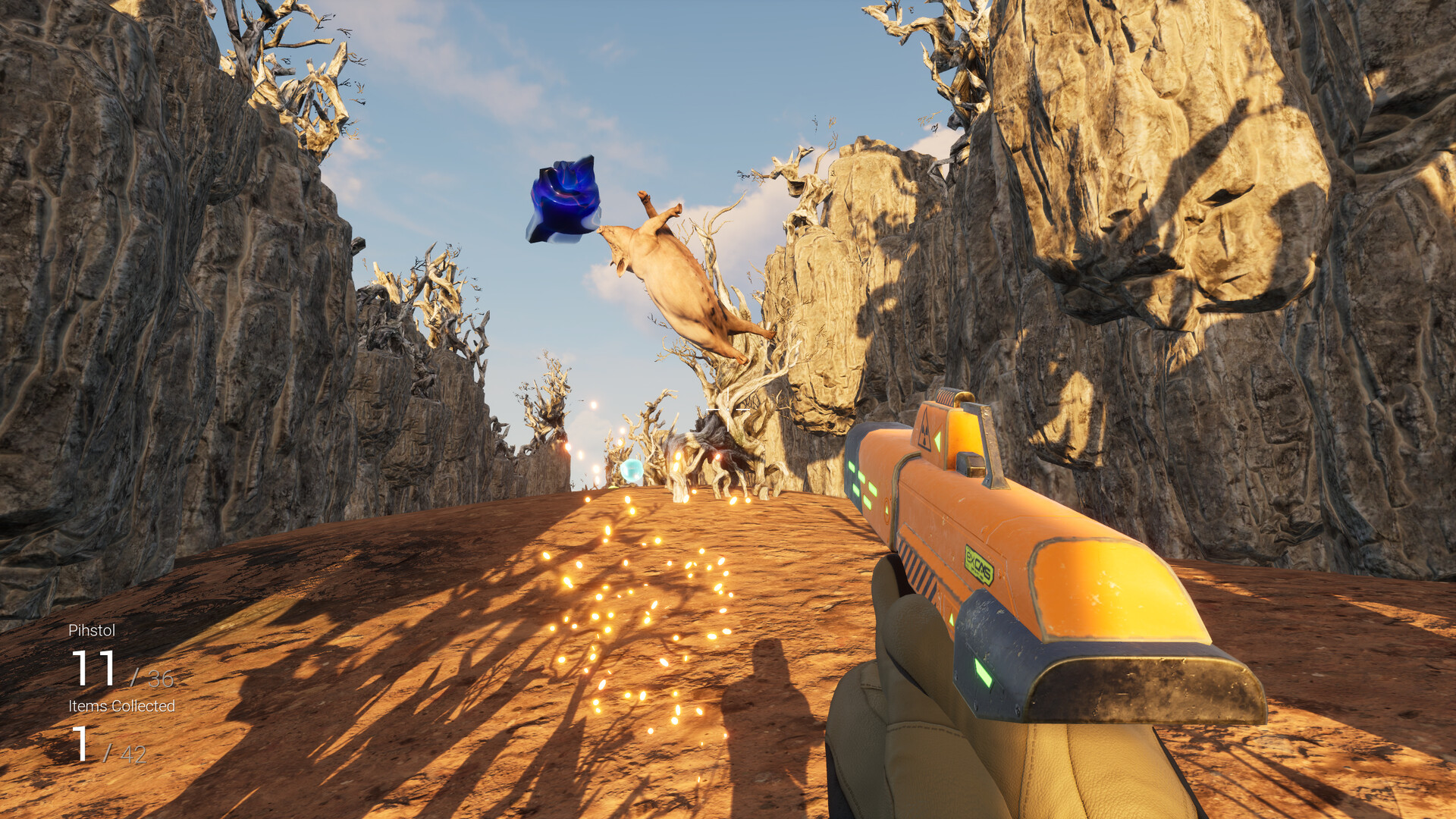
The one-hit-kill core loop returns largely unchanged, with the exaggerated ragdoll physics reviewers single out as a highlight of the combat feel.Image: BecomeANobody via Steam -
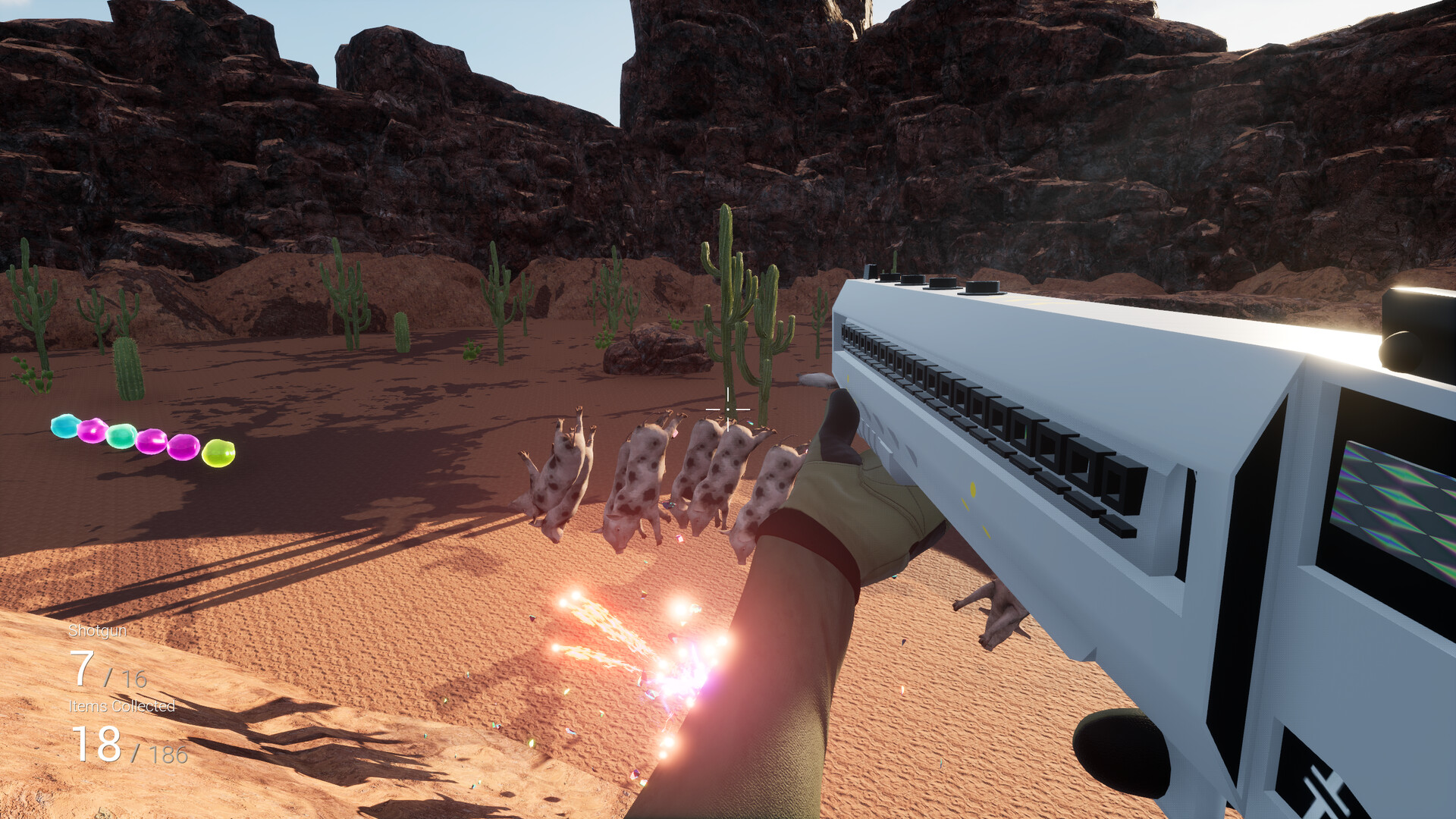
The visible ammo count is new to the series this time, and reviewers repeatedly call the reloading it forces largely pointless since a death fully restocks it anyway.Image: BecomeANobody via Steam -
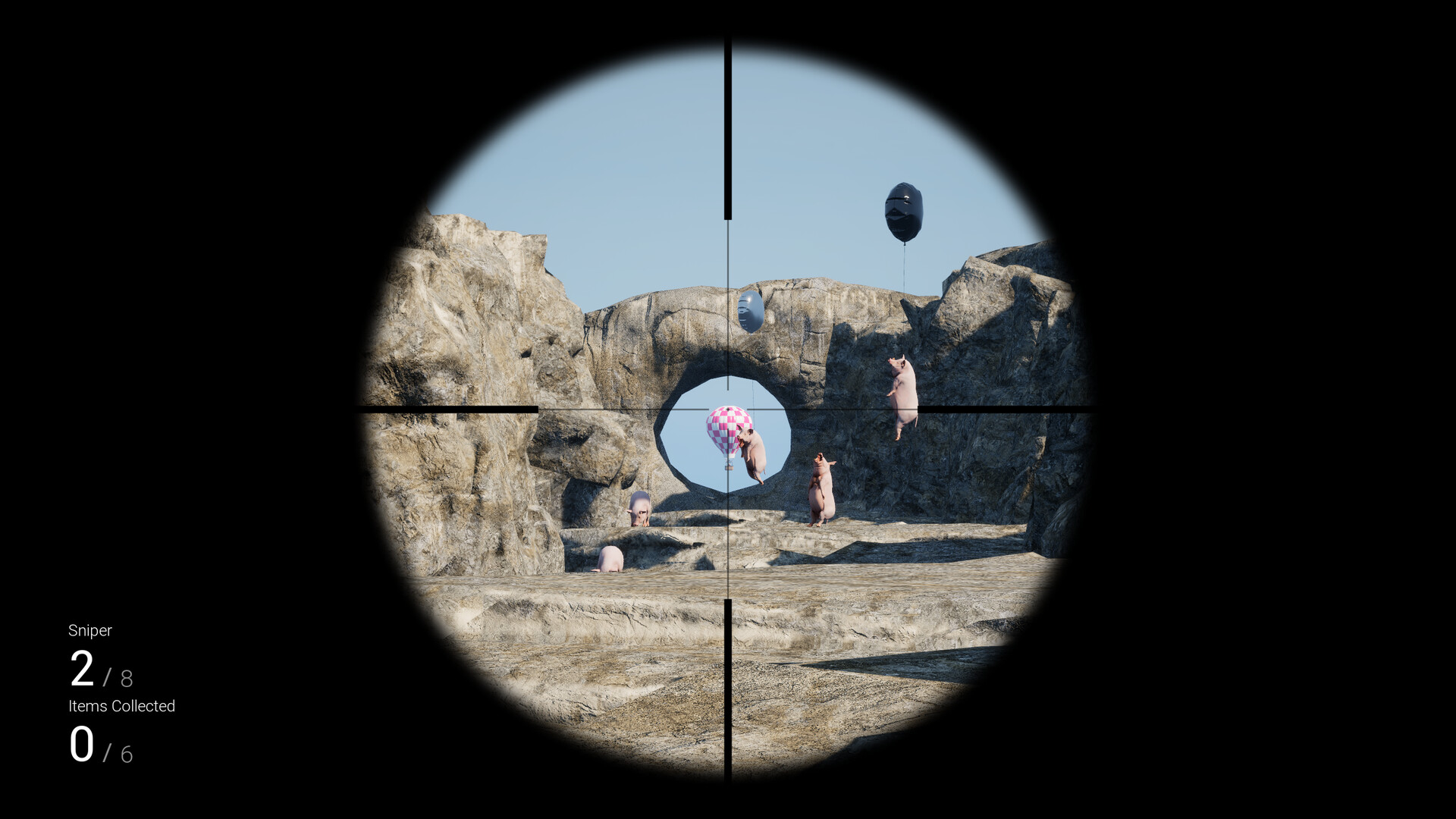
The sniper's slow reload and thin magazine are the single most repeated mechanical complaint in the review pool.Image: BecomeANobody via Steam