
Game review
Post Apocalypse Microbe Lab Review: A Desktop Ornament for Watching Little Guys
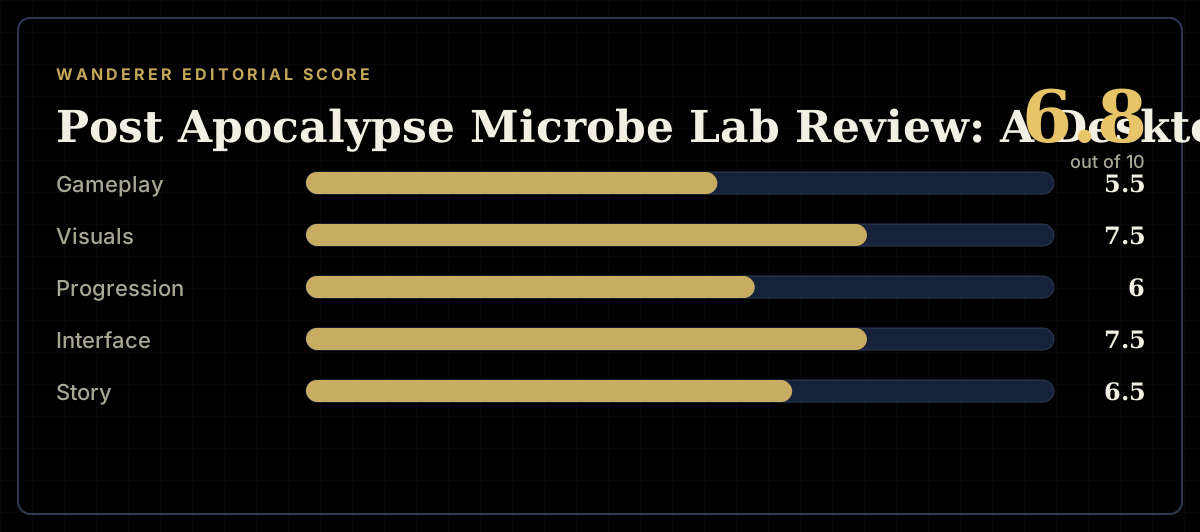
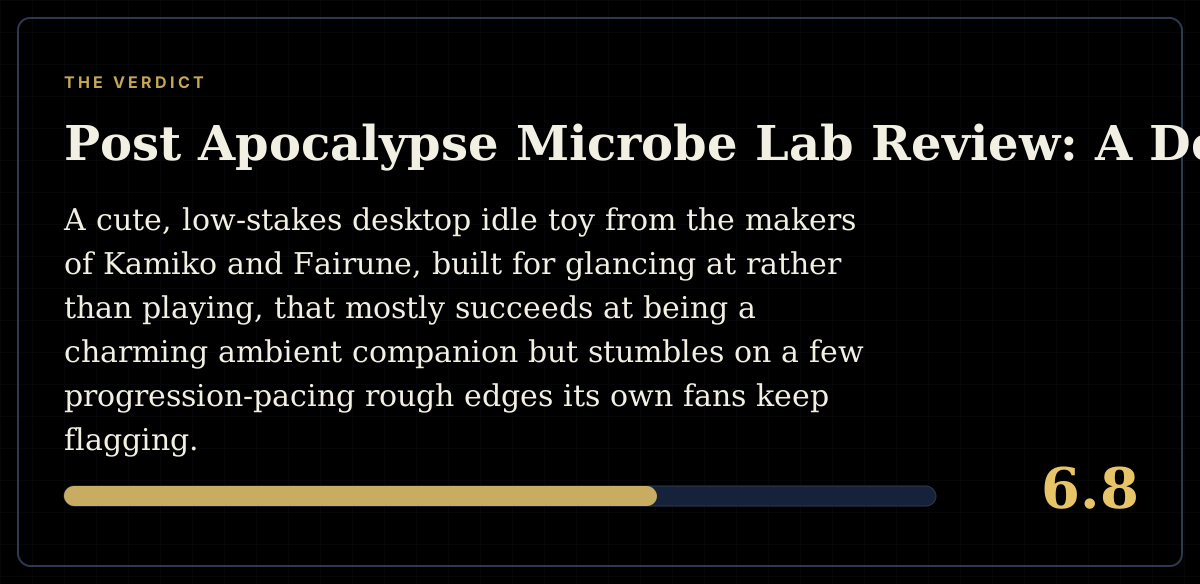
6.8 / 10
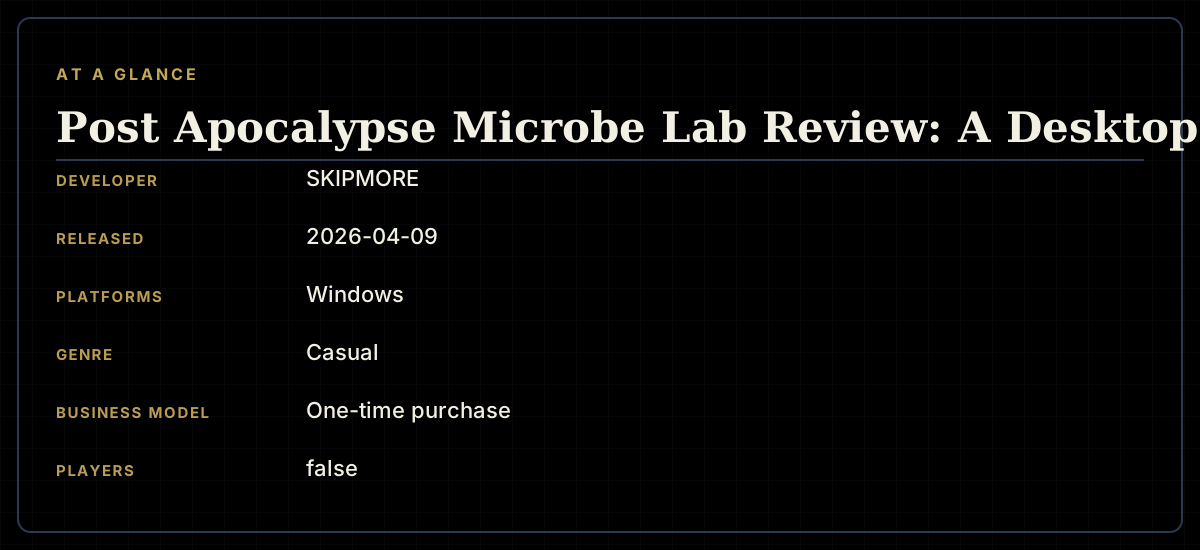
- Developer
- SKIPMORE
- Publisher
- Flyhigh Works
- Released
- 9 April 2026
- Platforms
- Windows
- Genre
- Casual
- Monetisation
- One-time purchase
- Players
- false
The short version
A cute, low-stakes desktop idle toy from the makers of Kamiko and Fairune, built for glancing at rather than playing, that mostly succeeds at being a charming ambient companion but stumbles on a few progression-pacing rough edges its own fans keep flagging.
Biggest strengths
- A genuinely charming, low-pressure premise: watch an android girl named Lyse fish for pixel-art microbes and junk in a quiet post-apocalyptic setting
- Strong, distinctive pixel-art presentation with a muted, melancholy color palette that reviewers consistently praise
- A light narrative told through unlockable 'apocalypse diary' entries that rewards long-term attention without demanding constant interaction
Biggest weaknesses
- Multiple reviewers, including several positive ones, describe it as closer to 'watching a fish tank' than an actual incremental game, with almost no meaningful player decisions once automation unlocks
- A vocal minority calls the lack of real strategic depth a waste of the game's own well-made art and story, arguing the idle-game label oversells what's here
- Early technical issues (frequent crashes, an FPS collapse tied to audio driver settings) affected some players at launch, later reported improved
Who it's for: Fans of ambient, low-interaction desktop pets and idle collection games who want something pleasant to glance at during the day; not for anyone looking for meaningful decision-making or an incremental game with real strategic depth.
Our recommendation: Buy it on sale if the concept appeals to you
6.8 / 10
A pond to leave open on your desktop
Post Apocalypse Microbe Lab, from Kamiko and Fairune developer SKIPMORE, casts you as a quiet assistant to Lyse, an android girl researching microbes in a gentle, sun-faded post-apocalyptic world. The pitch, stated plainly on the store page, is a game meant to sit in the corner of your desktop: click passing microbes to speed up research, let Lyse fish junk out of the water for coins, and spend those coins upgrading the lab. One English-language review sums up the tone precisely: watch the android girl go about her daily life as time passes and seasons change, with a story trickling out through cutscenes tied to research milestones.
The art carries more weight than the systems
Where the game consistently earns praise, across a review sample split fairly evenly between Japanese and Chinese players, is its presentation. Reviewers repeatedly single out its restrained, Game Boy Color-era pixel art and its quiet, melancholy atmosphere as genuinely well-suited to the "watching a small world in a post-apocalyptic setting" premise. One detailed Japanese review calls the balance between idle automation and light manual intervention well-tuned for players who want to check in occasionally rather than actively grind, thanks to an auto-collection tank that reduces the need for constant clicking.
The complaint almost everyone eventually raises
Despite the strong average score, a recurring thread — voiced by positive and negative reviewers alike — is that there simply isn't much game underneath the atmosphere. One blunt English-language review compares it to "watching the clock while doing nothing at your day job," arguing the well-made art and story represent wasted potential once you realize upgrades don't require any real strategic choice. A Japanese reviewer goes further, noting that after maxing out facilities there's barely any visible change, and that the mission of "collecting microbes" mostly amounts to watching Lyse fish for junk instead — a mismatch between the stated premise and what you actually spend time watching. A Chinese-language review calls the various elements ("apocalypse," "girl," "microbes") individually appealing but disconnected from each other, landing closer to a "cyber bonsai" ornament than a fully realized game.
A toy, and reviewers who are fine with that
Not every reviewer treats this as a flaw. Several explicitly reframe their expectations mid-review, describing the game as "more like a toy than an actual game" and finding real contentment in that framing once they stop expecting incremental-style optimization. A widely-upvoted Chinese review describes leaving it running on a second monitor for a full week without closing it, calling the passive, no-interruption design — tutorial prompts that fade automatically, upgrade notifications that shrink back on their own — a rare example of a developer who genuinely understands what an idle game should feel like: no popups demanding attention, just small pixel creatures wriggling quietly in the corner of the screen.
Real, if scattered, progression
The achievement data supports the "long and mostly passive" read running through the reviews: early milestones clear at 85-95%, but the percentages decline in a long, gentle slope down to 21.8% for the final tier, rather than a sharp cliff — consistent with a game that rewards simply leaving it running over time rather than active skill or difficult decision-making. One reviewer reports clearing every available achievement in a little under 200 hours to reach roughly level 100 in-game, while noting the level cap technically extends to 999 for anyone willing to leave a dedicated machine running indefinitely — a deliberately absurd extreme the game itself seems to wink at rather than expect.
A developer who responded to specific feedback
Steam's news feed shows a tight cluster of four patches in the first two and a half weeks after launch, plus a longer public beta and demo period stretching back to October 2025 that lines up cleanly with the April 9 release date. One Japanese review flags a specific bug — Lyse stops fishing once the player's money exceeds 900,000 coins, blocking a rare-junk achievement — and Steam's patch history confirms an April 25 update fixed exactly that issue within about two weeks of launch. Later updates added free cosmetic skins referencing SKIPMORE's other games (Kamiko's Uzume, Transiruby's Siruby), a nice touch for returning fans rather than new content addressing the depth complaints.
Is it worth leaving open
At its asking price, Post Apocalypse Microbe Lab is easiest to recommend to a specific kind of player: someone who wants a low-stakes, visually pleasant ambient companion rather than a game demanding attention or strategy. Judged as an incremental game with meaningful choices, several of its own fans are right that it comes up short. Judged as a desktop ornament with a light, melancholy story trickling out over dozens of idle hours, it does exactly what it promises, and the 95%-positive score from a genuinely detailed review base backs that read up.
Verdict
Post Apocalypse Microbe Lab is honest about what it is: a quiet, well-drawn curiosity cabinet you leave running rather than a game you actively play. Its charm is real and its presentation punches above its modest scope, but the near-total absence of meaningful player decisions is a legitimate structural limitation, not just a matter of taste, and it will frustrate anyone who came in expecting the strategic depth that "idle game" usually implies. Go in wanting a pixel-art fish tank with a story, and you'll likely come away satisfied — go in wanting a real incremental with meaningful upgrade choices, and the same slow pacing that charms one half of the review base will read as a design failure to the other.
Pros and cons
Pros
- A genuinely charming, low-pressure premise: watch an android girl named Lyse fish for pixel-art microbes and junk in a quiet post-apocalyptic setting
- Strong, distinctive pixel-art presentation with a muted, melancholy color palette that reviewers consistently praise
- A light narrative told through unlockable 'apocalypse diary' entries that rewards long-term attention without demanding constant interaction
- Real, responsive post-launch support: a specific money-cap bug blocking a rare-item achievement was patched within about two weeks of a reviewer flagging it
Cons
- Multiple reviewers, including several positive ones, describe it as closer to 'watching a fish tank' than an actual incremental game, with almost no meaningful player decisions once automation unlocks
- A vocal minority calls the lack of real strategic depth a waste of the game's own well-made art and story, arguing the idle-game label oversells what's here
- Early technical issues (frequent crashes, an FPS collapse tied to audio driver settings) affected some players at launch, later reported improved
- Full completion of the achievement list takes roughly 150-200 hours of largely passive play, which some reviewers find excessive even for an idle game
Screenshots
-
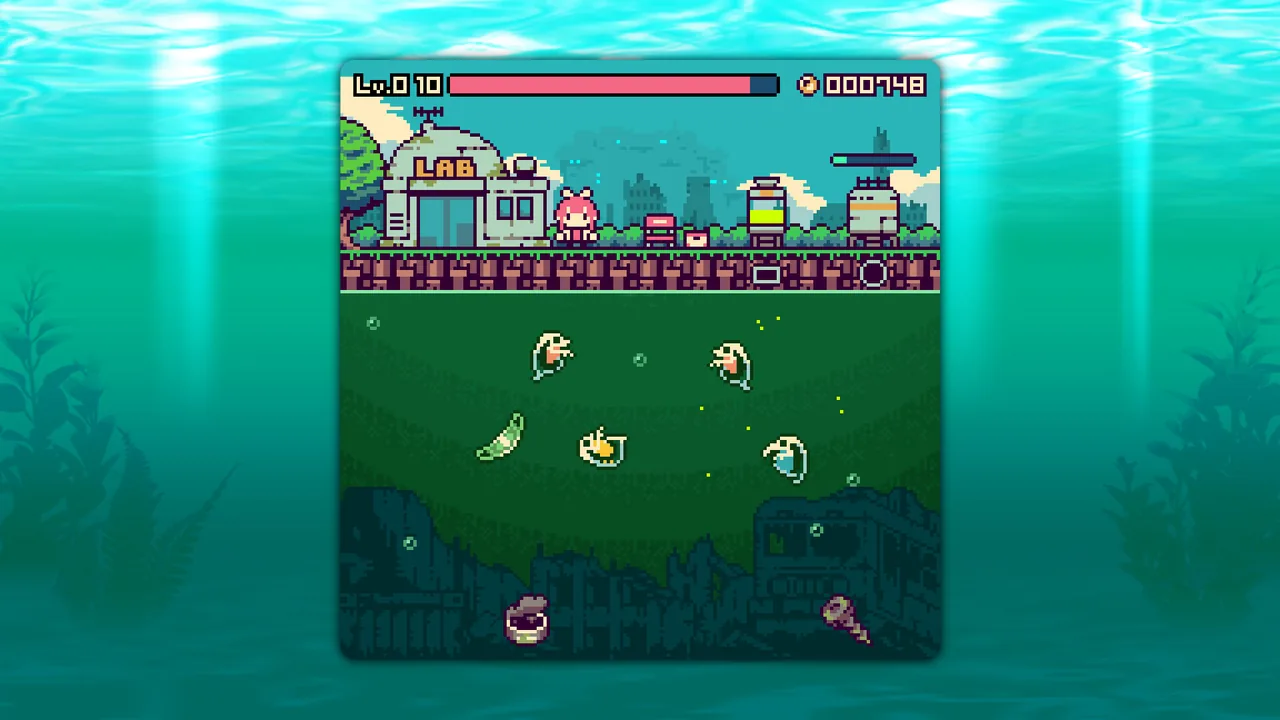
Image: SKIPMORE via Steam -
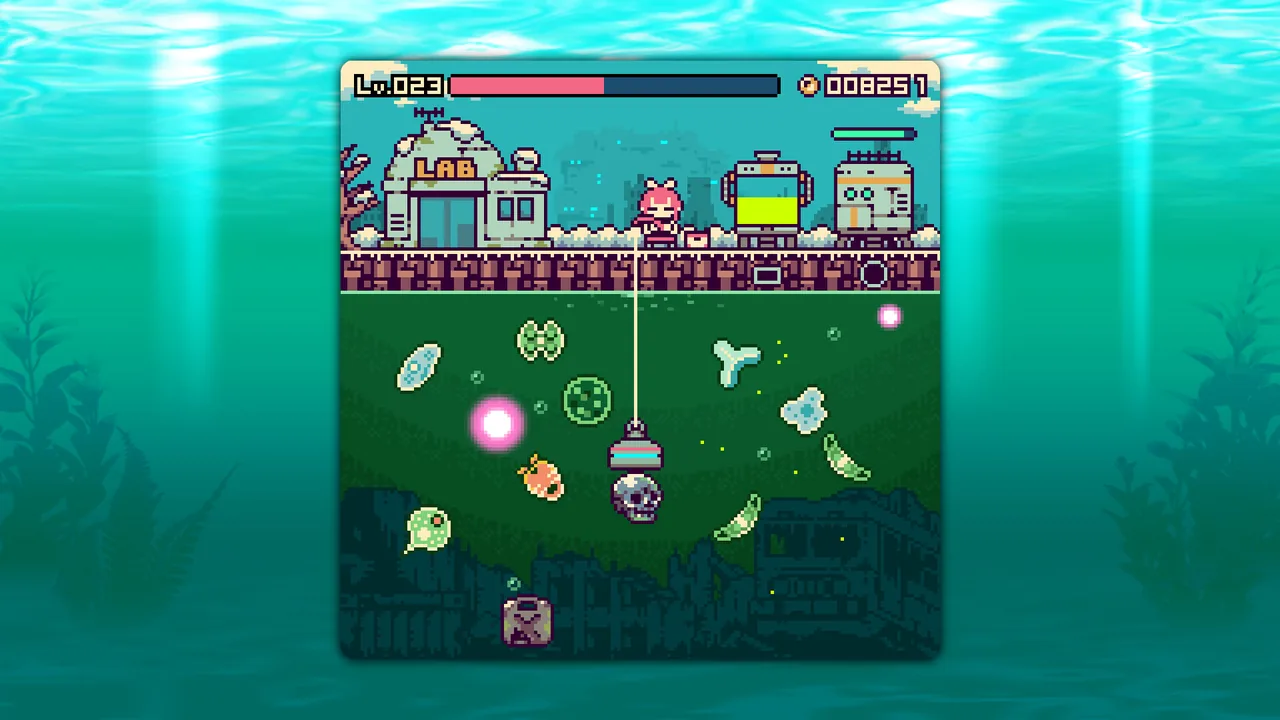
Image: SKIPMORE via Steam -
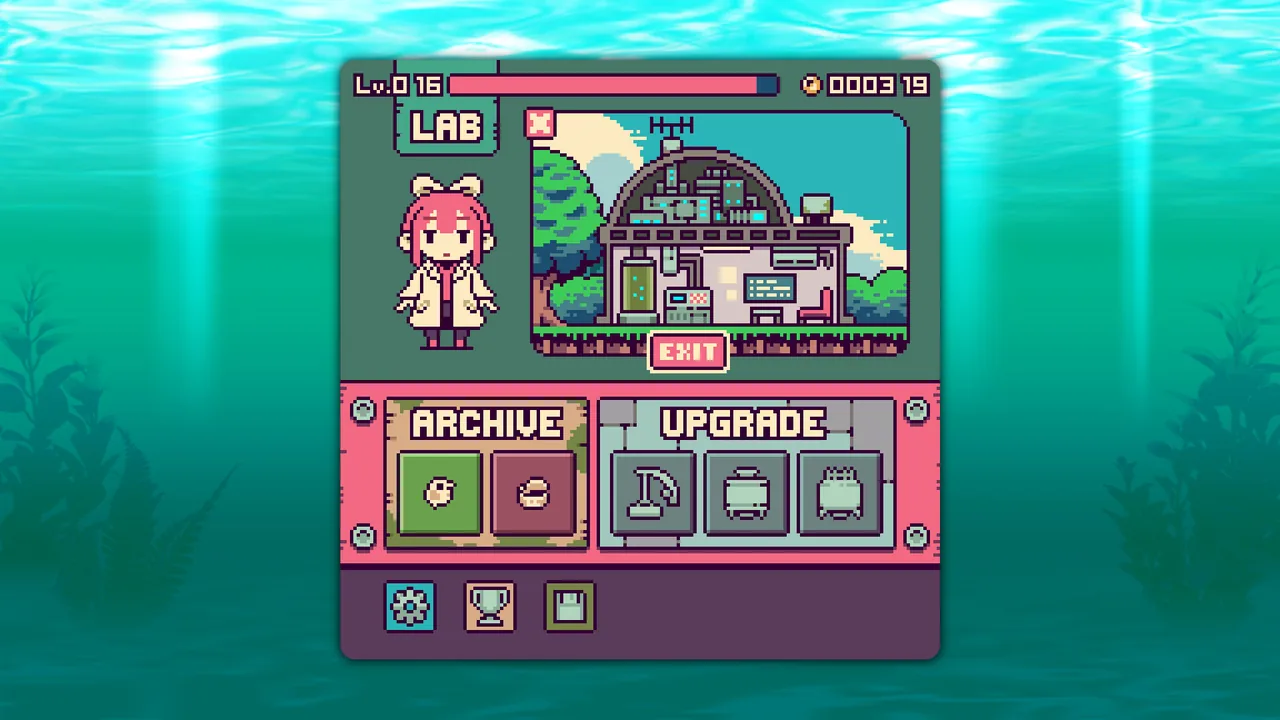
Image: SKIPMORE via Steam -
Wanderer Editorial -
Wanderer Editorial -
Wanderer Editorial