Game review
Persona5: The Phantom X
5.5 / 10
- Developer
- ATLUS, Perfect World
- Publisher
- SEGA
- Released
- 25 June 2025
- Platforms
- Windows
- Genre
- Adventure, RPG
- Monetisation
- free-to-play
- Players
- false
The short version
Biggest strengths
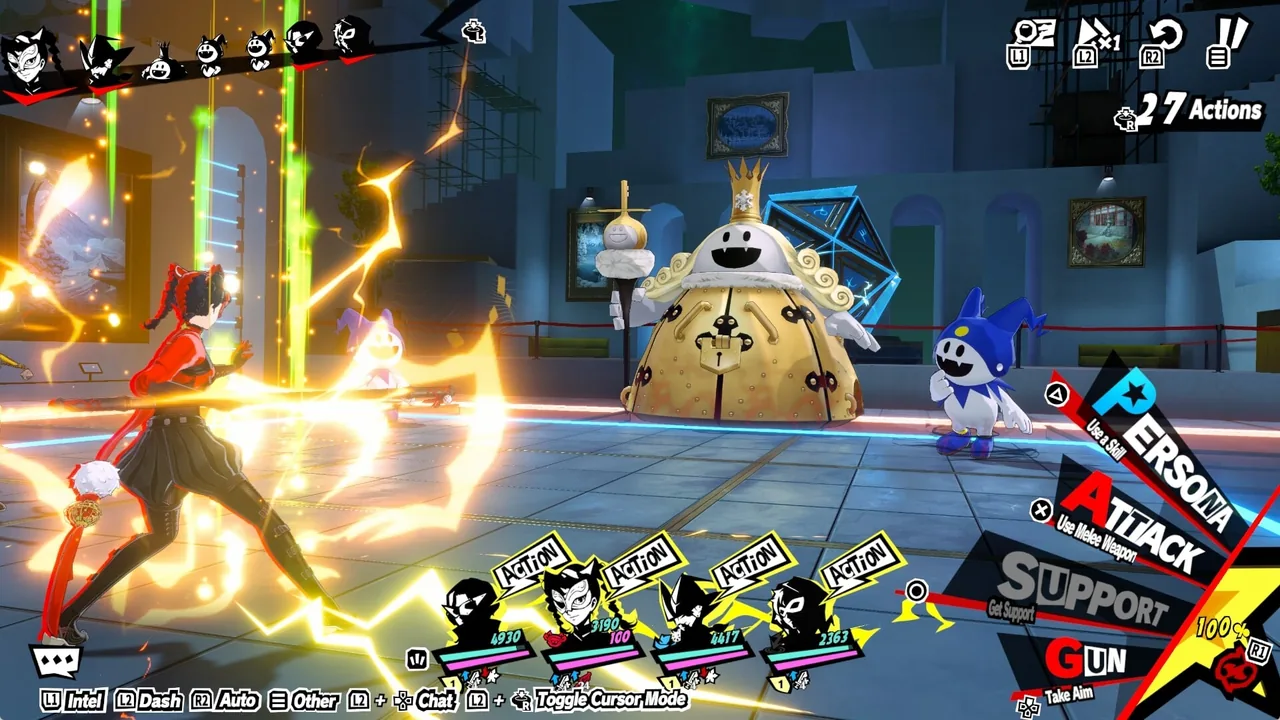
- Turn-based combat that a large share of reviewers, including several with hundreds of hours logged, called some of the most satisfying Atlus has made, expanded with new mechanics like limited skill slots and pre-battle planning
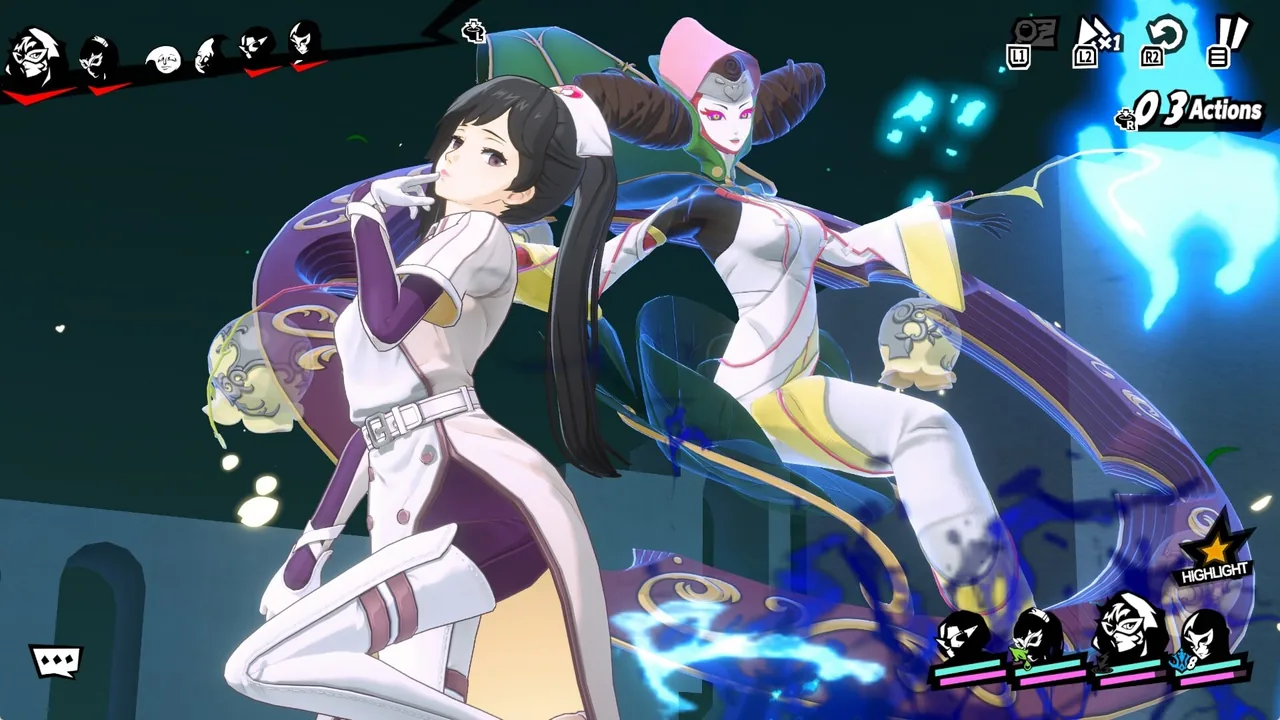
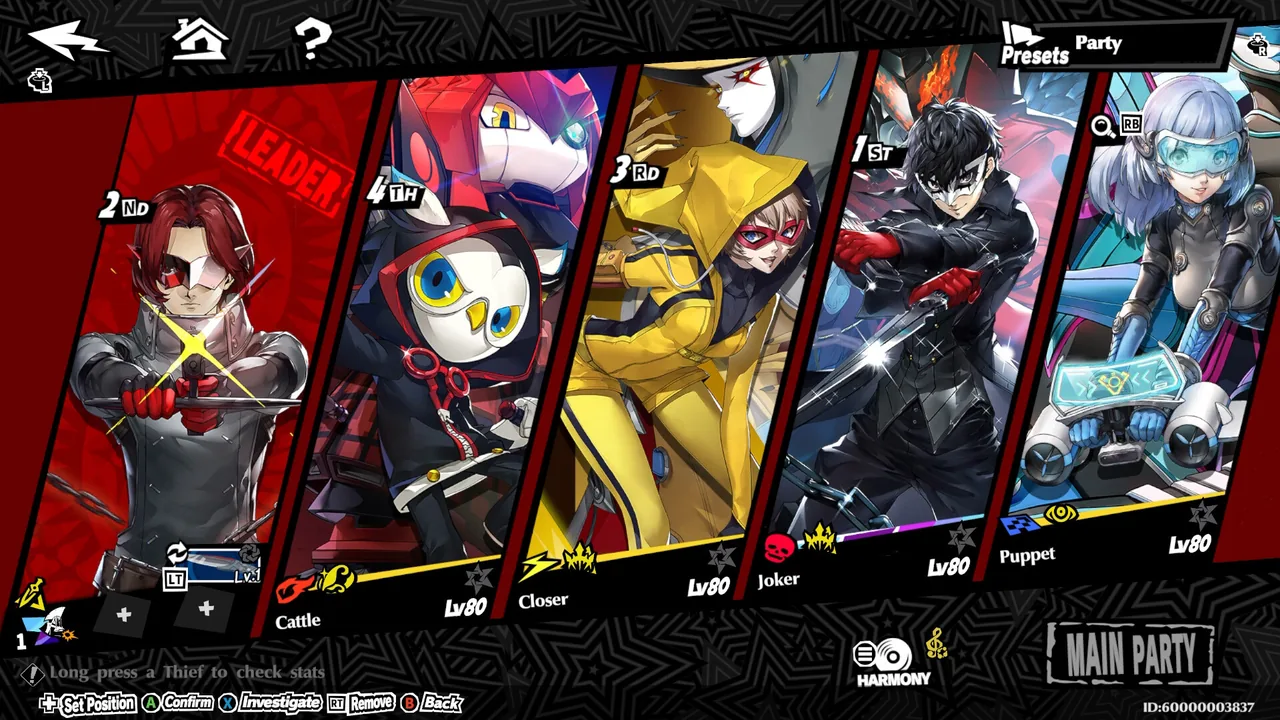
- The Phantom Idol concept lets players control original characters and even cast members from other Persona entries who were never playable before, an idea multiple reviewers praised as genuinely well integrated into series canon
- Story and character writing that, while slow to start, is repeatedly described by reviewers on both sides as reaching real Persona-quality highs once it gets going, particularly from the third chapter onward
Biggest weaknesses
- A widely and independently corroborated complaint that the opening hours are badly paced, with reviewers on both sides of the recommendation line describing early chapters as dragging through over-explained, self-evident plot beats before the story finds its footing
- Live-service systems, including stamina limits, daily/weekly reward tracks, and progression gates, that multiple detailed reviewers said actively interrupt and dilute the Persona experience the game otherwise recreates well
- Extremely large download and update sizes, repeatedly described as tens of gigabytes, paired with independently reported poor optimization including stuck loading screens and long install times
Who it's for: Persona fans craving more of the series' turn-based combat and social-bond writing between mainline releases, who are willing to push through a slow opening and tolerate live-service gacha systems to get there
Our recommendation: mixed
5.5 / 10
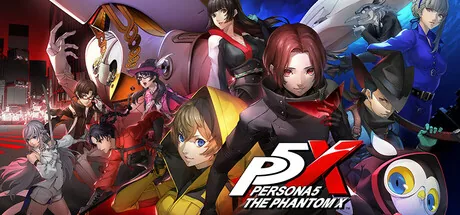
Persona5: The Phantom X launched on Steam on June 25, 2025, a free-to-play gacha RPG developed by ATLUS with Perfect World and published by SEGA, set alongside the events of Persona 5 with a new cast of Phantom Thieves-adjacent "Phantom Idols" navigating their own Palaces. It sits at Mixed, 4,359 to 4,554 across 8,913 English reviews, an almost perfectly even split, and unusually for a game this contentious, the negative and positive reviews largely agree on what the game's actual strengths and weaknesses are; they simply disagree on whether the good outweighs the bad.
The clearest point of near-universal agreement, on both sides of the recommendation line, is that the combat and core Persona-quality storytelling are genuinely present here. One reviewer with 2,067 hours logged called it "my main mobile RPG for now... since it fulfills the Persona gap between titles," specifically praising how the Phantom Idol framing "allows you to play as characters you could never play in mainline or even off-shoot Persona games." Another, more measured 304-hour review made the same point even while ultimately criticizing the game's structure: "there is a genuinely excellent Persona game hiding inside Persona 5: The Phantom X. The story is engaging, the cast is enjoyable, the combat is some of the most satisfying turn-based combat Atlus has made... When the game lets you simply play, it absolutely feels like Persona." That a reviewer this critical still opens with that kind of praise says a lot about where the actual disagreement lies.
That disagreement centers overwhelmingly on pacing and live-service structure, both raised independently and repeatedly across the review pool regardless of overall recommendation. On pacing, one detailed negative review complained the game "just drags so badly," describing the opening hours as spending "half the runtime... telling you about self-evident 'Phantoms'" before the plot moves forward, while a separate, ultimately positive reviewer conceded the same thing in gentler terms: "the story... takes comically long to actually get interesting — although when it does get interesting, it gets REALLY good," and specifically credited a reported writer change after the first two chapters for the improvement. A third reviewer, writing after 337 hours, agreed almost word for word: "the game finally stopped being a direct Persona 5 ripoff and now has its own ideas in the story." That three separate reviewers, across very different overall verdicts, converge on the exact same "it gets good around chapter three" timeline is a strong, specific signal rather than a vague complaint about slow starts in general.
The second major, heavily corroborated thread concerns live-service gating actively working against the Persona formula the game otherwise recreates well. The same 304-hour reviewer who praised the "genuinely excellent Persona game hiding inside" spent much of their review detailing how "stamina limits, progression gates, event currencies, daily checklists, and systems designed to dictate how long and how often you're allowed to play" constantly interrupt that experience, concluding pointedly: "what I do mind is the game deciding that I've had enough fun for today." A separate negative review reached a nearly identical conclusion about "seventeen individually moving exclamation marked menus permanently affixed to the screen, trying to get you to spend money" across multiple currency and reward tracks. This isn't a minority complaint about gacha monetization in the abstract; it's specifically about how those systems interrupt gameplay loops reviewers otherwise enjoy.
Technical complaints form a third, independently corroborated thread. Multiple reviewers described extremely large download and update sizes, one specifically citing "almost 60gbs of install [size]" just to play a mobile-first game on PC, while a separate reviewer called the game "poorly optimised and... locked behind millions of downloads," directly unfavorably comparing its PC performance to running the mainline Persona 5 Royal on a PS5 with weaker specs. Multiple reviewers also independently reported stuck or endless loading screens on first launch.
On the gacha economy specifically, opinions genuinely split rather than converge. Several long-term free-to-play players defended the system as unusually generous, with one writing "every piece of content is fully clearable as a F2P" and crediting the developers for "grandfathering in banner summons to the main pool," a design choice they argued should be a baseline standard across the genre. Against that, one heavily invested reviewer with 481 hours called the artifact system "legitimately the worst... I have come across in any gacha ive ever played," specifically criticizing the removal of a flexible "off-piece" slot present in comparable games, while another flagged the requirement to pull separately for characters and their signature weapons as an added, unwelcome cost layer. Both camps clearly have deep genre experience, which makes this a genuine, credible disagreement rather than one side simply not understanding gacha conventions.
A smaller but recurring thread of complaints concerns account safety and control-scheme friction unique to a mobile-first game running on PC. One reviewer described losing roughly 400 hours of progress to a data wipe during an update, a severe enough loss that it flipped their recommendation to negative despite otherwise enjoying the game. Another flagged clumsy gamepad integration that forces players to switch constantly between controller and mouse because the UI is clearly designed for touchscreens first, a friction point echoed by a separate reviewer who called the interface "absolutely unreadable" on a monitor. A newer, more mechanically specific complaint concerns "Revelation Cards," a system introduced without any in-game explanation despite affecting every single battle; one detailed reviewer said they had to hunt down third-party community guides just to understand a mechanic the base game never bothered to teach. None of these are dealbreakers on their own, but together they paint a picture of a PC port that hasn't fully shed its mobile-first assumptions.
Persona5: The Phantom X earns its Mixed rating honestly: the combat, character writing, and the Phantom Idol concept are strong enough that reviewers who dislike the game still frequently praise them, but a slow, over-explained opening and live-service systems that reviewers describe as actively fighting the Persona experience they're built around are real, widely corroborated problems, not minority nitpicks. Worth trying for Persona fans willing to push through a rough first several hours at zero financial risk; a much harder recommendation for anyone hoping for an uninterrupted, mainline-quality Persona experience without the gacha friction.
Pros and cons
Pros
- Turn-based combat that a large share of reviewers, including several with hundreds of hours logged, called some of the most satisfying Atlus has made, expanded with new mechanics like limited skill slots and pre-battle planning
- The Phantom Idol concept lets players control original characters and even cast members from other Persona entries who were never playable before, an idea multiple reviewers praised as genuinely well integrated into series canon
- Story and character writing that, while slow to start, is repeatedly described by reviewers on both sides as reaching real Persona-quality highs once it gets going, particularly from the third chapter onward
- A gacha economy several long-term free-to-play reviewers described as unusually forgiving by genre standards, with banner characters folding into the general pool over time and every piece of content clearable without spending
Cons
- A widely and independently corroborated complaint that the opening hours are badly paced, with reviewers on both sides of the recommendation line describing early chapters as dragging through over-explained, self-evident plot beats before the story finds its footing
- Live-service systems, including stamina limits, daily/weekly reward tracks, and progression gates, that multiple detailed reviewers said actively interrupt and dilute the Persona experience the game otherwise recreates well
- Extremely large download and update sizes, repeatedly described as tens of gigabytes, paired with independently reported poor optimization including stuck loading screens and long install times
- A gacha structure that requires separate pulls for characters and their signature weapons, with at least one detailed high-investment review calling the underlying artifact/relic system the worst they'd encountered in any gacha game
Screenshots
-
Persona5: The Phantom XImage: SEGA via Steam -
Persona5: The Phantom XImage: SEGA via Steam -
Persona5: The Phantom XImage: SEGA via Steam