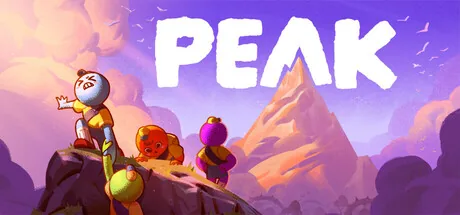
Game review
PEAK
8.5 / 10
- Developer
- Team PEAK
- Publisher
- Aggro Crab, Evil Landfall
- Released
- 16 June 2025
- Platforms
- Windows
- Genre
- Co-op Survival Climbing
- Monetisation
- One-off premium purchase, no DLC, no in-app purchases and no premium currency
- Players
- Online co-op for up to four players via friend invites, with no public matchmaking or lobby browser at time of writing — a real, confirmed missing feature rather than a bug
The short version
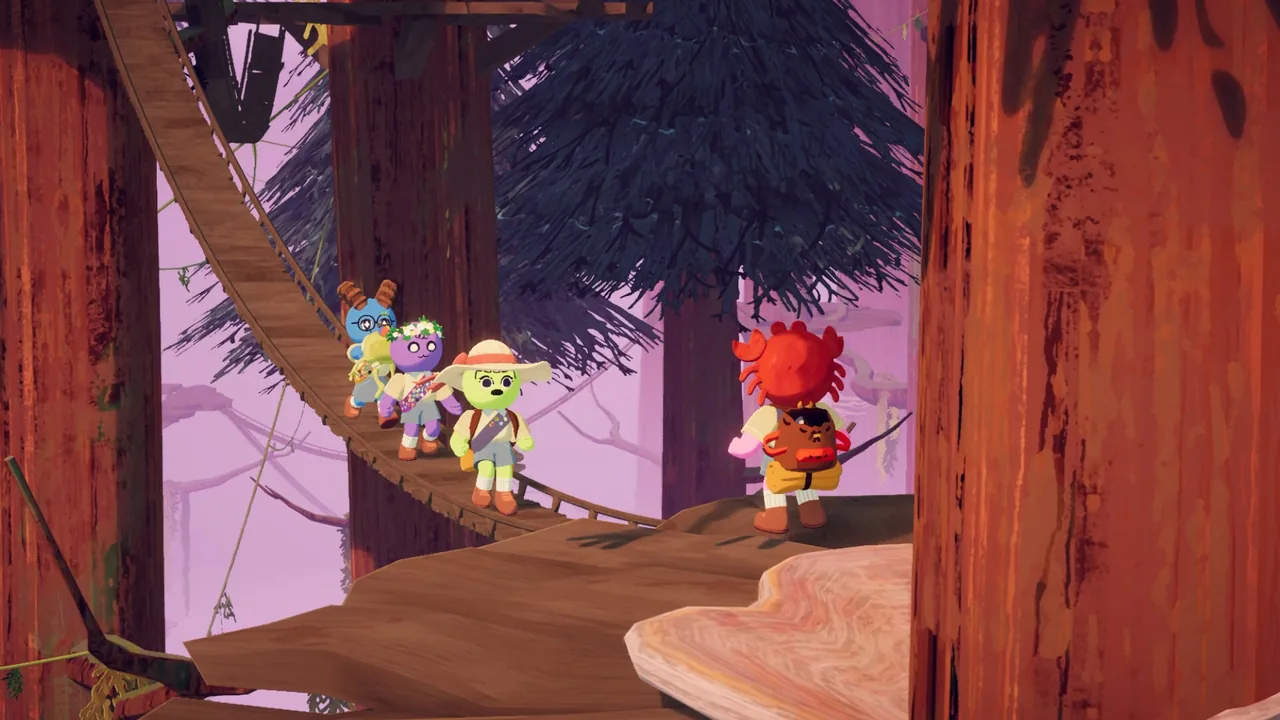
PEAK sends a group of stranded nature scouts, or a lone climber, up a physics-driven mountain that regenerates daily, relying on teamwork, ropes and a willingness to laugh at disaster to reach the summit. Very Positive across more than 276,000 Steam reviews, it's become a genuine cultural moment since its 16 June 2025 launch, selling millions of copies at a NZ$11.99 price point and inspiring the kind of specific, personal, often genuinely moving player stories — reconciled friendships, bonding with an estranged parent, introverts finding a community — that few games this size manage. That reception briefly hit real turbulence: independent press coverage confirms a genuine EULA controversy in which the developers added restrictive, unannounced terms — including a broad content-ownership claim and a forced arbitration clause — weeks after launch, only to remove the offending EULA entirely within days of the backlash and return with a properly scoped, opt-outable version. Separately, this review can confirm the developers directly, specifically addressed the sample's two most consistently repeated complaints: a March 2026 update added campfire-based mid-run saves, resolving the "no save" complaint reviewers raised constantly, and the same update introduced Custom Runs letting players adjust individual hazard settings, directly responding to widespread frustration with a later biome's punishing difficulty spike.
Biggest strengths
- The core co-op climbing experience draws overwhelming, often deeply personal praise, with reviewers describing genuine social bonding, reconciled friendships, and finding community through the game's official Discord
- At NZ$11.99, the game delivers remarkable, widely-credited value, with real replayability from its daily-regenerating mountain and unlockable difficulty tiers
- The developer has maintained an exceptionally active, near-weekly patch cadence for over a year, including a major content update that directly resolved the sample's two most common complaints
Biggest weaknesses
- No public matchmaking or lobby browser exists at time of writing, a real, confirmed missing feature for a game built around co-op that leaves solo players without friends unable to easily find a group in-client
- A later biome, Roots, introduced a difficulty spike — new enemy types and hazards — that a large share of the sample found genuinely unwelcome relative to the game's earlier, more measured pace, though Custom Runs now let players adjust this directly
- The genuine EULA controversy, even though resolved quickly, is worth knowing about directly: the original terms included a broad content-ownership claim and forced arbitration that many players found seriously objectionable
Who it's for: Anyone with three friends and an appetite for chaotic, physics-driven co-op mayhem, at a price low enough that the whole group can buy in without hesitation.
Our recommendation: One of the most purely fun co-op experiences available at any price, from a small team that has responded to its own community's feedback about as directly and specifically as any developer this session has covered.
8.5 / 10
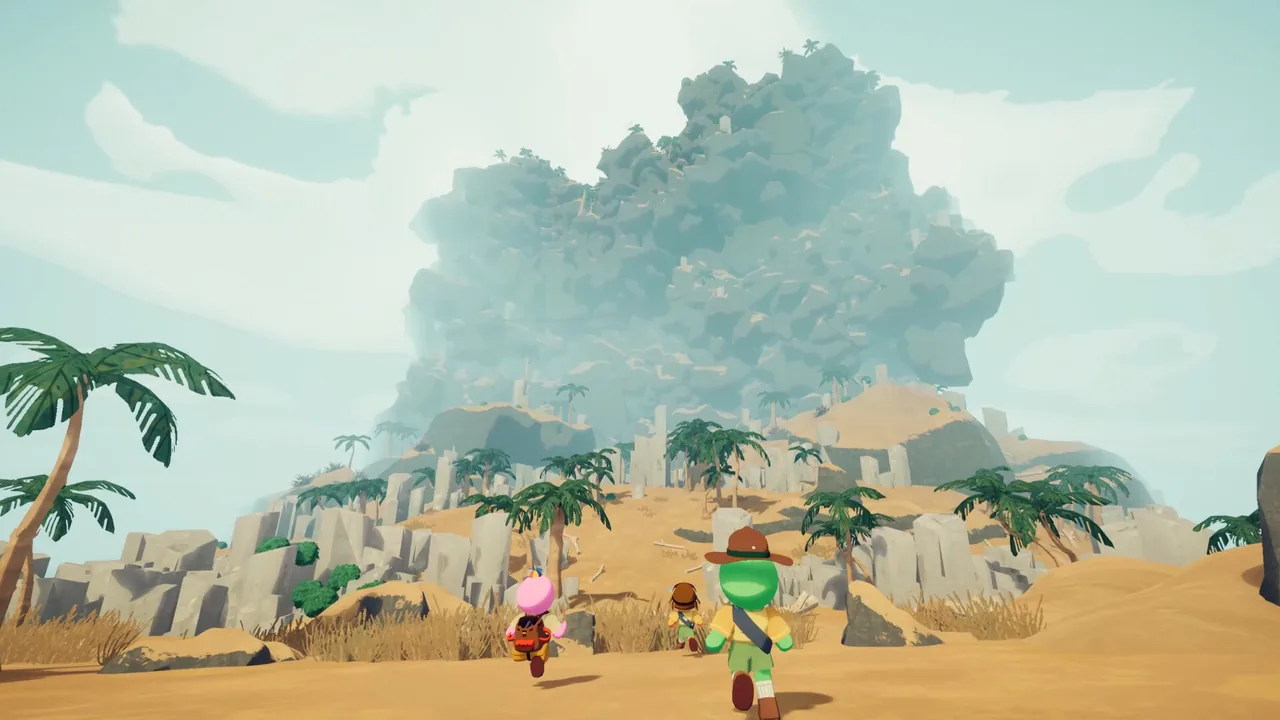
Few games arrive at NZ$11.99 and go on to become a genuine cultural phenomenon, but PEAK, released 16 June 2025 by a small independent team affiliated with Landfall, did exactly that. A co-op climbing game where a mountain regenerates every day and the slightest mistake can send a friend tumbling off a cliff, it sits at Very Positive across more than 276,000 Steam reviews — a sample filled with the kind of specific, personal stories that make clear this became more than just another indie hit. Understanding both why that devotion runs so deep, and being honest about a real EULA controversy the developers had to walk back, and precisely how thoroughly a remarkable year of patches has addressed the sample's real complaints, is what this review sets out to do.
A genuine, specific source of joy
The review sample is unusually full of reviewers describing PEAK as more than entertainment. "I once nearly fell off a tall mountain during a trip, and my friend pulled me back at the very last second. Ever since that day, seeing a hand reaching out from above fills me with a strange mix of trust, fear, and adrenaline," one review states, describing a real personal memory the game's core mechanic evoked unexpectedly. Another, more simply: "I love playing with my dad, especially when I die, I can guide my dad where to go and find our way up." A self-described introvert describes a genuinely meaningful outcome: "I bought this game for no real reason. After joining Discord, I started playing with other people, even though I'm not a very communicative person. After just a few days, I found a couple of friends who enjoy playing with me." That specific pattern — reviewers crediting the game with real social connection rather than simply praising its mechanics — recurs constantly enough across the sample to treat as the game's defining, load-bearing achievement.
Value draws equally consistent, specific credit: "Definitely has plenty of replayability for a little $8 game," one review notes, referencing the game's original launch price, while others consistently frame the roughly $12 asking price as remarkable given the hours of chaotic, memorable play it delivers.
A real EULA controversy, resolved quickly
What briefly complicated that overwhelmingly positive story was a genuine, independently documented controversy. Weeks after launch, the developers added a new End User License Agreement containing terms multiple reviewers found seriously objectionable: a broad claim over user-created content, a limited license to play the game revocable "at any time... for any reason" without obligation to keep it playable, and a forced arbitration clause restricting players' ability to pursue disputes through normal legal channels. "Games shouldn't be allowed to update or add EULA after you purchased the game and you're past the return period," one review states, a sentiment echoed by others who specifically cited quoted clause text from the agreement itself.
To the developers' real credit, independent press coverage confirms this dispute was resolved quickly and transparently rather than left to fester. The studio acknowledged some provisions had been included in error, removed the offending EULA entirely within days, and returned with a properly scoped version — one that explicitly allows players to opt out of the arbitration clause, confirmed no anti-cheat DRM would be added, and reassured players directly that sharing video content, including modded footage, was welcome rather than restricted. "The EULA requirement has been removed. If it isn't reinstated, I can recommend this game," one review states, capturing exactly the kind of conditional trust that fast, genuine developer accountability can rebuild. This review treats the episode as real and worth knowing about directly, while crediting the response as a genuinely fast, substantive correction rather than empty damage control.
The two complaints the sample repeated most — both directly addressed
Separate from the EULA episode, two specific, mechanical complaints recur constantly across the review sample. The first concerns the total absence of a mid-run save: "it doesn't support saves, which is a deal breaker for me. I rarely have more than an hour to play at a time," one review states, a frustration echoed by dozens of others describing the game's typical run length as incompatible with limited real-world play sessions. The second concerns a later biome, Roots, widely described as a punishing, unwelcome difficulty spike: "This new biome ruins the game. Why is absolutely everything trying to kill you even in tenderfoot?" one review asks, listing specific new hazards — spiders, exploding plants, poison gas, constant wind — that many reviewers felt fundamentally changed the game's earlier, more measured pace.
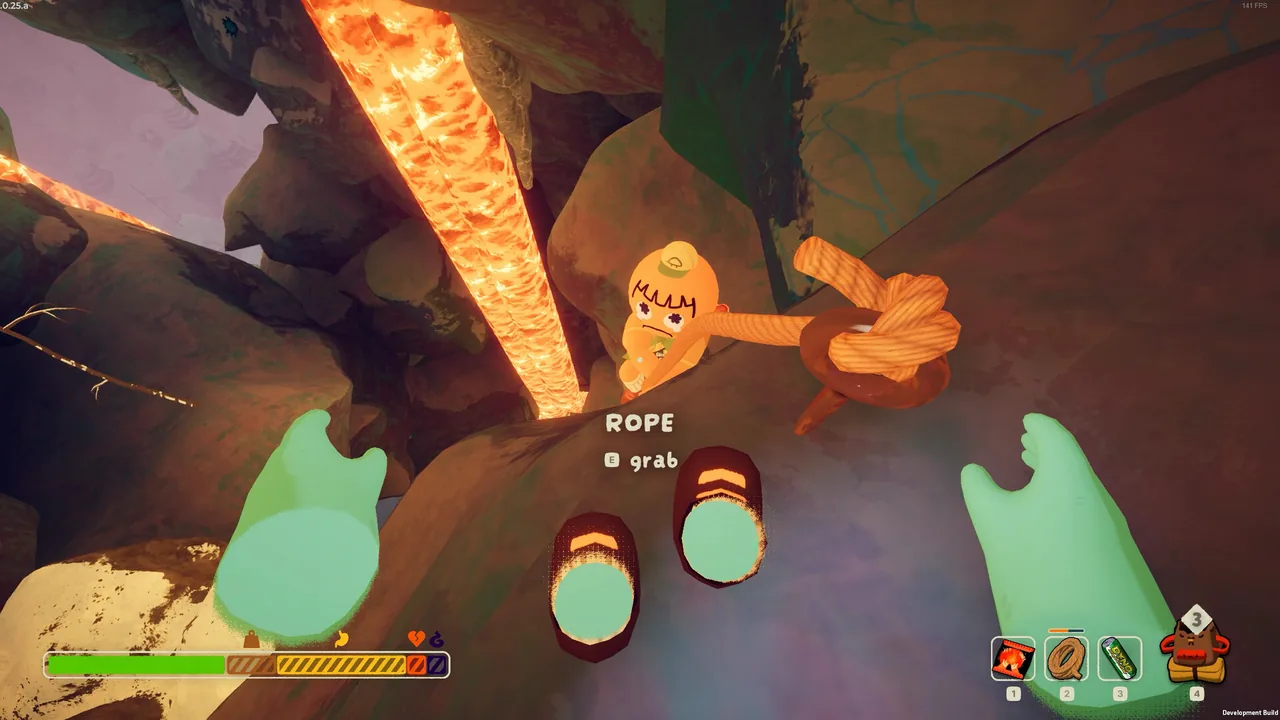
Checking the developer's own patch history directly confirms both complaints were met with real, specific, dateable solutions rather than silence. "THE PLAY IT YOUR WAY UPDATE," released 30 March 2026, introduced Campfire Autosaves — "you can now leave an expedition and continue it later," the patch notes state directly, resolving the sample's most consistently repeated complaint by name. The same update introduced Custom Runs, letting players individually adjust difficulty settings and "the presence of certain gameplay hazards," directly giving players the tools to soften or remove the specific Roots-biome difficulty spike that had frustrated so much of the sample. The update even added a "Zombie Phobia Mode" offering an alternate, less unsettling aesthetic for one specific enemy type players found especially distressing — a small but telling sign of how closely this team appears to track and respond to its own community's specific feedback.
A remaining, real gap
What hasn't been resolved is the lack of public matchmaking. "It's a multiplayer focused game. And yet there's no option to search for a public lobby, or even a server list," one review states, noting that players without an existing friend group must rely on external Discord communities to find co-op partners — a real, still-current limitation rather than something addressed by the March 2026 update. Frequent disconnections and lobby-stability issues draw their own separate, real complaints from a share of the sample as well, particularly from the game's especially high-traffic early months.
Where this leaves a buyer
At NZ$11.99, PEAK delivers extraordinary value and a genuinely rare kind of social, chaotic joy that its own review sample describes in unusually personal terms. The honest, necessary context includes a real EULA controversy the developers handled with fast, substantive accountability rather than silence, and two of the sample's most consistently repeated complaints — no save option, an unwelcome difficulty spike — that a genuinely attentive year of post-launch support has now directly, specifically addressed. The one real, still-open gap is public matchmaking, worth knowing about if you don't already have a group of friends to climb with. For nearly everyone else, this is one of the best, most purely fun co-op experiences available at any price.
Pros and cons
Pros
- The core co-op climbing experience draws overwhelming, often deeply personal praise, with reviewers describing genuine social bonding, reconciled friendships, and finding community through the game's official Discord
- At NZ$11.99, the game delivers remarkable, widely-credited value, with real replayability from its daily-regenerating mountain and unlockable difficulty tiers
- The developer has maintained an exceptionally active, near-weekly patch cadence for over a year, including a major content update that directly resolved the sample's two most common complaints
- A genuine, dateable act of accountability: a real EULA controversy was resolved within days of backlash, with the offending terms removed and replaced by a properly scoped, opt-outable version
Cons
- No public matchmaking or lobby browser exists at time of writing, a real, confirmed missing feature for a game built around co-op that leaves solo players without friends unable to easily find a group in-client
- A later biome, Roots, introduced a difficulty spike — new enemy types and hazards — that a large share of the sample found genuinely unwelcome relative to the game's earlier, more measured pace, though Custom Runs now let players adjust this directly
- The genuine EULA controversy, even though resolved quickly, is worth knowing about directly: the original terms included a broad content-ownership claim and forced arbitration that many players found seriously objectionable
- Frequent disconnections and lobby-stability bugs draw real, specific complaints from a share of the sample, particularly during the game's most active early months
Screenshots
-
PEAKImage: Aggro Crab via Steam -
PEAKImage: Aggro Crab via Steam -
PEAKImage: Aggro Crab via Steam -
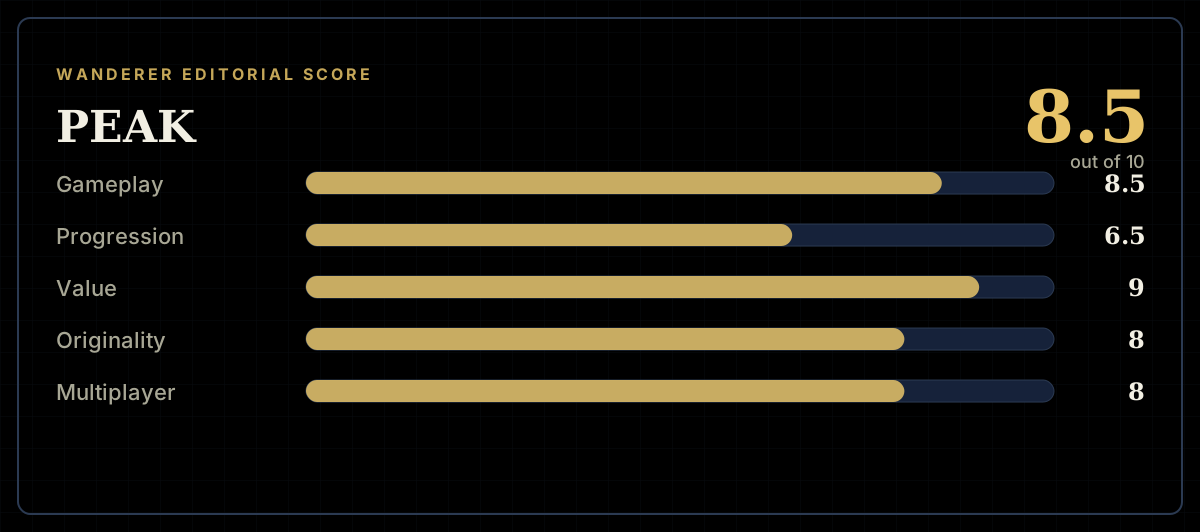
How the review scores each part of the gameWanderer Editorial -
The short versionWanderer Editorial