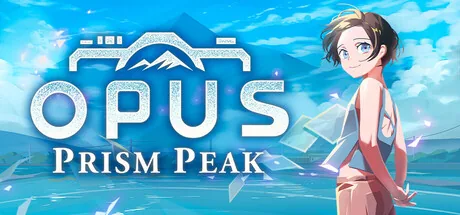
Game review
OPUS: Prism Peak Review: Gorgeous, Melancholic, and a Little Slow
7.8 / 10
- Developer
- SIGONO INC.
- Publisher
- SHUEISHA GAMES
- Released
- 15 April 2026
- Platforms
- Windows, Mac
- Genre
- Adventure
- Monetisation
- $24.99
- Players
- false
The short version
OPUS: Prism Peak sends a weary photographer and an amnesiac girl through a beautifully realized, melancholic world in search of closure, and while its art direction, score, and central story of reckoning with regret land powerfully for most players, its photography mechanic leans more toward a passive notebook than an active tool, and some longtime fans of the OPUS series found the pacing and character balance a step down from its predecessor.
Biggest strengths
- Striking, painterly art direction and an outstanding score that reviewers consistently rank among the best of the year
- A heartfelt, melancholic story about regret, loss, and moving forward that most reviewers describe as emotionally resonant, with strong voice acting reinforcing it
- A discovery-driven structure that rewards close observation of the world rather than checklist-style completionism
Biggest weaknesses
- The photography mechanic functions more as a passive narrative tool than an active creative system, which disappointed players expecting genuine photo-mode freedom based on the marketing
- A vocal minority of longtime series fans, especially those who loved Echo of Starsong, found the gameplay pacing slow to the point of feeling like a slog in stretches
- Marketing materials heavily feature the character Ren in ways some reviewers felt oversold her actual role and screen time in the story
Who it's for: A strong fit for fans of slow, contemplative narrative adventures who value atmosphere and emotional storytelling over active gameplay systems; a weaker fit for players hoping for a hands-on photography mechanic with real creative freedom, since the camera functions closer to a story-progression tool than a genuine photo mode.
Our recommendation: Buy it
7.8 / 10
A weary photographer, a lost girl, and a land of regrets
OPUS: Prism Peak casts players as Eugene, a stranded photographer, traveling alongside a girl named Ren who has lost her memories, through a strange, dreamlike region called the Dusklands. It's the fourth entry from SIGONO, the studio behind OPUS: The Day We Found Earth, OPUS: Rocket of Whispers, and most notably OPUS: Echo of Starsong, a game reviewers repeatedly describe as one of their all-time favourites. That pedigree sets a high bar, and Prism Peak's reception reflects both how much goodwill the studio has built and how specifically some fans measure this new entry against its predecessor.
At its core, this is a story about confronting the people you've wronged and the regrets you've carried, told through Eugene's journey to understand what happened to his daughter and why he's ended up in this liminal, spirit-touched land. Reviewers consistently describe the narrative as heartfelt and melancholic, built around a slow, deliberate reveal of Eugene's past rather than a plot driven by external stakes or action.
Photography as narrative device, not creative freedom
The camera is the game's headline mechanic, and it's also its most contested. In principle, photography in Prism Peak is framed around composition, timing, exposure, focus, and filters, and reviewers with genuine photography interests praise how the mechanic reflects "how closely you look at the world," rewarding attentiveness to detail and lore hidden in the environment rather than raw completionism. The stunning, painterly art direction means that even players given free camera control describe capturing genuinely striking shots along the way.
Where the mechanic disappoints a portion of the audience is in how it's actually used moment-to-moment. Several reviewers, including some who deeply loved the studio's earlier games, describe the camera functioning less like an open creative tool and more like a "notebook," a means of triggering the next story beat rather than a system offering meaningful player expression. One reviewer who came in specifically excited about the photography angle, given their own real-world interest in the hobby, was disappointed to find that most shutter presses simply advance a predetermined narrative moment rather than reward genuine compositional choice.
Pacing splits the series' existing fanbase
The most substantive criticism in negative reviews concerns pacing. A recurring thread among reviewers who loved Echo of Starsong is that Prism Peak's gameplay design feels comparatively slow, with one describing the overall experience as "an absolute slog" despite praising the visuals and music in the very same review. This isn't a universal reaction, plenty of reviewers, including newcomers to the series who started here, describe the discovery-driven pace as appropriately contemplative rather than sluggish, but it's a clear enough pattern among longtime fans specifically to be worth flagging.
Marketing is a related sore point for some. The character Ren features heavily in official promotional art and animations, leading a handful of reviewers to expect a larger or different role for her in the actual story than what they found, a mismatch between expectation and delivery that colours some otherwise positive reviews.
An actively supported launch
Encouragingly, SIGONO has already responded to launch feedback with a major post-launch update addressing at least some of the pacing and gameplay concerns raised by early reviewers. One reviewer specifically updated their own review to note the changes, while opting to keep their original rating in place to reflect their initial experience. That kind of visible, rapid post-launch support is a meaningful point in the developer's favour, and suggests further refinement may continue to narrow the gap between the game's biggest fans and its more mixed voices over time.
A world worth slowing down for
Even reviewers frustrated with the pacing rarely fault the Dusklands themselves as a setting. The region is built around a series of distinct, atmospheric locations, each populated by spirits with their own small, self-contained stories that Eugene and Ren uncover through observation and conversation rather than combat or puzzle-solving in the traditional sense. Reviewers describe an environment that consistently rewards curiosity, with background details, environmental storytelling, and optional lore only surfacing for players willing to actually stop and look rather than rush toward the next objective marker.
That design philosophy is consistent with SIGONO's prior work, but Prism Peak pushes further into ambient, unhurried territory than some of the studio's earlier games. It's a deliberate choice that clearly works for the substantial majority of the review base, who describe becoming absorbed in the world's melancholic mood rather than treating it as an obstacle to the story's next beat. For players coming in fresh, without the specific comparison point of Echo of Starsong's tighter pacing, this rhythm is far less likely to register as a flaw and far more likely to read as the game's defining strength.
Verdict: a beautiful, contemplative journey with real caveats
OPUS: Prism Peak is, by the numbers and by the weight of its review base, a genuinely well-received narrative adventure, carried by exceptional art direction, a strong score, and a story that lands emotionally for most players who spend time with it. Where it falls short of universal acclaim is in the specific expectations set by its own marketing and its own studio's history: players hoping for an active, expressive photography system, or fans of Echo of Starsong expecting a similarly tight pace, are the ones most likely to come away with reservations. For anyone approaching it as a slow, atmospheric story about reckoning with the past, rather than a photography sim or an action-driven adventure, it delivers exactly what it promises, and does so with real craft.
Pros and cons
Pros
- Striking, painterly art direction and an outstanding score that reviewers consistently rank among the best of the year
- A heartfelt, melancholic story about regret, loss, and moving forward that most reviewers describe as emotionally resonant, with strong voice acting reinforcing it
- A discovery-driven structure that rewards close observation of the world rather than checklist-style completionism
- The developer has already shipped a major post-launch update addressing some pacing and gameplay concerns raised at launch, showing active responsiveness to feedback
Cons
- The photography mechanic functions more as a passive narrative tool than an active creative system, which disappointed players expecting genuine photo-mode freedom based on the marketing
- A vocal minority of longtime series fans, especially those who loved Echo of Starsong, found the gameplay pacing slow to the point of feeling like a slog in stretches
- Marketing materials heavily feature the character Ren in ways some reviewers felt oversold her actual role and screen time in the story
- Some reviewers found the story's internal logic and resolution underwhelming compared to the emotional buildup, describing the ending as more about quiet acceptance than dramatic payoff
Screenshots
-
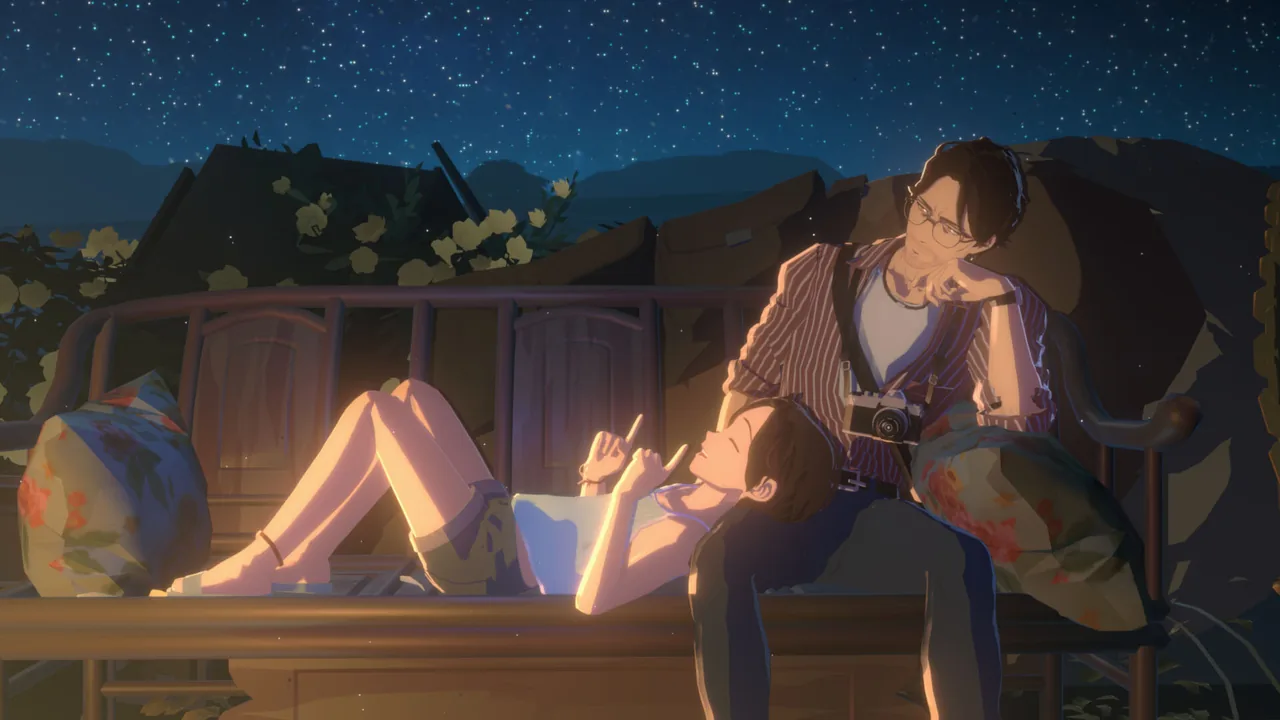
OPUS: Prism PeakImage: SHUEISHA GAMES via Steam -
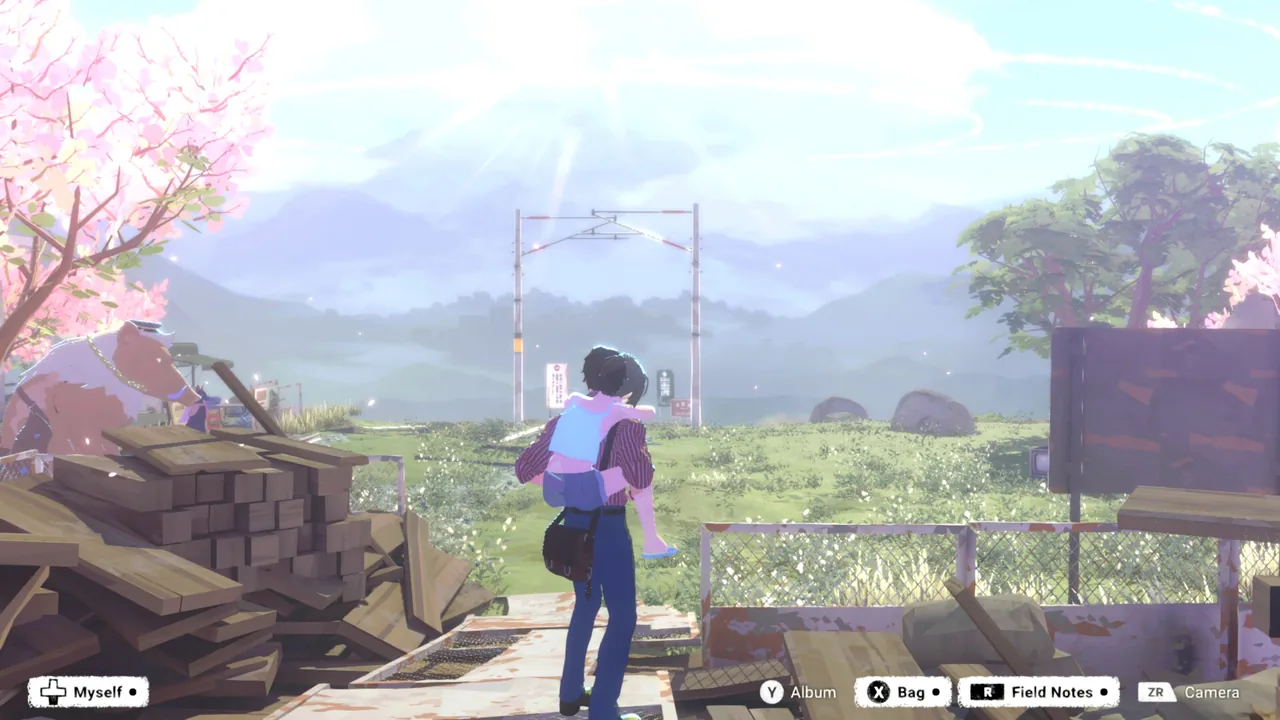
OPUS: Prism PeakImage: SHUEISHA GAMES via Steam -
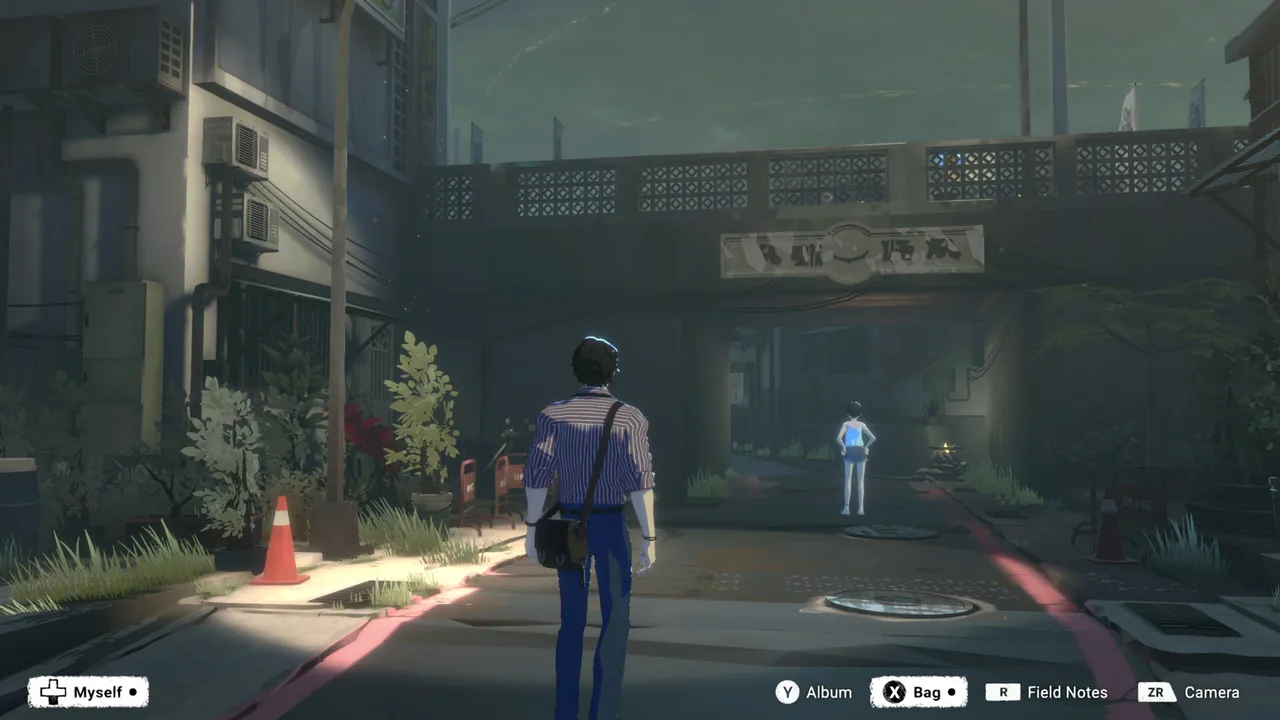
OPUS: Prism PeakImage: SHUEISHA GAMES via Steam -
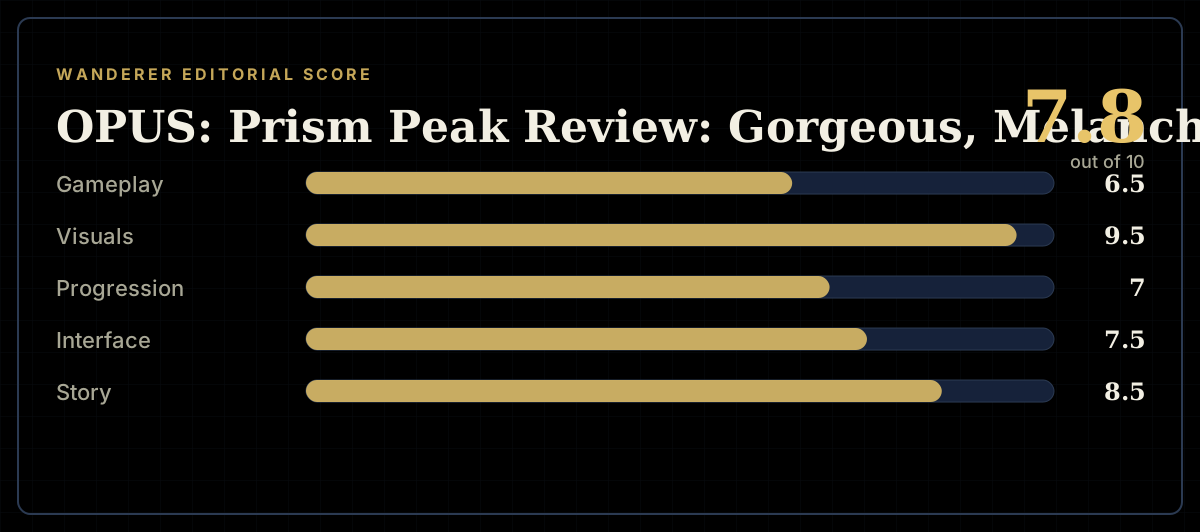
How the review scores each part of the gameWanderer Editorial -
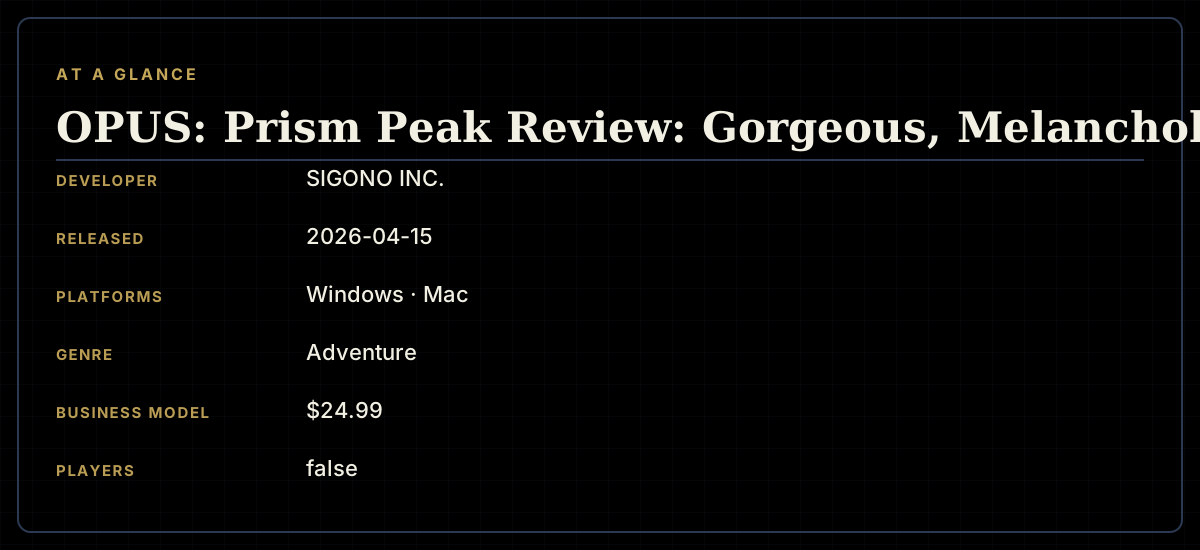
Platform and release detailsWanderer Editorial -
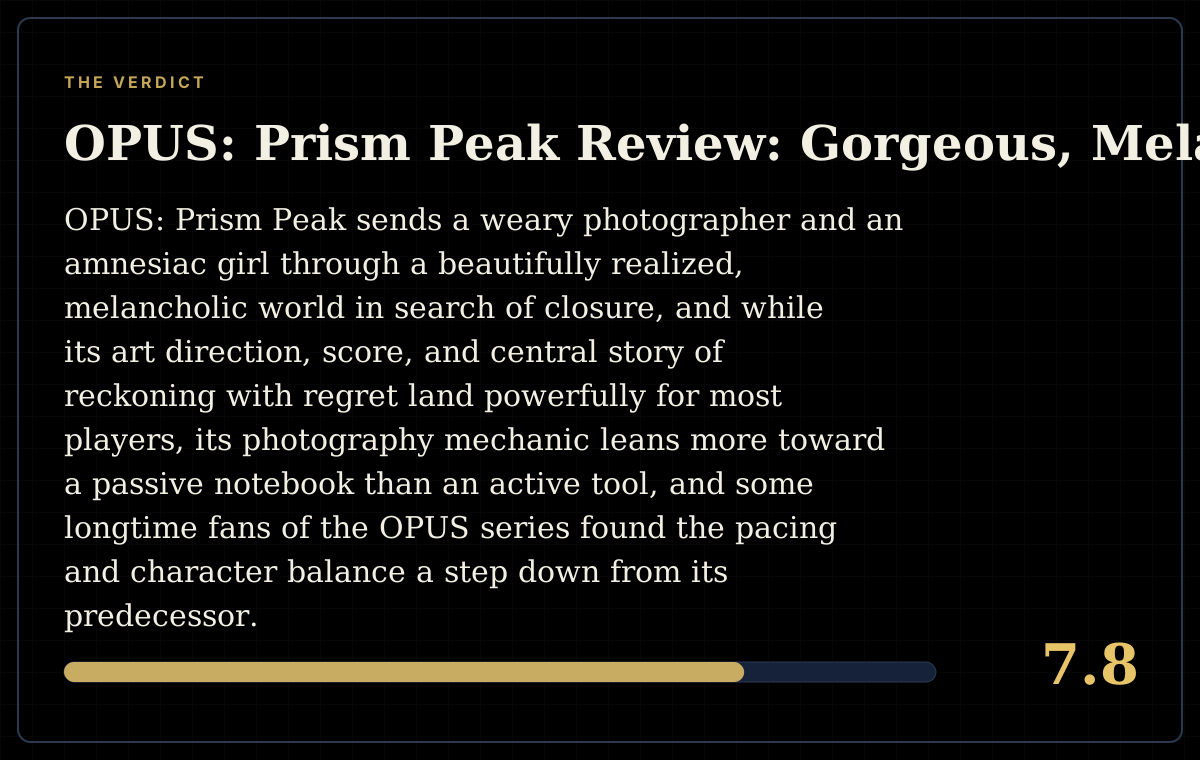
The short versionWanderer Editorial