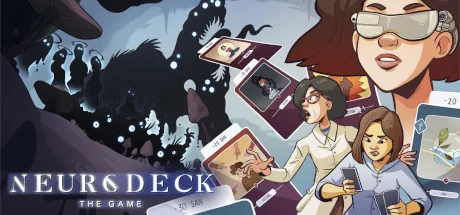
Game review
Neurodeck : Psychological Deckbuilder
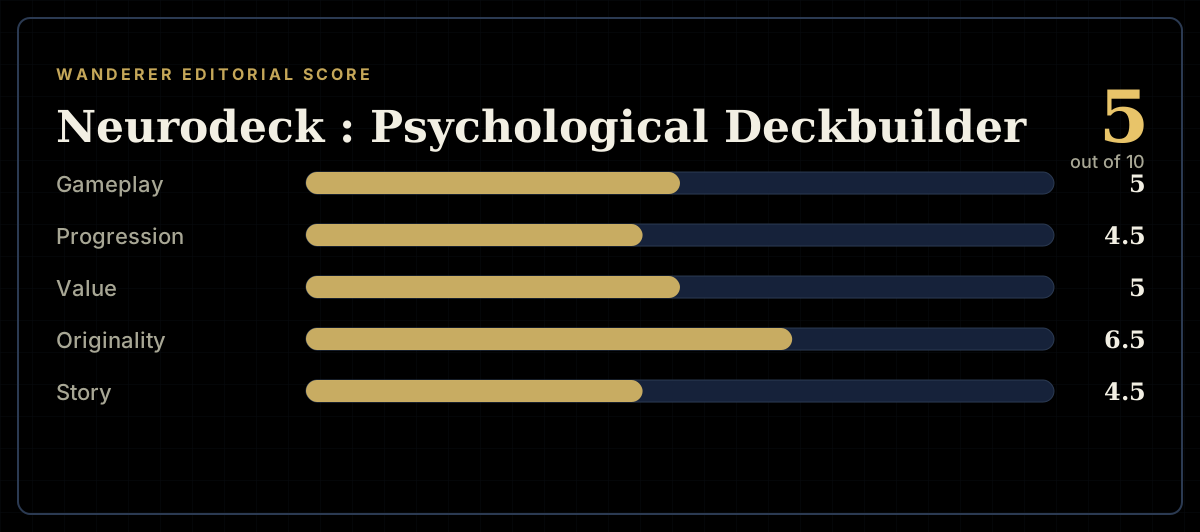
5 / 10
- Developer
- TavroxGames
- Publisher
- Goblinz Publishing
- Released
- 18 March 2021
- Platforms
- Windows
- Genre
- Roguelike Deckbuilder
- Monetisation
- One-time purchase, no DLC or in-game currency
- Players
- Single-player
The short version
Neurodeck reaches for a genuinely unusual premise for a roguelike deckbuilder — confront phobias using coping-mechanism cards drawn from personality tests and meditation, rather than fighting monsters with generic spells. That ambition is the reason this Mixed, 57.4%-scored game stands out from the crowded genre at all. Its own review corpus is split on whether the execution earns the premise: a specific, repeated thread of criticism, including from a reviewer self-identifying as a psychology lecturer, argues the game's handling of mental health themes is shallow or mishandled, while a separate positive thread credits the same framing with a genuinely positive emotional effect. A more conventional complaint, independent of the theme entirely, says the card game underneath is too thin to sustain repeat runs.
Biggest strengths
- A genuinely distinctive premise for the genre — confronting phobias with coping-mechanism cards rather than generic monster-fighting — that sets it apart from a crowded field of Slay the Spire-likes
- At least one detailed positive review describes a real, positive personal effect from the game's framing, crediting it with making them "feel... better"
- The core card-juggling resource loop is functional and, per several reviews including critical ones, not badly built — the complaints are about depth and content rather than broken mechanics
Biggest weaknesses
- A specific, repeated criticism argues the game's treatment of phobias and mental health is shallow or under-researched, including from a reviewer identifying as a psychology lecturer — this review can't independently verify the clinical claims but reports the pattern as consistent and detailed rather than isolated
- A separate, more conventional complaint says the card system itself lacks depth — too few cards, traits and status effects to sustain interest across repeat roguelike runs
- Achievement data shows a steep drop from early-game boss fights (51-59% completion) to the deepest difficulty tiers (2-3%), consistent with reviewers' account of running out of reasons to keep playing
Who it's for: Players curious about a genuinely different take on the roguelike deckbuilder formula who go in with modest expectations for both mechanical depth and thematic nuance. A poor fit for players specifically seeking either deep, Slay the Spire-level card systems, or a rigorously researched treatment of its mental-health subject matter — the corpus suggests neither is fully delivered.
Our recommendation: A cautious, conditional recommendation. The idea is worth the low price for genre fans curious what a different theme can do with the formula, but read the thematic criticism below before buying if the subject matter's treatment matters to you specifically.
5 / 10
Neurodeck's premise is genuinely unusual for a roguelike deckbuilder: instead of fighting monsters, you confront phobias, and instead of a generic spell library, your deck is built from coping mechanisms drawn from personality tests, meditation and exploring rooms tied to specific fears. It's a real, thoughtful idea for the genre, and it's the reason this Mixed, 57.4%-scored game is worth writing about at all rather than filed alongside a hundred other Slay the Spire-likes.
A premise its own players don't think it earned
The most detailed criticism in Neurodeck's review corpus isn't about card balance — it's about whether the game's central premise is handled responsibly. "For a game that deals with heavy psychological topics, this game smacks of not actually understanding psychology at all. It treats all phobias as if..." reads one 98-vote negative, cut off mid-thought but unambiguous in direction. A separate reviewer identifying as a psychology lecturer writes: "I wanted to like this game, I love deckbuilders and I'm a psychology lecturer. I didn't have any illusions that these topics could be covered very effectively..." before detailing specific disappointments. Another calls it, bluntly, "the very worst portrayal of mental health in a video game I have ever seen." This review has no ability to independently adjudicate clinical accuracy, but the pattern — detailed, specific, and including at least one credentialed-sounding voice — is consistent enough to report plainly rather than wave away as a handful of overly sensitive players.
It's worth being fair to the other side of that same argument: at least one detailed positive review describes a genuinely positive personal effect, saying the game "makes me feel... better," specifically crediting the framing of defeating phobias through positive coping-mechanism cards. The corpus isn't unanimous that the theme fails — it's split between players who find the framing meaningful and players, including at least one with relevant professional background, who find it shallow or mishandled.
A separate, more ordinary mechanical complaint
Set the thematic debate aside, and a second, more conventional criticism runs through the corpus: the card game underneath is thin. "Game's got a good base, but it lacks depth. If there were more cards, traits and status effects, it might be worth it," reads one negative; several others independently compare it unfavourably to Slay the Spire on mechanical grounds alone, describing runs as short and easily exhausted of novelty within a couple of hours. The achievement data is broadly consistent with a game whose early content is accessible (boss-defeat achievements at 51-59%) but whose deepest difficulty tiers see very little sustained engagement (2-3%).
Final verdict
Neurodeck reaches for something genuinely different from its genre's usual power fantasy, and that ambition alone makes it worth a mention this library wouldn't give a more generic deckbuilder. But a meaningful, specific slice of its own reviewers — including voices with relevant expertise — argue the execution doesn't live up to the sensitivity its subject matter demands, and a separate mechanical complaint says the card game itself doesn't have enough depth to carry repeat runs regardless. It's a real, interesting attempt; approach it knowing both of those critiques exist before deciding if it's for you.
Pros and cons
Pros
- A genuinely distinctive premise for the genre — confronting phobias with coping-mechanism cards rather than generic monster-fighting — that sets it apart from a crowded field of Slay the Spire-likes
- At least one detailed positive review describes a real, positive personal effect from the game's framing, crediting it with making them "feel... better"
- The core card-juggling resource loop is functional and, per several reviews including critical ones, not badly built — the complaints are about depth and content rather than broken mechanics
- Cheap at NZ$17.59, which several reviewers cite as softening their disappointment with the game's shortcomings
Cons
- A specific, repeated criticism argues the game's treatment of phobias and mental health is shallow or under-researched, including from a reviewer identifying as a psychology lecturer — this review can't independently verify the clinical claims but reports the pattern as consistent and detailed rather than isolated
- A separate, more conventional complaint says the card system itself lacks depth — too few cards, traits and status effects to sustain interest across repeat roguelike runs
- Achievement data shows a steep drop from early-game boss fights (51-59% completion) to the deepest difficulty tiers (2-3%), consistent with reviewers' account of running out of reasons to keep playing
- Recent English-language sentiment (53 of the last 100 reviews positive) sits close to, and not above, the 57.4% lifetime figure, suggesting the mixed reception has settled rather than improved with post-launch patches
Screenshots
-
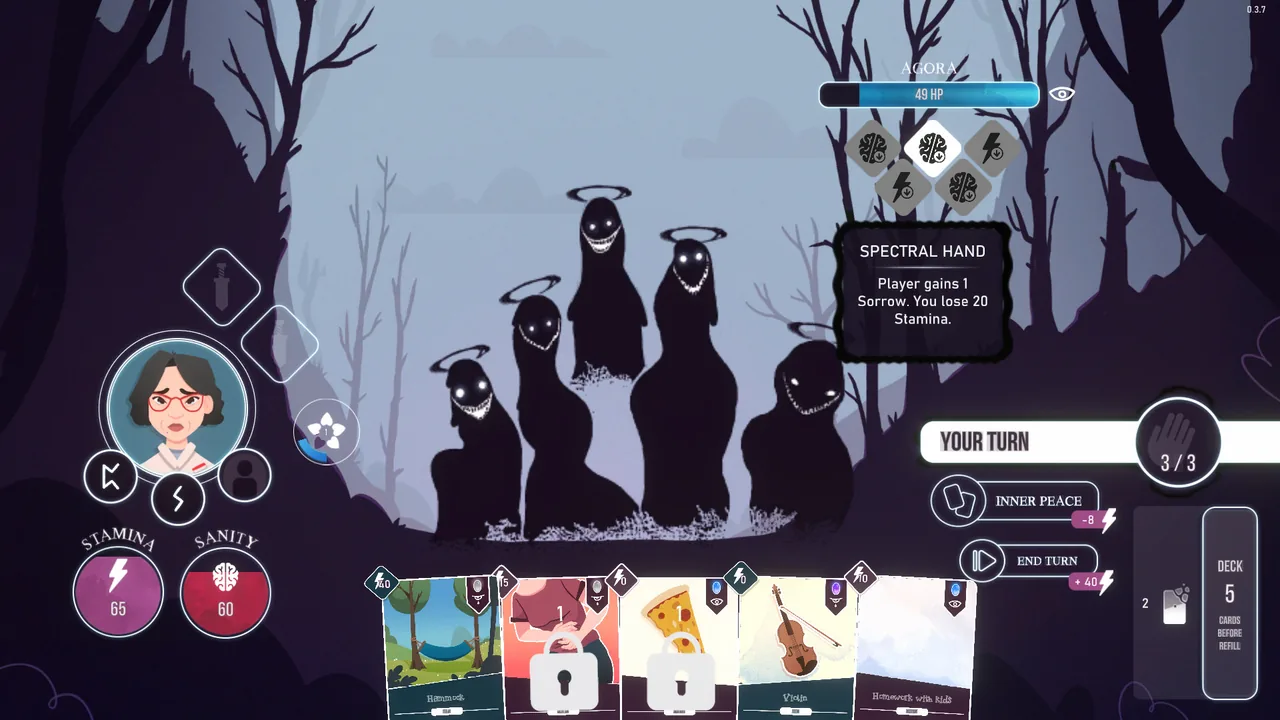
Neurodeck : Psychological DeckbuilderImage: Goblinz Publishing via Steam -
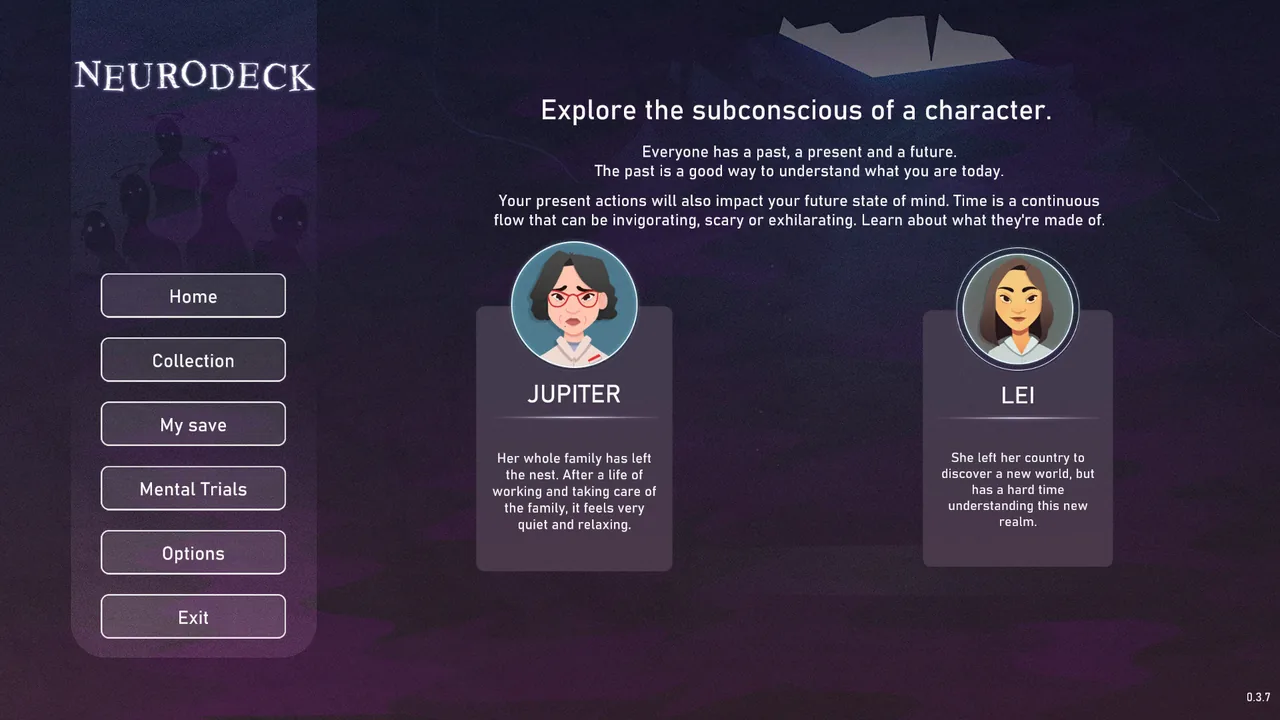
Neurodeck : Psychological DeckbuilderImage: Goblinz Publishing via Steam -
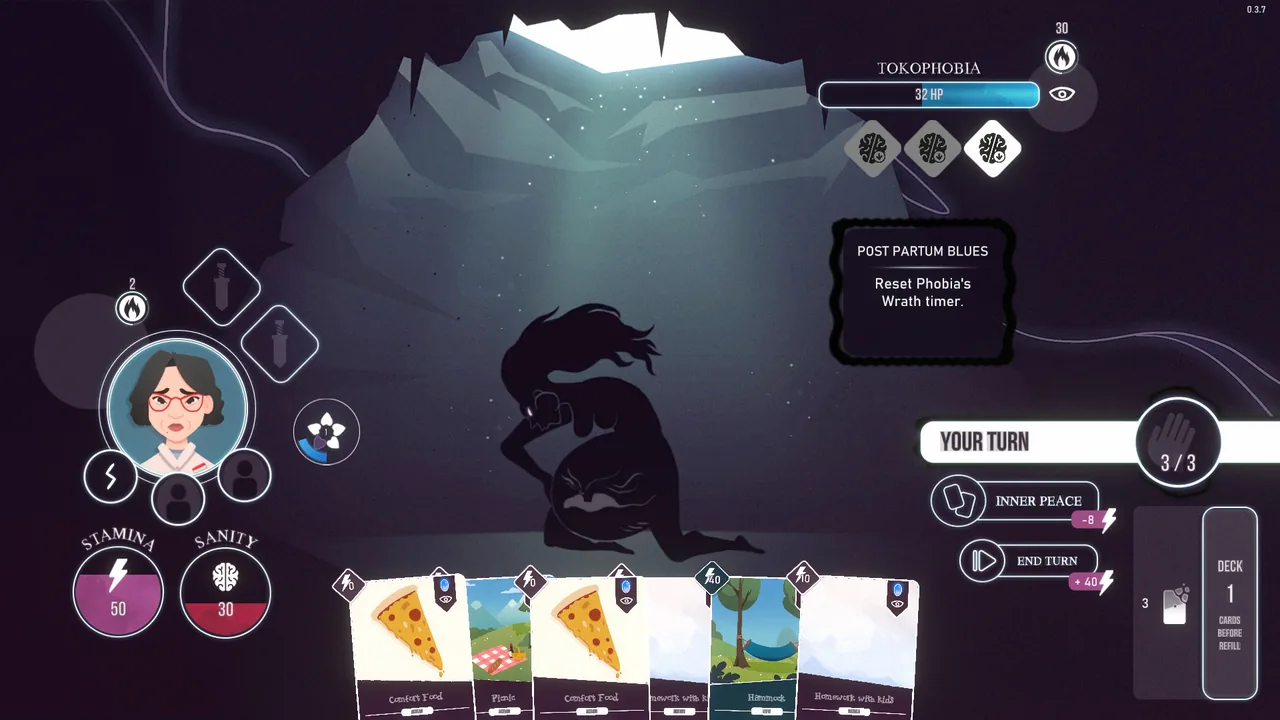
Neurodeck : Psychological DeckbuilderImage: Goblinz Publishing via Steam -
How the review scores each part of the gameWanderer Editorial -
The short versionWanderer Editorial