Game review
Mycelium: The Silent Contract
7.4 / 10
- Developer
- Po Kolu
- Publisher
- Proteus Interactive
- Released
- 27 April 2026
- Platforms
- [Windows]
- Genre
- Horror
- Monetisation
- Premium
- Players
- true
The short version
Mycelium: The Silent Contract is a remarkably assured solo-developer debut, a co-op extraction horror whose procedural forest, layered lore, and genuinely dread-inducing sound design already outclass most of its genre, with only Early Access netcode and control roughness holding it back.
Biggest strengths
- Genuinely dread-inducing atmosphere and sound design that reviewers repeatedly call the game's standout element
- A procedurally generated forest with real variety across creatures, locations, weather, and puzzles
- A surprisingly deep, gradually revealed lore layer for a first-year Early Access extraction horror
Biggest weaknesses
- Server stability and ping issues during co-op sessions, with one detailed report of lag spiking to 100ms
- Character controls described by multiple reviewers as stiff or imprecise, and a voice chat that occasionally lags
- Some early reviewers report exhausting the current content pool within two to three hours
Who it's for: Co-op horror fans tired of generic extraction clones, especially groups who enjoyed Lethal Company and want something with more atmosphere and lore.
Our recommendation: Recommended
7.4 / 10
What did you sign, exactly?
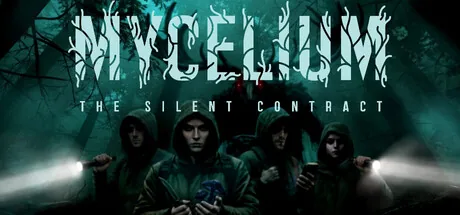
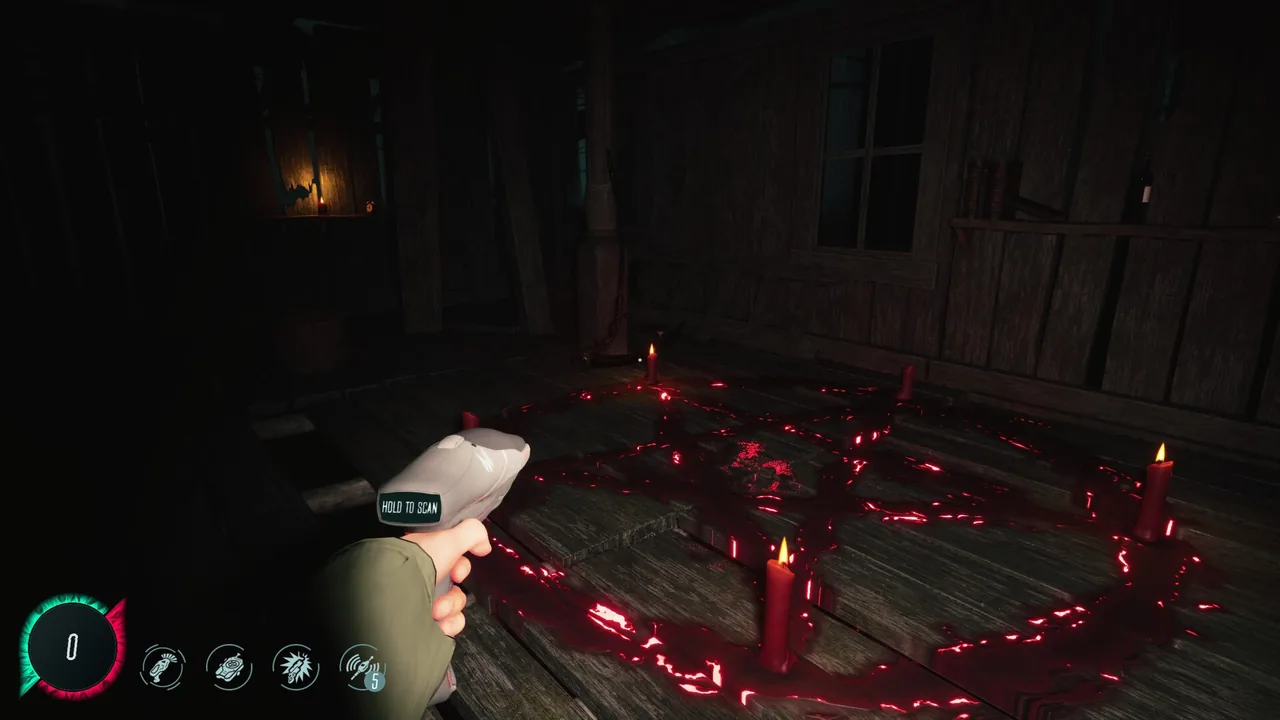
Mycelium: The Silent Contract, developed solo by Po Kolu and published by Proteus Interactive, entered Early Access on April 27, 2026, after roughly a year of public demos and closed playtests. The pitch is straightforward extraction horror: you're a contractor for a mysterious corporation, dropped into a procedurally generated liminal forest with orders to harvest mycelium specimens and extract before whatever lives out there catches up with you. Play solo or in co-op with voice chat, explore dozens of hand-built locations layered on top of procedural generation, solve environmental puzzles, and try not to die to any of the more than ten distinct creature types stalking the trees. It launched to a Very Positive reception, 143 reviews at roughly 98%, an unusually strong score for a first-year Early Access horror title, and the review sample skews heavily Ukrainian, reflecting both the developer's home audience and a loyal community that's followed the project since its earliest teasers.
The forest does the scaring for you
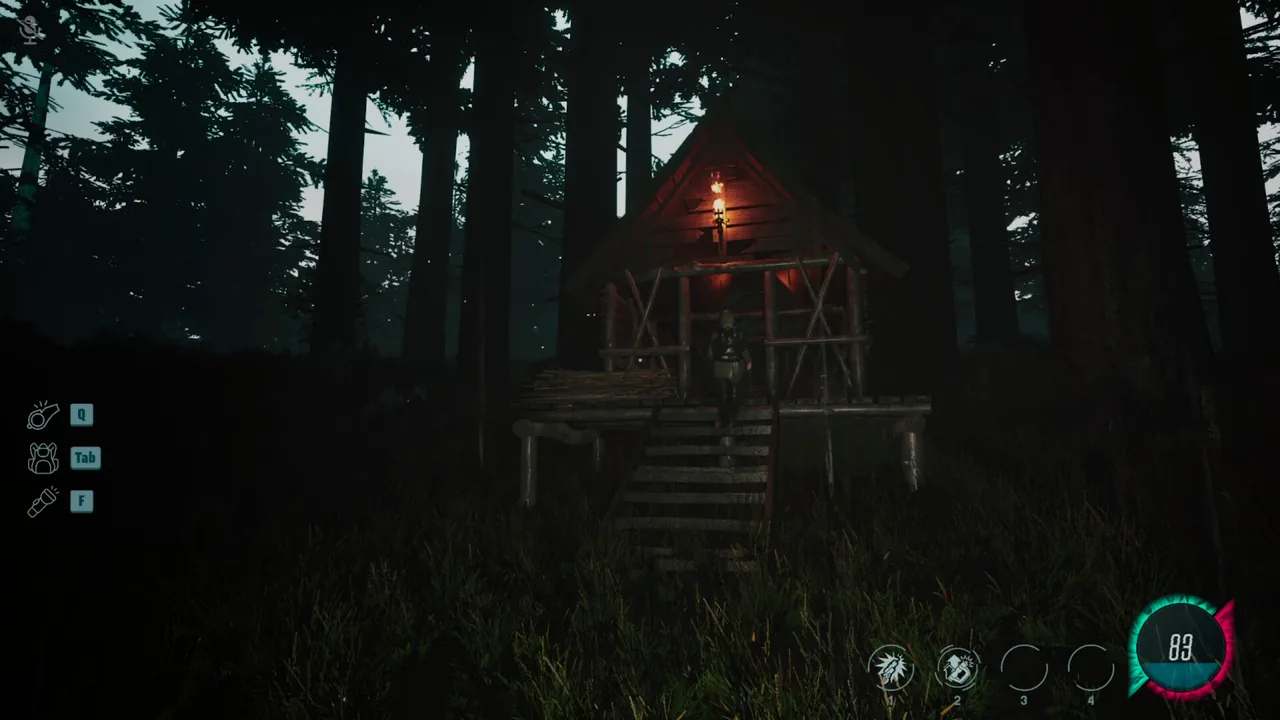
The single most consistent theme across the review sample, repeated in Ukrainian, English, Russian, Spanish, and Polish alike, is how effective the atmosphere and sound design are. Reviewers describe dynamic weather, spatial audio that tracks creatures moving around and behind you, and a sense of place that builds dread without leaning entirely on jump scares. One reviewer calls it "the best game in this genre I've ever played," another specifically credits the sound design as "a separate love," and a Polish reviewer singles out the procedurally generated forest and "those cursed mosquitoes" for building real tension session after session. It's rare for a solo-developer horror title to land atmosphere this consistently, and it's clearly the foundation the rest of the game's reputation is built on.
A lore layer most extraction games skip
Where Mycelium distinguishes itself from the wave of Lethal Company-style extraction clones it inevitably gets compared to is its narrative ambition. Multiple reviewers describe a gradually unfolding story and a sense of "why" behind the forest and its creatures that rewards repeated runs, one reviewer flatly refuses to believe it was made by one person given how much environmental storytelling and interconnected detail it contains. Studying the creatures themselves becomes part of the loop, several reviewers mention learning enemy behaviors gradually rather than being handed a bestiary, which reinforces the sense of a world with internal logic rather than a random monster closet.
Built for co-op chaos, functional solo
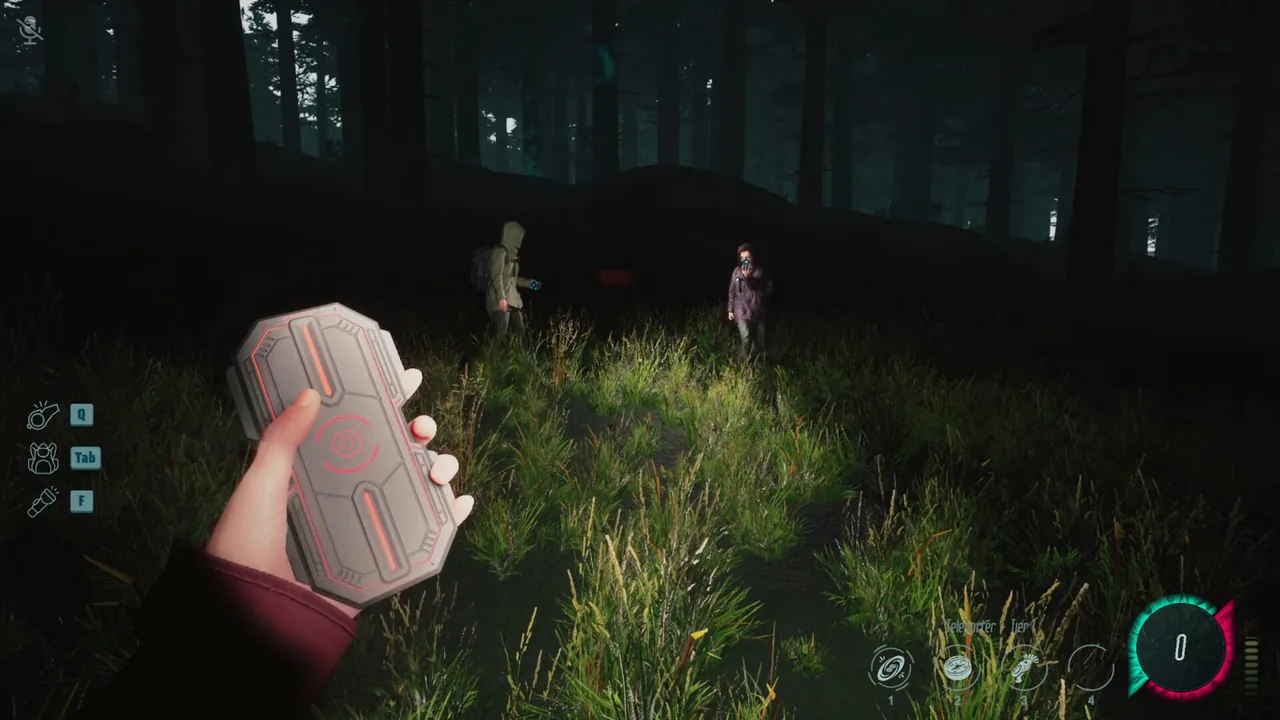
The game supports both solo and co-op play, and while solo runs get real praise for their tension, reviewers are near-unanimous that co-op is where it shines brightest. Teams can be separated by the forest itself, which randomly teleports players to different locations, turning coordination and communication into as much of a threat as the monsters. Reviewers describe sessions full of screaming, laughing, and genuine panic, one calls it "a concert of profanity where everyone's shouting 'there's something HERE,'" and several note the game finds a rare balance between being legitimately frightening and legitimately funny with friends, a combination that's harder to pull off than it sounds.
Where Early Access still shows
The criticism that comes up most often, and the one worth taking most seriously, is network stability. One detailed Ukrainian review reports ping spiking toward 100ms during co-op sessions and describes the voice chat as prone to lag, while praising the underlying idea, atmosphere, and monster design as excellent, a 4/10 score driven almost entirely by technical execution rather than design. Character movement also draws some criticism as stiff or imprecise, and a couple of reviewers flag minor hitbox inconsistencies with certain creatures. None of this is unusual for a young Early Access build with a single primary developer, and the patch cadence since launch, Ukrainian localization additions, new creatures, controller support, and new locations across regular updates through August 2026, suggests these are actively being worked through rather than ignored.
Not much yet, but building fast
A smaller group of reviewers flags the current content pool as thin, one English-language review specifically notes feeling like there's little left to discover after two to three hours. That's a fair concern for a $9.99 Early Access release this early in its cycle, though the update log tells a more reassuring story than a single snapshot might suggest, the developer has shipped a steady stream of new creatures, locations, and systems roughly monthly since launch, and several reviewers who've logged 50-plus hours report the game still surprising them.
One developer, an unusually confident scope
It's worth pausing on the scale of what's shipped here. A single credited developer built a fully co-op-networked, procedurally generated environment with more than ten distinct creature types, dozens of hand-authored locations, a layered narrative, dynamic weather, and voice-chat-driven multiplayer coordination, then supported it with a monthly-ish patch cadence through the first several months of Early Access. That's a scope many small studios wouldn't attempt, and it shows in both directions: the ambition explains why the atmosphere and world-building land so far above the genre average, and it also explains why the technical rough edges, netcode, hitboxes, control feel, haven't all been sanded down yet. Reviewers seem to intuitively understand this trade, the goodwill in the sample reads less like fans overlooking flaws and more like fans correctly pricing in what a one-person team can reasonably deliver at this stage, while still expecting the studio (now backed by publisher Proteus Interactive) to keep closing the gap.
The verdict
Mycelium: The Silent Contract is one of the more impressive solo-developer Early Access debuts in recent memory, an extraction horror that leans on atmosphere, sound design, and a genuinely interesting world rather than jump-scare repetition, wrapped around a co-op loop that produces real, memorable chaos. Netcode issues and some control stiffness are legitimate Early Access growing pains, and the content pool is still filling in, but the foundation here is rare enough that it's worth getting in early, especially for groups looking for something with more atmosphere and ambition than the genre's crowded field of extraction clones.
Pros and cons
Pros
- Genuinely dread-inducing atmosphere and sound design that reviewers repeatedly call the game's standout element
- A procedurally generated forest with real variety across creatures, locations, weather, and puzzles
- A surprisingly deep, gradually revealed lore layer for a first-year Early Access extraction horror
- An unusually strong co-op loop that produces memorable, chaotic sessions rather than repetitive grinding
Cons
- Server stability and ping issues during co-op sessions, with one detailed report of lag spiking to 100ms
- Character controls described by multiple reviewers as stiff or imprecise, and a voice chat that occasionally lags
- Some early reviewers report exhausting the current content pool within two to three hours
- Minor hitbox and performance issues typical of an actively developing Early Access build
Screenshots
-
Mycelium: The Silent ContractImage: Proteus Interactive via Steam -
Mycelium: The Silent ContractImage: Proteus Interactive via Steam -
Mycelium: The Silent ContractImage: Proteus Interactive via Steam -
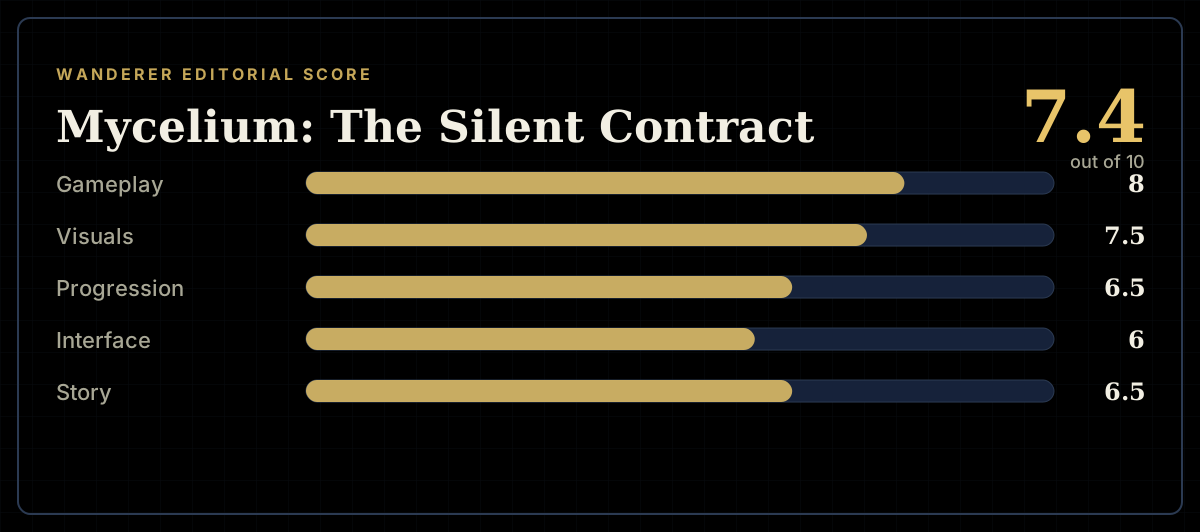
How the review scores each part of the gameWanderer Editorial -
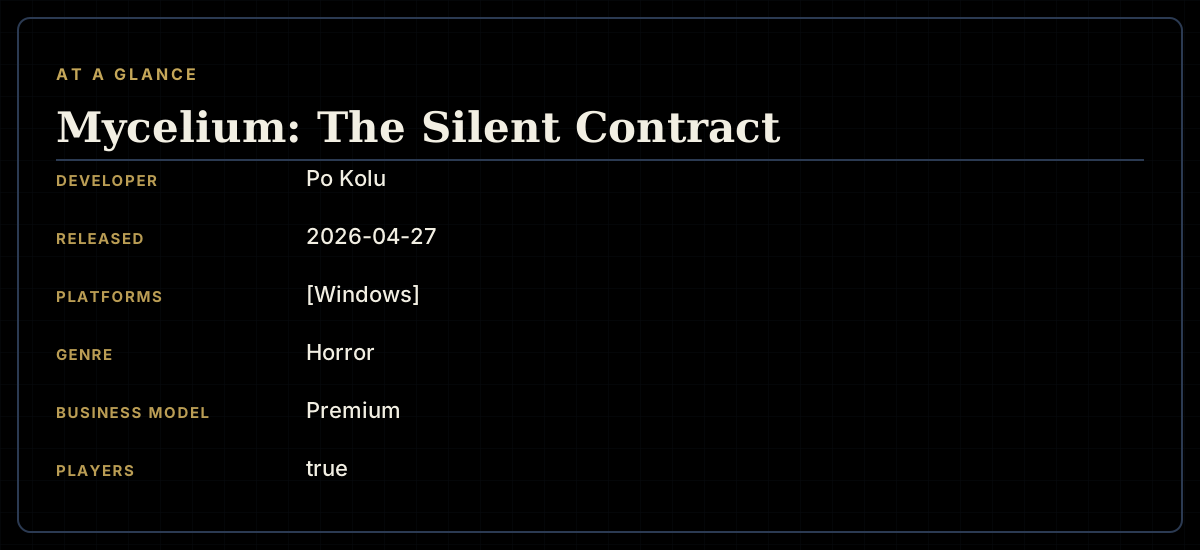
Key facts at a glanceWanderer Editorial -
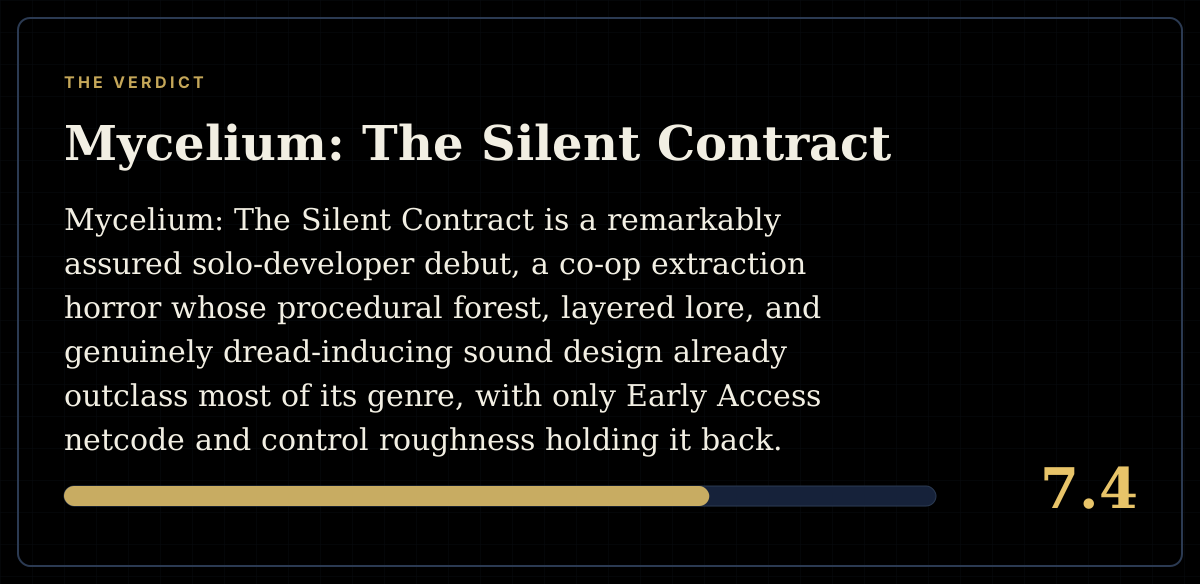
The short versionWanderer Editorial